Quick Facts
- Number 1 City: Cuzco, Peru (ranking first for the 5th consecutive year)
- Survey Participation: Over 165,000 frequent travelers participated in the selection process
- Top Evaluation Metrics: Historic landmarks, local culture, food quality, friendliness, and overall value
- Market Growth: Voter turnout increased by approximately 25 percent compared to pre-pandemic cycles
- New Geographic Trends: Increasing traveler interest in walkable historic centers and immersive cultural festivals
- Regional Highlight: Argentina dominates the lifestyle category with the inclusion of both Buenos Aires and Mendoza
Cuzco, Peru, remains the top-rated city in Latin America for 2026, followed by Antigua Guatemala and Quito, Ecuador. These rankings are based on specific criteria including historic landmarks, local culture, food quality, friendliness, and overall value. This selection of best Latin American cities reflects a growing traveler preference for destinations that balance deep-rooted history with high-quality modern amenities.
For the 2026 travel cycle, the landscape of urban exploration across Central and South America has reached a significant milestone. In the most recent World's Best Awards survey, nearly 165,000 Travel + Leisure readers completed the evaluation, marking a roughly 25 percent increase in engagement compared to previous years. This surge in data provides a more granular look at what makes an urban escape truly exceptional in a post-pandemic world.
To identify these premier destinations, the survey registered more than 685,000 total votes across a variety of categories. What emerges is a portrait of a region that is no longer just a collection of stops on the way to a nature reserve, but a series of world-class cultural hubs in their own right. From the high-altitude colonial plazas of the Andes to the sun-drenched coastal fortifications of the Caribbean, these ten cities represent the pinnacle of regional travel for 2026.
1. Cuzco, Peru
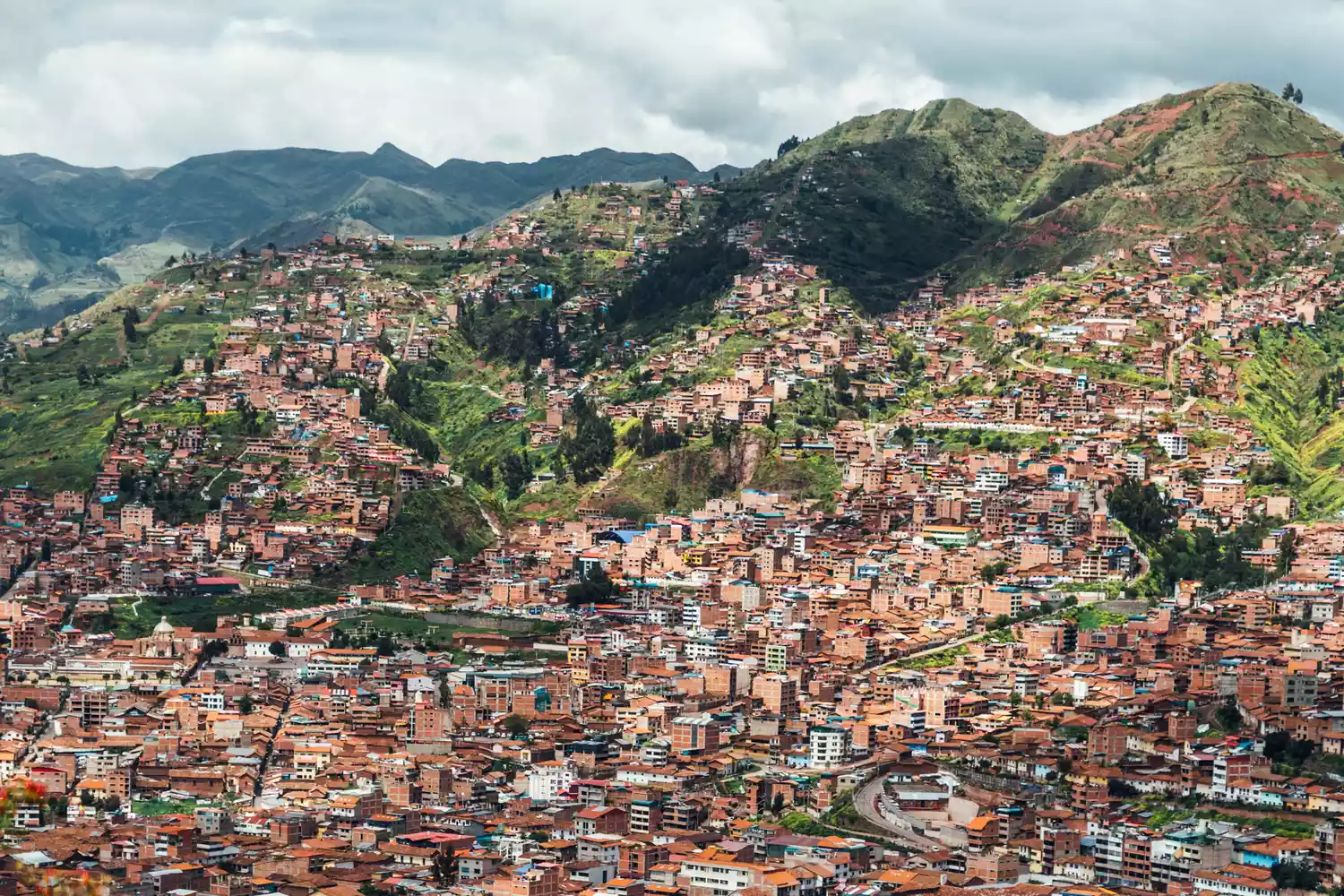
Cuzco continues its reign as the undisputed champion of the region. Earning a remarkable reader score of 87.78, it remains the primary gateway for those venturing toward Machu Picchu, yet it has evolved into a destination that demands its own dedicated itinerary. The city is a living museum where Pre-Columbian archaeological sites serve as the literal foundations for ornate Spanish churches.
- Why it won: Exceptional preservation of Incan and colonial history, a sophisticated culinary scene, and high value for money.
- Reader Verdict: Travelers consistently praise the friendliness of the local population and the sheer density of historic landmarks accessible within the walkable city center.
2026 Travel Alert: Visitors planning to use Cuzco as a base for Machu Picchu should note the strict 60-day advance booking requirement for circuit tickets to the citadel to ensure entry during peak months.
2. Antigua Guatemala, Guatemala
Rising to the second spot for 2026, Antigua Guatemala is a masterclass in atmospheric preservation. Surrounded by three towering volcanoes, this former colonial capital offers a dramatic skyline that few cities on earth can match. Its grid of cobblestone streets is lined with pastel-colored facades and the ruins of majestic cathedrals that have survived centuries of seismic activity.
- Why it won: The city's status as one of the best cultural cities in South America (and Central America) is cemented by its vibrant artisan craft markets and well-preserved Iberian colonial architecture.
- The Experience: Morning walks through the Central Park offer a front-row seat to local life, while sunset hikes to the Cerro de la Cruz provide panoramic views of the Agua Volcano.
3. Quito, Ecuador
As the first city in the world to be declared a UNESCO World Heritage site, Quito has long been a favorite for those seeking architectural purity. Located high in the Andes, it serves as a stunning introduction to Ecuador’s diverse geography. Its Old Town is considered the least altered and best-preserved historic center in the Americas.
- Why it won: Recognition for its proximity to the Equator and its role as a essential hub for those heading to the Galapagos Islands.
- Reader Verdict: Voters highlighted the "Middle of the World" monument and the breathtaking cable car ride up the Pichincha Volcano as must-do experiences.
4. Cartagena, Colombia
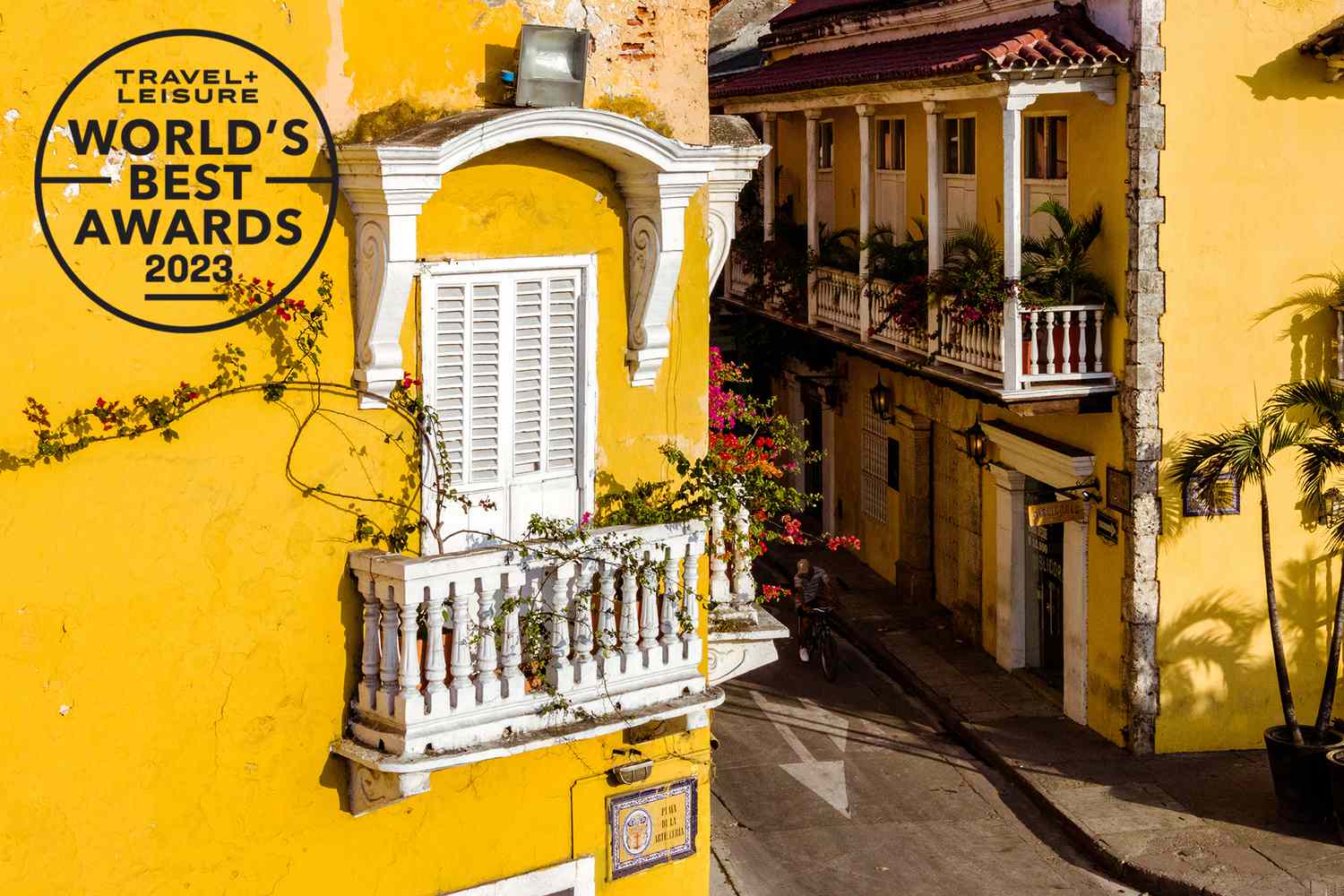
Cartagena remains the crown jewel of the Caribbean coastline. Its walled Old City is a sensory explosion of bougainvillea-draped balconies, rhythmic street music, and the smell of fresh arepas. It is widely considered one of the recommended Latin American urban escapes for those who want a blend of tropical relaxation and deep historical exploration.
- Why it won: A unique mix of Caribbean coastline flair and Spanish colonial fortifications.
- The Highlight: The sunset walk atop the ancient city walls, followed by a night of salsa in the Getsemani neighborhood, continues to be a top traveler recommendation.
5. Lima, Peru
While Cuzco captures the heart with history, Lima captures the palate. Frequently cited as the top regional gastronomy hub, Lima has transformed from a mere transit point into a global culinary powerhouse. The city sits on dramatic cliffs overlooking the Pacific, offering a stark contrast between its bohemian districts like Barranco and its fast-paced modern cosmopolitan skylines in Miraflores.
- Why it won: World-renowned restaurants (repeatedly topping global lists) and a fascinating mix of pre-Incan ruins situated right in the middle of urban neighborhoods.
- Reader Tip: Dedicate at least three days solely to food tours; the fusion of Andean ingredients with Asian and European techniques is unparalleled.
6. Buenos Aires, Argentina
Often called the "Paris of the South," Buenos Aires offers a European-influenced culture that is entirely its own. From the grand mansions of Recoleta to the vibrant street tango of San Telmo, the city exudes a romantic, slightly melancholic charm. In 2026, it remains a favorite for its world-class nightlife and high-end shopping at surprisingly affordable prices due to currency fluctuations.
- Why it won: Sophisticated urban culture, exceptional steakhouse traditions (parrillas), and a walkable layout that encourages wandering through historic neighborhoods.
- Sustainable Travel: The city has made significant strides in sustainable travel initiatives, including an extensive bike-share program and the pedestrianization of several downtown corridors.
7. Panama City, Panama
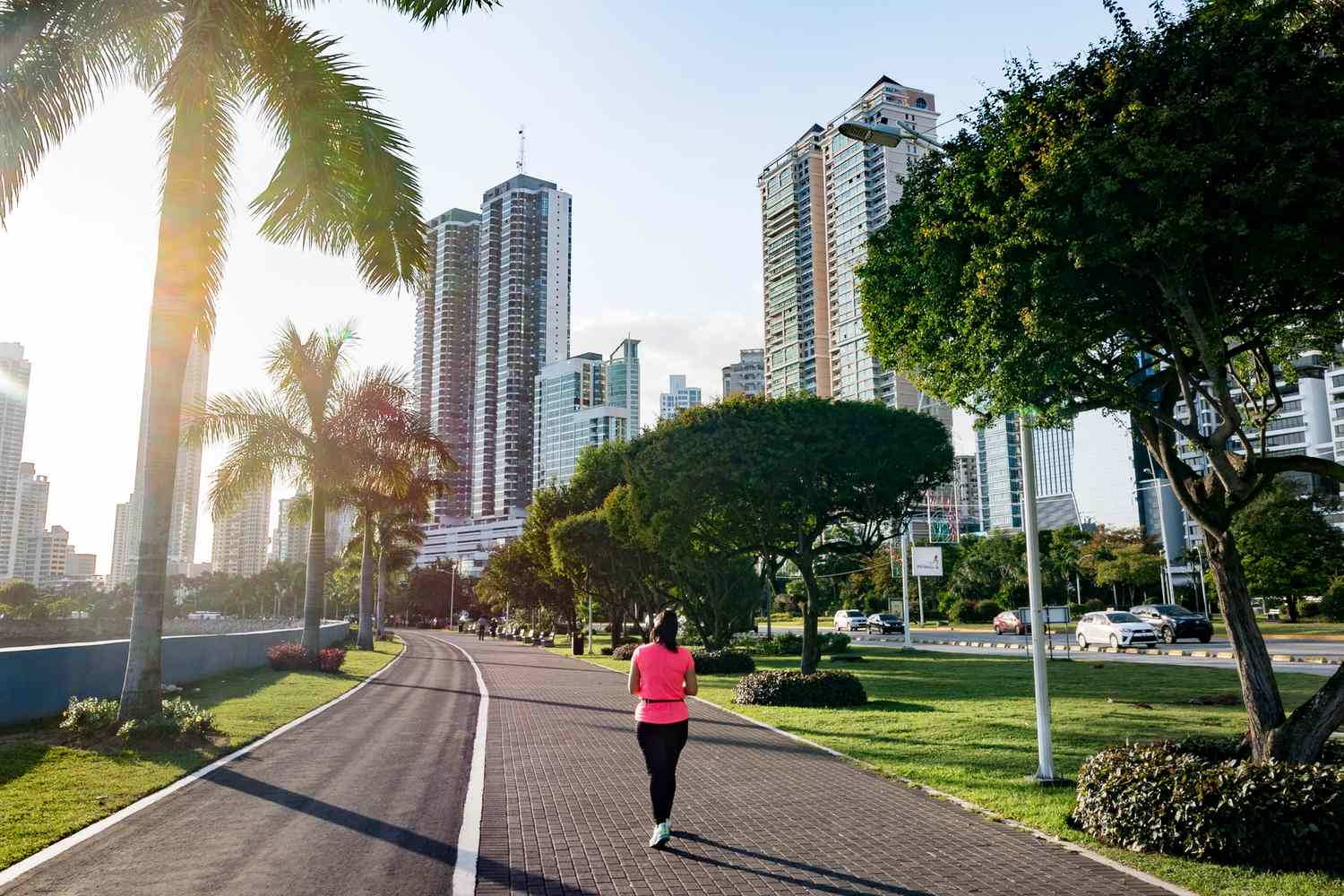
Panama City is gaining significant traction as a vital link connecting Central and South American itineraries. It is perhaps the only city on the list where you can explore a 17th-century historic district (Casco Viejo) in the morning and view one of the world's most significant engineering marvels (the Panama Canal) in the afternoon, all while being surrounded by a skyline of glass and steel.
- Why it won: Its dual identity as a modern business hub and a historic colonial treasure.
- The Appeal: The revitalization of Casco Viejo has introduced a wave of boutique hotels and rooftop bars that offer some of the best urban vantage points in the region.
8. Bogota, Colombia
Bogota is a high-altitude metropolis that thrives on intellectual energy and artistic expression. The city's Gold Museum is a world-class institution, and the street art in the La Candelaria district is among the most impressive in the world. As a major international flight hub, it is more accessible than ever for global travelers.
- Why it won: Deep museum culture and a thriving contemporary art scene.
- Practical Advice: Bogota is one of the top South American travel destinations for those who enjoy the crisp air of the mountains and a city that never stops moving.
9. Mendoza, Argentina
Making a strong entry for 2026 is Mendoza, the wine capital of Argentina. Transitioning from the bustling streets of Buenos Aires to the sun-soaked vineyards at the foot of the Andes offers a different pace of travel. It is a premier choice for those seeking world-class wine tours and outdoor adventures like trekking or white-water rafting.
- Why it won: High scores for overall value and the quality of its artisanal food and wine scene.
- Reader Verdict: Voted as a top choice for "slow travel," where the landscape and the local Malbec are the primary attractions.
10. Santiago, Chile
Santiago rounds out the list with its reputation for safety, cleanliness, and a stunning backdrop of the snow-capped Andes. It is a highly walkable city with a diverse range of neighborhoods, from the historic center near the Plaza de Armas to the trendy, park-filled avenues of Providencia.
- Why it won: Outstanding infrastructure, safety rankings, and its role as a gateway to both the Atacama Desert and Patagonian wilderness.
- The Vibe: Santiago feels like a city on the rise, blending corporate efficiency with a growing appreciation for artisan markets and coastal urban retreats just a short drive away in Valparaiso.
2026 Logistics: Planning Your Journey
Navigating the top cities in South America requires a bit more than just a plane ticket. For 2026, several logistical shifts are worth noting to ensure a smooth trip.
First, safety remains a primary concern for many. While most of these cities are considered safe for savvy travelers, checking current tourist safety rankings is essential. Cities like Santiago, Mendoza, and the Miraflores district of Lima generally rank highly for visitor security. For those traveling alone, Panama City and Buenos Aires are often cited as the safest latin american cities for solo female travelers 2026 due to their well-lit streets and active late-night culture.
Budgeting is another factor where the region shines. While some cities like Panama City can be more expensive, others offer extraordinary value. Travelers can expect a cost of living index that allows for luxury accommodations in cities like Bogota or Buenos Aires at a fraction of the cost of European or North American counterparts. Estimates for daily spending (including mid-range hotels and dining) fluctuate between $65 and $130 USD depending on the destination.
Finally, keep an eye on entry requirements. While many countries offer visa-free entry for tourism, Brazil has recently reintroduced e-visa requirements for several nationalities. Always check the official consulate websites at least three months before your departure date to avoid last-minute complications.
FAQ
What are the safest cities to visit in Latin America?
Based on recent traveler feedback and regional safety reports, Santiago, Chile; Mendoza, Argentina; and Antigua Guatemala are frequently cited as the safest destinations. Within larger cities like Lima and Buenos Aires, staying in well-patrolled neighborhoods like Miraflores or Recoleta significantly enhances safety for international visitors.
Which cities in Latin America have the best food scene?
Lima, Peru, is widely regarded as the culinary capital of the region, famous for its ceviche and world-ranking fine dining. Buenos Aires is the top choice for steak and wine lovers, while Bogota is gaining fame for its sophisticated "New Colombian" cuisine that utilizes rare ingredients from the Amazon and the Andes.
What are the most beautiful colonial cities in Latin America?
Antigua Guatemala and Cuzco are the standard-bearers for colonial beauty, featuring stunning examples of Iberian colonial architecture. Quito and Cartagena also offer exceptionally well-preserved historic centers that are protected as UNESCO World Heritage sites, showcasing colorful facades and centuries-old stonework.
What is the most walkable city in South America?
Buenos Aires often takes the top spot for walkability thanks to its wide boulevards, extensive park systems, and distinct neighborhoods that are best explored on foot. Cuzco’s historic center is also highly walkable, though the steep hills and high altitude require a slower pace than most visitors are used to.
Is Mexico City or Buenos Aires better for a first-time visitor?
Both are excellent choices but offer different vibes. Mexico City is often preferred by those looking for intense history, world-class street food, and vibrant Mesoamerican culture. Buenos Aires is typically better for travelers who prefer a refined, European-style atmosphere, grand architecture, and a slower-paced lifestyle centered around cafes and long dinners.