Quick Facts
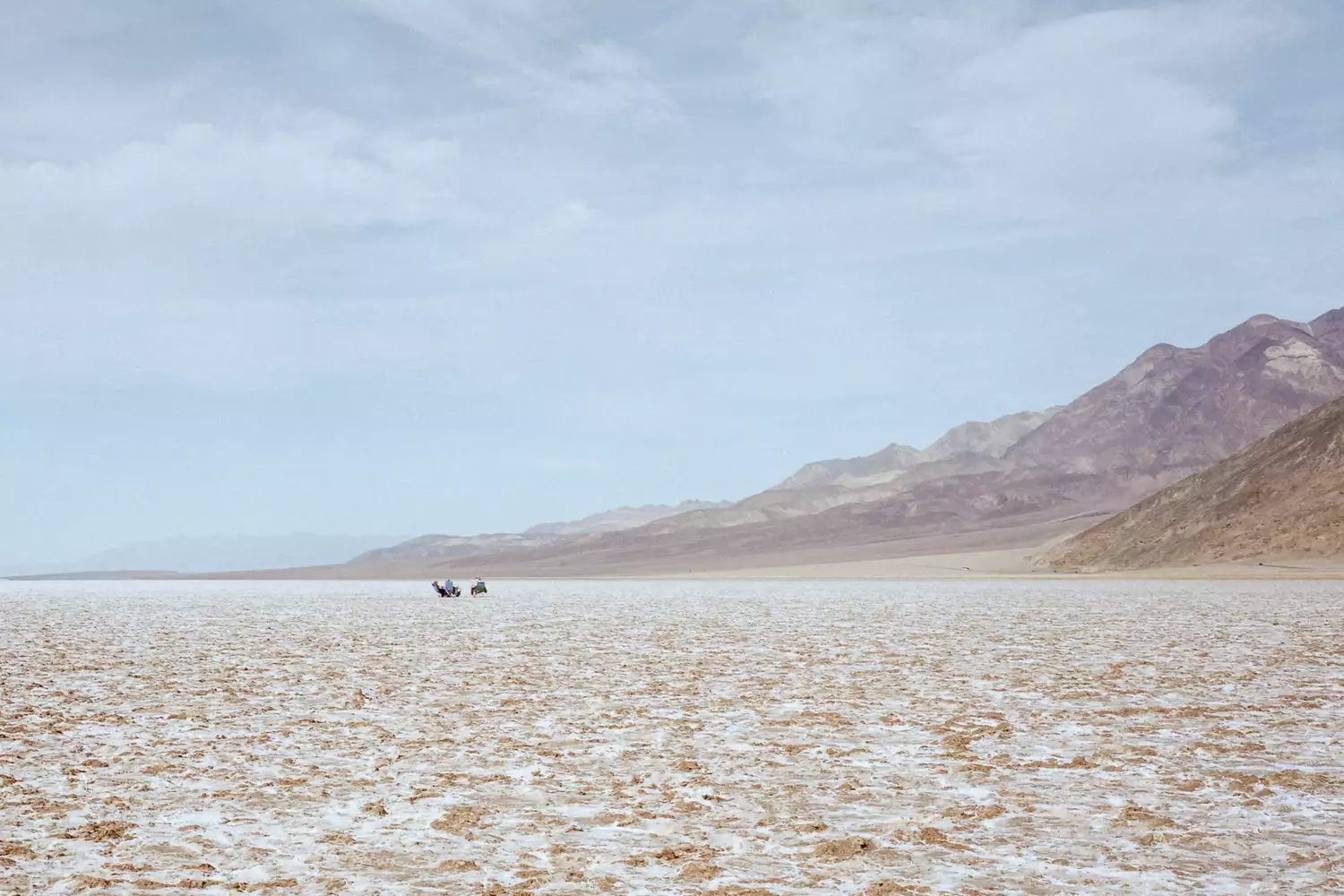
- Hottest Air Temperature: 56.7°C (134°F) recorded at Furnace Creek, Death Valley.
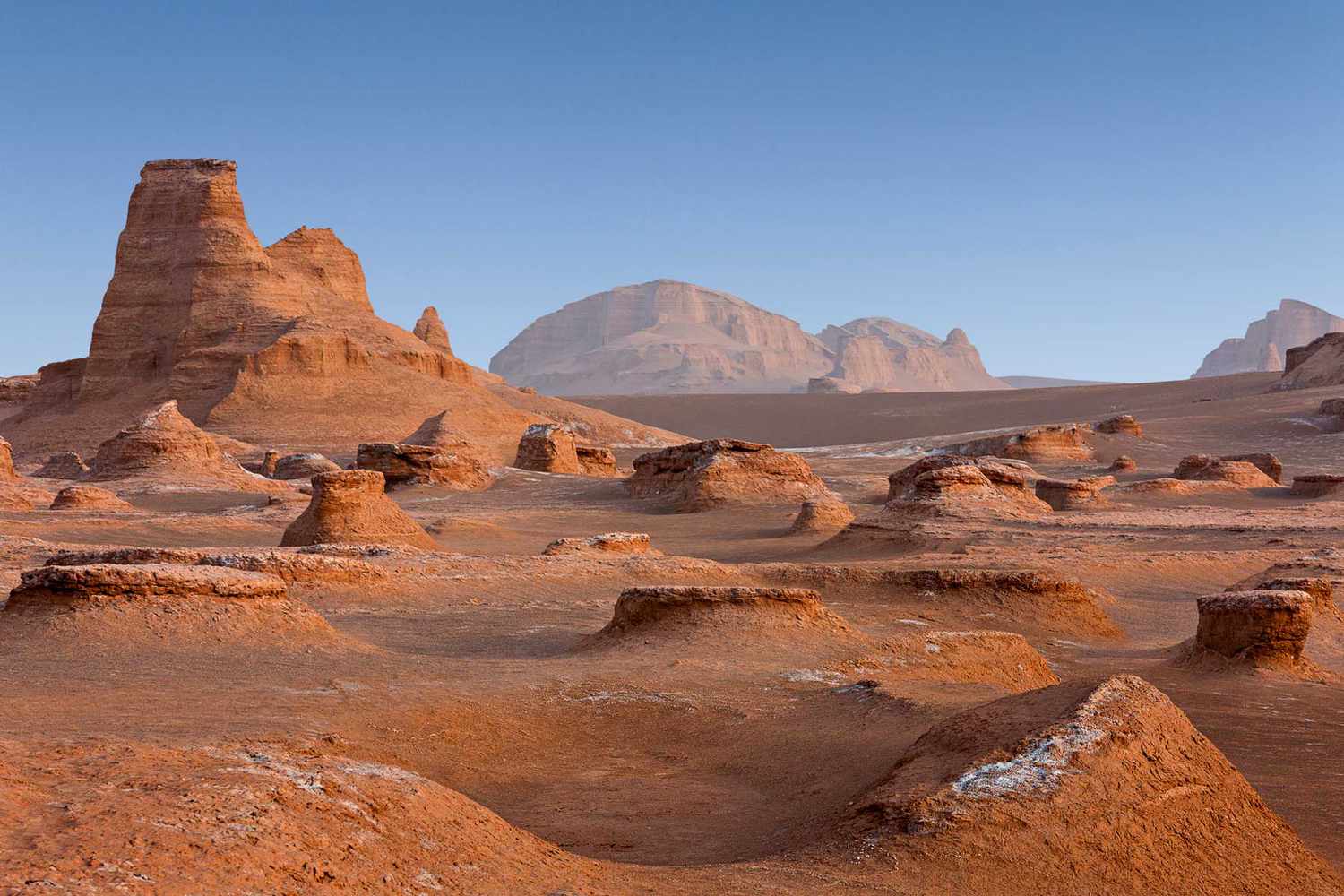
- Hottest Ground Temperature: 80.8°C (177.4°F) measured in the Lut Desert via satellite.
- Deadliest Window: Avoid all outdoor activity between 10 AM and 5 PM in extreme heat zones.
- Essential Gear: UPF 50+ moisture-wicking apparel and high-dosage electrolyte salts are non-negotiable.
- Survival Strategy: Consuming small, frequent sips of water is more effective than occasional large gulps for hydration.
- Best Visit Window: Most extreme deserts are only safely navigable between November and March.
As of June 2026, global temperatures are reaching unprecedented highs. From the record-breaking air of Death Valley to the scorched sands of the Lut Desert, the hottest places on Earth offer both breathtaking beauty and lethal challenges. Death Valley holds the world record for the highest air temperature at 134 degrees Fahrenheit, while Iran's Lut Desert has recorded the highest land surface temperature at 177 degrees Fahrenheit using satellite sensors.
The Physics of Fire: Air vs. Land Surface Temperature
When I’m out in the field, I often tell my team that there are two different suns. One is the one beating down on your hat, and the other is the one radiating off the rocks beneath your boots. Understanding the difference between air and land surface temperatures in deserts is the first step toward not ending up as a statistic.
The air temperature you see on the news is measured about four to six feet off the ground, shielded from direct sunlight. However, the ground you’re walking on—the land skin temperature—is often 30 to 50 degrees hotter. This is due to a lack of vegetation and the presence of low-albedo surfaces like basalt or dark sand that soak up solar radiation. In the Lut Desert, while the air might be a manageable 120 degrees, the ground can hit a blistering 177 degrees. This creates a focused heat node that cooks everything within three feet of the surface.
Satellite-based sensors have changed how we track these extremes. We no longer rely solely on remote weather stations that can fail. NASA’s MODIS sensors have identified areas in the arid biome where the earth literally sizzles, driving home why high-albedo surfaces, like light-colored clothing and tents, are your best friends when the mercury rises.
The 12 Hottest Destinations: A Global Breakdown
I’ve spent the better part of a decade chasing horizons in these oven-like environments. To help you plan (or avoid) these expeditions, I’ve broken down the heavy hitters. Exploring these zones requires strict survival protocols and an understanding of the specific safe travel window for each.
| Location | Peak Air Temp | Peak Ground Temp | Best Month to Visit |
|---|---|---|---|
| Death Valley, USA | 134°F | 201°F | November - March |
| Lut Desert, Iran | 122°F | 177.4°F | December - February |
| Kebili, Tunisia | 131°F | 145°F | October - April |
| Syracuse, Italy | 119.8°F | 135°F | May or September |
| Mitribah, Kuwait | 129°F | 150°F | January |
| Dallol, Ethiopia | 115°F (Avg) | 160°F | November - January |
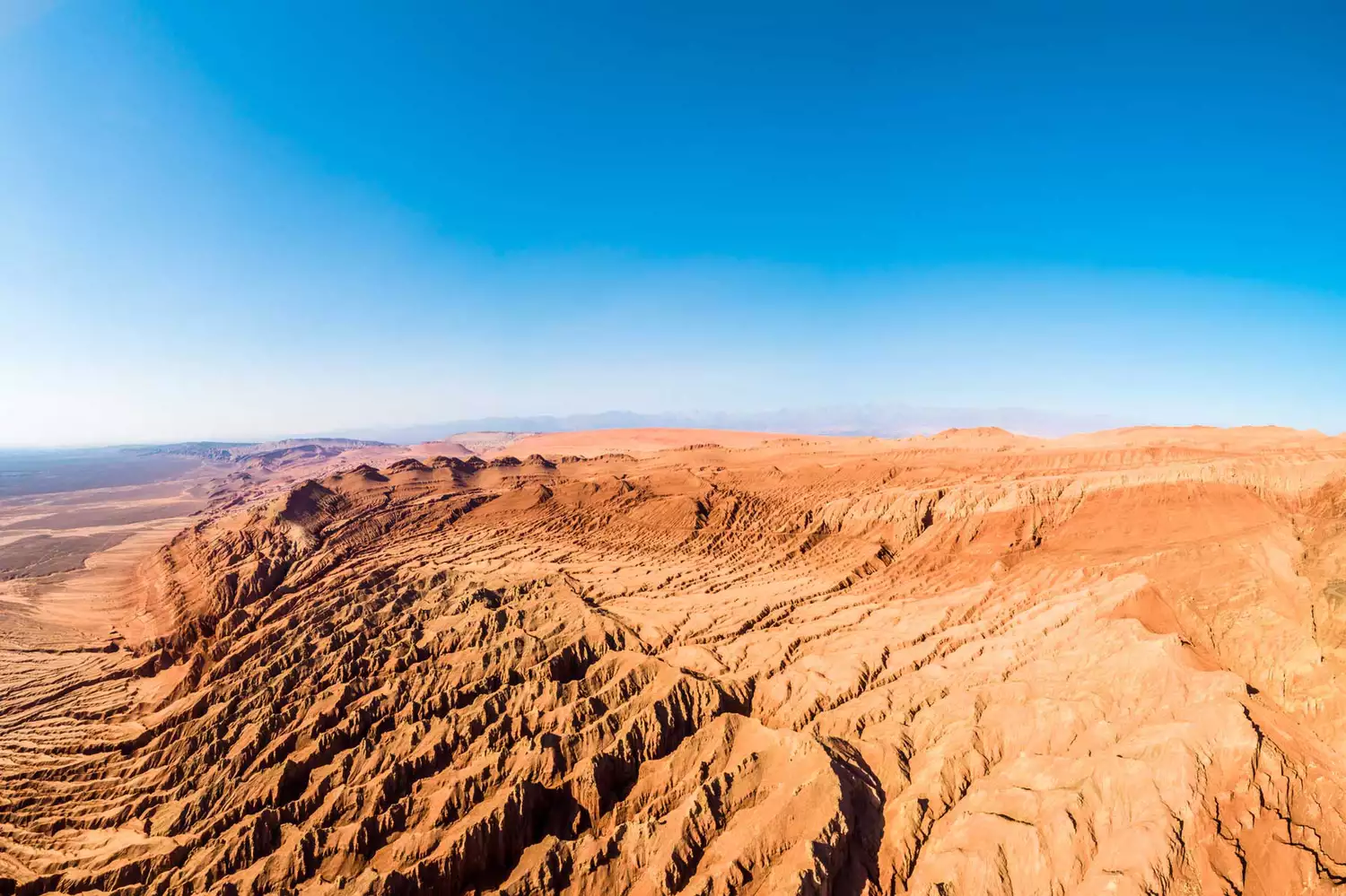
| Flaming Mountains, China | 122°F | 175°F | May - June |
| Tirat Zvi, Israel | 129°F | 140°F | November |
| Oodnadatta, Australia | 123°F | 145°F | June - August |
| Wadi Halfa, Sudan | 127°F | 155°F | December |
| Ahvaz, Iran | 129°F | 150°F | January |
| Turbat, Pakistan | 128°F | 148°F | December |
1. Death Valley, USA
The valley remains the king of the air records. The highest officially registered air temperature on Earth is 56.7 degrees Celsius (134 degrees Fahrenheit), recorded on July 10, 1913, at Furnace Creek Ranch. It isn't just a flash in the pan; in 1917, Death Valley recorded 43 consecutive days where maximum temperatures reached or exceeded 49 degrees Celsius (120 degrees Fahrenheit). If you’re going, the best time of year to visit Death Valley safely is between November and March. Any later, and you're gambling with your life.
2. Lut Desert, Iran (Dasht-e Lut)
This is where the ground itself becomes a hazard. Satellite measurements have documented the world's highest land surface temperature of 80.8 degrees Celsius (177.4 degrees Fahrenheit) here. When visiting the Lut Desert Iran safety requirements include 4WD convoys and satellite phones. There is no water, no shade, and no margin for error.
3. Dallol, Ethiopia
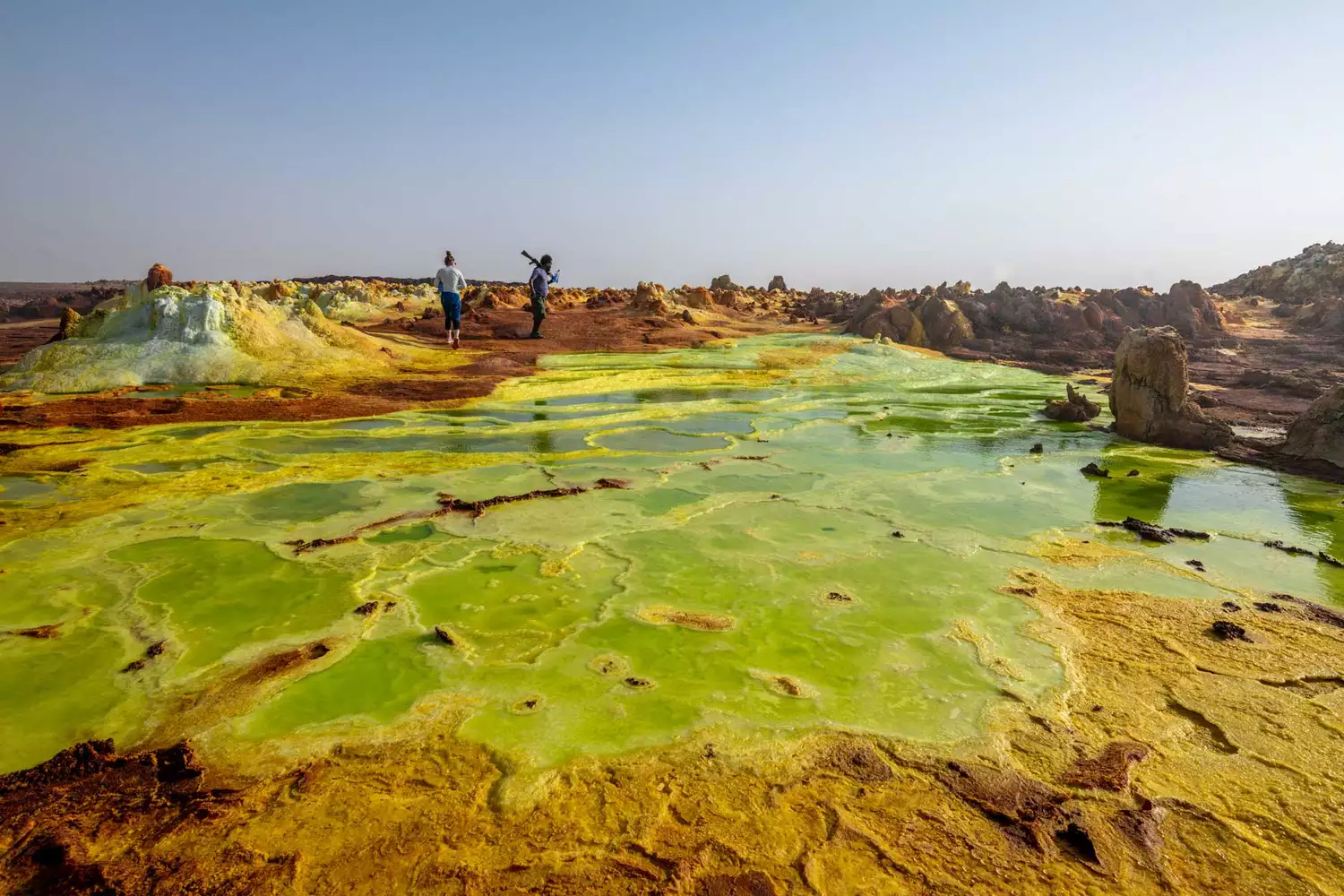
Dallol is unique because it holds the record for the highest average temperature for an inhabited location. It’s a hydrothermal field located in the Danakil Depression, where the average daily high is consistently above 100°F year-round. The air is thick with sulfur, and the colors—yellows, greens, and oranges—are from acidic salt deposits. It is quite literally the most alien place I have ever set foot in.
4. Kebili, Tunisia
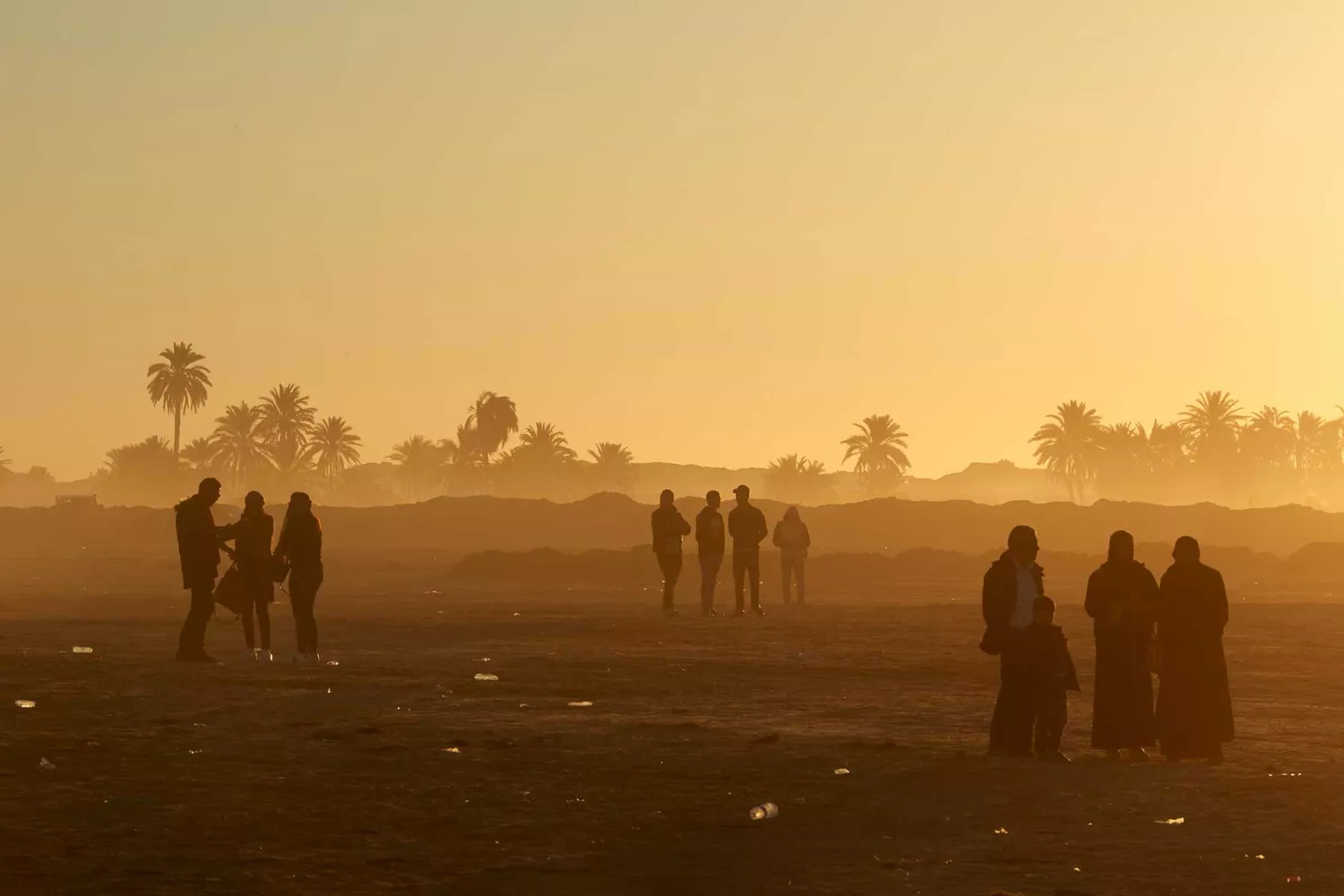
A stunning oasis town that represents the extreme heart of the Sahara. It’s one of the oldest inhabited places in the region, proving that humans can adapt to almost anything. While temperatures here frequently cross the 120°F mark, the local architecture utilizes thermal mass to keep interiors cool.
5. Syracuse, Italy
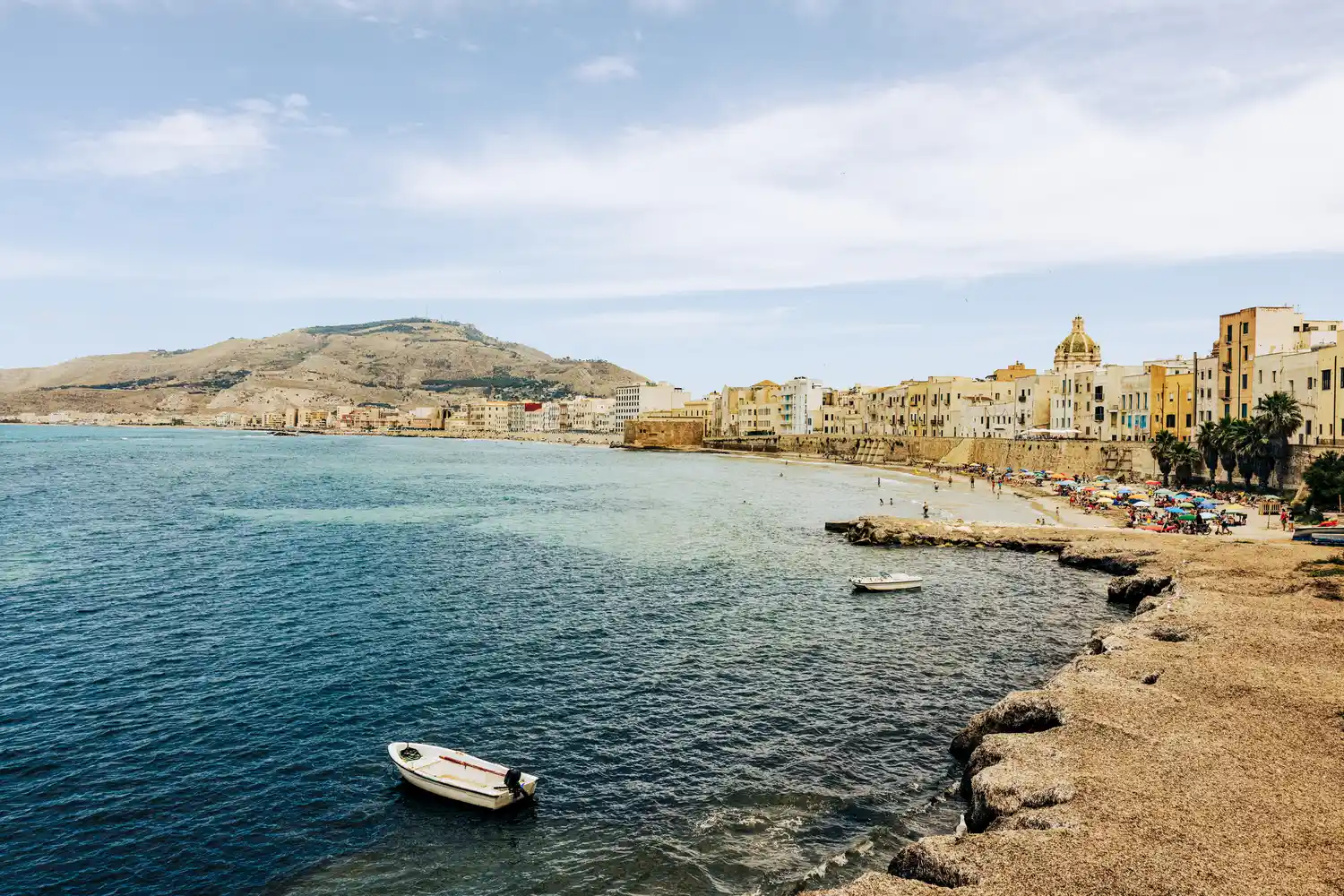
While we often think of deserts, the Mediterranean is catching up. In 2021, Syracuse recorded 119.8°F, the highest temperature in European history. This highlights that extreme heat is no longer confined to the deep desert; it is invading our coastal cities and historical hubs.
Master the Heat: Extreme Survival Protocols
If you're planning an extreme desert travel guide for yourself, you need to think like a survivalist, not a tourist. Heat doesn't just make you tired; it shuts down your organs. Hyperthermia prevention is about managing your body's cooling system—evaporative cooling—and keeping your electrolyte balance in check.
The Gear List
- Clothing: Forget cotton. You need moisture-wicking apparel with at least UPF 50+ protection. I prefer long-sleeved, loose-fitting shirts that allow air to circulate between the fabric and your skin.
- Footwear: Your boots need thick soles to insulate your feet from ground temperatures that can exceed 160°F. Thin-soled running shoes will literally melt their glue.
- Hydration: You need a minimum of one gallon of water per person, per day, just for survival. If you are hiking, double that.
Expert Tip: Never drink ice-cold water in 120-degree heat. It can shock your system and lead to cramping. Drink room-temperature water mixed with high-quality electrolyte salts to replace what you lose through sweat.
Recognizing the Danger Signs
You must be vigilant in recognizing heat stroke symptoms during desert trekking. The first sign isn't usually thirst—it's mental confusion. If you or a partner start stumbling, stop sweating, or become unusually irritable, you are entering the danger zone.
- Stop Immediately: Find or create shade using an emergency tarp.
- Elevate Feet: This helps maintain blood flow to the brain.
- Moisten the Skin: Pour water on the head and neck to simulate sweat and engage evaporative cooling.
- Hydrate Slowly: Do not chug water; take small sips.
Knowing how to stay hydrated in 120 degree heat is about consistency. I set a timer on my watch for every 15 minutes. Even if I don't feel thirsty, I drink. By the time you feel thirsty in the desert, you are already two liters behind.
FAQ
What is the hottest temperature ever recorded on Earth?
The highest air temperature ever recorded is 134°F (56.7°C) at Furnace Creek Ranch in Death Valley, California, occurring on July 10, 1913. While some older records from North Africa were previously cited, the World Meteorological Organization currently recognizes the Death Valley record as the global benchmark.
Where is the hottest place on Earth currently?
The title fluctuates depending on whether you measure air or ground temperature. Currently, locations in Kuwait and Iran often see the highest daily air temperatures, while the Lut Desert in Iran consistently holds the record for the highest land surface temperature on the planet.
Is Death Valley hotter than the Lut Desert?
It depends on how you measure it. Death Valley typically holds the record for the highest air temperature measured by standard weather stations. However, the Lut Desert is "hotter" in terms of raw land surface heat, with the ground reaching temperatures as high as 177.4°F, which is much higher than any ground temperature measured in Death Valley.
What are the top 10 hottest places in the world?
The top hottest places on Earth include Death Valley (USA), Lut Desert (Iran), Kebili (Tunisia), Mitribah (Kuwait), Dallol (Ethiopia), Syracuse (Italy), Ahvaz (Iran), Turbat (Pakistan), Tirat Zvi (Israel), and Wadi Halfa (Sudan). These locations are chosen based on a mix of all-time records and consistent average heat levels.
What is the difference between land surface temperature and air temperature?
Air temperature is the temperature of the air approximately 1.5 to 2 meters above the ground, shielded from direct sun. Land surface temperature is the temperature of the actual skin of the Earth—the rocks, sand, and soil. Because the ground absorbs direct solar radiation, the land surface temperature is almost always significantly higher than the air temperature.
How do people live in the hottest places on Earth?
Inhabitants of places like Kebili or Ahvaz adapt through architectural choices, such as thick stone walls and underground living spaces, and cultural shifts, such as conducting business in the early morning or late evening. They also prioritize diets that help with hydration and use acclimatization protocols passed down through generations.