Quick Facts
- Top Remote Pick: Oregon Outback International Dark Sky Sanctuary
- Top Photography Hub: Bryce Canyon National Park
- Best for Families: Great Basin National Park
- Peak Season: April to September for Milky Way visibility
- Key Setting: Plan your visit during a New Moon for maximum darkness
- 2026 Trend: Stargazing camping with minimal light pollution
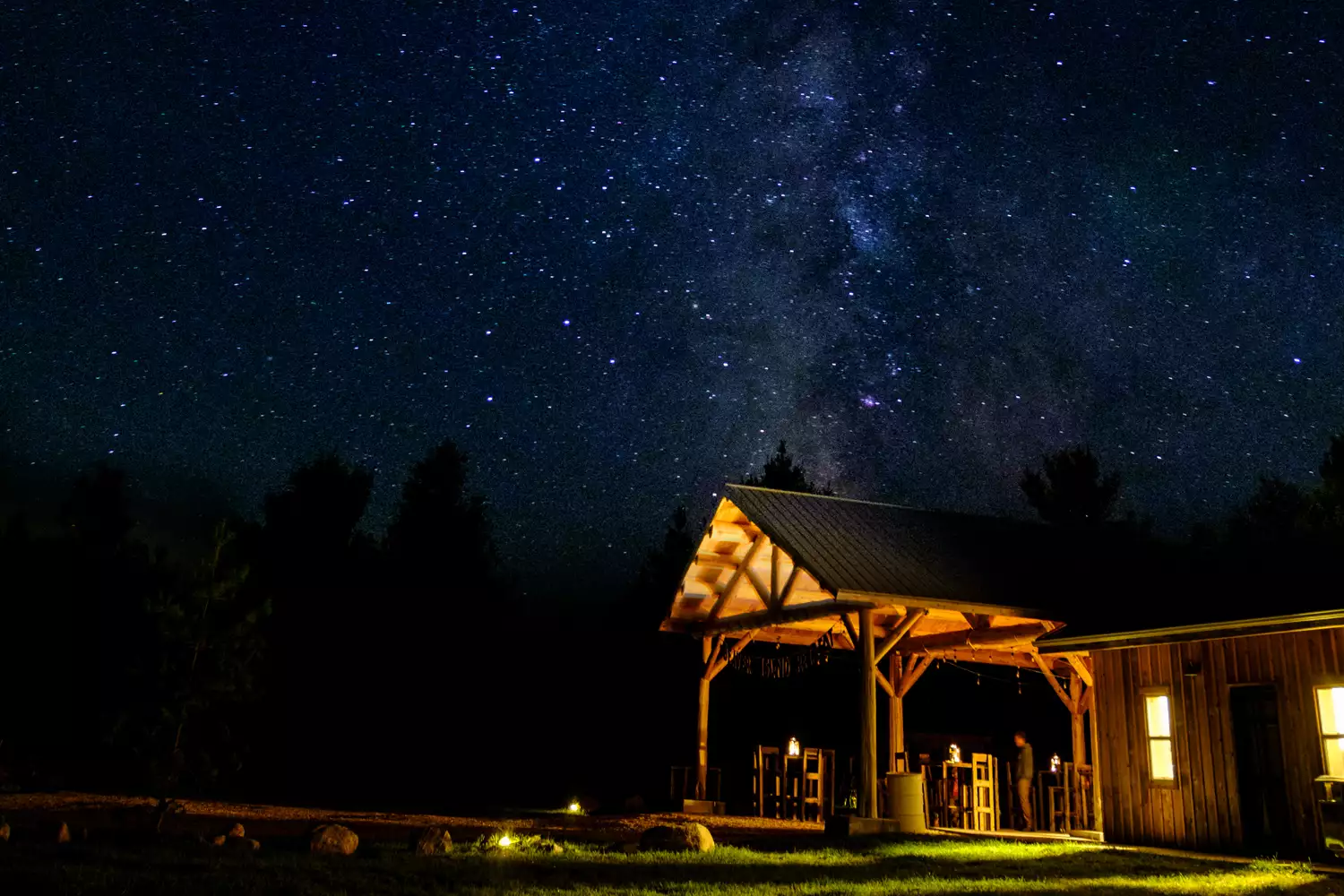
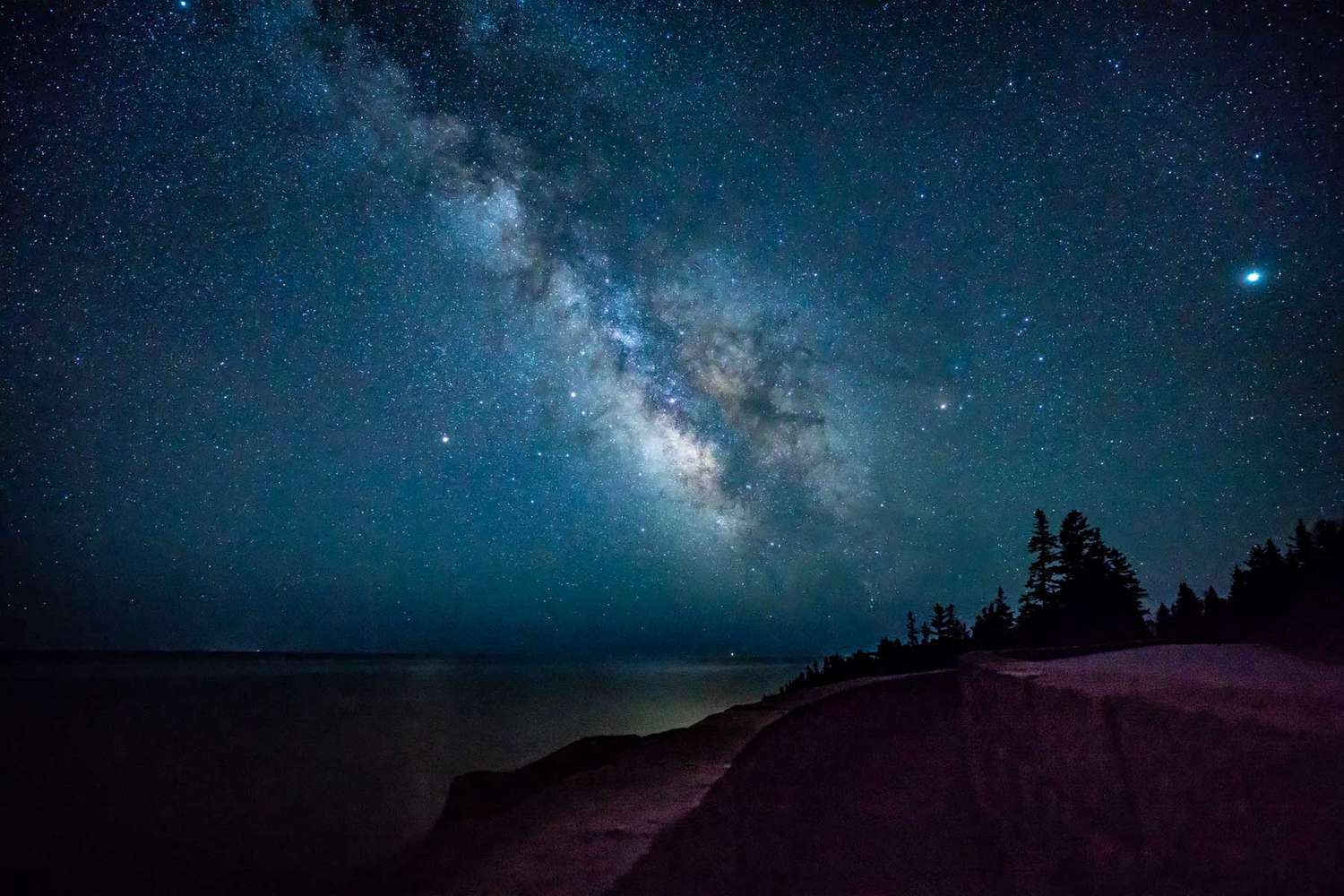
The best dark sky parks for seeing the Milky Way include Big Bend National Park, Bryce Canyon, and Great Basin National Park. These locations are recognized by DarkSky International for their minimal light pollution and exceptional night sky quality.
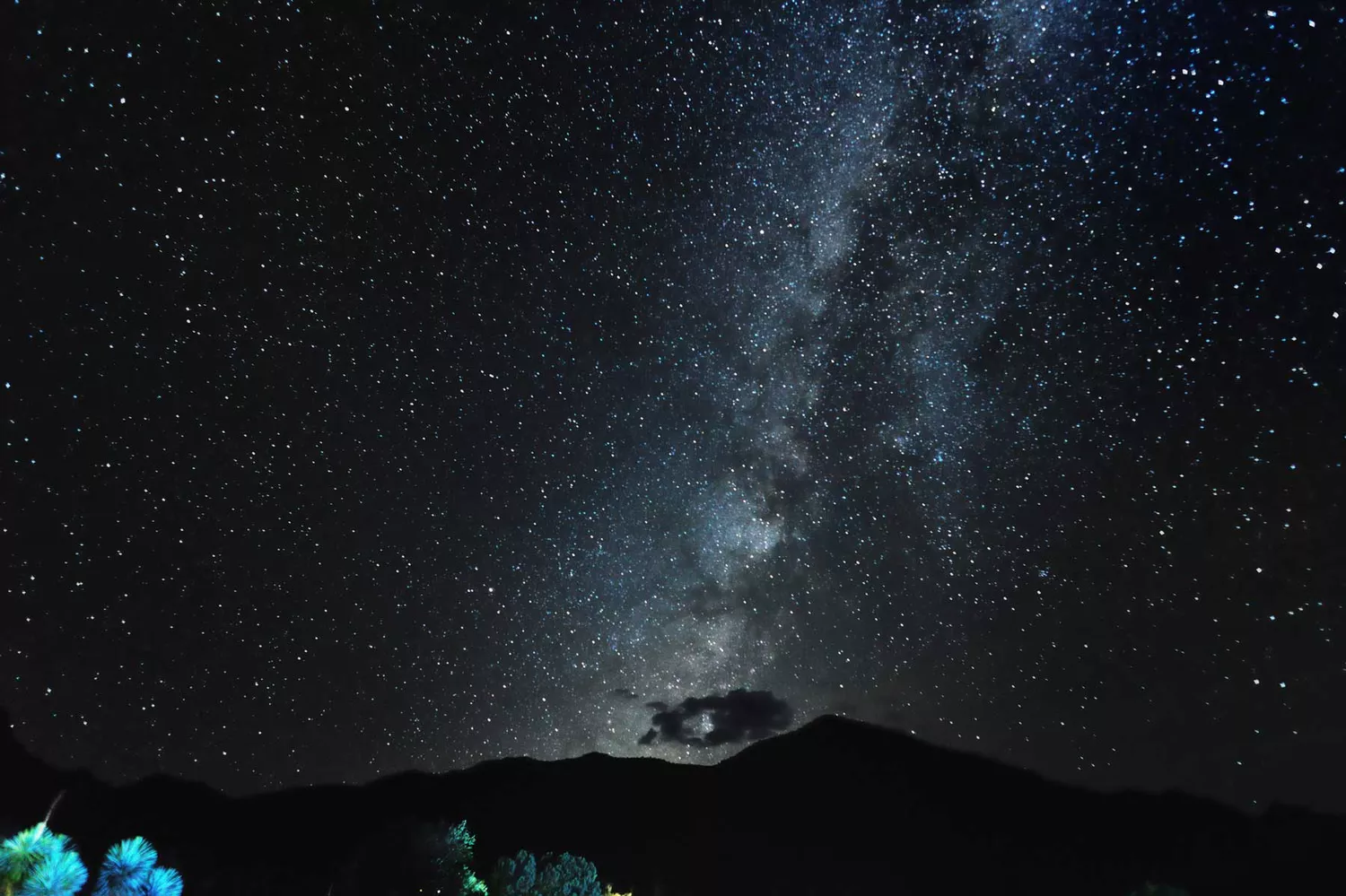
As light pollution increases by 10% annually, finding the best dark sky parks is essential for experiencing the cosmic beauty of the Milky Way. This stargazing travel guide explores the top international dark sky places recognized by DarkSky International. According to the New World Atlas of Artificial Night Sky Brightness, approximately 80% of North Americans and one-third of the global population cannot see the Milky Way due to light pollution. For the visual storyteller, these protected landscapes offer a rare glimpse into a velvety blackness that once defined the human experience. As an editor and photographer, I have spent years chasing the galactic core, and I can tell you that the right location changes everything from your shutter speed to your perspective on the universe.
The Stargazer’s Code: Knowing Before You Go
Before you pack your tripod, it is vital to understand what makes these locations unique. Not all dark skies are the same. International dark sky places are categorized to help travelers choose the experience that suits their adventure level. When looking for where to see the milky way, you will encounter parks, reserves, and sanctuaries.
The primary tool used to measure darkness is the Bortle scale. This scale ranges from 9 (inner-city sky) to 1 (pristine darkness). Most of the locations in this guide fall into Bortle Class 1 or 2, where the Milky Way is so bright it can actually cast a faint shadow on the ground.
A major part of the code is respecting nocturnal wildlife. Many animals rely on natural light cycles for survival. When visiting, always use red light flashlights. White light instantly destroys your night vision—which takes 20 to 30 minutes to fully recover—and disrupts the behavior of local fauna. This simple piece of etiquette is the difference between an amateur and a seasoned explorer.
| Designation | Population Density | Best Prepared For | Night Sky Quality |
|---|---|---|---|
| Dark Sky Park | Low (Tourists) | Families & Education | Exceptional visibility |
| Dark Sky Sanctuary | Very Low (Remote) | Purists & Photographers | Pristine, fragile darkness |
| Dark Sky Community | Residents | Comfort & Amenities | Controlled light pollution |
The Remote Giants: International Dark Sky Sanctuaries
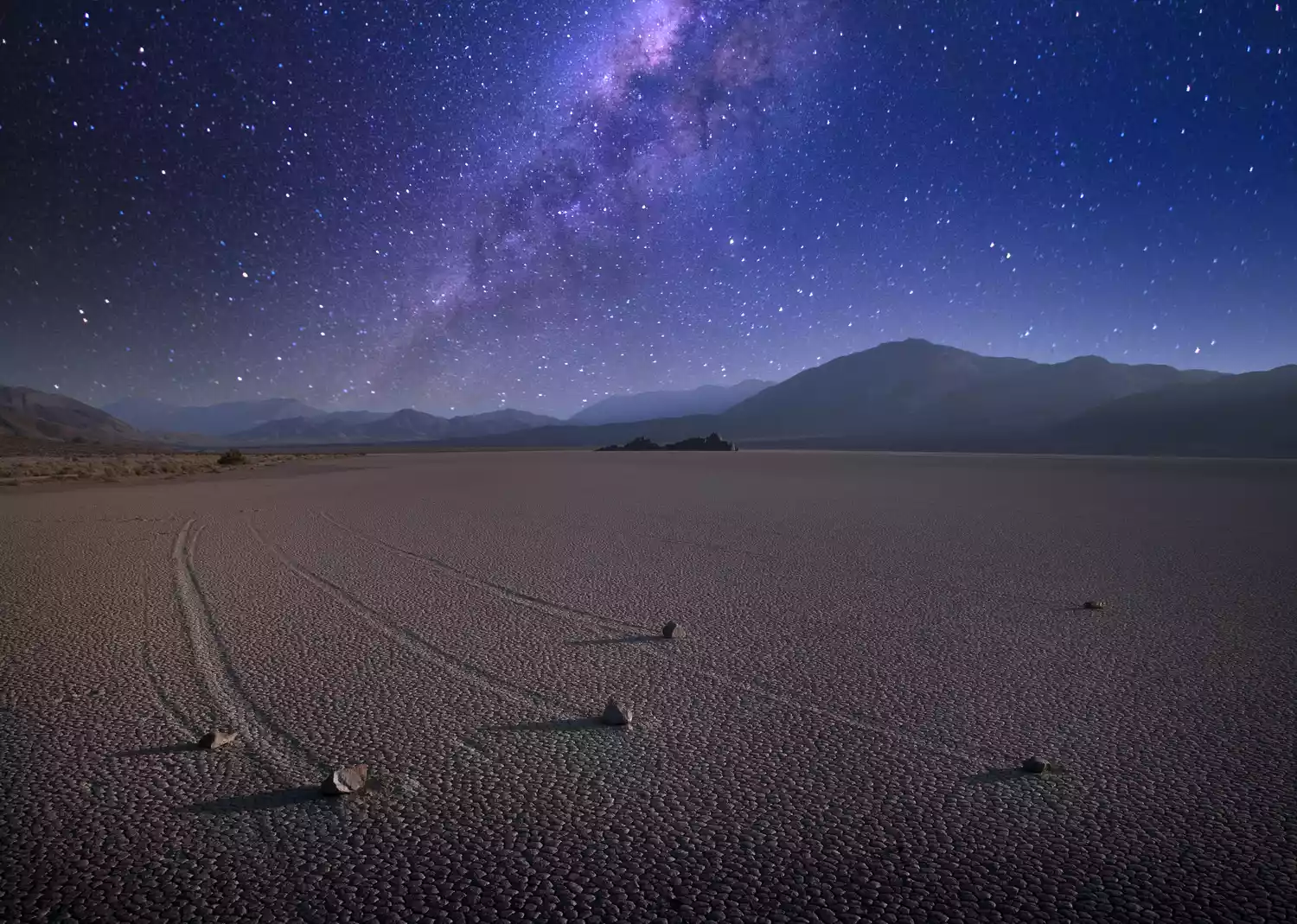
For the minimalist, international dark sky sanctuaries offer the ultimate escape. These are typically the most remote areas on the planet, preserved specifically for their fragile and extremely dark environments. If you are looking for how to find the darkest places for astrophotography in the us, sanctuaries are your answer.
The Oregon Outback International Dark Sky Sanctuary is a prime example. As the largest sanctuary in the world, it covers millions of acres of high-desert terrain. There is virtually no cell service and very few inhabitants, meaning sky glow is non-existent. Camping in dark sky parks with minimal light pollution requires self-sufficiency, but the reward is a Bortle Class 1 sky that looks like polished diamonds spilled across black silk.
Another gem is Cosmic Campground in New Mexico. This site was the first sanctuary designated in North America. It features concrete observing pads specifically for telescopes, making it a "bucket-list" destination for deep-sky objects enthusiasts. Remember to bring physical star charts, as your phone screen—even on the lowest setting—can be a distraction in such profound darkness.
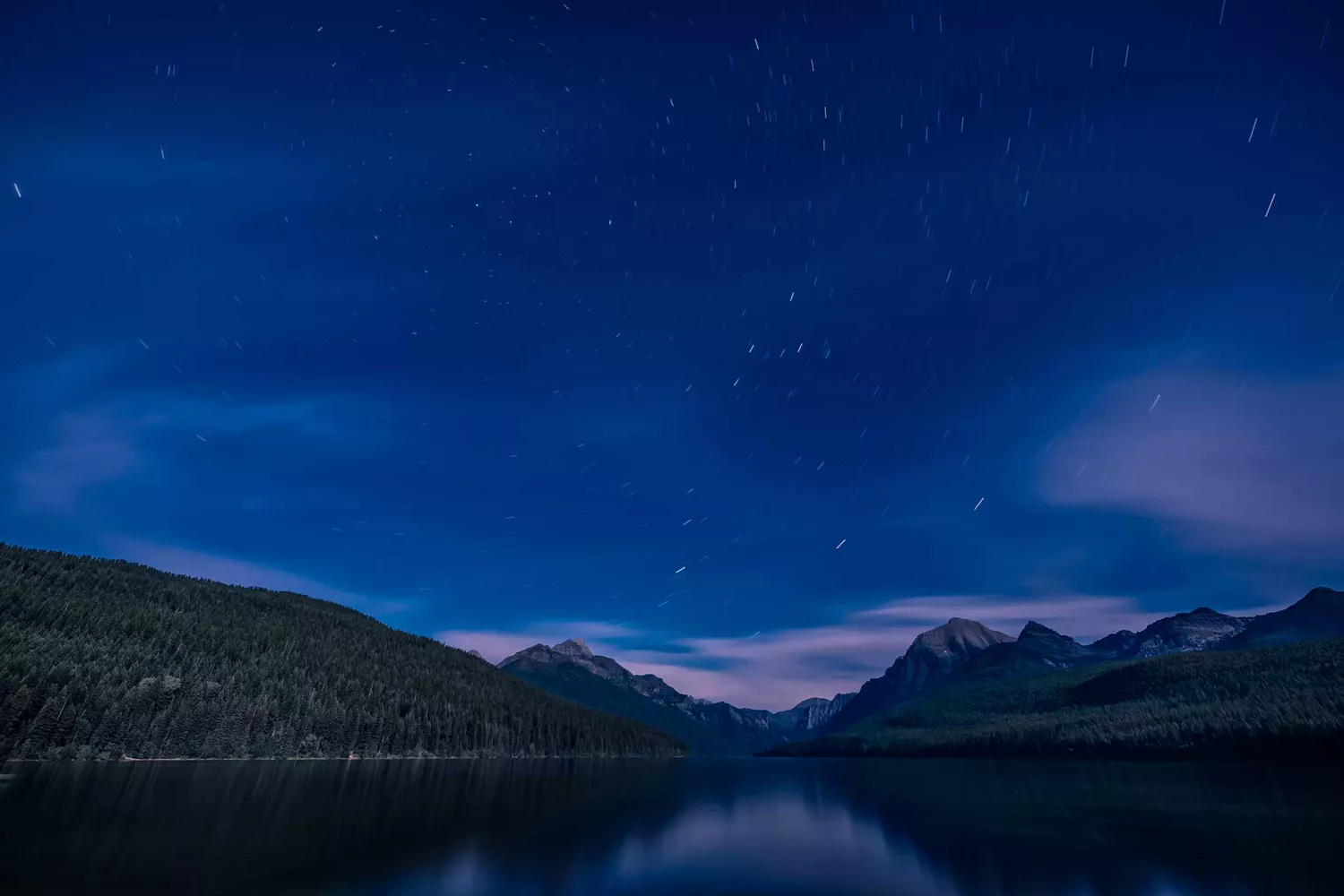
The Icons: Milky Way Over Iconic Landmarks
The following 13 locations represent the gold standard for those seeking incredible stargazing and photography opportunities. Many of these sites offer rangerled astronomy programs and festivals that bridge the gap between science and scenery.
-
Big Bend National Park, Texas Elevation: 1,800 to 7,800 ft | Bortle Scale: 1 Located on the border of Mexico, Big Bend is often cited as having the darkest skies in the lower 48 states. The vastness of the Chisos Mountains provides a dramatic silhouette against the rising galactic core.
-
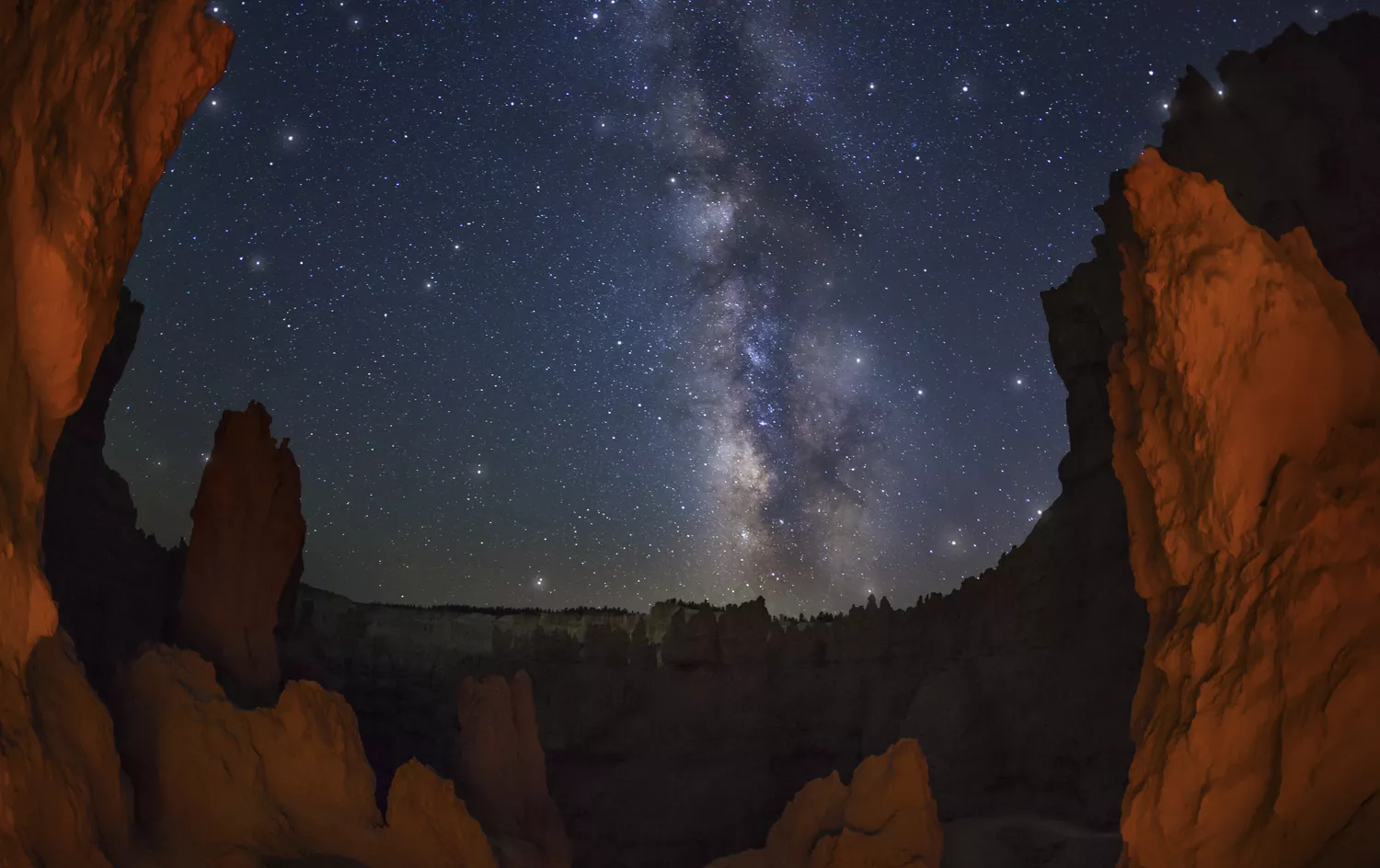
Bryce Canyon National Park, Utah Elevation: 7,600 to 9,100 ft | Bortle Scale: 2 The high altitude ensures a thinner atmosphere and clearer views. The annual Bryce Canyon Astronomy Festival is a highlight for visitors, offering access to professional-grade telescopes and guided tours of the constellations.
-
Great Basin National Park, Nevada Elevation: 6,800 to 13,000 ft | Bortle Scale: 1 Known for its ancient bristlecone pines, this park offers a unique foreground for photographers. It is one of the quietest parks in the system, perfect for a contemplative stargazing travel guide experience.
-
Arches National Park, Utah Elevation: 4,000 to 5,600 ft | Bortle Scale: 2 Framing the Milky Way through Delicate Arch is a rite of passage for visual editors. The red sandstone provides a warm contrast to the cool tones of the cosmic dust clouds.
-
Canyonlands National Park, Utah Elevation: 3,700 to 7,100 ft | Bortle Scale: 2 Mesa Arch is the primary photography landmark here. While most people visit at sunrise, the "arch as a window" composition works beautifully for midnight captures.
-
Death Valley National Park, California Elevation: -282 to 9,000 ft | Bortle Scale: 1 Despite its name, the park is full of life at night. The salt flats of Badwater Basin provide a reflective surface that can double the intensity of the stars in your frame.
-
Joshua Tree National Park, California Elevation: 2,000 to 5,000 ft | Bortle Scale: 2-3 Being closer to Los Angeles, it faces more sky glow than Big Bend, but the iconic Joshua trees make for world-class silhouettes. Arch Rock is the go-to spot for night photography.
-
Cherry Springs State Park, Pennsylvania Elevation: 2,300 ft | Bortle Scale: 2 This is the premier spot for stargazing on the East Coast. It features a dedicated Astronomy Observation Field with a 360-degree view of the horizon.
-
Black Canyon of the Gunnison, Colorado Elevation: 8,000 ft | Bortle Scale: 2 The vertical granite walls create a narrow corridor of sky, perfect for long-exposure star trails that seem to drop straight into the abyss.
-
Petrified Forest National Park, Arizona Elevation: 5,400 ft | Bortle Scale: 2 This park leans heavily into archaeoastronomy, showing how ancient civilizations tracked the heavens. The painted desert colors transition into deep purples at dusk.
-
Natural Bridges National Monument, Utah Elevation: 6,500 ft | Bortle Scale: 2 This was the world’s first certified International Dark Sky Park. The Owachomo Bridge creates a natural frame for the heavens, making it a historical site for the dark sky movement.
-
Oregon Outback Sanctuary, Oregon Elevation: 4,300 ft | Bortle Scale: 1 This is the place to see the milky way in its most raw form. With almost zero human intervention for miles, the naked-eye visibility of the Andromeda Galaxy is staggering.
-
Buffalo National River, Arkansas Elevation: 500 to 2,000 ft | Bortle Scale: 2 As the first National River to receive the designation, it offers the rare opportunity to see the stars reflected in moving water, adding a dynamic element to your visual storytelling.
Specialized Gear for Your Cosmic Road Trip
When preparing for tips for visiting dark sky parks for the first time, your gear list should prioritize comfort and vision preservation. Even in summer, high-altitude environments like Great Basin can drop to freezing temperatures at night. Warm layers are mandatory.
For your "viewing" gear, fancy telescopes aren't always necessary. A pair of 10x50 binoculars can reveal star clusters and nebulae hidden to the naked eye. If you are a photographer, a fast wide-angle lens (f/2.8 or wider) is essential for capturing the expansive scale of the cosmic tapestry.
Essential gear for stargazing in international dark sky sanctuaries includes:
- Red light flashlights: These allow you to adjust your camera settings or navigate trails without ruining your night vision.
- Star charts or apps: Use apps like SkyGuide (remember the "night mode" red filter) to identify deep-sky objects and planets.
- Sturdy Tripod: Essential for the long exposures (15-30 seconds) required to pull color out of the night sky.
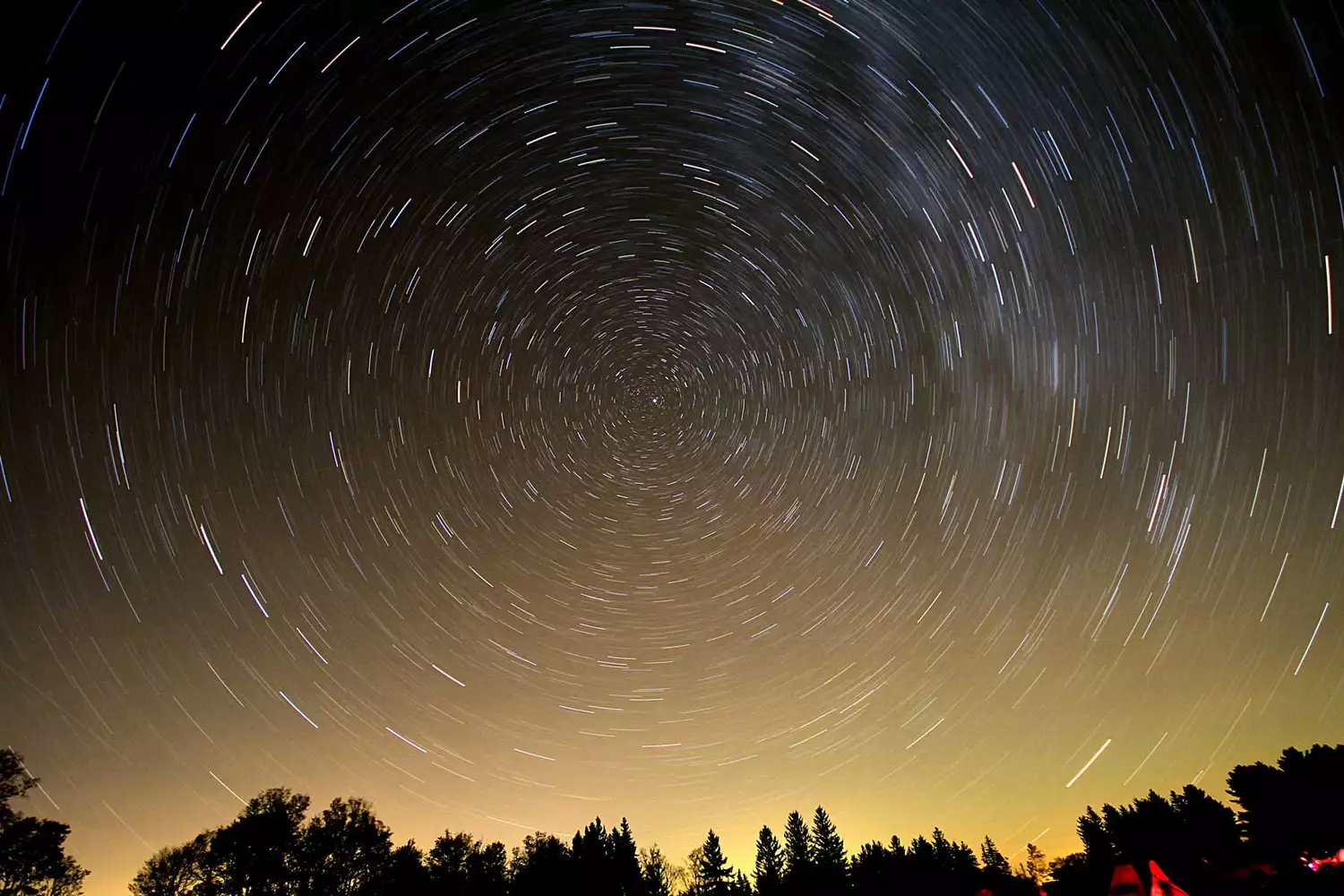
- Intervalometer: To capture star trails or meteor showers without touching the camera and causing shake.
Timing is the final piece of the puzzle. The best months for milky way viewing in dark sky parks are generally between April and September when the galactic core is visible in the Northern Hemisphere. Always plan around the New Moon; a Full Moon is essentially nature’s light bulb and will wash out all but the brightest stars.
FAQ
What makes a park a certified dark sky park?
A certified park must undergo a rigorous application process with DarkSky International. This involves monitoring light levels using the Bortle scale, implementing strict lighting ordinances to minimize sky glow, and providing educational programs to the public about the importance of dark skies. Public and private lands must demonstrate exceptional starry nights and a commitment to preserving the nocturnal environment.
Where are the best places to see the Milky Way?
The most vivid views are found in remote, high-altitude locations with low humidity. Big Bend National Park, the Oregon Outback Sanctuary, and the remote deserts of Utah (like Arches and Canyonlands) are widely considered the gold standard. These locations offer the atmospheric clarity needed to see the intricate details and dust lanes of the Milky Way core.
Is a dark sky park the same as a dark sky reserve?
Not exactly. While both are international dark sky places, a park is typically a protected public or private land (like a National Park). A reserve consists of a dark "core" zone surrounded by a populated "buffer" zone where local communities agree to manage their lighting to protect the core's darkness.
What is the best time of year to visit a dark sky park?
For seeing the Milky Way core, the "Milky Way Season" runs from late March to early October in the Northern Hemisphere. For those hoping to catch the aurora borealis in northern dark sky parks, the winter months offer longer nights and better chances of sighting the lights during high solar activity.
Do you need a telescope for a dark sky park?
No, one of the greatest joys of a Bortle 1 or 2 sky is naked-eye visibility. However, bringing binoculars or a basic telescope can enhance the experience by revealing Jovian moons, Saturn's rings, and distant galaxies that look like faint smudges to the unaided eye.
What should I bring to a dark sky park?
Pack red light flashlights, warm clothing (even in the desert), a comfortable reclining chair to avoid neck strain, and a star chart. If you are camping in dark sky parks with minimal light pollution, ensure you have plenty of water and food, as many of these sites are hours away from the nearest town.