Quick Facts
- Top Neighborhoods: Monti for ruins and trendy vibes, Parione for prestige near Piazza Navona, and Campo Marzio for high-end shopping.
- Architectural Markers: Renaissance features like 16th-century coffered ceilings, exposed timber beams, and authentic terrazzo flooring.
- Price Range: Expect to pay between €800 and €2,000+ per night for premium historic Rome penthouses.
- Outdoor Spaces: Look for a terrace altana, a traditional wooden roof terrace, for the best private views of the city.
- Logistical Reality: Heritage preservation means some buildings have limited elevator access or stairs within the apartment.
- Modern Amenities: Rehabilitated 16th-century Roman apartments with original frescoes now often include integrated AC and rain showers.
16th-century Roman lofts typically feature architectural elements from the Renaissance and Baroque periods, such as coffered ceilings, exposed timber beams, and original frescoes. Many of these properties undergo adaptive reuse, integrating modern climate control and contemporary Italian craftsmanship into noble palazzos. Common floor plans include mezzanine levels and spacious attics with views of the Centro Storico or the Roman Forum.
Rome’s 16th-century skyline isn't just for sightseeing; it's for living. From the high ceilings of noble palazzos to the intimate corners of the Centro Storico, staying in historic Rome penthouses offers a rare intersection of Renaissance grandeur and modern luxury. Whether you are seeking premium historical stays in Monti or romantic attic lofts, these rehabilitated spaces provide a vertical lifestyle above the cobblestones of the eternal city. Here is how to navigate the best 16th-century Roman holiday apartments for your 2026 stay.
The Renaissance Shell: Architecture and Materiality
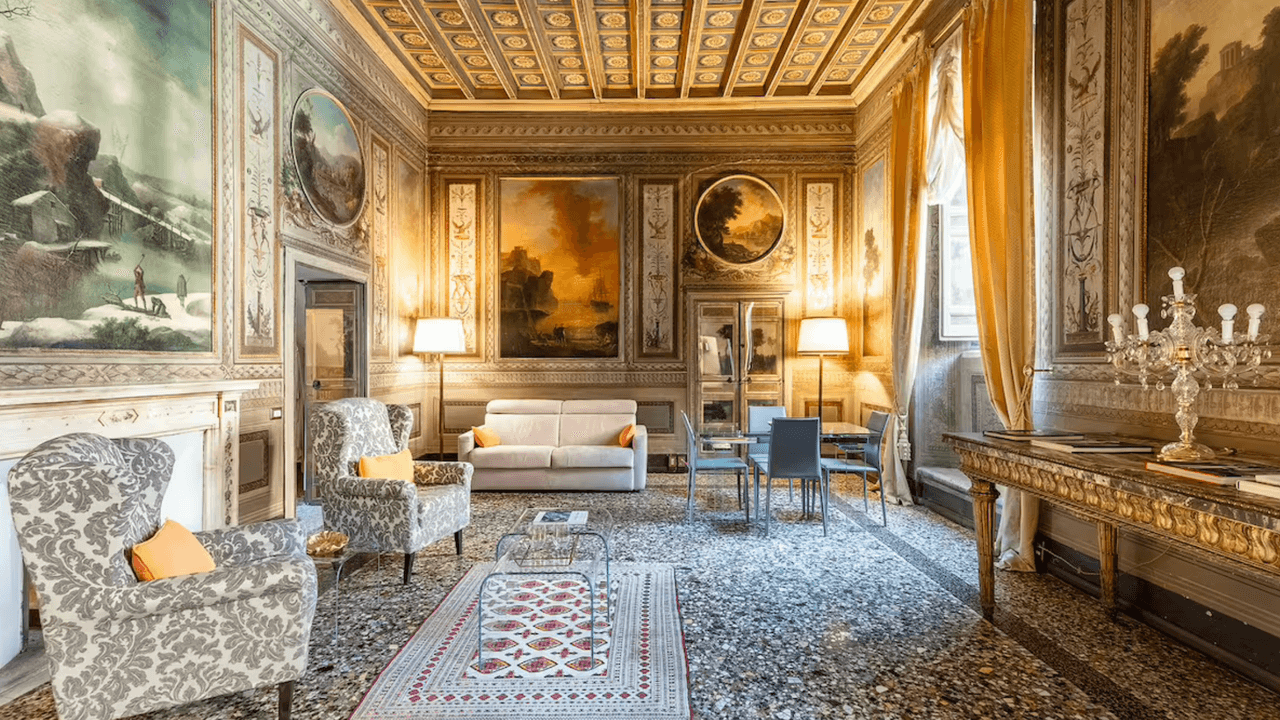
Stepping into a 16th-century loft is a dive into the materiality of the past. The Roman Renaissance wasn't just about art; it was about a specific way of building that prioritized height, light, and enduring strength. When we look at luxury lofts in historic Rome, we see a beautiful tension between the rough-hewn and the refined. Imagine running your hand over a 500-year-old wall where the original frescoes have been meticulously uncovered, only to turn and see a sleek, modern kitchen crafted from honed travertine.
The floor plans of these homes often reflect their history as part of noble palazzos. These were once the grand residences of Roman aristocrats, and the architecture bears the marks of that status. You will often find:
- Coffered Ceilings: Symmetrical wooden grids, often hand-painted or carved, that give a room an immediate sense of weight and history.
- Mezzanine Levels: These intermediate floors were historically used for storage or staff but now serve as cozy sleeping lofts or reading nooks.
- Terrazzo Flooring: A composite material made of marble or granite chips that feels cool underfoot and shines with a timeless patina.
In many rehabilitated 16th-century Roman apartments with original frescoes, the goal of adaptive reuse is to preserve the historical integrity while adding the softness expected by modern travelers. This is why you will see heavy exposed timber beams paired with floor-to-ceiling velvet curtains, or old-world stone fireplaces functioning alongside high-speed Wi-Fi and climate control systems.
The 'Antique Reality Check': Logistics and Comfort
Living like a Renaissance noble comes with a few modern-day quirks. In Rome, the more historic the building, the more complicated the logistics can be. One of the most important things to check is accessibility. Because of strict heritage preservation laws in the Centro Storico, installing a modern elevator is often an architectural puzzle. It is not uncommon to find historic Rome penthouses with elevator and modern accessibility where the lift was added long after the building was finished.
What does this mean for you? Sometimes the elevator is small—fitting only two people and a suitcase—or it stops between floors, meaning you will still need to walk up half a flight of stairs. If you have mobility concerns, specifically look for properties marketed as best 16th-century Roman penthouse stays for summer heat because these usually have the most updated electrical and cooling systems.
The Logistical Reality Box
- Water Pressure: In buildings dating back to 1580, water pressure can be a bit more "gentle" than in a modern skyscraper. Many luxury lofts now use booster pumps to ensure a proper rainfall shower experience.
- Climate Control: While thick stone walls keep things cool in the spring, the Roman summer is unforgiving. Always confirm that your 16th-century Roman holiday apartments have modern, silent AC.
- Terminology: An "attico" is a penthouse on the top floor. A "super-attico" is a smaller, often more private structure built on a level above the main terrace.
District Spotlight: From Monti to Parione
Choosing where to stay is about matching the neighborhood’s "persona" to your own. Every district in Rome offers a different view of the city’s 16th-century legacy.
Monti: The Bohemian Aristocrat
Monti is one of our favorite recommendations for those who want a blend of ruins and high-end street culture. Many premium historical stays in Monti are located in what were once humble artisan workshops or the outer wings of larger estates. Today, they are luxury lofts in Monti with views of the Roman Forum. Walking through Monti feels residential and intimate, yet you are only minutes away from the massive scale of the Colosseum.
Parione: The Heart of the City
If you want to be where the heartbeat of the Renaissance is loudest, Parione is the place. This district surrounds Piazza Navona and contains some of the most prestigious noble palazzos in the city. Luxury historical apartments in Rome's Parione district often feature the most dramatic architectural scale—think four-meter-high ceilings and views that overlook the domes of Borromini.
10-Minute Walk Landmark Index
| District | Primary Vibe | Key Landmark Within 10 Mins |
|---|---|---|
| Monti | Trendy, Creative | The Colosseum & Forum |
| Parione | Grandoise, Classic | Piazza Navona |
| Campo Marzio | Chic, Cinematic | The Pantheon & Spanish Steps |
The Altana: The Ultimate Roman Sanctuary
The true mark of a historic Rome penthouse is the terrace altana. This is a specific type of covered wooden roof terrace that became popular in the late 16th century. the altana at Palazzo Altemps, designed in the late 16th century by Martino Longhi the Elder, is considered the oldest private roof-terrace or belvedere of its kind in Rome.
These structures were originally designed to catch the breeze during the humid Roman months. Today, they are the ultimate luxury. Penthouses in Rome historic center with private balcony views or full-scale altanas offer a quiet retreat above the busy cobbled streets. There is nothing quite like sitting on a terrace, surrounded by terracotta pots of jasmine and rosemary, while the bells of the neighboring churches chime in unison. It turns a standard holiday into a sensory experience you won’t soon forget.
For couples, we often recommend searching for romantic 16th-century attic lofts in Rome for couples that feature these small, private outdoor pockets. For those who want more space, larger penthouses often wrap around a central terrace, providing outdoor access from every room.
Choosing Your Penthouse Persona
Are you an "Artist in an Attic" or a "Noble in a Suite"? How you want to feel when you wake up in Rome should guide your choice of property.
The Artist's Attic style is characterized by bohemian charm. You’ll find exposed timber beams and slanted ceilings that create cozy, triangular spaces. These lofts often use the mezzanine levels for beds, leaving the main floor as an open, airy living and studio space. These are ideal for those who prioritize charm and character over formal grandeur.
On the other hand, the Nobleman's Suite is all about the "Piano Nobile" experience. These are spacious 16th-century lofts in historic Rome for families or groups that need multiple rooms and huge common areas. In these homes, the scale is the luxury. You’ll find massive doors, marble entryways, and 16th-century Roman holiday apartments that feel more like a museum than a rental.
We suggests checking for properties that provide a dedicated concierge service. In a city like Rome, having someone who can book a private tour of the Vatican at 6:00 AM or find the best plate of carbonara that tourists don't know about is the final touch of luxury that makes your stay seamless.
FAQ
What are the best neighborhoods for historic penthouses in Rome?
The most sought-after districts are Monti, Parione, and Campo Marzio. Monti offers a mix of ancient ruins and trendy local life, while Parione puts you near Piazza Navona and the Pantheon. Campo Marzio is ideal if you want to be near the high-end boutiques of Via Condotti and the Spanish Steps.
How much does a luxury penthouse in Rome cost?
For a premium stay in a well-maintained 16th-century building, prices typically range from €800 to over €2,000 per night. Prices fluctuate based on the size of the terrace, the presence of original frescoes, and how recently the interior was renovated with modern amenities.
What is the difference between an 'attico' and a 'super-attico' in Italy?
An attico refers to the top floor of a building, usually featuring high ceilings and the main terrace. A super-attico is an additional, often smaller level built on top of the terrace or attic floor, offering even higher views and a more secluded, "nest-like" feel.
Do Rome penthouses typically come with private elevators?
While some very high-end palazzos have private elevators that open directly into the foyer, it is rare in 16th-century buildings. Most share an elevator with other residents, and due to heritage preservation, the lift may be small or require you to walk a few steps between floors.
Which districts offer the best views of the Colosseum or Vatican City?
For direct views of the Colosseum and the Roman Forum, Monti is the best choice. If you want to see the dome of St. Peter's Basilica or the Vatican City skyline, look for penthouses in the Parione or Prati districts, particularly those with an elevated terrace altana.