Quick Facts
- Oldest Settlement: St. Augustine was founded on September 8, 1565, making it the oldest continuously inhabited European-established settlement in the contiguous United States.
- Economic Impact: Tourism in the region generates an estimated $3.8 billion in annual revenue and supports over 30,000 local jobs.
- Top Historic Site: Castillo de San Marcos ($15 per adult), a 17th-century fortress built from resilient coquina stone.
- Nature Highlight: Anastasia State Park offers 1,600 acres of pristine dunes and white-sand beaches.
- Best Value: A free ferry takes visitors to Rattlesnake Island to explore Fort Matanzas National Monument.
- 2026 Event Highlight: The St. Augustine Music Festival and "Voices of Freedom" Juneteenth concert headline the summer 2026 season.
St. Augustine is widely recognized as the Oldest City in the US, offering a unique blend of European heritage and Floridian coastal beauty. Visitors flock here to explore top st augustine attractions including the coquina Castillo de San Marcos and the vibrant St. George Street, where the past and present merge seamlessly.
Historic Foundations: Where the Story Begins
Walking through St. Augustine feels like stepping into a living history book. The city’s identity is anchored by its Spanish heritage, which is visible in every weathered stone and narrow alleyway. The historic st augustine landmarks here are not just museum pieces; they are the enduring bones of a city that has survived sieges, fires, and the passage of centuries.
Castillo de San Marcos National Monument
Cost-at-a-Glance: $15 (Adults ages 16+); Free for children.
Construction began in 1672 on this massive masonry fortification, the oldest of its kind in the United States. Its most fascinating feature is the coquina stone material. This natural limestone, composed of ancient shell fragments, famously absorbed the impact of cannonballs during British attacks rather than shattering. As you walk the gun deck, you’ll see preserved bronze cannons overlooking the Matanzas River.
St. Augustine Lighthouse & Maritime Museum
Cost-at-a-Glance: $15.95 (General Admission).
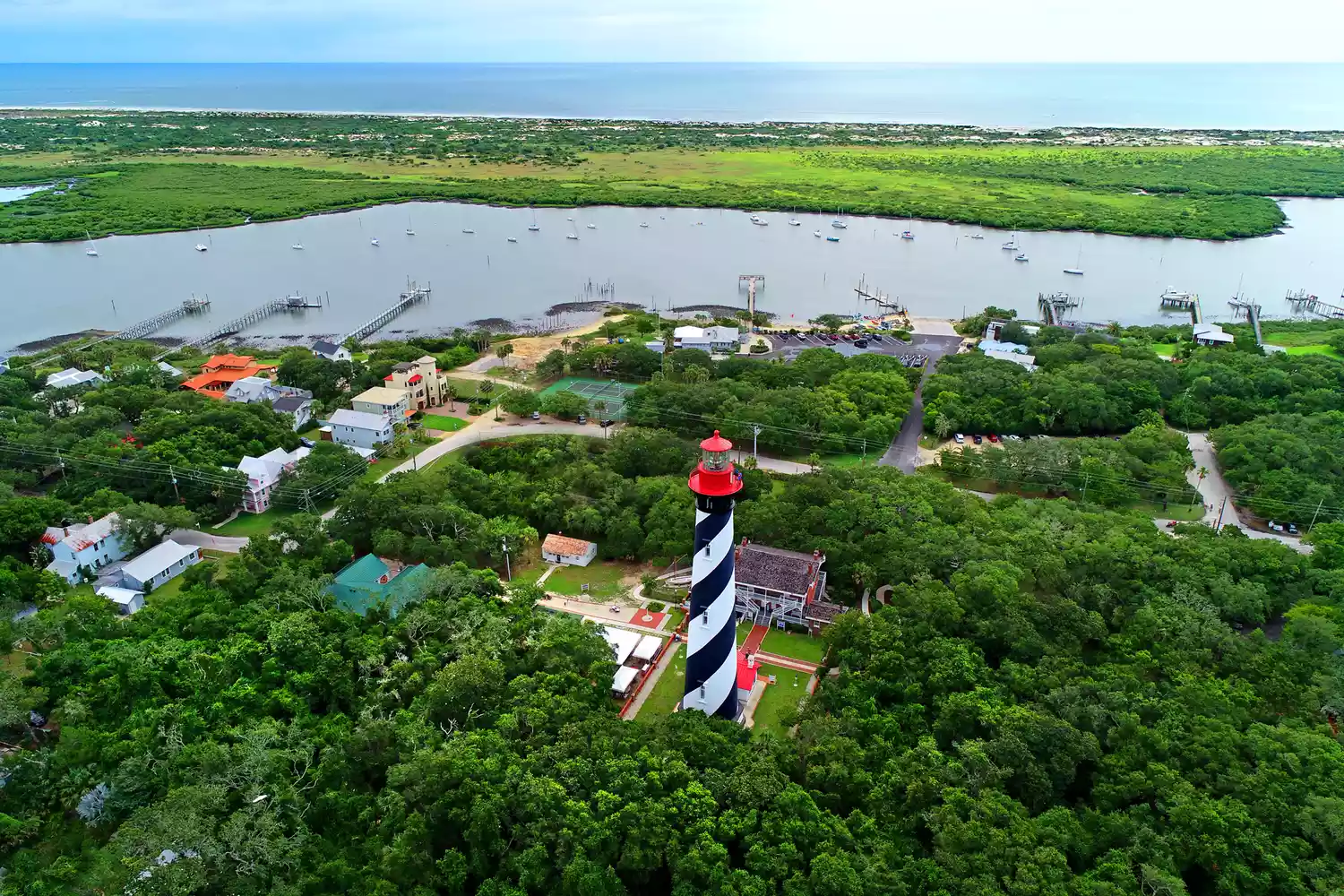
Standing as a sentinel over the Atlantic, this black-and-white striped beacon is an icon of the coast. For those with a bit of stamina, climbing the st augustine lighthouse for sunset views is an essential experience. The ascent consists of 219 steps leading to the 165-foot gallery. From the top, you can track the curve of the Matanzas Inlet and the sprawl of the historic district below.
Ponce de León’s Fountain of Youth Archaeological Park
Cost-at-a-Glance: $21.95 (Adults).
This is the site where Pedro Menéndez de Avilés established the first Spanish settlement. The park blends archaeological discovery with legend. You can sip the legendary spring water, watch living history reenactors fire a 16th-century cross-staff, and admire the dozens of resident peacocks that roam the 15 waterfront acres.
The Lightner Museum
Cost-at-a-Glance: $19 (Adults).
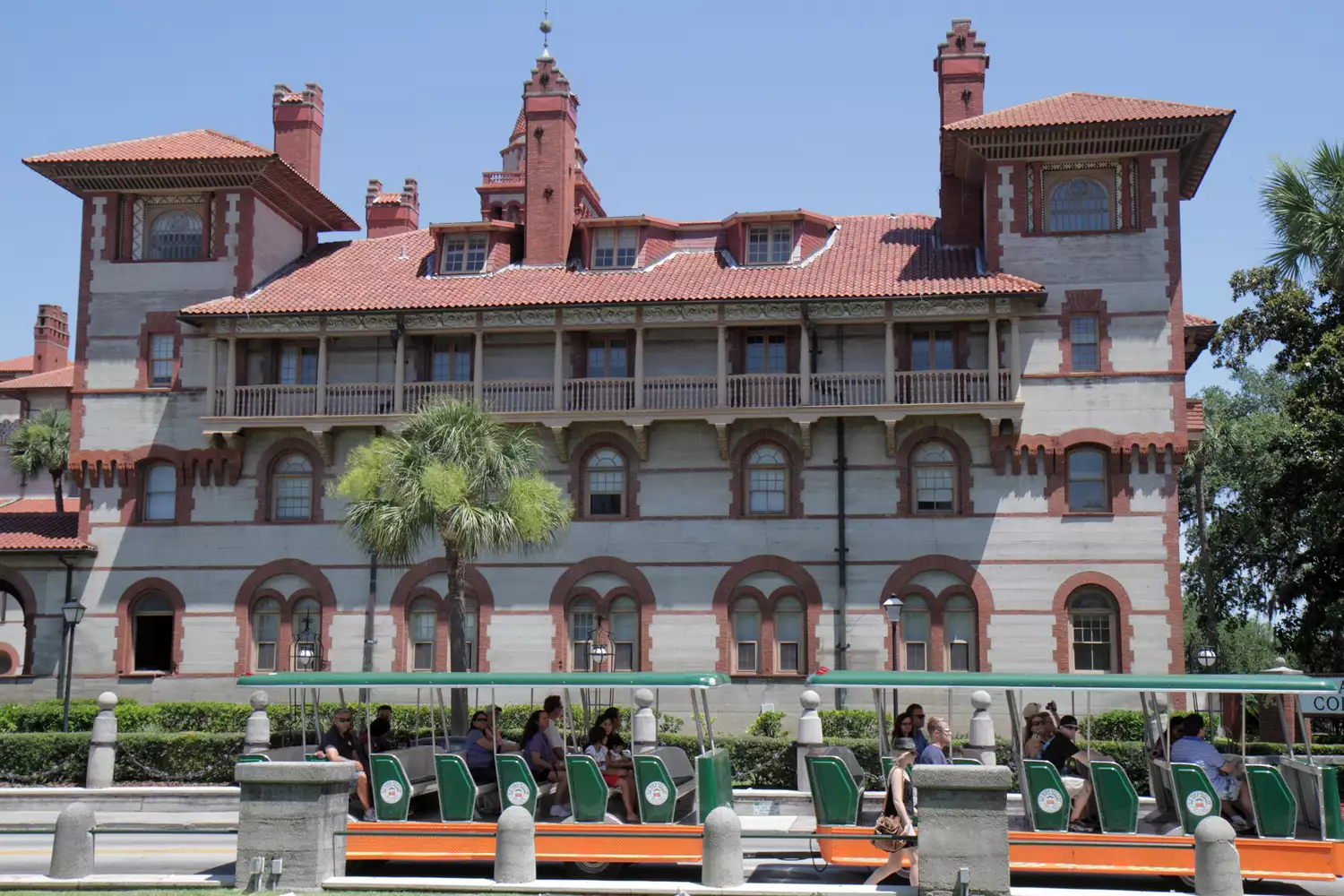
Housed in the former Hotel Alcazar, built by Henry Flagler in 1888, this museum represents Gilded Age splendor. Its Spanish Renaissance architecture is a masterclass in grand design, featuring a courtyard filled with tropical flora and stone bridges. Inside, you will find an eclectic collection of Victorian art, glasswork, and even the world’s first indoor swimming pool (now converted into a cafe).
Flagler College
Cost-at-a-Glance: $18 (Historic Tours).
Once the Ponce de León Hotel, this campus is arguably the most beautiful architectural feat in Florida. The college is famous for its collection of 79 Tiffany stained-glass windows and its grand rotunda. Taking a guided student tour is the best way to see the intricate Spanish Colonial architecture and the handcrafted carvings that define the space.
Natural Wonders and the A1A Scenic Route
While the history is the draw, the local st augustine nature activities provide the soul of the experience. The landscape is dominated by tidal marshes, barrier islands, and the ever-present Matanzas River.
Anastasia State Park
Cost-at-a-Glance: $8 per vehicle.
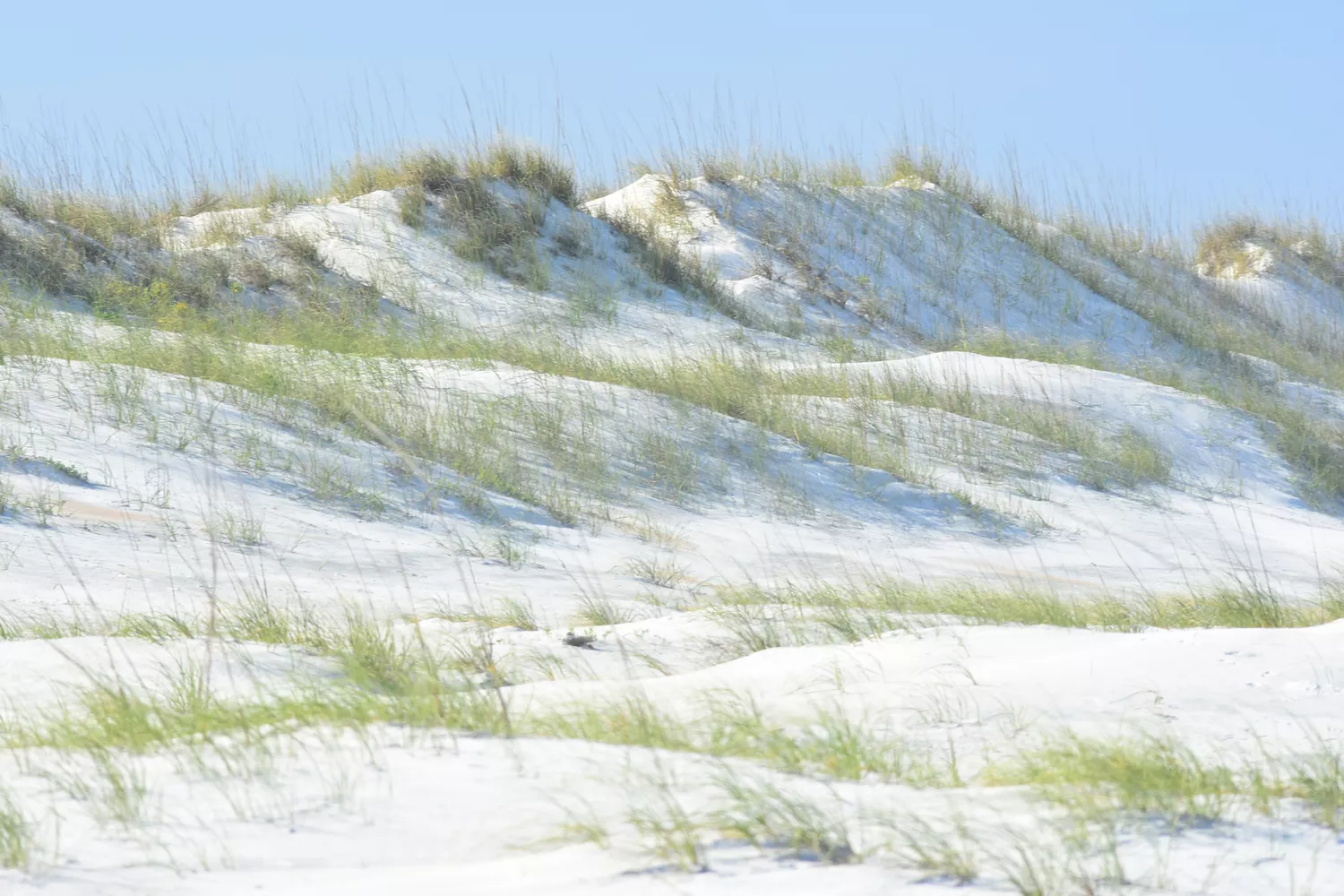
Located on a peninsula across the Bridge of Lions, this park offers four miles of pristine white-sand beaches. For those planning an outdoor itinerary for anastasia state park, the Salt Run lagoon is a must. It is perfect for paddleboarding or kayaking while watching roseate spoonbills forage in the shallows.
St. Augustine Alligator Farm Zoological Park
Cost-at-a-Glance: $36.99 (Adults).
Founded in 1893, this is one of Florida’s oldest attractions. While famous for housing every species of crocodilian in the world, its Native Bird Rookery is a photographer's dream. During the nesting season, thousands of wild egrets, herons, and wood storks build nests directly above the alligator lagoon for protection from ground predators.
GTM Research Reserve
Cost-at-a-Glance: $3 per vehicle (Suggested donation).
The Guana Tolomato Matanzas (GTM) Research Reserve is a hidden gem for hikers and kayakers. In the summer 2026 season, many visitors will seek out bioluminescent kayaking tours here. Paddling through the dark waters to see glowing comb jellies and dinoflagellates is one of the most unique things to do in st augustine.
Fort Matanzas National Monument
Cost-at-a-Glance: Free.
Located 14 miles south of the city, this outpost guarded the southern "back door" entrance to the town. Here you will find one of the best ways to see st augustine attractions for free: a government-run ferry takes you across the river to the fort on Rattlesnake Island. It offers a quieter, more rugged perspective of the region’s colonial defense.
A1A Coastal Byway
Cost-at-a-Glance: Free.
The drive south from St. Augustine is legendary. Some of the best scenic stops along the a1a coastal byway driving route include the Vilano Beach pier and the coquina-rock formations at Washington Oaks Gardens State Park. It is a slow, winding road that encapsulates the "old Florida" vibe.
| Facility | Anastasia State Park | Vilano Beach | St. Augustine Beach |
|---|---|---|---|
| Pet Friendly | On trails only; not on beach | Yes (Leashed) | Yes (Leashed) |
| Vehicle Access | No | Yes (Limited/Seasonal) | Yes (Designated areas) |
| Public Restrooms | Yes | Yes | Yes |
| Lifeguards | Seasonal | Seasonal | Seasonal (Main Pier) |
Walking the Old City: Shopping, Food, and Hidden Gems
To truly feel the rhythm of the city, you have to park the car. The historic core is designed for wandering.
St. George Street
Cost-at-a-Glance: Free to stroll.
This pedestrian-only thoroughfare is the city's commercial heart. You will encounter everything from boutiques selling pirate memorabilia to high-end leather goods. Strolling past the many living history reenactors in period-correct Spanish costume makes for an immersive afternoon.
Sampling Artisan Paletas
Cost-at-a-Glance: $5 - $7.
One of the essential traditions here involves the Hyppo Gourmet Ice Pops. They specialize in paletas made with fresh fruit and unique flavor pairings like Cucumber Jalapeño or Champagne Mango. It's the perfect remedy for a humid afternoon in Florida’s oldest city.

St. Augustine Distillery
Cost-at-a-Glance: Free tours and tastings.
Housed in a renovated 1907 ice plant, this distillery is a pioneer in the local craft movement. Their free tours explain the "farm-to-glass" process using Florida-grown sugarcane and corn. It is one of the top unique things to do in st augustine at night for adults before heading to nearby cocktail bars.
Magnolia Avenue
Cost-at-a-Glance: Free.
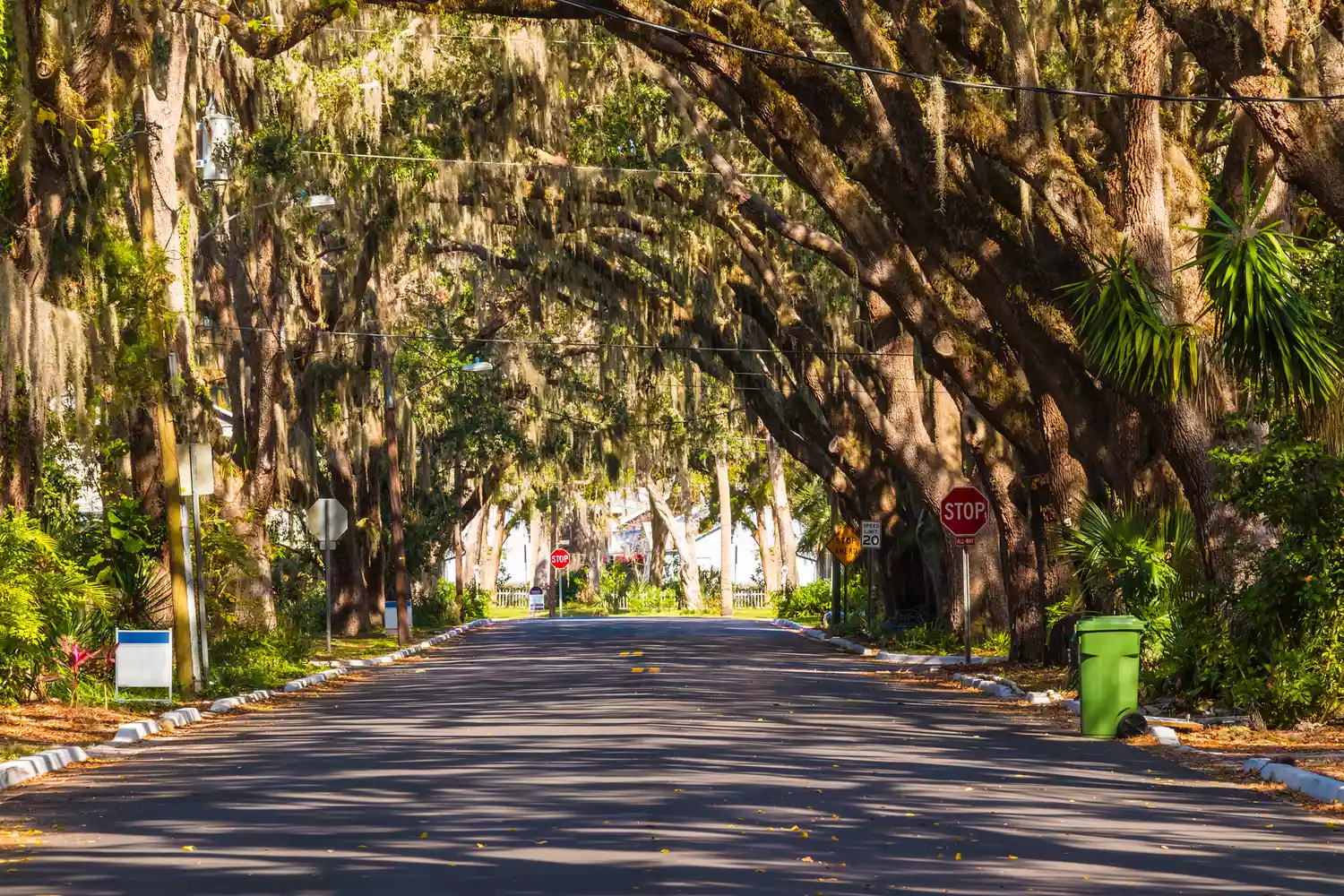
Locally known as the "Gateway to the Fountain of Youth," this street is famous for its canopy of oak trees draped in thick curtains of Spanish moss. It is widely considered the best photo spot in the city, especially during the "golden hour" right before sunset when the light filters through the trees.
The Colonial Quarter
Cost-at-a-Glance: $15.99 (Adults).
This two-acre attraction is an immersive "living" park divided by centuries. You can watch a blacksmith at work in the 17th-century Spanish section or climb a replica 19th-century watchtower for a view of the bay. It’s a concentrated dose of the city’s complex history.
Pro-Tip: Summer 2026 Events Planning your trip for 2026? Don't miss the St. Augustine Music Festival in late June at the Cathedral Basilica. Additionally, the weekly Music & Art by the Sea series at the Pier Park offers free concerts every Wednesday evening through the summer months.
Logistical Guide for 2026 Travelers
Navigating one of the nation’s most popular historic cites requires a bit of planning. The streets were designed for horses and carriages, not SUVs, so logistical savvy is your best friend.
For transportation, the Old Town Trolley is highly recommended. They offer a 2nd-day deal that provides excellent value, allowing you to hop on and off at 22 different stops. This saves a significant amount of stress regarding parking, which can be scarce and expensive in the downtown core.
Arrival and Accessibility
Most travelers fly into Jacksonville International Airport (JAX), which is about a 50-minute drive north, or Daytona Beach International (DAB) to the south. Once in the city, the historic district is mostly flat and wheelchair accessible, though some side streets still feature original, uneven brick paving.
Keep an eye out for st augustine attractions with seasonal summer events in 2026, such as the Night Market at the St. Augustine Amphitheatre. This local favorite features regional artisans, food trucks, and live music under the stars.
FAQ
What are the top things to do in St. Augustine?
The most popular activities involve exploring the Castillo de San Marcos, climbing the St. Augustine Lighthouse, and enjoying the pedestrian lifestyle of St. George Street. Nature lovers should prioritize Anastasia State Park and the Alligator Farm.
Is St. Augustine a walkable city?
Yes, the historic district is extremely walkable and mostly pedestrian-friendly. Most major landmarks, dining, and shopping are concentrated within a few square miles. However, you will need a car or a trolley ticket to reach the beach or the Lighthouse.
What are the best free things to do in St. Augustine?
Top free highlights include the ferry to Fort Matanzas National Monument, walking through the National Cemetery, browsing the art galleries during the First Friday Art Walk, and visiting the white-sand beaches of Vilano or Crescent Beach.
What is the best time of year to visit St. Augustine?
While summer is popular for beachgoers, spring (March to May) offers the best balance of pleasant weather and blooming landscapes. The "Nights of Lights" festival from November to January is also a world-famous time to visit, though crowds are at their peak.
Are there family-friendly activities in St. Augustine?
Absolutely. The Pirate & Treasure Museum, the Fountain of Youth, and the Alligator Farm are all designed with families in mind. Many of the city's historic tours also offer interactive elements like scavenger hunts for children.
Whether you are here for the 450-year-old forts or the glow of the bioluminescent bays, St. Augustine remains a bucket list destination that proves Florida's depth goes much further than its theme parks. Pack your walking shoes and prepare for a journey through time.