Quick Facts
- Carminho's Top Pick: Mesa de Frades (Alfama)
- Best for Spontaneity: Tasca do Chico (Bairro Alto)
- Historic Heritage: O Faia (Established 1947)
- Non-Negotiable Rule: Absolute silence during the performance
- UNESCO Status: Inscribed as Intangible Cultural Heritage since 2011
- Typical Start Time: Performances usually begin around 8:00 PM for dinner shows, 10:00 PM for taverns.
The best fado bars in Lisbon are located in the historic districts of Alfama and Bairro Alto, where authentic venues like Mesa de Frades and O Faia provide unamplified acoustic sets that capture the true spirit of Saudade. Whether you seek a formal dinner setting or a spontaneous tavern session, these neighborhoods remain the epicenter of the city’s soulful musical heritage.
The Soul of the Song: Why Carminho’s Lisbon Matters
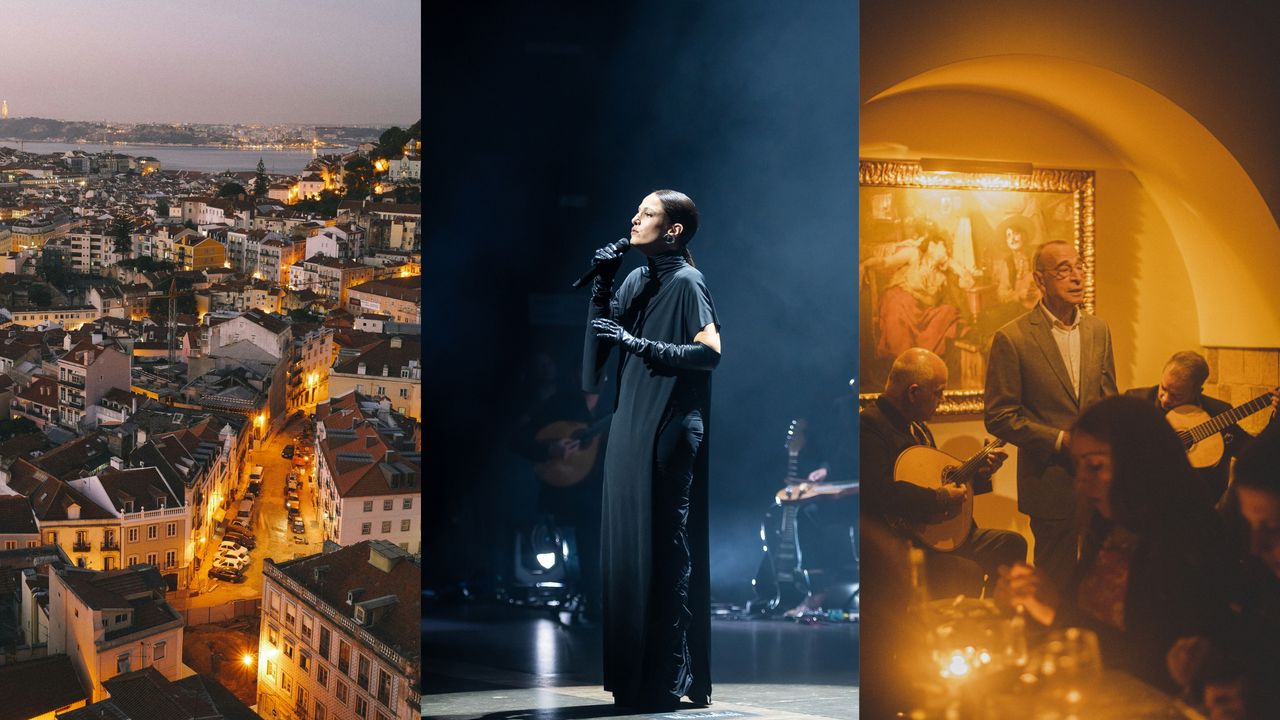
To understand Lisbon, one must understand the Mouraria district and the winding, cobblestone paths of Alfama, where the sea breeze carries the scent of salt and grilled sardines. It is here that Fado was born—a genre not just of music, but of the soul. The word itself translates to fate, and in its melancholic melodies, one finds the uniquely Portuguese concept of Saudade: a deep, existential longing for something lost or never found.
For Maria do Carmo Carvalho Rebelo de Andrade, known globally as Carminho, this music is a bloodline. She did not merely learn Fado; she inherited it. Carminho grew up and met fado legends such as Amália Rodrigues at the Taberna do Embuçado, an iconic fado house opened in Lisbon by her parents. In this intimate environment, the lines between life and performance blurred, and the raw emotion of traditional melodies became her primary language.
The weight of this history was recognized on a global stage when Fado was officially inscribed on the UNESCO Representative List of the Intangible Cultural Heritage of Humanity in 2011. Carminho herself stood as a champion of this designation, performing at the UNESCO headquarters in Paris to prove that this music, while rooted in the past, lives vibrantly in the present. This Lisbon fado guide is inspired by her journey, focusing on spaces where the unamplified acoustics and the intimate connection between the fadista and the audience remain sacred.
Mesa de Frades: A Sacred Singing Space
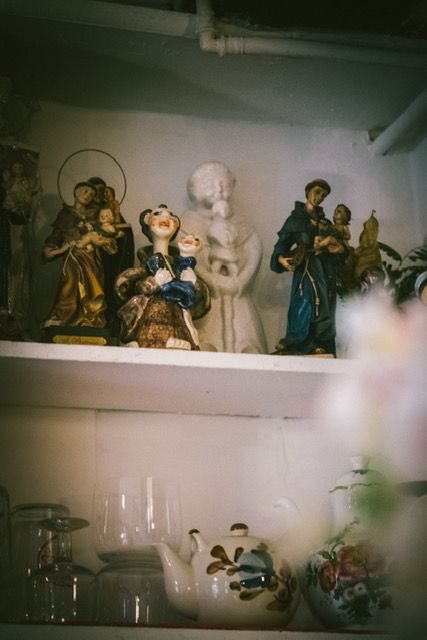
In the heart of the Alfama district, hidden behind a modest doorway, lies Mesa de Frades. To enter this space is to step back into the 18th century. The building was once a Franciscan chapel, and the interior is still adorned with breathtaking 17th-century tiles known as azulejos. These blue-and-white ceramics depict scenes of daily life and religious devotion, creating a resonant chamber where the music feels like a shared prayer.
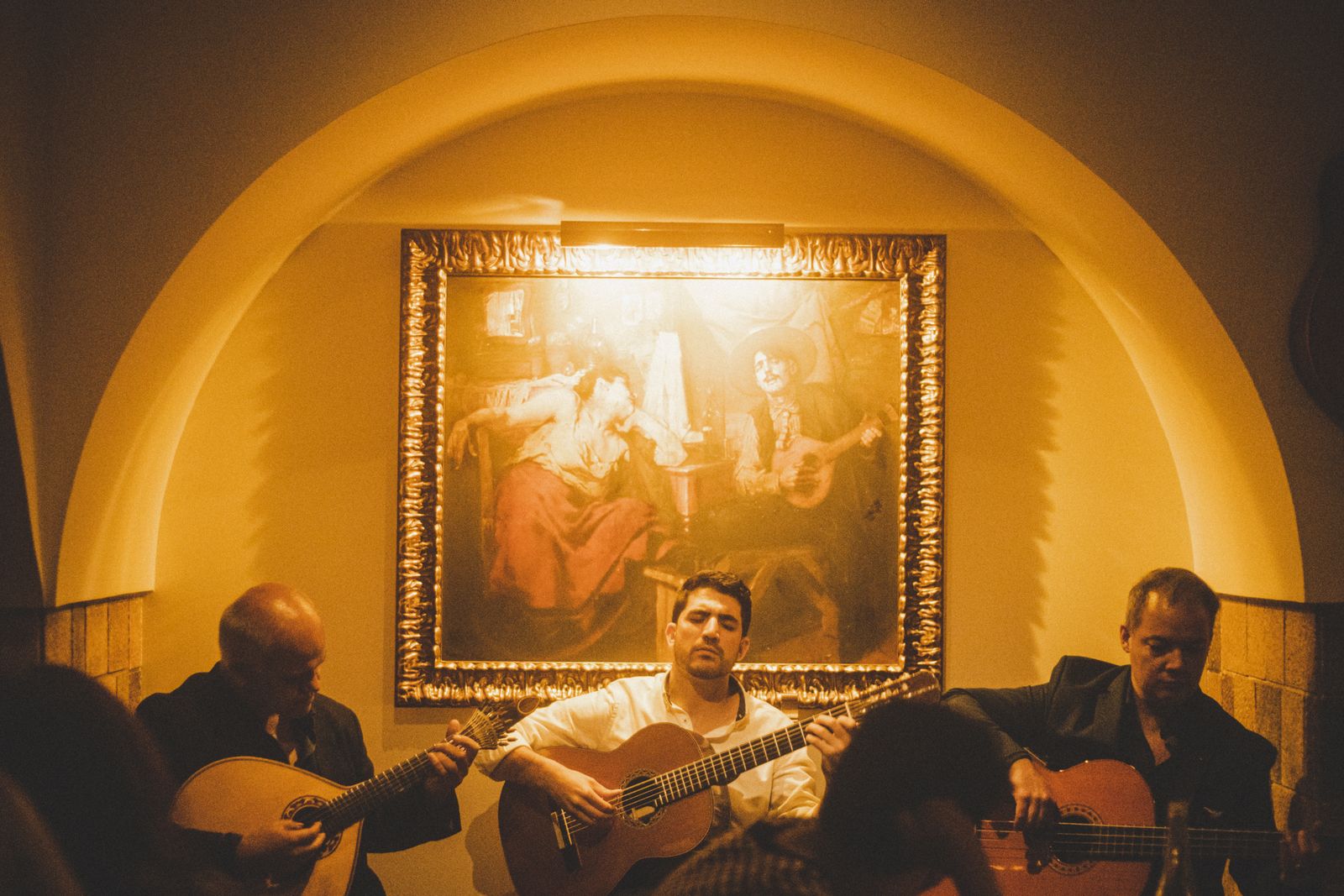
One of the most significant venues where Carminho regularly performed early in her career is Mesa de Frades, which is situated in an 18th-century chapel in Lisbon's Alfama district. It is a venue that demands respect. There is no stage here; the performers stand among the diners at their small, candlelit tables. This proximity allows you to hear the subtle vibration of the Portuguese guitar and the intake of breath from the fadista before a particularly powerful verse.
If you visit on a Wednesday night, you might find yourself in the middle of a session that carries on long into the night. Authentic fado houses in Alfama district Lisbon like this one do not rely on microphones. Instead, they rely on the architectural perfection of the ancient stone walls to carry the sound. It is a late-night sessions paradise for those who want to experience the music in its purest, most acoustic form.
| Detail | Information |
|---|---|
| Address | Rua dos Remédios 139, Alfama |
| Hours | 8:00 PM – 2:00 AM |
| Recommended Dish | Traditional Salted Cod (Bacalhau) |
| Vibe | Historic, intimate, and sacred |
O Faia and the Professional Tradition
While Mesa de Frades feels like a secret chapel, O Faia represents the pinnacle of the professional Lisbon fado experience. Established in 1947 by Lucília do Carmo, another legendary figure in the music’s history, this Bairro Alto institution has hosted the most famous voices of the genre for generations. It is a place where the tradition is polished but never loses its emotional edge.
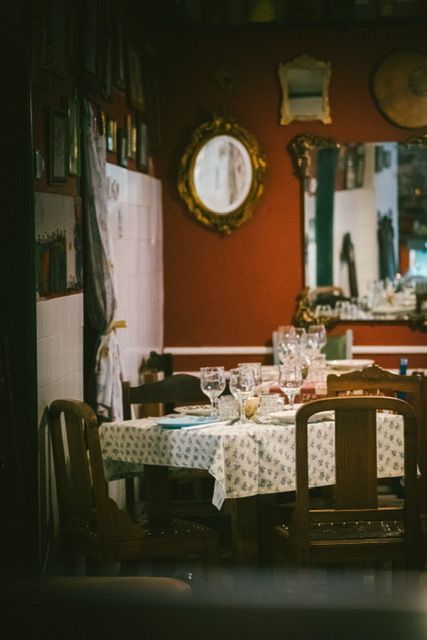
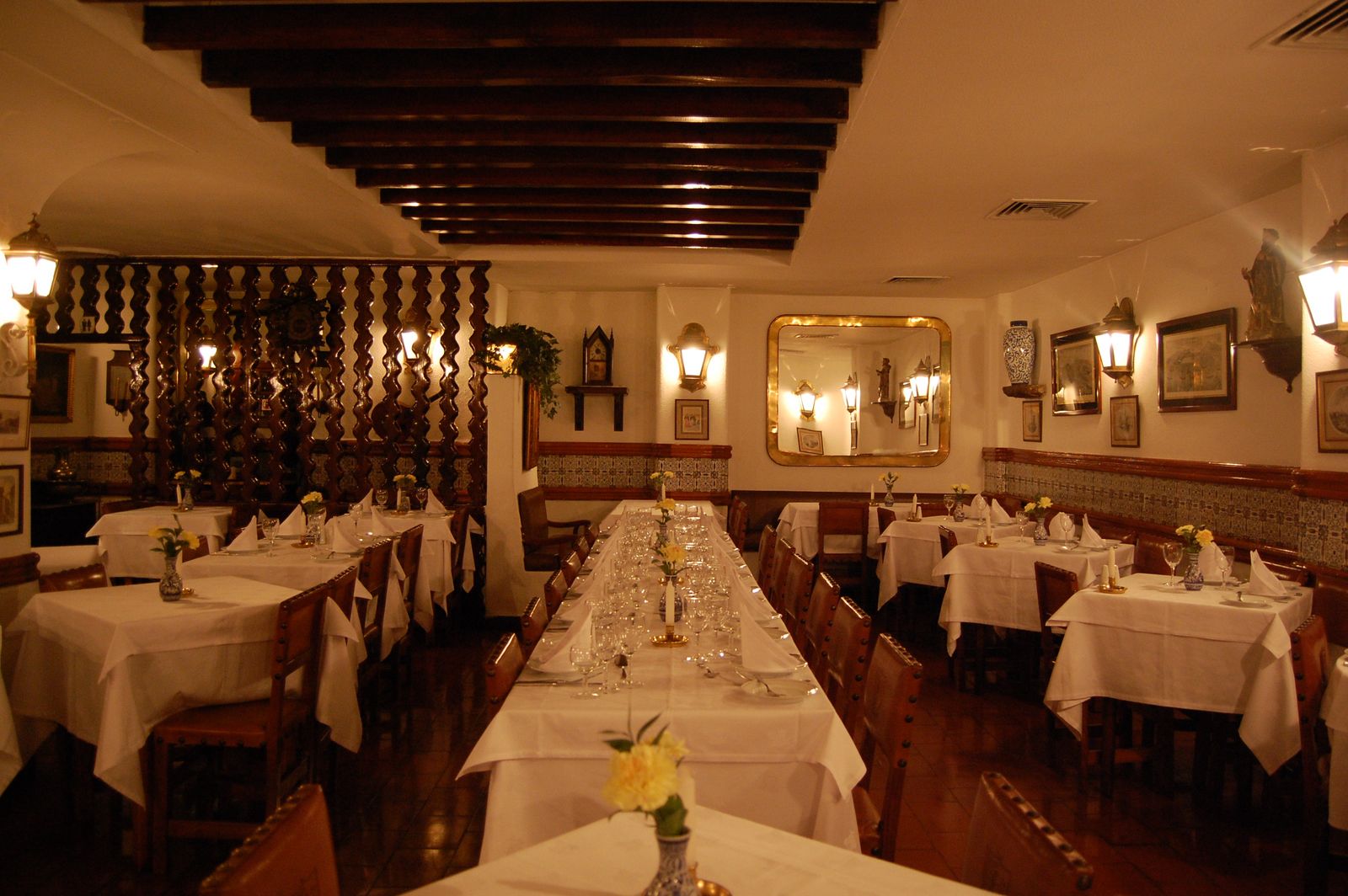
O Faia is a formal fado house, meaning the experience is centered around a traditional Portuguese meal. The kitchen here is exceptional, offering modern takes on classic flavors, such as octopus tempura or slow-cooked lamb. However, the true main course is the arrival of the fadista. At O Faia, the transitions are seamless. As the lights dim and service pauses, the room falls into a heavy silence.
For those seeking reservation tips for popular fado spots in Lisbon, O Faia is a venue where booking weeks in advance is essential. It attracts a discerning crowd that appreciates the technical skill of the guitarista and the seasoned professionalism of the performers. While some might find formal dinner shows too structured, O Faia maintains its soul by ensuring that the music always takes center stage, never relegated to background noise.
| Detail | Information |
|---|---|
| Address | Rua da Barroca 54-56, Bairro Alto |
| Hours | 8:00 PM – 2:00 AM |
| Recommended Dish | Octopus with roasted potatoes |
| Vibe | High-end, legendary, and sophisticated |
Tasca do Chico: Where Fado Vadio Lives
Moving away from the formal linens and multi-course meals, Tasca do Chico offers a glimpse into the more populist, spontaneous side of the music known as fado vadio. This translates to "vagabond fado," where instead of a scheduled lineup of professional stars, the stage is open to amateurs, neighborhood residents, and even established singers who happen to be passing by and feel the urge to sing.
Situated in the lively Bairro Alto, Tasca do Chico is a small, crowded tavern where the walls are covered in photos of famous singers and bullfighting posters. If you are looking for informal and non-touristy fado bars in Lisbon, this is a top contender. It is one of the few places where you can enjoy authentic fado Lisbon without committing to a full dinner. Guests often stand at the bar, nursing a glass of red wine or munching on petiscos while they wait for the next performance.
The atmosphere here is electric and unpredictable. Because it is a budget-friendly option, it attracts a younger, local crowd. Visiting Lisbon fado houses for drinks without dinner is perfectly acceptable here, though you should arrive early; the tiny space fills up quickly, especially on Monday and Wednesday nights when the sessions are most frequent. The candlelit atmosphere and the raw, unpolished voices make it a quintessential Lisbon experience.
| Detail | Information |
|---|---|
| Address | Rua do Diário de Notícias 39, Bairro Alto |
| Hours | 7:00 PM – 2:00 AM |
| Recommended Dish | Chouriço Bombeiro (Flame-grilled sausage) |
| Vibe | Boisterous, local, and spontaneous |
The Silent Protocol: A Guide to Fado Etiquette
To truly appreciate the best fado bars Lisbon offers, one must adhere to the unspoken laws of the fado house. Unlike a jazz club or a folk bar where hushed conversation might be tolerated, a fado performance demands total adherence to the principle of "silêncio." The moment the fadista steps into the center of the room and the guitarista begins the introduction, all movement stops.
There are specific etiquette rules for attending a Lisbon fado house that every traveler should know. First, do not enter or leave the room while a singer is performing. Service staff will stop bringing plates and drinks the moment the music starts. If you are halfway through a conversation, let it hang in the air; the emotional weight of Saudade requires the undivided attention of everyone in the room.
Understanding how to choose between formal and informal fado in Lisbon often comes down to your level of commitment to this silence. In formal fado houses like Sr. Vinho or Casa de Linhares, this rule is strictly enforced by the staff and other guests. In informal taverns like Tasca da Bela or A Baiuca, the atmosphere is more relaxed between sets, but the rule of silence during the actual singing remains absolute. This respect for the performer is what separates a tourist attraction from a genuine cultural journey.
FAQ
Where is the best neighborhood to hear Fado in Lisbon?
The most historic and atmospheric neighborhoods for hearing fado are Alfama and Bairro Alto. Alfama offers a more traditional, labyrinthine feel with many small taverns hidden in ancient alleys, while Bairro Alto features a mix of high-end fado houses and lively bars where fado vadio is common.
Do I need to book in advance for a Fado show?
For formal fado houses that include dinner, such as O Faia or Mesa de Frades, reservations are highly recommended and often necessary weeks in advance. For informal taverns like Tasca do Chico, reservations are usually not accepted, so it is best to arrive early in the evening to secure a spot.
Can you watch Fado without having a full dinner?
Yes, you can watch fado without dinner at many informal taverns. Spots like Tasca do Chico or some of the smaller bars in Mouraria allow guests to order just drinks or small petiscos. However, most formal fado houses require a full dinner reservation and often include a minimum consumption fee.
Is there a dress code for Fado bars in Lisbon?
There is no strict dress code for most fado bars, but smart-casual is generally preferred for formal fado houses. In more informal taverns, casual attire is perfectly acceptable. The focus is always more on the music and the emotional experience than on what the audience is wearing.
What is the difference between Fado Vadio and professional Fado?
Professional fado features trained fadistas who are contracted by fado houses to perform fixed sets, often accompanied by professional guitarists. Fado vadio, or "vagabond fado," is spontaneous and open to anyone who wants to sing, regardless of whether they are a professional or an enthusiastic amateur.
Plan Your Lisbon Fado Tour
Lisbon is a city that reveals its secrets slowly, and fado is the key to unlocking those hidden depths. From the sacred, tiled echoes of Mesa de Frades to the polished stages of O Faia, each venue offers a different shade of the Portuguese identity. Whether you are moved by the technical mastery of a professional fadista or the raw, unbridled emotion of a local singer in a crowded tavern, the experience of sitting in a candlelit room while the Portuguese guitar cries is something that stays with you long after you leave.
In the words of Carminho, fado is a living thing that changes with the breath of the singer. As you explore the best fado bars Lisbon has to offer, remember to listen not just with your ears, but with your heart. Respect the silence, embrace the Saudade, and let the music of Lisbon guide your fate.