Quick Facts
- Free Entry: Fourth graders and their families can access 400+ federal sites for free via the Every Kid Outdoors pass.
- Badge System: The NPS Junior Ranger program provides free educational workbooks and collectible badges at nearly every park.
- Crowd Timing: To avoid peak congestion, families should arrive before sunrise or utilize evening hours for stargazing in Dark Sky Parks.
- Tech Hack: Use the GuideAlong app for GPS-synced audio tours that function in areas with no cellular signal.
- Educational Reach: The National Park Service hosts more than 60,000 learning programs annually, serving over 1.8 million students.
- Planning Essential: Always check the official NPS website for current alerts, road closures, and seasonal conditions before your arrival.
Successful national park trip planning for families starts with checking the official NPS website for current alerts, road closures, and seasonal conditions. My experience visiting 34 parks across the U.S. taught me that planning around sunrise visits and the NPS Junior Ranger program turns a simple road trip into an educational adventure while keeping national parks with kids manageable and budget-friendly.
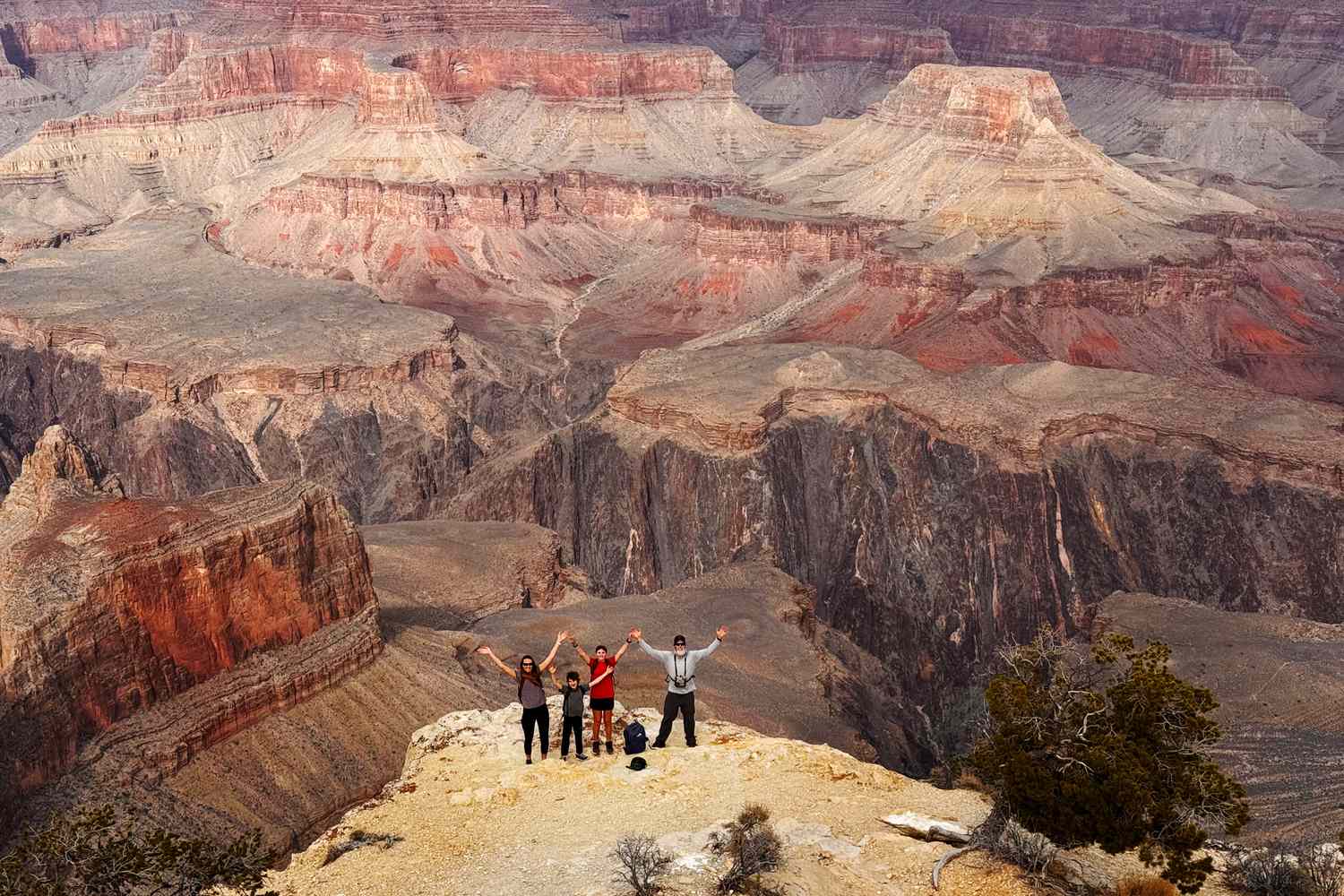
I still remember the silence of the Grand Canyon at 5:00 AM, my youngest daughter shivering slightly in her fleece but staring wide-eyed as the first light hit the canyon walls. It was our 12th park, and it was the moment I realized that these trips aren’t just vacations; they are milestones. After visiting 34 national parks with kids, I’ve seen the tantrums on the trail and the pure magic of seeing a grizzly bear through binoculars from a safe distance.
The truth about national park trip planning for families is that it requires a balance of military-grade logistics and go-with-the-flow grace. In 2024, the U.S. National Park Service recorded a record-high 331.9 million recreation visits at more than 400 sites across the country. With that many people exploring the great outdoors, you need a strategy to ensure your family finds peace rather than parking lot stress. Here are the five lessons that changed how we travel.
1. Master the Every Kid Outdoors & Entry Logistics
The most beautiful thing about the U.S. park system for parents is the accessibility for students. If you have a child in the fourth grade, you have a golden ticket. By using Every Kid Outdoors pass for free family entry, you can save hundreds of dollars in entrance fees. This pass covers the student and everyone in their height-class vehicle (or up to three adults at sites that charge per person). It is one of my favorite tips for visiting dozens of national parks with kids because it encourages families to explore lesser-known roadside attractions they might otherwise skip.
However, entry is more than just a pass. In recent years, popular spots like Arches and Rocky Mountain have implemented timed-entry reservations. If you show up at the gate without one during peak months, you will be turned away. For multi-generational travel, this pre-planning is vital to avoid disappointing the grandparents and kids alike.
- Check Entrance Fees: If you don’t have a fourth-grader, buy the America the Beautiful pass for $80. It pays for itself after about three major park visits.
- Reservation Windows: Set calendar alerts for reservation dates. Some parks open slots six months in advance; others do a secondary release 24 hours before.
- Activity Permits: Hiking Angels Landing or camping in the backcountry often requires separate lotteries. Don't assume the entry pass is all you need.
2. Leverage the Junior Ranger Ecosystem
If you want your children to actually engage with the landscape rather than asking when they can go back to the hotel pool, you must visit the visitor center resources first. The NPS Junior Ranger program is arguably the best-kept secret of the park service. Upon arrival, ask a ranger for a free activity booklet. These are not just coloring books; they are meticulously designed educational tools that teach kids about geology, history, and environmental stewardship.
The program offers a sense of accomplishment through earning badges and patches. In fact, a National Park Foundation survey found that 85% of U.S. adults believe that national parks can serve as effective classrooms for children. My kids have badges from the Everglades to Glacier, and they can tell you more about tectonic plates and bird migration than I ever learned in a textbook.
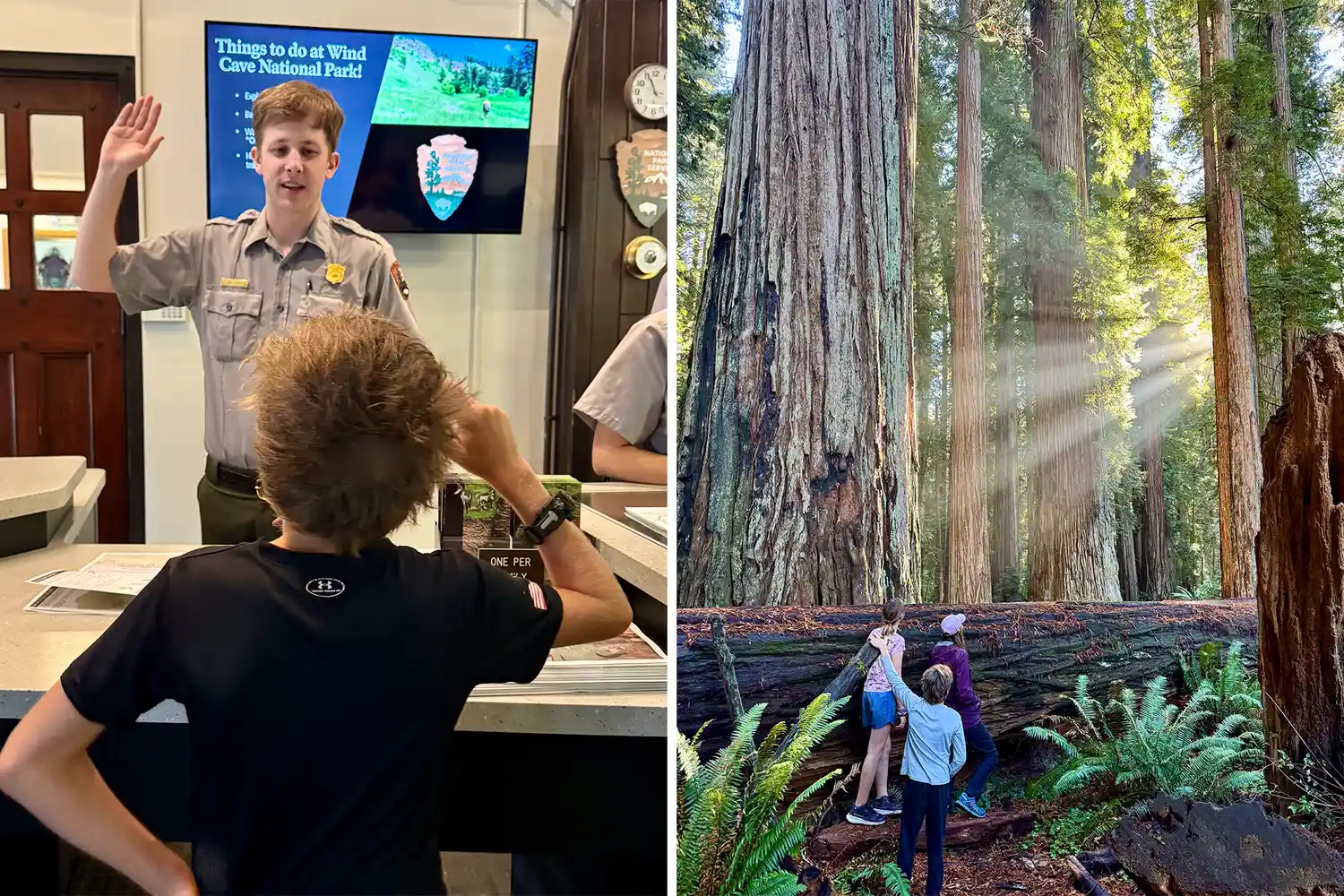
To make the most of this, follow the explore, learn, protect framework:
- The Oath: When your child completes the tasks, they return to the ranger to be sworn in. This ceremony is a core memory for many kids.
- Specialized Tracks: Look for specialized badges like Junior Paleontologist or the Junior Cave Scientist program.
- Screen Free Engagement: These workbooks provide screen free engagement activities for kids in national parks during long car rides or while waiting for a geyser to erupt.
- National Junior Ranger Day: If you travel in August, look for special events on August 22, which often includes extra experiential learning opportunities.
3. Solve the Connectivity Gap with Tech
One of the biggest hurdles when visiting national parks with kids is the "connectivity gap." Most parks have virtually zero cell service once you pass the entrance station. This can lead to frustration when you can't access your digital maps or look up which trail is stroller-friendly.
To counter this, I swear by the official NPS app—make sure you toggle the "save for offline use" button for the specific park you are visiting. Even better for maintaining morale is using specialized audio tours. We use the GuideAlong app, which provides the best audio tours for national park family road trips. It uses your phone's GPS to trigger stories and historical context as you drive, telling you exactly where to turn for the best roadside attractions or where to find elusive parking spots.
It’s an incredible tool for outdoor education because it keeps the kids focused on what’s outside the window. Instead of burying their heads in tablets, they are listening to stories about the 1988 Yellowstone fires or the building of the Going-to-the-Sun Road. This level of trailhead accessibility and information makes the long stretches of driving feel like part of the adventure rather than a chore.
4. Off-Peak Pacing: Sunrise, Sunset, and Stargazing
The "witching hour" in a national park is between 10 AM and 2 PM. This is when the tour buses arrive, the sun is at its harshest, and the parking lots overflow. My number one rule for avoiding crowds at national parks with family sunrise visits is to be on the trail before the sun peaks.
Early starts aren't just about traffic; they are about wilderness safety and wildlife. Animals are most active in the cooler dawn and dusk hours. We once saw a mother moose and her calf at Sprague Lake in Rocky Mountain National Park simply because we were there at 6:30 AM. By 10:00 AM, that same trail was a line of people, and the moose were long gone.
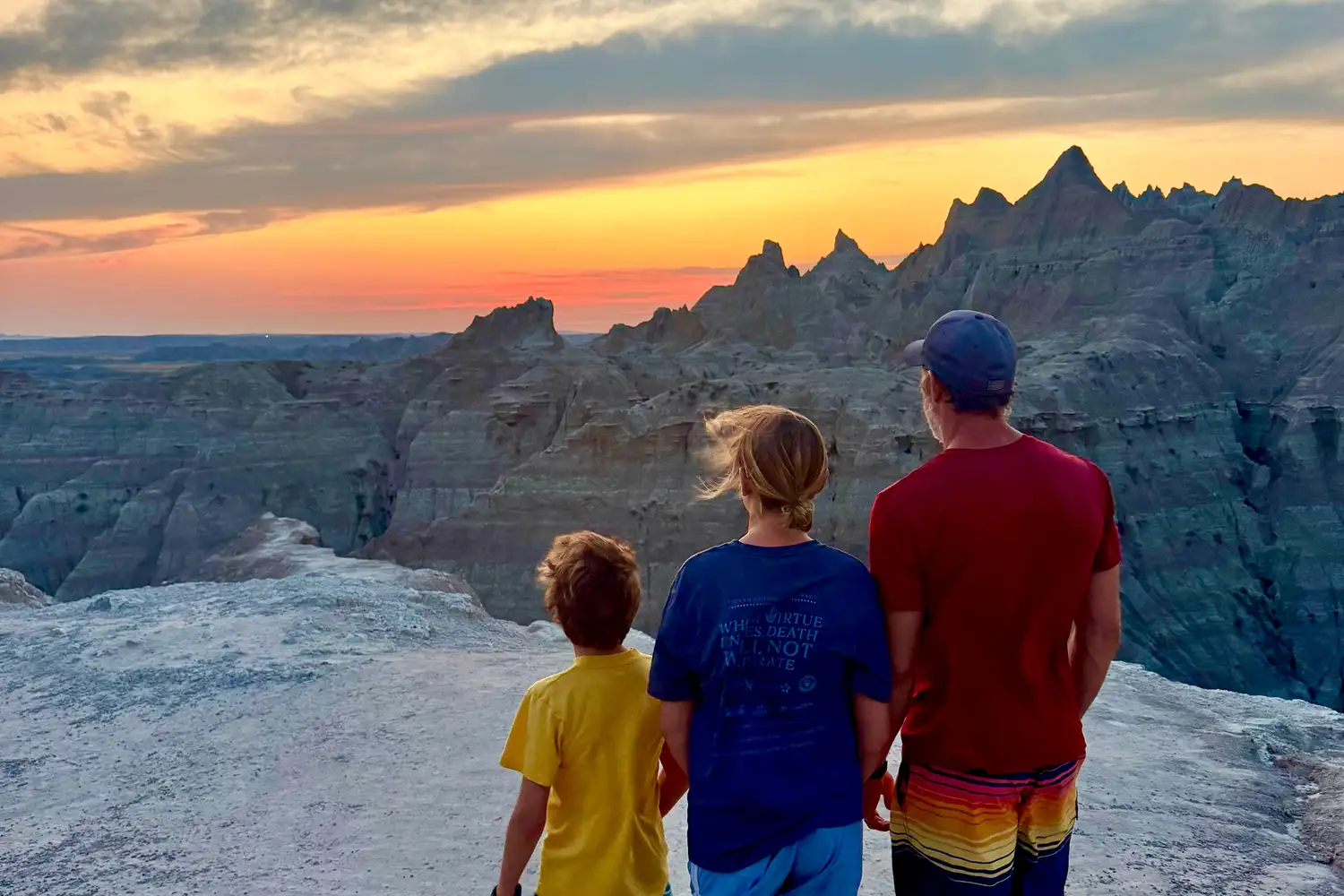
If you aren't morning people, stay late. Many parks are designated Dark sky preserves. Engaging in family friendly national park activities like stargazing teaches kids about the cosmos and light pollution. National parks with kids become a different world at night; the sound of owls and the sight of the Milky Way create a sense of awe that no theme park can replicate.
By the Numbers: Parks at a Glance
| Metric | Detail |
|---|---|
| Total Visits (2024) | 331.9 million visits |
| Educational Programs | 60,000+ per year |
| Students Served | 1.8 million+ |
| National Park Sites | 400+ across the U.S. |
| Junior Ranger Badges | Available at almost all sites |
5. Prioritize Safety and Trailhead Accessibility
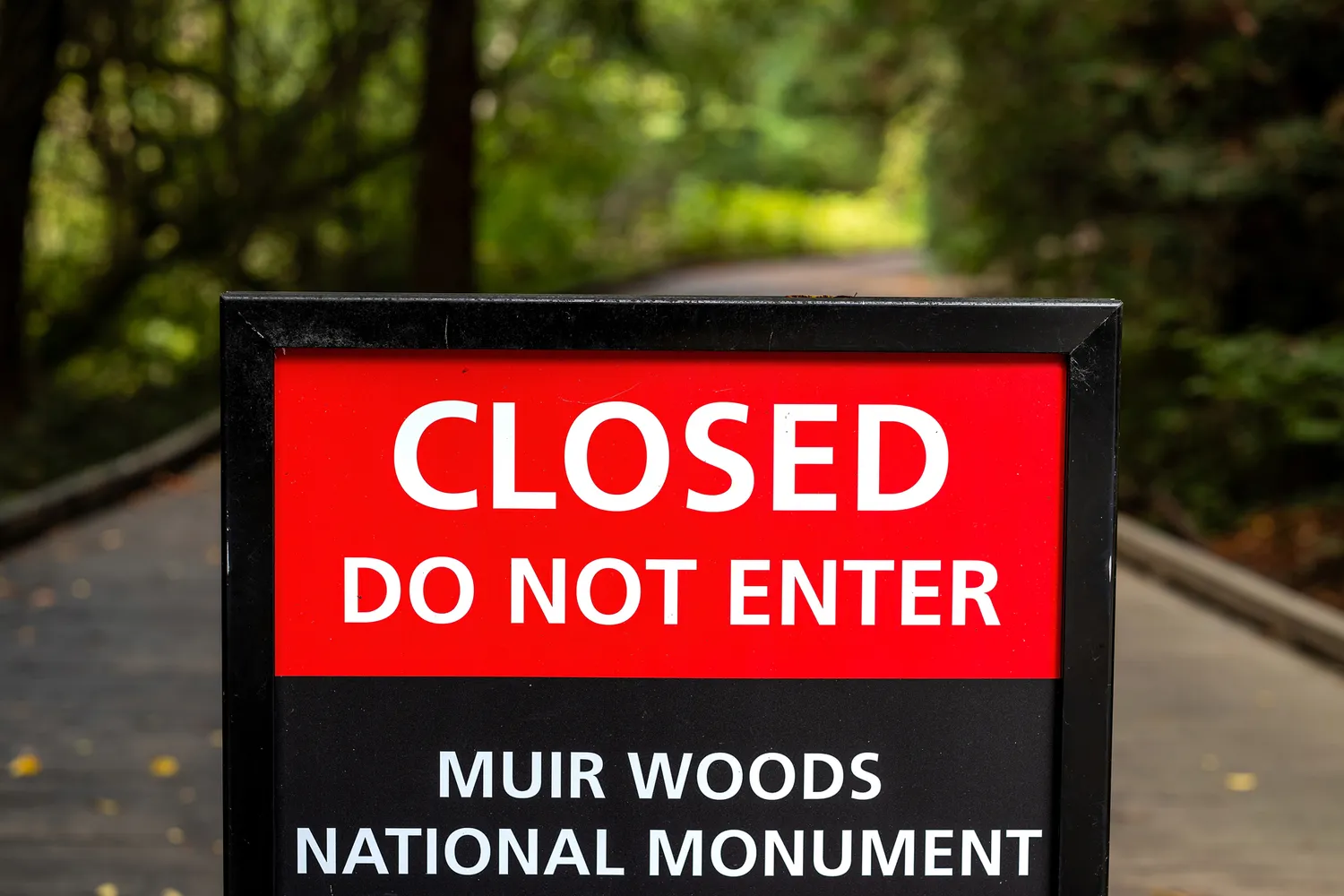
Safety is the foundation of any successful trip. When you are visiting national parks with kids, you have to be their "risk manager." This means checking current conditions every single morning. A trail that was open yesterday could be closed today due to a rockfall or bear activity.
We always follow the Leave No Trace principles and carry the "Ten Essentials," even for short hikes. It’s also vital to scale the day to your child's ability. In parks like Zion, trailhead accessibility is excellent with the shuttle system, but the hikes themselves can be grueling. Don't feel like you have to do the "famous" hike if it isn't right for your kids. A simple walk through the woods where they can turn over rocks and look for bugs is often more rewarding than a five-mile trek to a vista they can't appreciate.
The Kids' Ten Essentials Checklist
- Hydration: At least 1-2 liters of water per person.
- Nutrition: High-energy snacks (and then extra snacks).
- Sun Protection: Hats, sunscreen, and sunglasses.
- Insulation: Tropical parks can get cold at night; desert parks are freezing at dawn.
- Illumination: Headlamps for every family member.
- First Aid: Band-aids, antiseptic, and any personal medications.
- Navigation: Paper map and a compass (and know how to use them).
- Fire: Matches or a lighter (to be used by adults only).
- Repair Kit: Duct tape can fix a broken stroller or a ripped backpack.
- Emergency Shelter: A lightweight space blanket.
Remember that wilderness safety isn't about fear; it's about being prepared so you can relax and enjoy the silence. If you are struggling with a difficult hike, remember that pacing is everything. Stop often, look at the micro-details of the forest floor, and keep the mood light.
Every park visit is a chance to build a lifelong love for our planet. Whether you are using your Every Kid Outdoors pass for the first time or you are a seasoned pro with a vest full of badges, the goal is always the same: to leave the park a little more inspired than when you arrived.
FAQ
What is the best age to take kids to national parks?
There is no "perfect" age, but many parents find that ages 4 to 12 are the sweet spot. At this age, children are old enough to participate in the NPS Junior Ranger program and can handle moderate walks, yet they still find immense wonder in simple things like seeing a squirrel or a colorful rock. For younger toddlers, parks with robust shuttle systems and paved paths like the Grand Canyon or Zion are much easier to navigate.
How can kids get into national parks for free?
The Every Kid Outdoors pass allows all U.S. fourth graders (and home-schooled 10-year-olds) to bring their families into federal parks, forests, and lands for free. You simply go to the official website, complete a short game, and print out the voucher. This voucher can then be exchanged for a sturdy plastic pass at the first park ranger station you visit.
How does the Junior Ranger program work?
To get involved, stop by any park visitor center and request a Junior Ranger book. The book will have activities tailored to various age groups. Once the required sections are finished—usually involving a mix of hiking, scavenger hunts, and attending a ranger talk—your child presents the book to a ranger. They will then take an oath to protect the parks and receive an official badge or patch.
What should I pack for kids when visiting a national park?
Beyond the Ten Essentials, pack layers. Temperatures can swing 40 degrees between day and night in high-altitude parks. Comfortable, broken-in hiking shoes are a must to prevent blisters. I also recommend a "joy bag" for the car, filled with field guides, sketching pads, and small binoculars to keep them engaged during the drives between roadside attractions.
Are there stroller-friendly trails in national parks?
Yes, many national parks offer accessible trails. For example, the Rim Trail at the Grand Canyon and many paths around the geyser basins in Yellowstone are paved and stroller-accessible. Always check the park’s official website under the "Accessibility" tab to find specific trail data regarding grade and surface type.