Quick Facts
- Top Pick for Couples: Ryokan Sanyo-so, Japan, for its meticulously preserved architecture and deep sense of romantic seclusion.
- Best for History: Castle Hot Springs, USA, where the echoes of the Gilded Age meet the stillness of the Sonoran Desert.
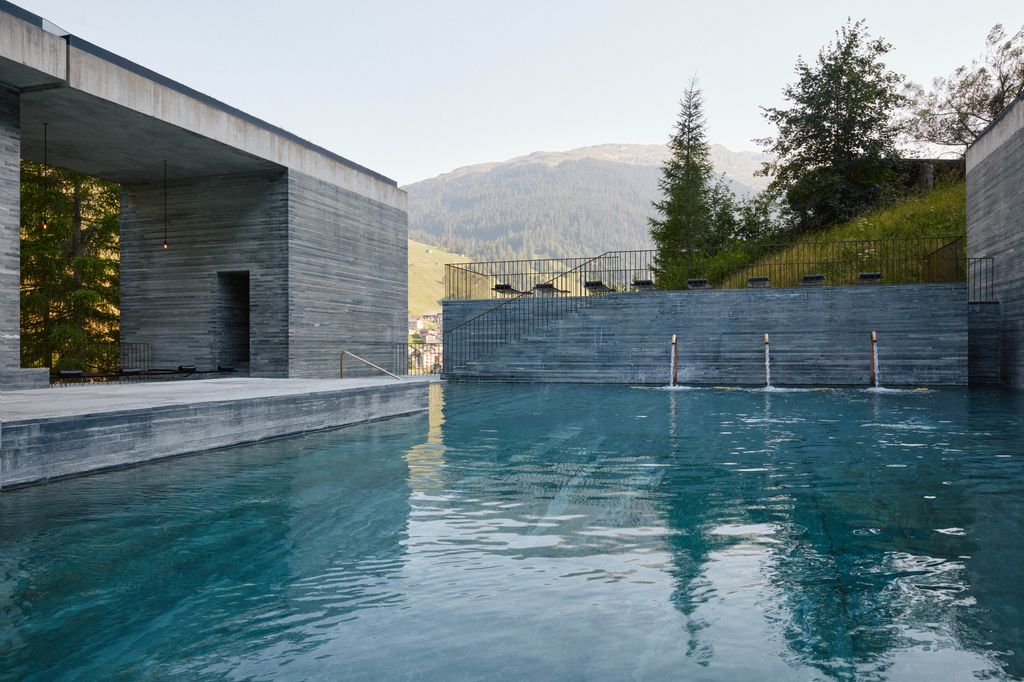
- Architectural Marvel: 7132 Hotel, Switzerland, a monolithic sanctuary designed by Peter Zumthor using 60,000 slabs of local quartzite.
- Unique Geology: Octant Furnas, Azores, where guests can witness geothermal activity through both thermal soaking and volcanic pit-cooked cuisine.
- Optimal Ritual: Experience the best results by spending 10 minutes in waters between 38-40°C to maximize thermal water therapy without overtaxing the heart.
- Market Growth: The global thermal springs tourism market is valued at 57.27 billion USD in 2024 and is on a trajectory to reach 130.78 billion USD by 2030.
Staying at luxury hot spring hotels provides unparalleled mineral hot spring health benefits and access to exclusive geothermal wellness resorts globally. These properties offer a sophisticated intersection of nature and indulgence, where mineral-rich waters provide therapeutic relief while refined service ensures a deeply restorative travel experience.
The Science of the Soak: Therapeutic Value
There is a profound, almost primal comfort in the embrace of naturally heated water. Beyond the immediate relaxation of the mind, the true allure of luxury hot spring hotels lies in the complex chemical makeup of the earth’s tears. These mineral-rich springs are seasoned by the deep lithosphere, carrying elements like sulfur, magnesium, and calcium to the surface. For the discerning traveler, this isn't just a bath; it is a clinical yet poetic method of recovery.
Scientific interest in geothermal wellness resorts has surged alongside the market. The luxury and spa services segment within the thermal springs sector is expected to grow at a compound annual growth rate of 16.1% between 2024 and 2030. This growth is driven by a global shift toward preventative health and holistic wellness. When we immerse ourselves in these waters, we are participating in hydrotherapy treatments that have been refined over millennia. The hydrostatic pressure of the water improves circulation, while the heat aids in mineral absorption, offering specific mineral hot spring health benefits for muscle recovery and joint inflammation.
In Japan, this practice is known as toji, a traditional form of hot spring healing where visitors stay for extended periods to allow the waters to mend the body. Today’s high-end resorts integrate this ancient wisdom with modern comforts. Many establishments are increasingly exclusive; approximately 25% of thermal and mineral springs establishments worldwide are categorized as high-end facilities, yet they generate more than two-thirds of the industry's total global revenue. This demonstrates a clear preference for environments where the thermal water therapy is paired with meticulous service and privacy.
Japanese Zen: Best Private Onsen Luxury Hotels for Couples
Japan remains the spiritual home of the thermal retreat. The tradition of the ryokan—a traditional Japanese inn—offers a level of hospitality, or omotenashi, that is difficult to replicate elsewhere. For those seeking romance, the pull of private onsen luxury hotels is undeniable.
Ryokan Sanyo-so, Izu Peninsula
Located in Shizuoka, this property is a masterpiece of Showa-era architecture. It was originally built as a villa for the Iwasaki family (the founders of Mitsubishi), and its sprawling gardens are a testament to Japanese aesthetic precision.
- Location: Izu-no-kuni, Shizuoka Prefecture
- Mineral Profile: Alkaline waters known for smoothing the skin
- Elevation: Near sea level, surrounded by lush hills
- Best For: Heritage lovers and romantic privacy
The experience at Sanyo-so revolves around the passage of time. Guests spend their hours watching the light shift across the moss-covered stones of the garden before retreating to their suite’s private soaking tubs. These open-air onsen allow for nature-immersed soaking where the only sound is the rustle of maple leaves and the steady pour of the mineral springs.
Manza Onsen Nisshinkan, Gunma
For those chasing the clouds, Manza Onsen sits at a breathtaking 1,800m altitude. The water here is famous for having the highest sulfur content in Japan, resulting in a milky, opaque white hue that is said to cure everything from skin ailments to fatigue.
- Location: Joshin’etsu-kogen National Park
- Mineral Profile: Heavy sulfur with high acidity
- Elevation: 1,800 meters
- Best For: High-altitude detox and dramatic mountain vistas
The bathing rituals here are steeped in history. To soak in an open-air onsen while the snow falls around the wooden tub, looking out over the jagged peaks of Gunma, is to understand the true meaning of serenity. It is a place where the geothermal activity of the earth feels vibrantly alive.
American Oases: Historic and Desert Thermal Retreats
In the United States, luxury hot spring hotels often emphasize the rugged beauty of the landscape and the storied history of the American West. These retreats offer a different kind of luxury—one defined by vast spaces and the legacy of the pioneers.
Castle Hot Springs, Arizona
Hidden in a rugged canyon of the Bradshaw Mountains, Castle Hot Springs has hosted titans of industry, from the Rockefellers to the Roosevelts. The resort feels like a secret desert oasis, where the water emerges from the rock at 120 degrees Fahrenheit.
- Location: Morristown, Arizona
- Mineral Profile: Rich in Lithia, Magnesium, and Silica
- Elevation: 600 meters
- Best For: Desert seclusion and historic glamour
The resort offers 24 hour soaking access to its tiered rock pools. The mineral profile here is particularly unique, featuring Lithia, which is often associated with mood stabilization and mental clarity. As a premier example of luxury hot spring hotels with 24 hour soaking access, it allows guests to float under the brilliant Arizona stars long after the rest of the world has gone to sleep.
Dunton Hot Springs, Colorado
Set in a restored 19th-century ghost town, Dunton Hot Springs combines rustic charm with high-end refinement. The original log cabins have been converted into exquisite guest quarters, each with its own character.
- Location: Dolores, Colorado
- Mineral Profile: Bicarbonate, iron, and manganese
- Elevation: 2,682 meters
- Best For: Alpine escapism and historical mystery
The bathhouse at Dunton is a work of art, featuring a large indoor pool and several outdoor springs. The water’s copper hue comes from its high iron content, making it excellent for the blood and skin. It is one of the most secluded geothermal wellness resorts in North America, offering a holistic wellness experience that includes guided hikes through the San Juan Mountains followed by a soak in the steaming mineral-rich springs.
European Grandeur: Architectural and Volcanic Retreats
Europe’s thermal tradition dates back to the Roman Empire, but modern renovations have turned these ancient sites into temples of contemporary design and culinary excellence.
7132 Hotel, Switzerland
Located in the village of Vals, 7132 Hotel is perhaps the most architecturally significant thermal retreat in the world. The thermal baths, designed by Pritzker Prize-winner Peter Zumthor, are a pilgrimage site for design aficionados.
- Location: Vals, Swiss Alps
- Mineral Profile: Calcium, sulfate, and hydrogen carbonate
- Elevation: 1,250 meters
- Best For: Design enthusiasts and Michelin-starred dining
The hotel name refers to the zip code of Vals, grounding this world-class facility in its local geography. The 60,000 slabs of Valser quartzite create a sensory experience of light and shadow. As one of the premier secluded luxury hot spring hotels in the swiss alps, it offers more than just soaking; the property is home to 7132 Silver, a geothermal wellness resorts with michelin starred dining experience that mirrors the precision of the architecture.
Octant Furnas, Azores
The Azores, a mid-Atlantic archipelago, is a hotbed of geothermal activity. Octant Furnas is located in a valley that feels like a prehistoric garden, where steam rises from the ground in every direction.
- Location: São Miguel Island, Portugal
- Mineral Profile: High iron and volcanic minerals
- Elevation: 200 meters
- Best For: Nature lovers and volcanic exploration
This is one of the most unique luxury geothermal resorts in the azores for nature lovers. The hotel features both indoor and outdoor thermal pools that are open around the clock. A highlight of the stay is the culinary connection to the earth: the traditional Cozido stew is buried in the geothermal soil to slow-cook for hours using the earth's natural heat. It is a complete immersion in the volcanic landscape.
The Art of the Stay: Why These Hotels Differ
A stay at a luxury hot spring hotel is defined by the details that surround the water. While a standard public bath might focus on the utility of the soak, these retreats focus on the ambiance of the sanctuary.
When choosing between properties, consider the accessibility and privacy of the water. Many luxury hot spring hotels now offer private soaking tubs directly on the balcony or within the garden of your suite, ensuring that your thermal water therapy remains a personal, meditative moment. Additionally, the integration of holistic wellness programs—such as volcanic mud wraps, in-water massages, or forest bathing—allows the benefits of the mineral-rich springs to extend far beyond the pool.
The dining experience also plays a crucial role. High-end resorts often source ingredients from their own geothermal greenhouses or utilize local volcanic soil to produce unique flavor profiles. Whether it is a multi-course kaiseki meal in Japan or a farm-to-table feast in Arizona, the connection to the land is palpable in every bite.
FAQ
What defines a luxury hot spring resort?
A luxury hot spring resort is defined by its combination of naturally sourced mineral water and exceptional guest services. Unlike standard hot springs, these resorts offer high-end amenities such as private soaking tubs, Michelin-starred dining, curated wellness programs, and architecture that integrates the natural geothermal environment into the guest experience. Privacy and meticulous attention to detail are the hallmarks of this category.
Do luxury hot spring hotels offer private baths in guest rooms?
Yes, many top-tier luxury hot spring hotels prioritize privacy by offering private onsen or mineral-rich soaking tubs directly within guest suites. This is particularly common in Japanese ryokans and modern boutique retreats in Europe and North America, allowing guests 24-hour access to the therapeutic waters in a secluded environment.
What are the best destinations for luxury hot spring experiences?
Japan remains the most iconic destination due to its deep cultural history with onsens. Other premier locations include the Swiss Alps for architectural and alpine wellness, the Azores for volcanic and nature-centric retreats, and the American Southwest and Rockies for historic and desert-based mineral springs. Iceland is also world-renowned for its modern geothermal wellness resorts like the Blue Lagoon.
What amenities are typically included at a high-end hot spring hotel?
Beyond the thermal pools, high-end amenities often include holistic wellness centers offering hydrotherapy and specialized massages, fine dining restaurants featuring local ingredients, luxury bath products, and 24-hour concierge services. Many resorts also provide guided outdoor activities like hiking or yoga to complement the healing properties of the water.
What is the difference between a luxury onsen and a standard hot spring?
The primary difference lies in the exclusivity, water quality management, and hospitality. A luxury onsen, often found within a high-end ryokan, provides a refined aesthetic, exceptional culinary offerings, and often a private soaking experience. While a standard hot spring may be a public facility focused on utility, a luxury version focuses on a curated, sensory-rich journey that emphasizes relaxation and cultural depth.