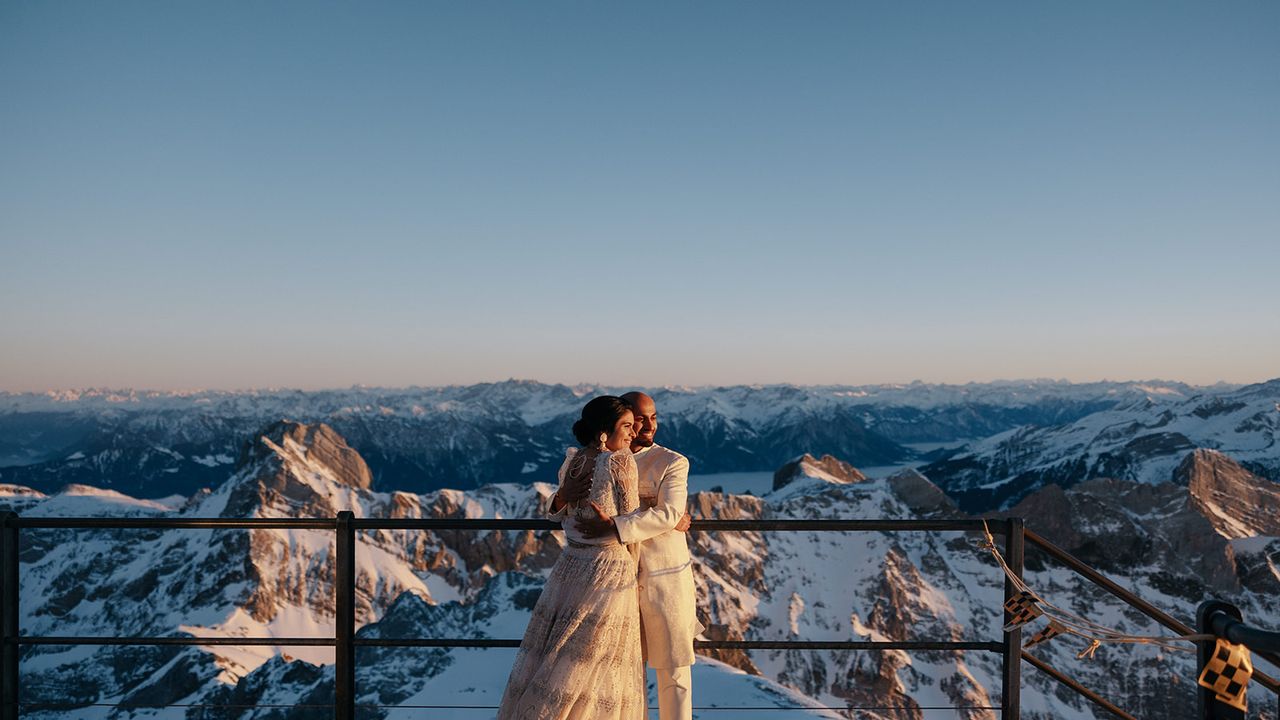
Planning an intimate destination wedding in the Alps requires more than just a scenic backdrop; it demands meticulous logistics and remote mountain venue scouting. Our 2026 guide covers everything from Swiss Alps wedding logistics to intimate alpine wedding ideas, ensuring your high-altitude celebration is as seamless as it is breathtaking. Whether you envision a snow-dusted chapel or a sun-drenched meadow, the secret lies in balancing the rugged mountain terrain with refined, luxury hospitality.
Quick Facts
- 2026 Budget Range: $11,000 – $35,000 USD for intimate celebrations; luxury events for larger groups range from 100,000 to 250,000 CHF.
- Ideal Guest Count: 30 to 50 people to maintain intimacy and ease of high-altitude transport.
- Best Season: July to September for alpine wildflowers; January to March for a classic winter wonderland.
- Legal Strategy: Symbolic ceremonies are highly recommended to avoid complex international bureaucracy.
- Primary Gateway: Zurich or Geneva, followed by the world-class Swiss railway system.
- Planning Lead Time: 12 to 18 months, especially for exclusive mountain chalet rentals.
Successful alpine wedding planning starts with hiring a specialized local planner who can conduct remote site inspections and video tours of mountain venues. Using digital project management tools helps keep guest logistics and vendor networking organized. Prioritize venues with reliable service reputations to ensure high-altitude logistics, like catering and decor transitions, are handled with professional care.
Essential logistics for a destination wedding in the Alps include coordinating international travel through hubs like Zurich and utilizing the efficient Swiss railway system. For remote peak ceremonies, transport guests via gondolas to provide panoramic vistas and a sense of adventure. Wedding websites should provide detailed communication on mountain conditions, transport schedules, and high-altitude attire to help guests navigate the terrain comfortably.
The Legal vs. Symbolic Reality Check
When you begin your alpine wedding planning, the first decision isn't the dress or the flowers, but the legal framework of your union. In Switzerland and much of the Alpine region, a legal marriage involves significant administrative hurdles, including translated documents and mandatory civil ceremonies in a local registry office, which often lacks the romantic ambiance of the peaks.
For this reason, nearly 90% of international couples opt for a symbolic ceremony. This allows you to handle the legalities in your home country and focus your alpine celebration entirely on the emotional and sensory experience. By choosing a symbolic path, you gain the freedom to host your ceremony at sunset on a glacier or deep within a secluded forest without worrying about the proximity of a government official. Utilizing digital planning workflows can help you track these dual timelines effectively.
| Feature | Symbolic Ceremony | Legal Civil Wedding |
|---|---|---|
| Location Flexibility | Unlimited (glaciers, meadows, private chalets) | Restricted to official registry offices |
| Paperwork | None required in-country | Extensive; requires certified translations |
| Customization | Full control over vows, music, and officiant | Standardized legal script |
| Cost | Minimal (officiant fee only) | Significant administrative and translation fees |
Remote Mountain Venue Scouting and Location Peaks
The Alps offer a diverse palette of aesthetics, from the jagged, iconic silhouette of the Matterhorn in Zermatt to the lush, waterfall-carved cliffs of Lauterbrunnen. For those seeking true seclusion, the Valais region offers hidden valleys where the only sounds are the wind and the distant chime of cowbells. When you cannot visit in person, scouting remote alpine wedding venues via video tours has become the gold standard. A local planner can walk through a property with a camera, showing you the exact angle of the sun at your ceremony time and the specific texture of the mountain chalet rentals.
According to the Switzerland Convention & Incentive Bureau, U.S. couples hosting destination weddings in Switzerland typically plan intimate events with guest lists ranging from 30 to 50 people. This smaller scale allows for more unconventional venue choices, such as high-altitude huts that would be impossible for a party of 200.
High-Altitude Logistics: Guest Travel and Comfort
Transporting your loved ones to the roof of Europe requires a blend of Swiss precision and thoughtful hospitality. The logistics for international guests traveling to the Alps often begin with the Swiss Travel Pass, which turns the journey into a scenic tour via the Swiss railway accessibility. The trains are not merely transport; they are glass-roofed galleries showcasing the changing landscape.
Once you reach your mountain base, managing guest transport via gondolas for mountain weddings adds an element of high-altitude adventure. However, it also requires strict scheduling. Ensure your wedding website includes a countdown to the final gondola descent, as missing the last lift can mean a long hike down.
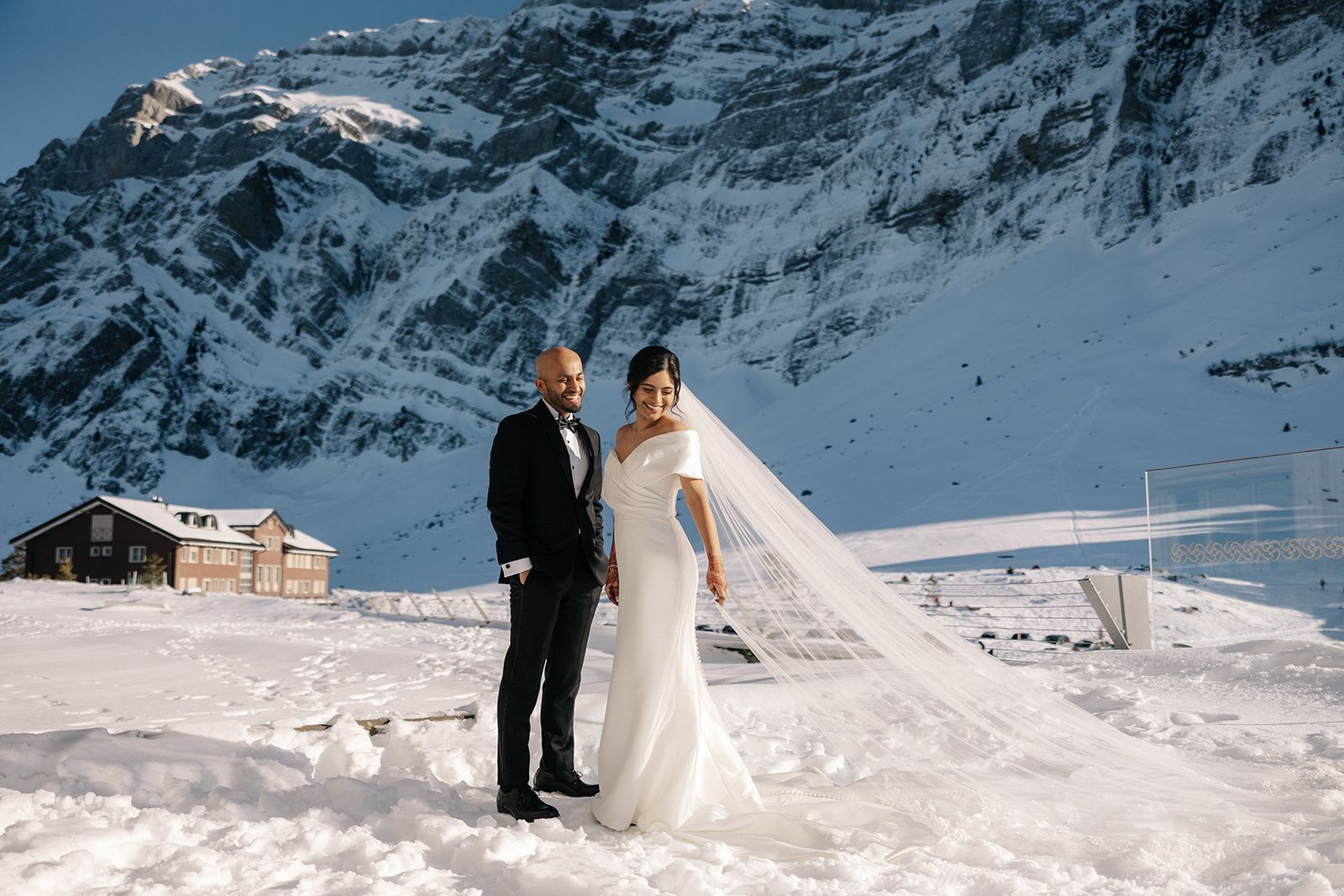
When preparing for changing weather during alpine outdoor ceremonies, you must account for the elements. Atmospheric conditions at 2,000 meters are unpredictable. High-altitude wedding attire should prioritize layers—think elegant pashminas for bridesmaids and velvet jackets for the groom. Furthermore, protect your guests from the intense mountain sun with high-SPF amenities and personalized sunglasses.
Technical precision is also vital. High-altitude logistics require specialized audio equipment because mountain winds can easily swallow the sound of soft-spoken vows. Work with localized vendor networking to find technicians who understand the acoustics of open peaks.
Design and Experience: Creating Intimacy
The trend for 2026 is moving away from generic ballroom luxury toward deeply personal, experience-driven celebrations. By 2025, multi-day, experience-driven wedding formats are projected to account for 64.8% of the European destination wedding market as couples increasingly combine ceremonies with local cultural activities.
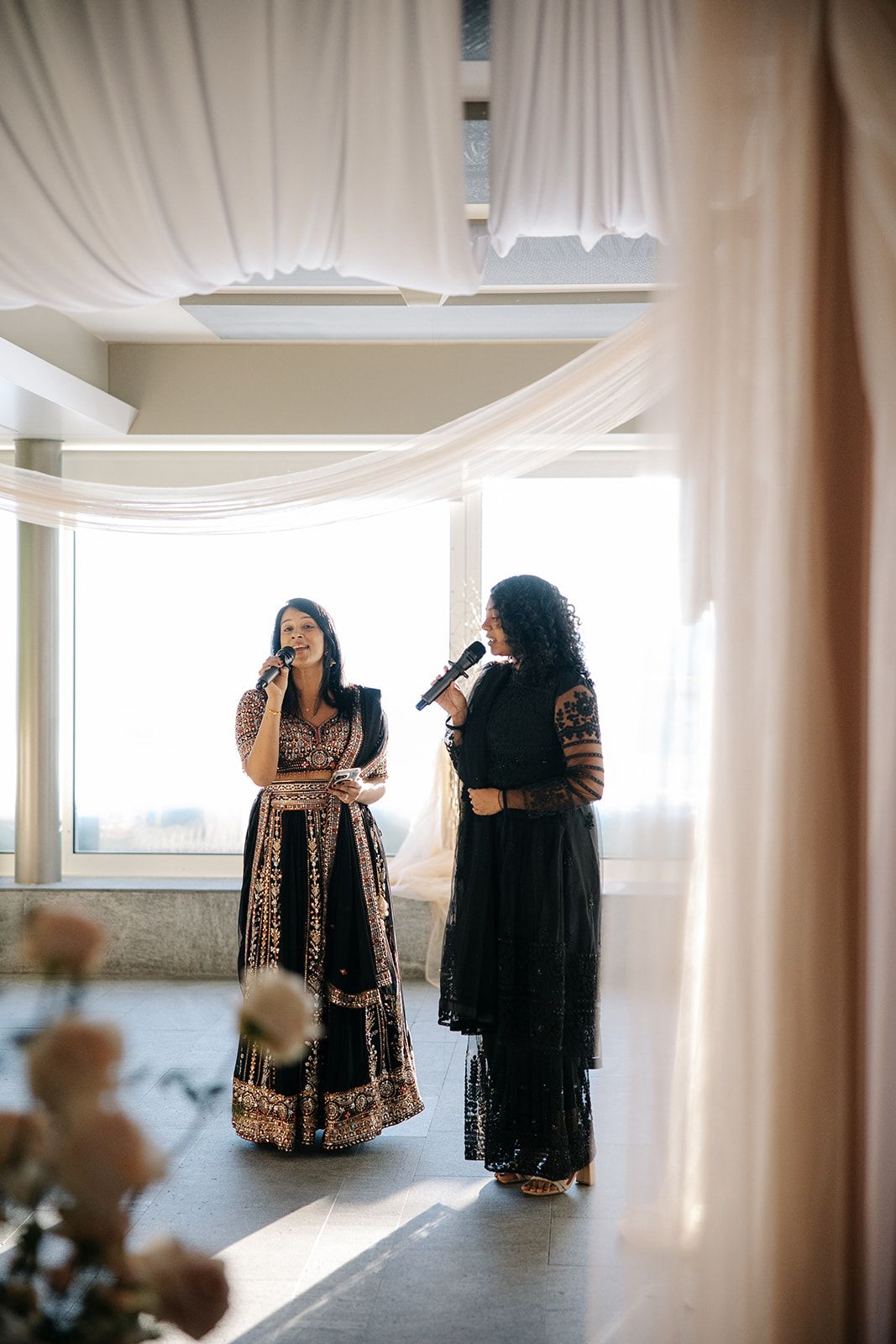
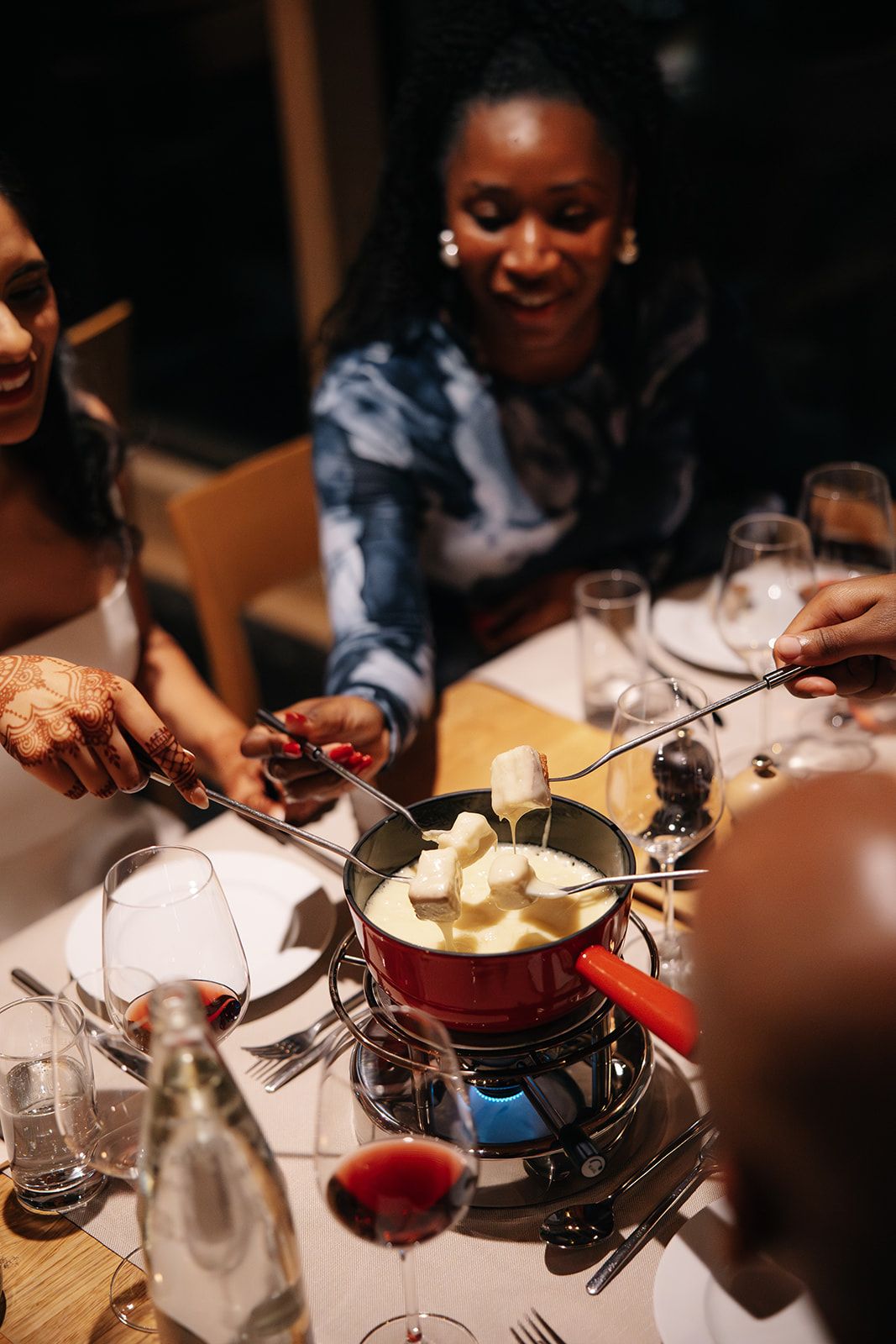
To create a unique atmosphere, blend alpine design aesthetics with personal heritage. Imagine a traditional fondue welcome dinner held in a candlelit barn to foster guest intimacy on the first night. For the ceremony, consider incorporating multicultural rituals; I have seen couples successfully weave the Indian Manthrakodi tradition into a mountain setting, where the rich silk of the sari provides a stunning contrast against the grey granite and evergreen branches.
Focus on a cozy and romantic theme by using natural elements like local larch wood, slate, and fireside reception vibes. The goal is to make the vastness of the mountains feel like a private sanctuary.
Financial planning for a destination wedding in the Alps is also more flexible with a smaller group. While luxury destination weddings in Switzerland for 80 to 120 guests often range from 100,000 to 250,000 Swiss francs, more intimate celebrations or elopements in the region are estimated to be feasible with a budget of 20,000 to 30,000 Swiss francs. This budget allows for a higher-than-average spend per guest, ensuring every meal and excursion is of the highest quality.

(Note: Please use the correct URL for the final image provided in the list: https://img.mytripflight.com/publisher/imagehub/550fbcec4c31.jpg)
FAQ
How much does it cost to have a wedding in the Alps?
For an intimate group of 30 to 50 guests, you should budget between 20,000 and 35,000 USD. This covers high-quality mountain chalet rentals, premium local catering, and transportation. However, grander celebrations at five-star resorts in St. Moritz or Gstaad can easily exceed 200,000 Swiss francs.
What is the best month for an Alpine wedding?
July and August offer the most stable weather and breathtaking wildflower meadows. If you prefer a winter aesthetic, late January through early March provides the most reliable snow cover for those iconic fireside reception vibes and snowy panoramic mountain vistas.
How do you plan a destination wedding in the mountains?
Success depends on hiring a local expert. Start with remote mountain venue scouting via video tours to narrow down your location. Focus on Swiss Alps wedding logistics such as guest transport and weather backups early in the process. Digital planning tools are essential for managing international vendors.
Do I need a special permit for a mountain wedding ceremony?
If you are hosting your ceremony on public mountain land or in a protected national park, a permit is often required. Private mountain chalet rentals or venues associated with mountain restaurants usually handle these permissions for you, but it is a critical item to verify during site inspections.
Can you get legally married outdoors in the Alps?
In Switzerland, legal marriages must typically take place within the walls of a civil registry office. However, some cantons have designated specific outdoor spots that are "officiated." Most couples choose to have a legal ceremony at home and host a breathtaking symbolic ceremony outdoors in the Alps to avoid these restrictions.