Quick Facts
- 2026 Surge: More than 250 new restaurant openings have redefined the city skyline over the last twelve months.
- Michelin Status: The city proudly holds 30 Michelin-starred restaurants, including three luminaries with the coveted three-star rating.
- Dining Density: San Francisco leads the nation with the highest concentration of eateries, offering 39.3 restaurants available for every 10,000 households.
- Hardest Reservation: Jules in the Lower Haight, where sourdough pizza tables vanish exactly 30 days out at midnight.
- Top Splurge: Wolfsbane in the Dogpatch district, where the tasting menu experience begins at $248 per person.
- National Ranking: San Francisco was recently ranked as the third-best foodie city in the country in a nationwide 2026 study.
San Francisco restaurants are entering a golden age in 2026, fueled by an AI-led economic boom and a record-breaking wave of over 250 new openings. This San Francisco dining guide explores why the city remains the ultimate foodie destination, blending historic charm with a fierce, forward-looking culinary innovation hub.
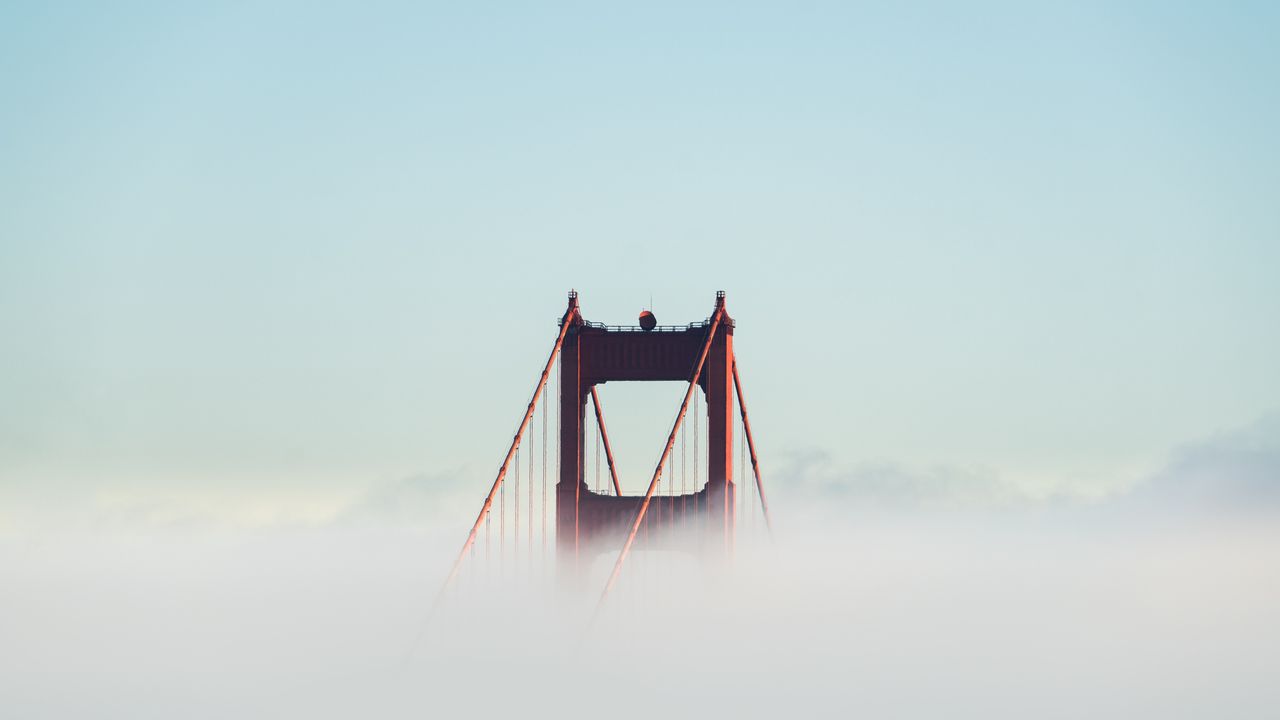
There is a specific kind of magic that settles over San Francisco when the evening fog, affectionately known as Karl, rolls across the Presidio. It is a city of microclimates and micro-cultures, where the scent of briny Pacific air often mingles with the aroma of toasted spices and naturally leavened bread. While critics spent years predicting the decline of the urban core, the reality on the ground tells a story of profound resilience and a spectacular renaissance.
As a culture and food editor, I have watched the city’s culinary map expand and contract, but the current expansion feels different. It is more intentional, more rooted in specific heritage, and bolstered by a new wave of diners seeking artisanal sourdough traditions and high-concept California cuisine evolution. From the industrial corridors of the Dogpatch to the breezy eucalyptus groves of the Presidio, the 2026 dining scene is vibrant, sophisticated, and undeniably hungry.
The Elite Tasting Journeys: Where to Splurge
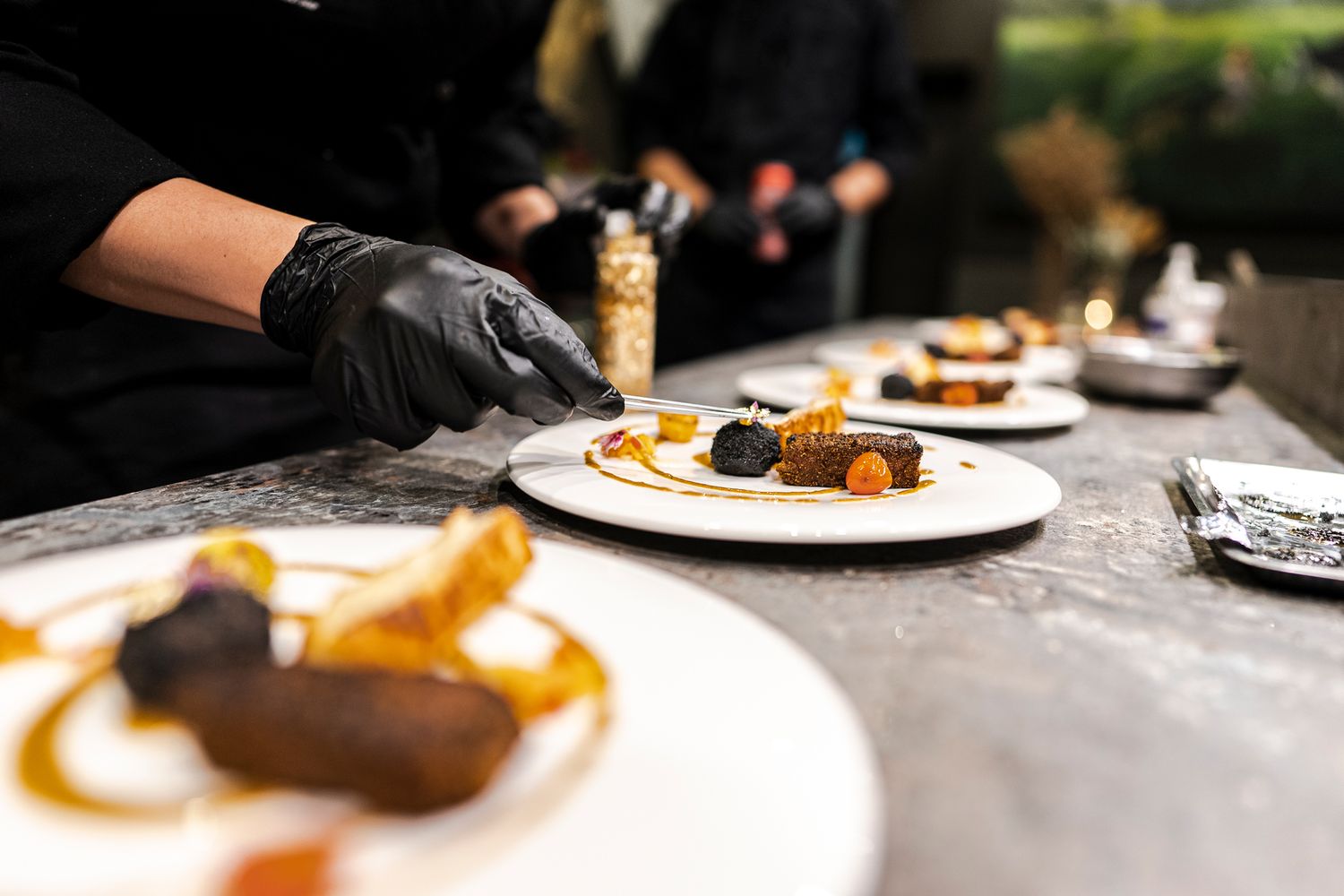
The pinnacle of the San Francisco dining guide experience has always been the tasting menu—an indulgent, multi-hour narrative that reflects the seasonality of Northern California. In 2026, this tradition has moved beyond the traditional white-tablecloth atmosphere into spaces that feel both atmospheric and architecturally daring.
Wolfsbane, located in the rapidly evolving Dogpatch, is the current darling of the fine-dining world. Led by a chef lineage that traces back to the legendary kitchens of Lazy Bear, the restaurant offers a window into the future of San Francisco fine dining tasting menus to try. The room is dark, moody, and intimate, serving as the perfect backdrop for a $248 menu that celebrates the raw, rugged beauty of the California coast. Expect dishes that lean heavily on wild-foraged ingredients and open-fire cooking, creating a sensory bridge between the city’s urbanity and its surrounding wilderness.
Meanwhile, the Mission District remains a bastion of innovation, specifically through the lens of modern Korean cuisine. San Ho Won continues to redefine high-end Korean barbecue, focusing on charcoal-hewn textures and premium cuts of meat that have earned it consistent Michelin-star accolades. For those seeking something even more esoteric, Suragan offers unique dining experiences in san francisco dogpatch and the Mission border, where the menu is inspired by historical 17th-century Korean cookbooks. It is a meal that feels like a history lesson as much as a feast, with seasonal menu philosophy guiding every fermentation and braise.
Reservation Hack: Wolfsbane Tables at Wolfsbane are released on a rolling basis 30 days in advance. To secure a spot for a weekend seat, you must be logged into the booking platform at exactly midnight. These are among the hardest san francisco restaurant reservations to get 2026 has to offer, so persistence is your only currency.
Global Flavors: The New Cultural Wave
What makes the current landscape so compelling is the shift toward regional specializations. We are moving past broad categories like "Mediterranean" or "Indian" and into hyper-specific explorations of terroir and tradition. This global flavor infusion is most evident in the Presidio and the Fillmore.
Dalida, nestled in the historic architecture of the Presidio, has become the standard-bearer for eastern mediterranean restaurants in the san francisco presidio. The kitchen focuses on the intersection of Sephardic, Turkish, and Greek culinary traditions. The space itself is breathtaking, with views of the bay that complement a menu featuring tableside spreads of tahini, freshly baked pita, and preserved seafood. It is a testament to how the city’s parks have transformed into major culinary destinations.
Further south in the Fillmore, Copra has elevated the conversation around South Indian cuisine. This is not your typical neighborhood curry house; it is an upscale South Indian cuisine destination that celebrates the coastal flavors of Kerala and Tamil Nadu. The interior, adorned with woven ropes and lush greenery, mimics the tropical landscapes of India’s southern tip. Signature dishes like the incense-smoked coconut ice cream offer a sensory anchor that lingers long after the meal has ended, proving that the city’s best new restaurants San Francisco locals frequent are those that refuse to compromise on cultural authenticity.
Neighborhood Gems & Artisanal Traditions
While the headlines often focus on the stars and the splurges, the soul of the city’s food scene is found in its neighborhood gems. These are the places where artisanal sourdough traditions meet upscale casual dining, creating the kind of "third spaces" that define San Francisco life.
The Richmond district, long known for its incredible dim sum and Burmese food, has seen a surge in new concepts like The Laundromat. This spot effortlessly transitions from a bagel shop in the morning to a vibrant wine bar and pizzeria at night. It captures the essence of the modern San Francisco dining guide: versatile, high-quality, and deeply rooted in the community. Similarly, Jules in the Lower Haight has become a cult favorite for those seeking the ultimate sourdough pizza. The crust is thin, tangy, and expertly charred, serving as a reminder that the city’s relationship with wild yeast remains as strong as ever.
In Hayes Valley, the opening of The Happy Crane has brought a new level of sophistication to contemporary Chinese dining. The menu is a playful but respectful nod to Cantonese classics, reimagined for a modern palate. Just a few blocks away, RT Bistro—a clever spin-off from the beloved Rich Table—offers the neighborhood a chance to enjoy the famous off-menu burger in a more relaxed, walk-in-friendly setting. It’s the perfect example of how established Michelin dynasties are evolving to meet the needs of a more casual, post-pandemic diner.
Must-Order Neighborhood Dishes
- RT Bistro: The porcini-dusted sourdough burger, a rich and earthy tribute to California agriculture.
- The Laundromat: Any pizza featuring seasonal stone fruit or spicy nduja.
- Jules: The classic Margherita to truly appreciate the complexity of their sourdough starter.
- The Happy Crane: Smoked squab with a honey-soy glaze that shimmers under the bistro lights.
Logistics: Mastering the 2026 Reservation Economy
Navigating the dining scene in 2026 requires more than just a healthy appetite; it requires a bit of strategy. The AI boom has contributed to a downtown revitalization that has made the restaurant scene more competitive than ever. The influx of tech capital means that prime-time tables at unique eateries San Francisco has recently welcomed are often booked weeks in advance.
To master the reservation economy, one must understand the "drop times." Most high-end establishments use platforms that release tables at midnight, varying between 14 and 30 days out. For those who prefer a more spontaneous evening, walking into wine bars like Ungrafted in the Dogpatch can be a rewarding alternative. Ungrafted combines a sophisticated wine list with top-tier snacks, proving that you don't always need a three-month lead time to experience the city's culinary innovation hub.
The James Beard nominees of the future are currently working in the small, open kitchens of the Mission and the Richmond. By supporting these smaller ventures, you aren't just getting a great meal; you are participating in the ongoing California cuisine evolution. The city’s status as a food mecca is not just about the numbers—though the highest concentration of dining establishments per capita in the United States is a significant feat—it is about the people who keep the sourdough starters bubbling and the wood-fired ovens glowing.
FAQ
What food is San Francisco most famous for?
San Francisco is internationally renowned for its artisanal sourdough traditions, which date back to the Gold Rush era. The city is also the birthplace of Mission-style burritos, Dungeness crab, and Cioppino, a rich seafood stew. In recent years, it has become equally famous for its farm-to-table sourcing and innovative fusion cuisines, particularly in the realm of high-end Korean and Indian dining.
What are the best neighborhoods for dining in San Francisco?
For 2026, the standout neighborhoods include the Mission District for its diverse and trendy eateries, the Richmond for authentic Asian fare and artisanal bakeries, and the Dogpatch for industrial-chic fine dining. The Presidio has also emerged as a premier destination for those seeking waterfront views and upscale Mediterranean concepts.
Do you need to make reservations for restaurants in San Francisco?
For the city's most popular destinations and Michelin-starred establishments, reservations are essential and often need to be made 30 days in advance. Many sought-after spots like Jules or Wolfsbane use online booking systems with specific release windows. However, many neighborhood gems and wine bars still cater to walk-ins, especially during weeknights.
Where can I find the best cheap eats in San Francisco?
San Francisco offers an incredible array of affordable dining, particularly in the Mission District where legendary taquerias serve world-class burritos. The Richmond and Sunset districts are the go-to areas for affordable dim sum, hand-pulled noodles, and Burmese salads. Additionally, the Historic Ferry Building features various artisanal stalls offering high-quality bites at a lower price point than formal sit-down restaurants.
Are there many Michelin-star restaurants in San Francisco?
Yes, San Francisco remains a global leader in fine dining with 30 Michelin-starred restaurants as of late 2025. This includes three establishments that have achieved the prestigious three-star rating, alongside a significant number of Green Star recipients recognized for their commitment to sustainable practices and ethical sourcing.
The resilience of the San Francisco food scene is a testament to the city’s enduring spirit. Whether you are tucking into a tray of oysters by the bay or navigating a 15-course tasting menu in a converted warehouse, the message is clear: the ultimate foodie destination hasn’t gone anywhere—it has simply evolved.