Quick Facts
- Location: Amazonas Region, Northern Peru
- Main Site: Kuélap Fortress (3,000m altitude)
- Key Feature: Circular stone architecture and 20m high walls
- Access: Teleférico system (cable car) from Nuevo Tingo
- Best Season: May to September (Dry Season)
- Cultural Status: Pre-Inca civilization (A.D. 500 – 16th Century)
Trace the legacy of the Chachapoya ruins Peru, the enigmatic Warriors of the Clouds who built massive stone citadels in the Amazonas region centuries before the Inca. This 2026 Kuélap fortress visitor guide provides essential tips for navigating the high-altitude cloud forest and exploring the remnants of a civilization that once commanded the vertical landscape of the Utcubamba Valley.
Introduction: Who Were the Warriors of the Clouds?
Long before the Inca expansion into the northern highlands, the Chachapoya people established a sophisticated society perfectly adapted to the rugged, vertical terrain of the Utcubamba Valley. Often referred to as the Warriors of the Clouds, this pre-Inca civilization thrived from approximately A.D. 500 until the Spanish conquest. Unlike the sharp angles of Incan masonry, Chachapoya ruins Peru are characterized by circular stone architecture and intricate geometric friezes that reflect a deep connection to the surrounding natural world.
While Machu Picchu captures the global spotlight, the northern Amazonas region offers a more visceral, uncrowded connection to history. At its peak, the Chachapoya civilization reached an estimated population of 500,000 people before facing conquest by the Inca Empire around 1470. The subsequent arrival of the Spanish led to a devastating population decline of roughly 90 percent within two centuries. Today, only about 5% of Chachapoya cultural sites have been formally excavated, making every journey into this region feel like a genuine archaeological expedition.
The Citadel of Kuélap: A Comprehensive Visitor Guide
Rising to an altitude of approximately 3,000 meters, the Kuélap fortress is the crown jewel of the Chachapoyan legacy. This massive settlement contains more than 400 structures enclosed by soaring limestone walls reaching up to 20 meters in height. Navigating the site requires an appreciation for its military and social engineering. The entranceways are designed as defensive funnels—narrowing significantly as you move inward—ensuring that any hostiles would have to enter in single file, making them easy to repel.
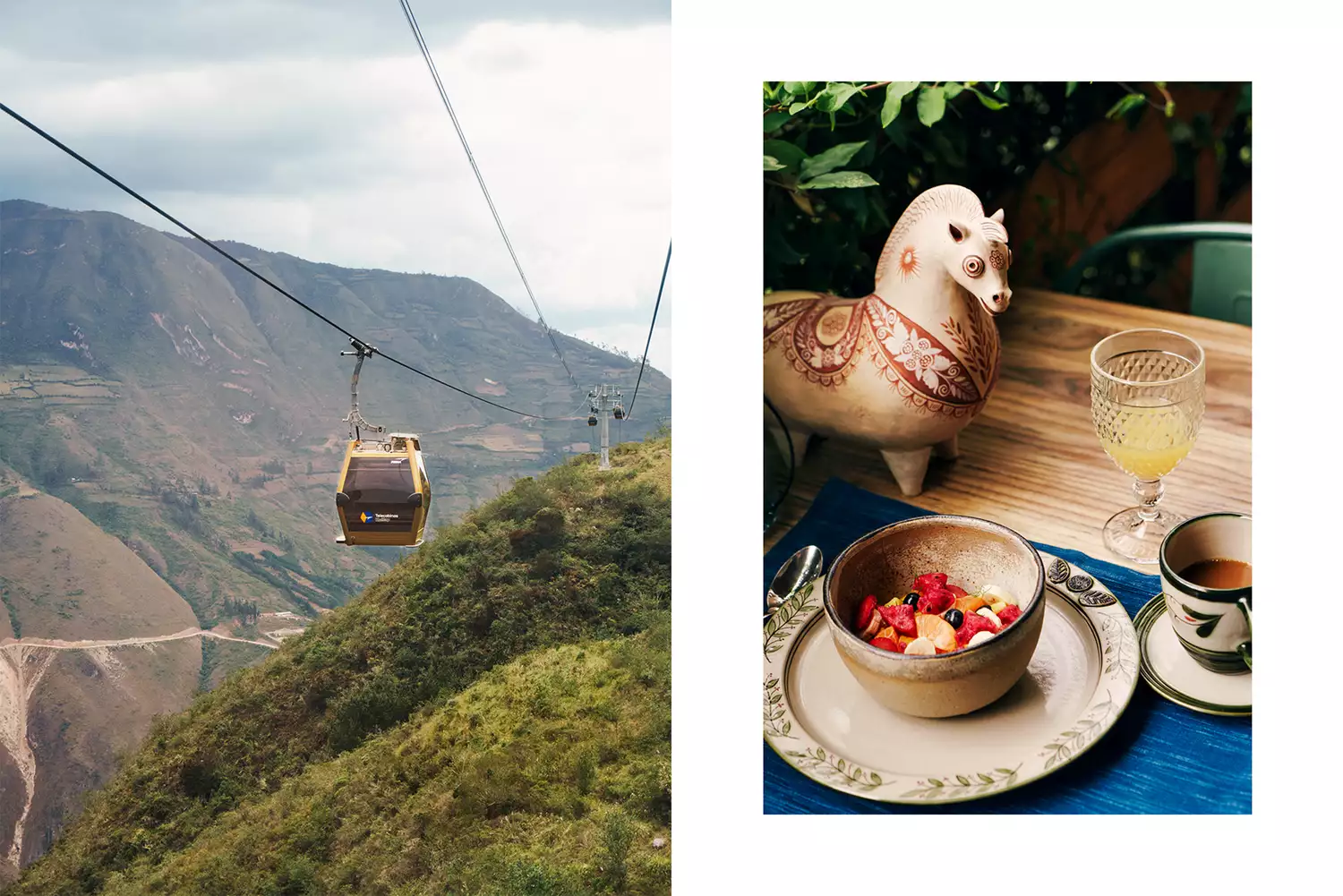
The experience of visiting the fortress has been transformed by the teleférico system. This modern cable car departs from the town of Nuevo Tingo, sweeping travelers over the valley for 4.4 kilometers in roughly 15 minutes. At a cost of around 23.5 soles, it bypasses the grueling multi-hour ascent that used to deter all but the most dedicated hikers. Once inside the citadel, the circular stone architecture becomes the focus. Look closely at the geometric friezes—patterns of rhombuses and zig-zags that represent eye-motifs and feline features, traditional symbols of protection and power in the cloud forest.
As you walk through the Lower and Upper Town sections, keep an eye out for the remains of the ceremonial buildings known as El Tintero (The Inkwell). These structures, which narrow at the base and widen toward the top, showcase the daring engineering of a people who lived at the edge of the sky.
Beyond Kuélap: Funerary Marvels and Secret Sites
The Chachapoya relationship with the dead was as profound as their architecture for the living. Beyond the fortress walls, the region is dotted with vertical cemeteries built into the faces of sheer cliffs. A primary highlight is visiting Cerro el Tigre sarcophagi Chachapoyas, where stylized coffins stand guard over the valley. These anthropomorphic sarcophagi, specifically the famous purunmachus at Karajía, are made of clay and wood, often painted with striking red ochre.
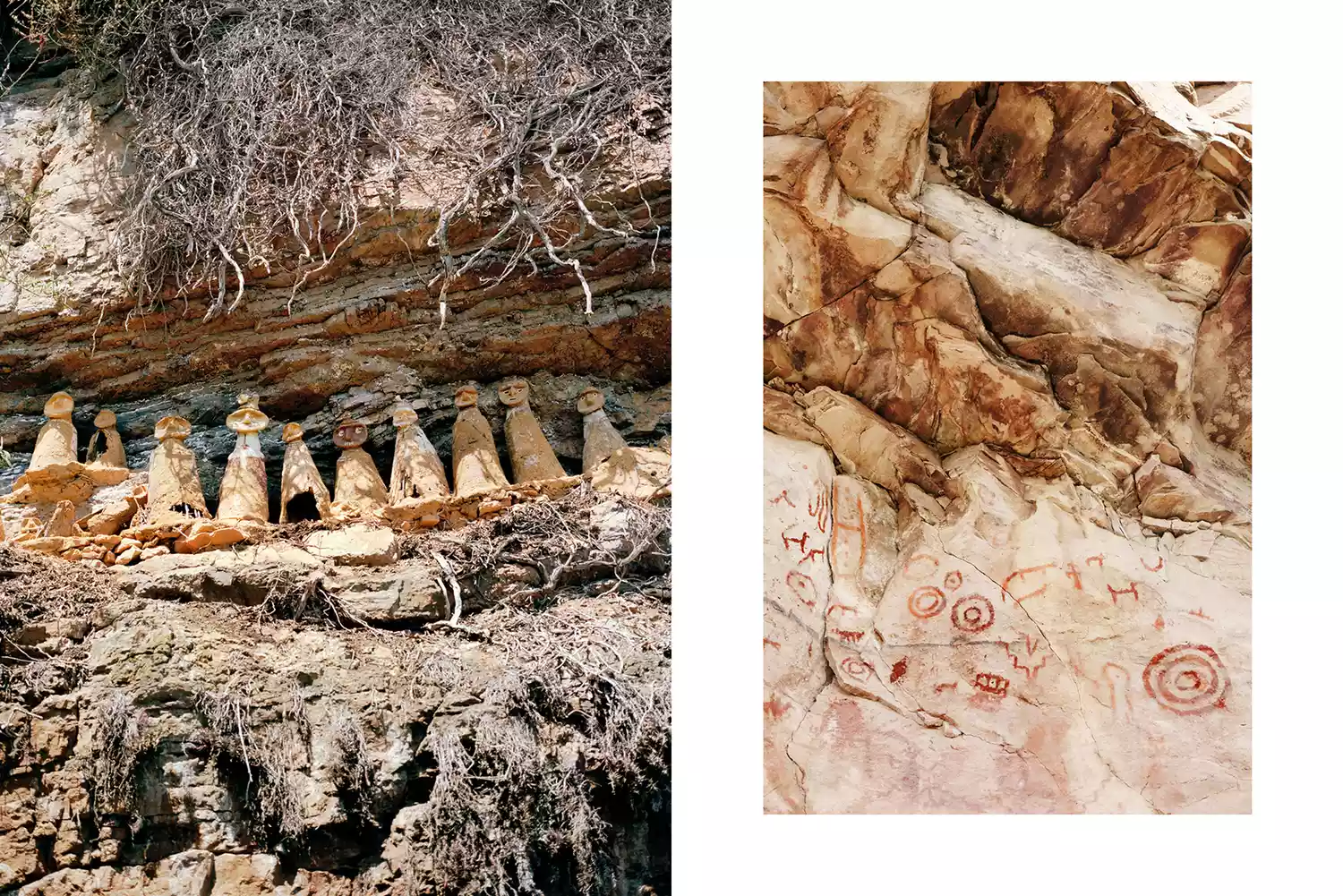
Each sarcophagus was designed to hold the remains of a high-ranking individual, placed in a fetal position to symbolize rebirth. These sites were intentionally built in inaccessible areas to protect the deceased from both the elements and looters. For visitors interested in the deeper spiritual life of these people, the remote cliffside mausoleums of La Petaca present an even more dramatic display. These small, house-like stone structures are perched on ledges hundreds of feet above the ground, a feat of logistics that still baffles modern observers.
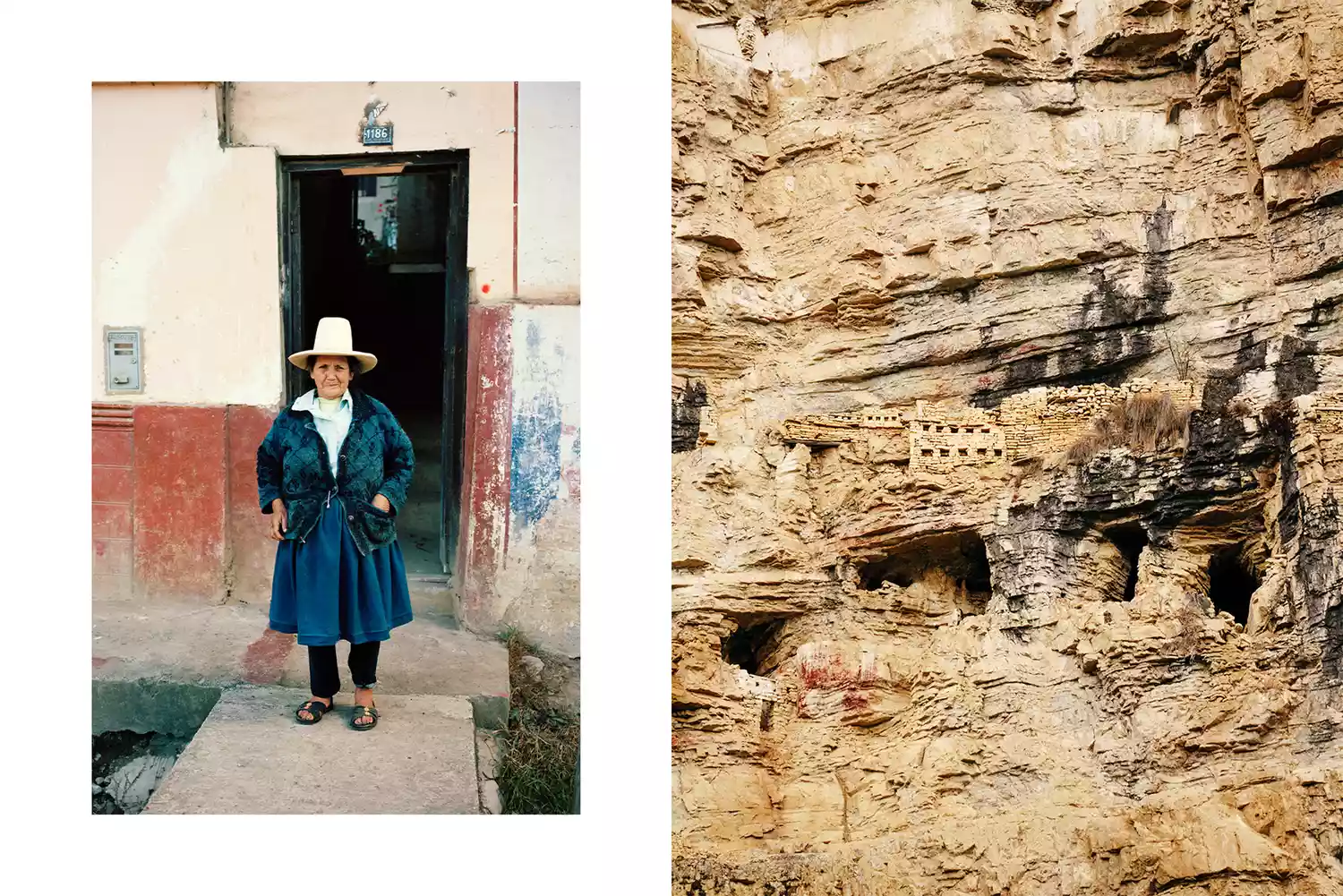
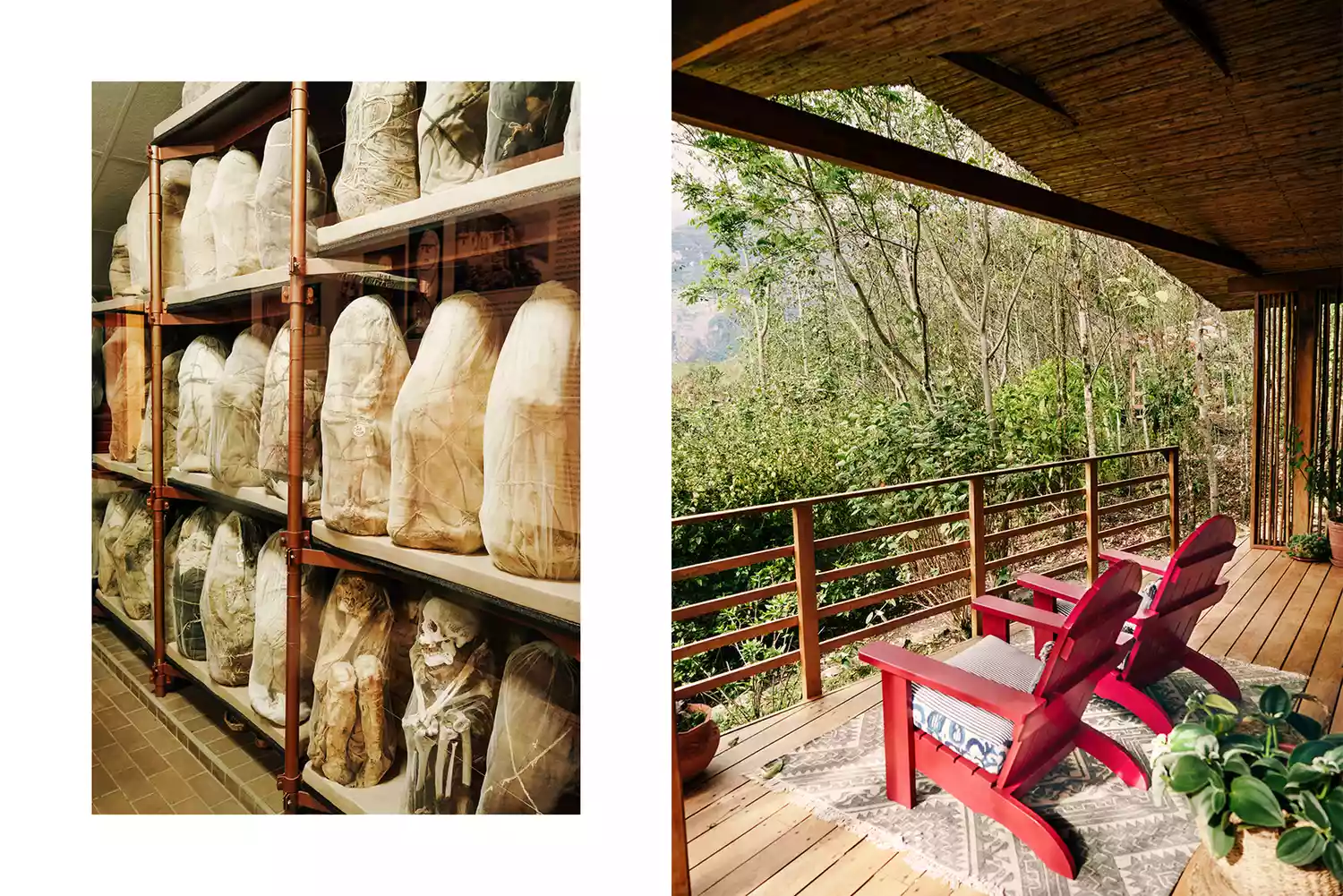
To see the artifacts recovered from these treacherous locations, a visit to the Leymebamba Museum is essential. Following a 1996 discovery at Laguna de los Cóndores, archaeologists performed high-stakes archaeological conservation to rescue over 200 mummies and thousands of artifacts. The museum houses these remains, providing an unparalleled look at the mummification rituals and delicate textiles that have survived the damp climate of the forest for centuries.
2026 Logistics: Getting to the Amazonas Region
Navigating the Amazonas Peru travel logistics for solo travelers has become significantly more streamlined in 2026, though a "reality check" regarding terrain is still necessary. Direct flights from Lima to Chachapoyas (CHH) operate approximately three times per week, taking about 90 minutes. However, these flights are weather-dependent; mist in the valley can occasionally cause delays.
For those with more time, the overnight bus from Lima or Chiclayo remains a popular, albeit winding, alternative. From the city of Chachapoyas, reaching the ruins usually involves a mix of private transport and local collectives.
| Transport Mode | Route | Estimated Cost (Soles) | Duration |
|---|---|---|---|
| Internal Flight | Lima to Chachapoyas | 280 - 450 | 90 minutes |
| Regional Bus | Chachapoyas to Nuevo Tingo | 10 - 15 | 1 hour |
| Private Guided Tour | Full Day (Kuélap) | 120 - 180 | 8 hours |
| Teleférico | Nuevo Tingo to Fortress | 23.5 | 15 minutes |
When choosing where to stay, the Chachapoyas eco lodging guide highlights properties that emphasize sustainable tourism. Towns like Cocachimba and Leymebamba are home to high-quality lodges that support local biodiversity hotspots. Staying in these areas allows you to contribute directly to reforestation efforts and community-led conservation programs.
Reality Check: Altitude and Terrain Most Chachapoya ruins Peru sit between 2,500 and 3,100 meters above sea level. Even the most seasoned travelers may feel the thin air. It is vital to spend at least 24 hours in Chachapoyas city before attempting strenuous hikes. The weather in the cloud forest can shift from blazing sun to torrential rain in minutes—waterproof gear and rugged footwear are non-negotiable.
Planning Your Trek: Weather, Altitude, and Itinerary
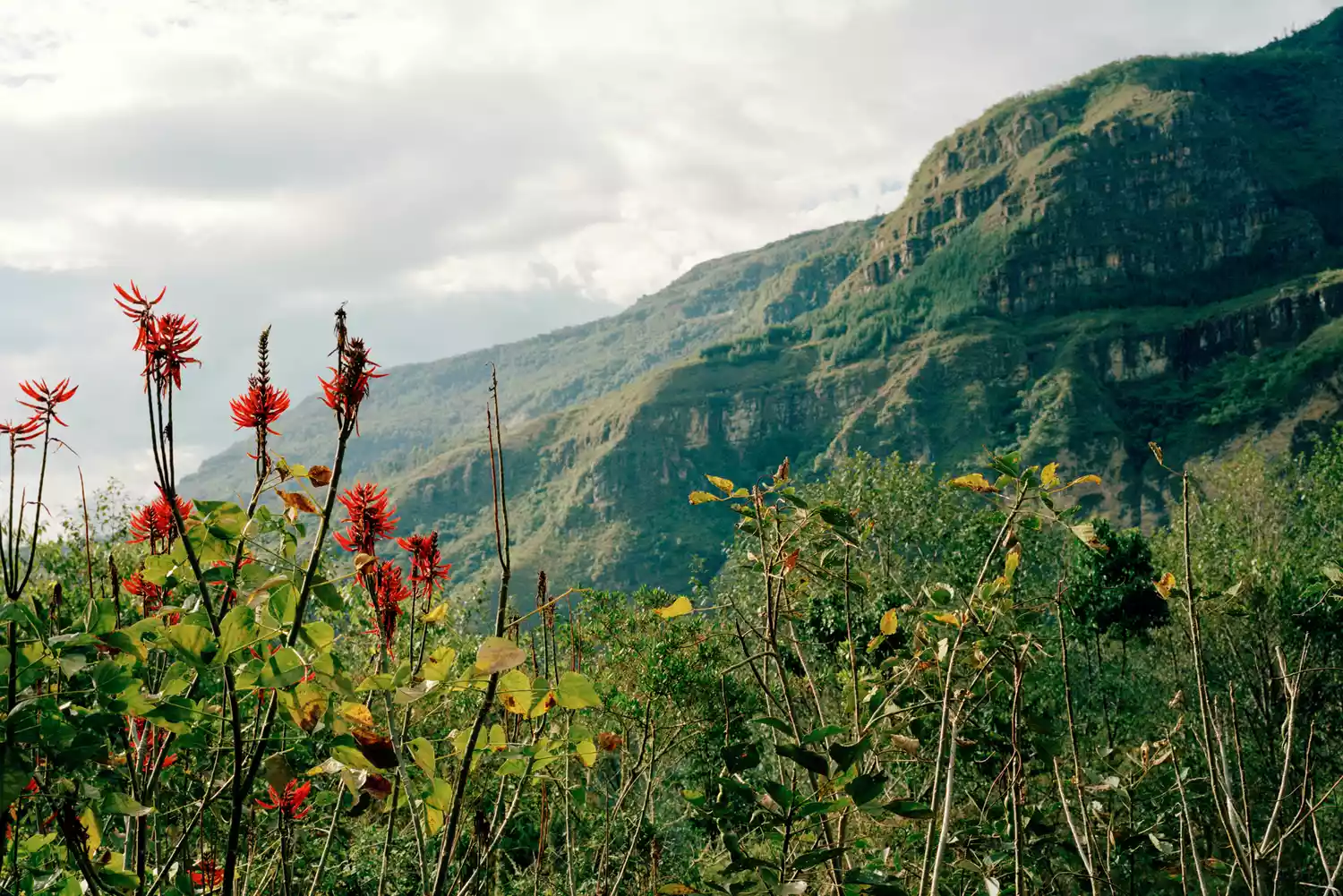
To truly appreciate the Chachapoya ruins Peru, I recommend a minimum stay of five to seven days. The dry season, running from May to September, offers the clearest skies for high-altitude trekking and photography. During this window, the views of the landscape—a dramatic tapestry of jade-green mountains and deep river canyons—are at their peak.
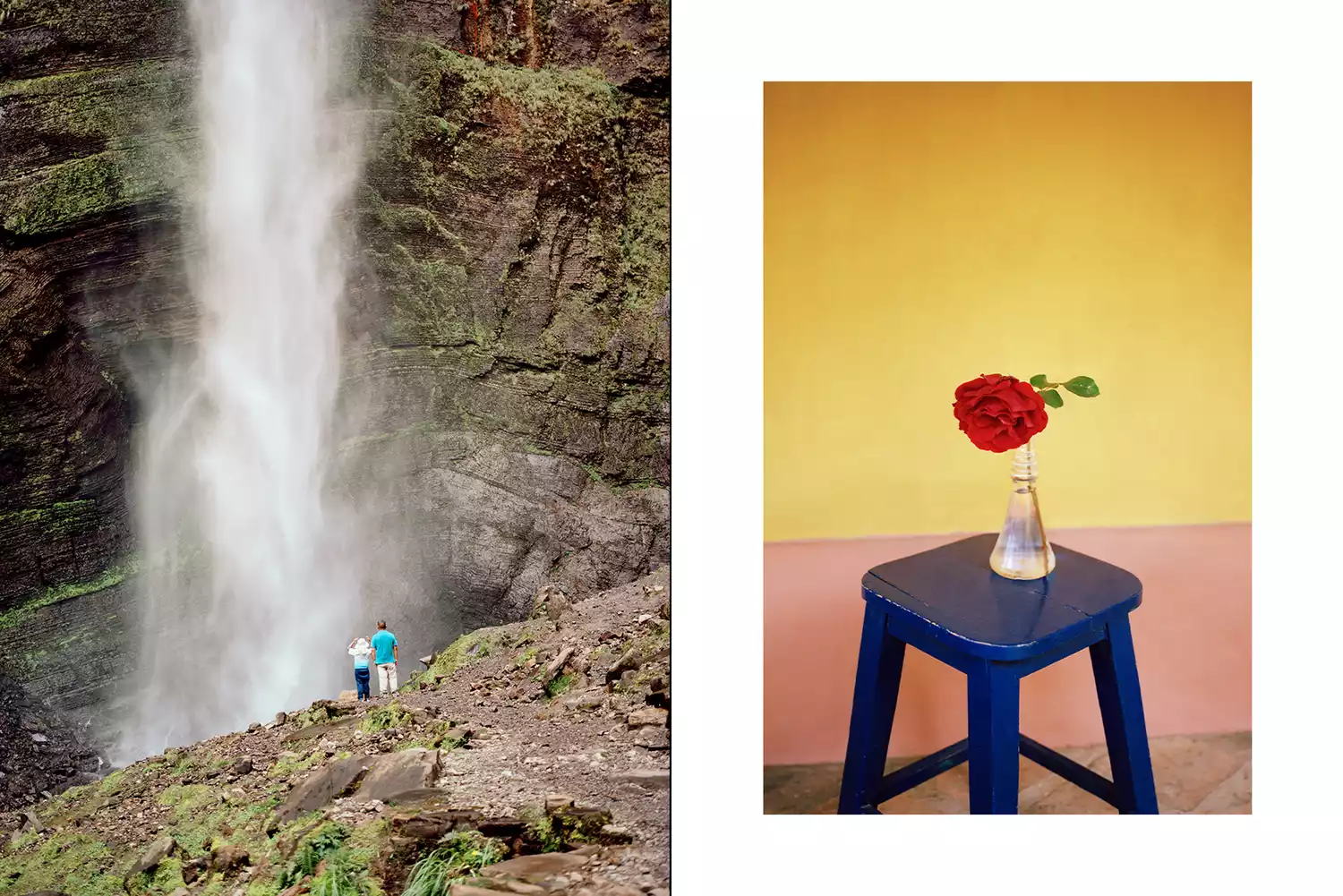
A common trekking loop includes the Gocta Waterfall, one of the world's tallest cascades. At 771 meters, the falls are a masterpiece of the Amazonas landscape. Hiking into the base of the falls through the mist provides a sensory bridge between the natural world and the ancient sites you will visit. Most visitors stay in the village of Cocachimba, which offers some of the best eco lodges near Chachapoyas Peru, with rooms often looking directly onto the waterfall from private balconies.
A sample 7-day itinerary might look like this:
- Day 1: Arrival in Chachapoyas; acclimatization and city walk.
- Day 2: Expedition to Kuélap via the teleférico system.
- Day 3: Transfer to Cocachimba; twilight hike to the Gocta viewpoint.
- Day 4: Full-day trek to the base of Gocta Waterfall or the upper falls.
- Day 5: Day trip to Karajía to see the anthropomorphic sarcophagi.
- Day 6: Journey to Leymebamba to visit the museum and mausoleum replicas.
- Day 7: Visit the pottery workshops of Huancas before departing.
By pacing your trip this way, you allow your body to adjust to the elevation while experiencing the diverse range of Chachapoyan culture, from their massive fortresses to their intricate burial customs.
FAQ
What are the most famous Chachapoya ruins in Peru?
The most renowned site is the Kuélap fortress, a massive walled city known as the Machu Picchu of the north. Other significant sites include the Karajía sarcophagi, the mausoleums of Revash, and the remote burial site at Laguna de los Cóndores.
How do you get to Kuelap and Chachapoyas?
Travelers usually fly from Lima to the Chachapoyas airport (CHH). From the city, it is a one-hour drive to the town of Nuevo Tingo, where the cable car station is located. Alternatively, long-distance buses run from Chiclayo or Tarapoto.
Is Kuelap older than Machu Picchu?
Yes, Kuélap is significantly older. While Machu Picchu was built by the Inca in the mid-15th century, the Chachapoya began construction on Kuélap as early as A.D. 500, making sections of the fortress roughly 1,000 years older than the famous Incan estate.
What is the best time to visit the Chachapoya region?
The ideal window is the dry season from May to September. July and August offer the most consistent weather, though the shoulder months of May and October are excellent for those seeking fewer crowds and greener landscapes.
How many days do you need to see the Chachapoya ruins?
A minimum of four days is required to see Kuélap and the Gocta Waterfall. However, five to seven days is recommended to include the Leymebamba Museum and the Sarcophagi of Karajía without rushing.