Quick Facts
- Best Arrival Hub: Choose Pereira (PEI) or Armenia (AXM) for reliable schedules and proximity to luxury stays.
- Peak Seasons: December through March and June through September offer the clearest skies for Andean views.
- Top Luxury Stay: Hacienda Bambusa, an eight-room sanctuary set within a working cacao and coffee estate.
- High-End Activity: Private sunrise hot air balloon flights over the Quindío department and the Cocora Valley.
- UNESCO Status: Recognized in 2011 as a unique cultural landscape reflecting a century-old tradition of coffee growing.
- Regional Flavor: Savor local Trucha al Ajillo (garlic trout) and artisanal Panela refreshments.
- 2026 Focus: Exclusive access to private estates and professional grade cupping sessions beyond the tourist circuit.
For high-end travelers in 2026, the Colombia coffee region offers immersive luxury through stay-at-home boutique haciendas and private helicopter or balloon excursions over the Andean cloud forest. The absolute best way to experience this is through a curated Eje Cafetero travel guide that avoids tourist traps like central Salento in favor of private estates in Filandia or Pijao.
There is a specific stillness that exists only in the high-altitude estates of the Colombian Andes. It begins as a whisper of mist rolling off the emerald ridges, carrying the scent of damp earth and the faint, sweet perfume of coffee blossoms. To visit the Colombia coffee region is to step into a living watercolor where every shade of green seems to have been invented just for this landscape. As we look toward 2026, the Eje Cafetero travel guide has evolved; it is no longer just about the bean, but about profound cultural intimacy and the architectural elegance of the heritage farms.
The region, geographically defined by the departments of Caldas, Risaralda, and Quindío, represents the heart of the world's finest Arabica cultivars. While many visitors flock to the colorful but crowded streets of Salento, the VIP traveler seeks the quietude of private estates where the lineage of the coffee tree is treated with the same reverence as a Grand Cru vineyard in Bordeaux. Here, luxury is defined by space, silence, and the personalized service that only a boutique hacienda can provide.
Refined Retreats: Luxury Haciendas in the Heart of Quindío
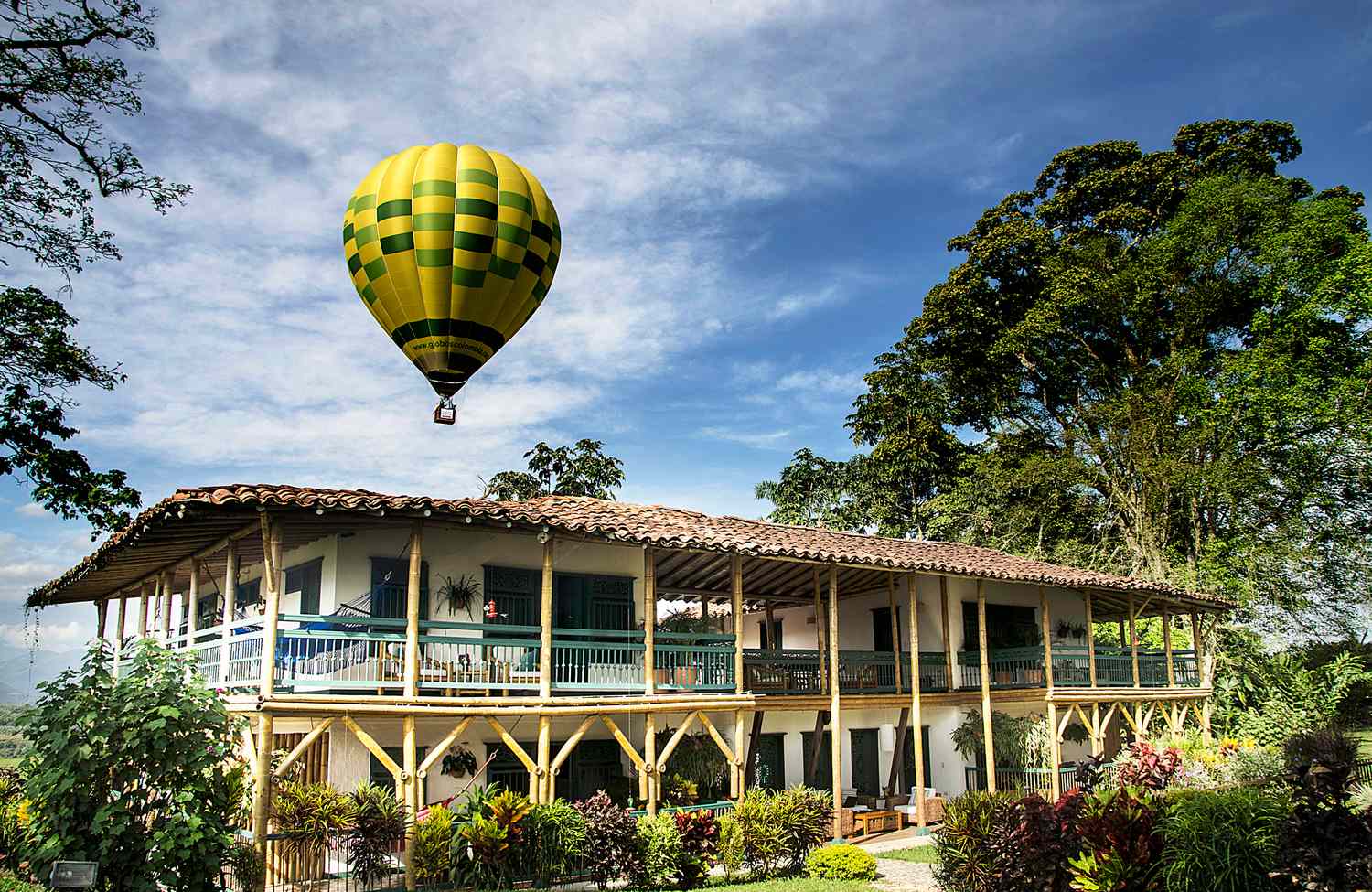
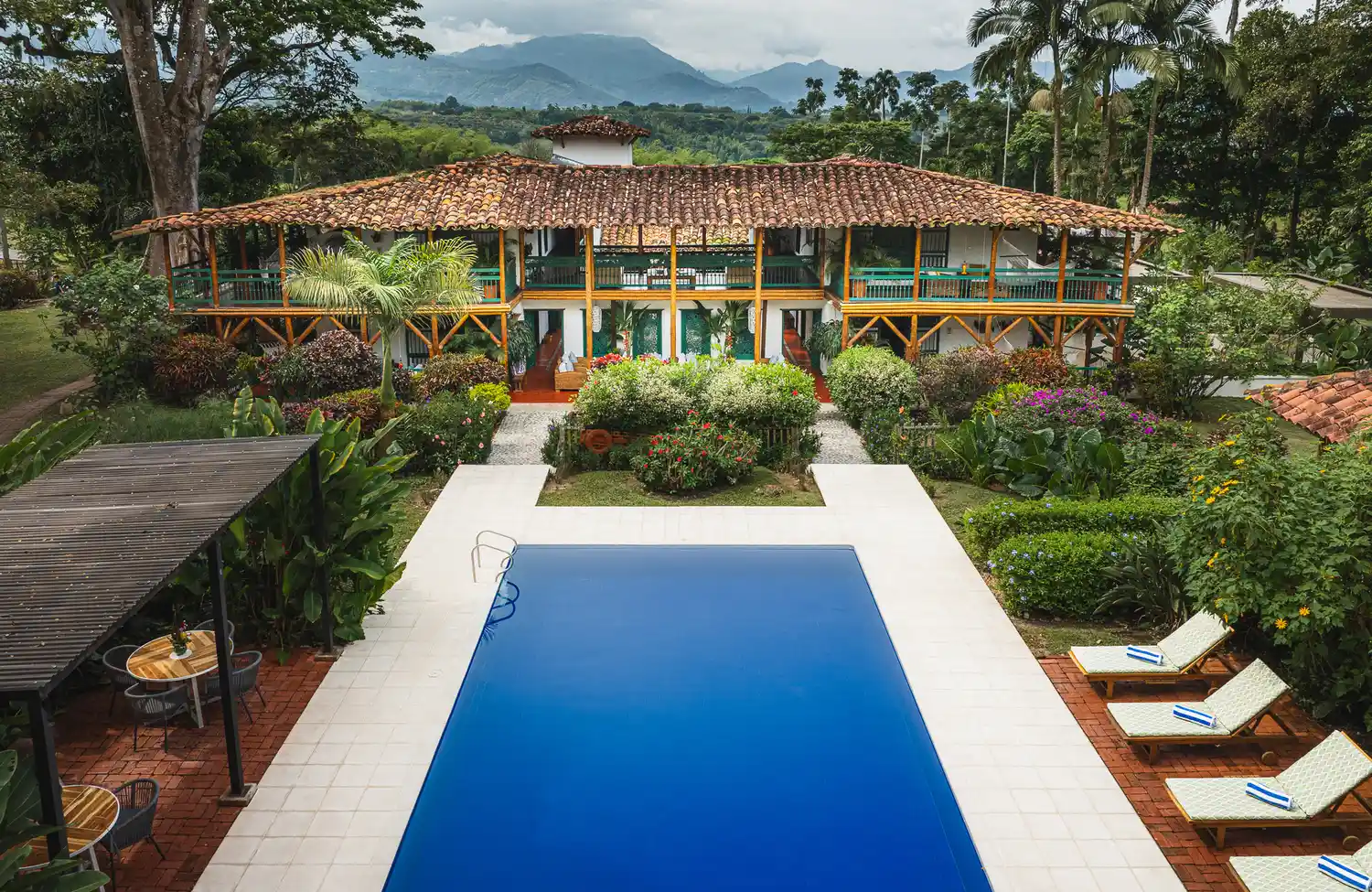
In the Quindío heartland, luxury is synonymous with the traditional hacienda. These are not merely hotels; they are historic family estates that have been mindfully reimagined for the modern traveler. The hallmark of these boutique coffee farm retreats in quindio is the use of guadua bamboo architecture. This native bamboo is often called vegetal steel, and its presence in the soaring ceilings and wrap-around balconies of properties like Hacienda Bambusa creates an organic, airy elegance that feels deeply rooted in the soil.
Hacienda Bambusa remains the gold standard for luxury haciendas Colombia coffee region. With only eight rooms, the experience is intensely private. Imagine waking up to a symphony of tropical birds, the morning light filtering through the cacao trees, and a table set for a gourmet breakfast featuring fruit gathered from the property’s own groves. This is where the emotional moments of travel happen—the quiet conversation with a host who knows the history of every mountain peak on the horizon, or the feeling of the cool mountain air as you dip into a private pool overlooking the forest.
Further into the hills, properties like La Casa en las Nubes (The House in the Clouds) offer a literal perspective on the region’s beauty. These eco-luxury stays prioritize seclusion and tailored services, ensuring that your itinerary is dictated by your own rhythm rather than a group schedule. Whether it is a sunset yoga session on a platform overlooking the valley or a private dinner prepared by a chef specializing in Andean fusion, the focus is on a sense of place.
Aerial and Arboreal: VIP Adventures in the Cocora Valley
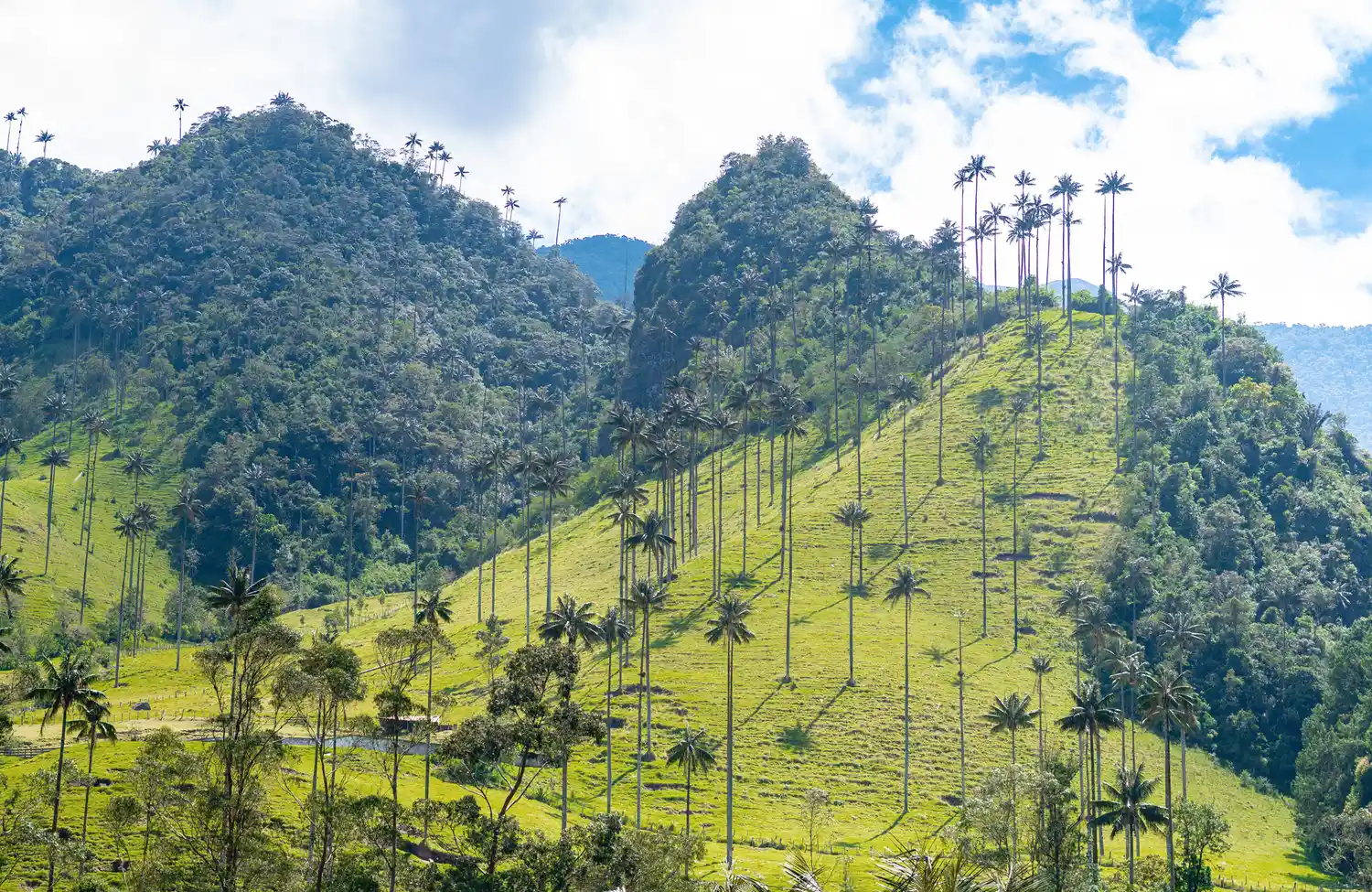
The Cocora Valley is iconic for its wax palms, the national tree of Colombia, which reach heights of up to 60 meters. However, for the VIP traveler, the traditional hike is often passed over in favor of more exclusive perspectives. For a truly unforgettable experience, consider how to experience a private hot air balloon flight in quindio. Lifting off at dawn, you drift silently over the mist-shrouded canopy, watching the sun illuminate the Coffee Cultural Landscape of Colombia, a region that was designated as a UNESCO World Heritage Site in 2011 for its exceptional blend of nature and human industry.
Once back on firm ground, the best private tours of cocora valley wax palms bypass the main entrances. Your private guide will lead you to secluded sections of the Andean cloud forest where you can enjoy a chef-catered picnic under the shadows of these prehistoric-looking trees. These palms can live for over 200 years, and standing beneath them in total silence—away from the shutter-clicks of day-trippers—is a powerful reminder of the region’s ancient ecological heritage.
For those who prefer a more active but equally refined adventure, equestrian trips through the private trails of high-altitude estates offer a connection to the traditional arriero (muleteer) culture. Astride a well-trained Paso Fino horse, you can navigate the steep slopes and hidden waterfalls that make the Colombia coffee region so dramatic. These excursions are often paired with a visit to a remote farm where you can see the artisanal production of panela (unrefined cane sugar), a staple of regional life.
From Bean to Barista: Professional Cupping and Gastronomy
Understanding coffee in this part of the world requires moving beyond the cup. While Colombia is the world's third-largest coffee producer, the focus here has shifted toward specialty micro-lots. The country reached a record high production of 14.8 million 60-kilogram bags during the 2024-2025 coffee year, a 17% increase that reflects the incredible vitality of the local estates.
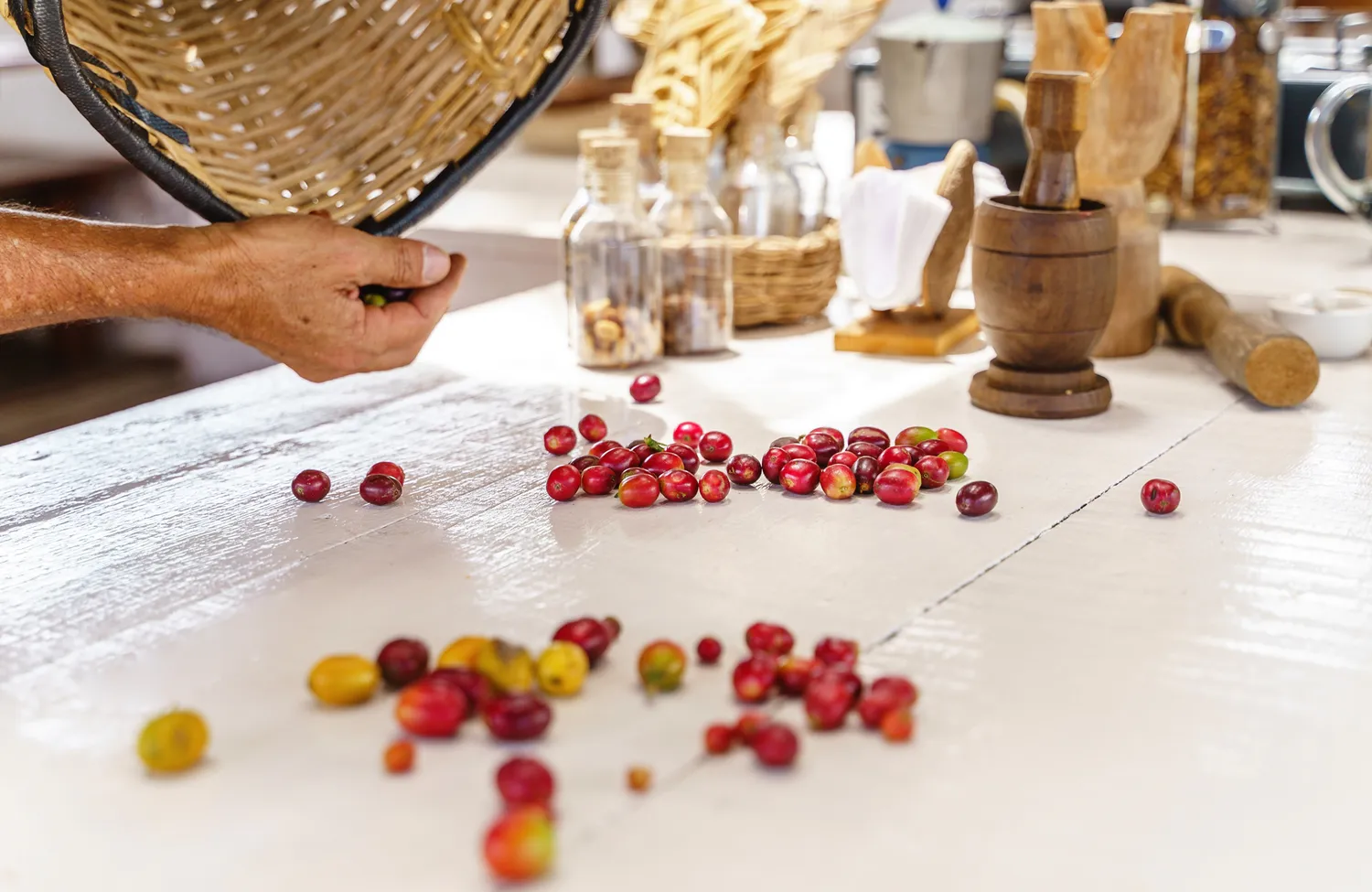
Exclusive coffee tasting experiences eje cafetero go far beyond a simple tour. We recommend professional cupping sessions led by award-winning sensory experts. In these sessions, you will learn to identify the complex notes of the best Arabica cultivars—hints of jasmine, red berries, and caramel that are influenced by the volcanic soil and unique humidity of the Andes. You might visit during the Mitaca (the secondary harvest), gaining insight into the sustainable harvesting techniques that define the region's premium output.
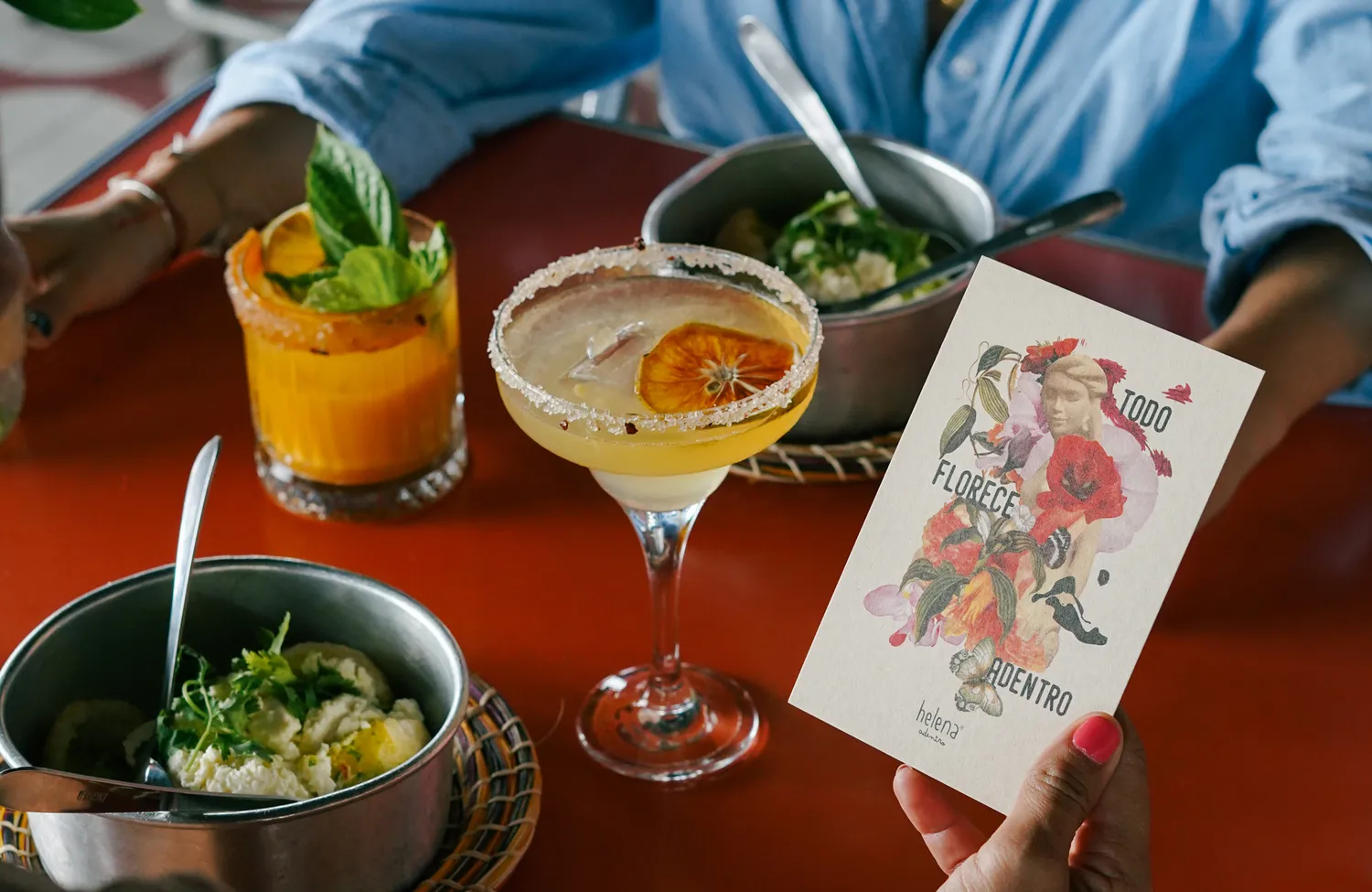
Gastronomy in the region has witnessed a sophisticated renaissance. In the charming town of Filandia, Helena Adentro has become a destination in its own right, known for its inventive take on traditional flavors and its vibrant, sensory-rich ambiance. For those seeking gourmet restaurants and fine dining in armenia colombia, Cerón stands out as a masterclass in upscale Andean cuisine. Here, local ingredients like rainbow trout, mountain plantains, and exotic fruits are transformed into multi-course presentations that rival any Michelin-starred establishment in Bogota.
The dining experience here is often about the view as much as the palate. Many of the finest tables are situated on terraces where you can watch the sky turn indigo over the coffee groves as you sip a cocktail infused with coffee-cherry skins or local herbs. This blend of agricultural authenticity and culinary refinement is the hallmark of the 2026 travel experience.
2026 Logistics Masterclass: Planning Your Arrival
Navigating the Colombia coffee region requires a nuanced understanding of geography and weather. While the area is served by three main airports—Pereira (PEI), Armenia (AXM), and Manizales (MZL)—high-end travelers are often advised to favor PEI or AXM. The Manizales airport is famous for weather-related delays due to its high altitude and frequent afternoon fog. A seamless arrival in Pereira followed by a private luxury SUV transfer is the most reliable way to begin your journey.
Luxury travel planning for colombia coffee triangle 2026 should also account for the seasonal rhythms of the Andes. The best time for a VIP visit is generally between December and March or June and September to ensure favorable weather for outdoor excursions. During these months, the humidity is manageable, and the clear morning skies are ideal for photography and aerial tours.
- Transportation: While the iconic Willys Jeep is the traditional way to navigate the steep hills, many luxury haciendas provide private, air-conditioned transport for longer journeys between Caldas and Risaralda.
- UNESCO Heritage: Ensure your itinerary includes the smaller, preserved towns like Pijao, which was the first town in Latin America to join the Cittaslow (Slow City) movement, emphasizing quality of life and heritage preservation.
- Sustainability: Look for estates that participate in sustainable harvesting programs, which ensure fair wages for the pickers and use water-milling processes that protect the local rivers.
FAQ
What is the best time to visit the Colombia coffee region?
The peak periods are December to March and June to September. These months offer the most stable weather, with clear mornings that are perfect for outdoor activities like ballooning over the Cocora Valley and visiting high-altitude estates.
Which town is best to stay in the Colombian coffee axis?
For a luxury experience, staying in a private hacienda outside of Filandia or Armenia is recommended. While Salento is famous, it can be crowded. Towns like Filandia and Pijao offer a more authentic, sophisticated atmosphere with easier access to boutique coffee farm retreats in quindio.
How do I get to the coffee region from Bogota?
The most efficient way is a short 45-minute flight from Bogota to Pereira (PEI) or Armenia (AXM). From these hubs, private transportation can whisk you to your hacienda in less than an hour. Helicopter charters are also increasingly available for those seeking a direct, scenic arrival.
Is the coffee region in Colombia safe for tourists?
Yes, the coffee triangle is widely considered one of the safest and most welcoming regions for international travelers in Colombia. The local culture is deeply hospitable, and the rural estates provide a secure, private environment for high-end guests.
What are the best things to do in the Coffee Triangle?
Must-do experiences include professional cupping sessions at award-winning estates, private morning tours of the Cocora Valley, and sunrise hot air balloon flights. Dining at renowned spots like Helena Adentro and exploring the UNESCO World Heritage cultural landscape with a private guide are also top activities.
As you finalize your luxury travel planning for colombia coffee triangle 2026, remember that the heart of this region is its people and their connection to the land. Whether you are holding a warm cup of freshly roasted Arabica or watching the sunrise over the wax palms, the Colombia coffee region offers a sense of romantic timelessness that few other places on earth can match. Book your hacienda stay early, as the best boutique properties often have limited inventory and high demand from discerning travelers worldwide.