Quick Facts
- 2026 Ranking: Named the #1 Beach in Florida by Dr. Beach
- Entry Fee: $6.00 per vehicle (up to eight passengers)
- Operating Hours: 8 a.m. until sundown, 365 days a year
- Geological Features: Fine white quartz sand and a unique hard-bottom reef
- Top Activities: Shelling, snorkeling, and kayaking in Water Turkey Bay
- National Standing: Ranked at the number four spot in 2025 among all U.S. beaches
- Location: Barrier island in North Naples, Collier County
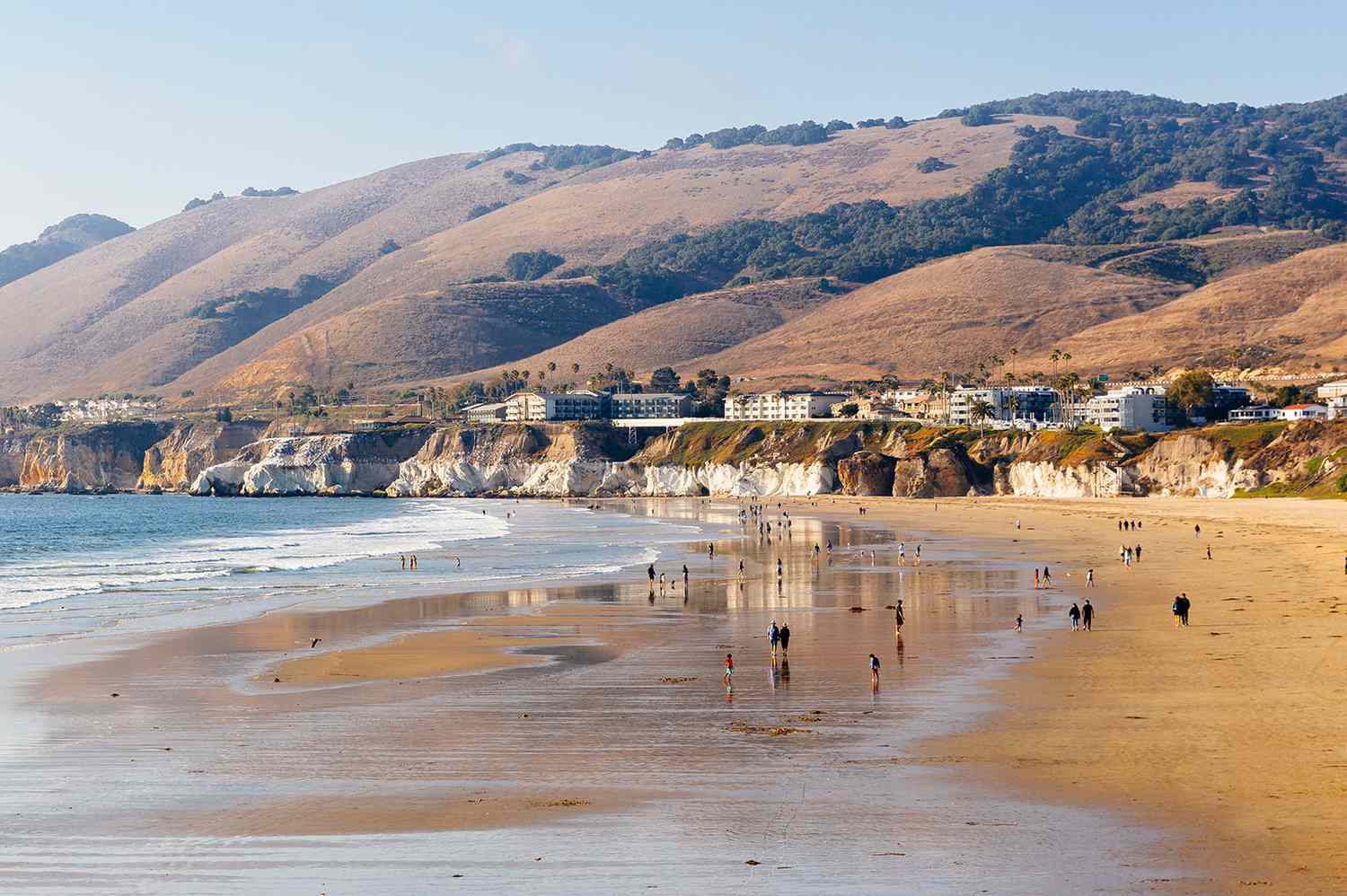
Dr. Stephen Leatherman, known globally as Dr. Beach, ranked Delnor-Wiggins Pass State Park as the top beach in Florida for 2026 due to its pristine white quartz sand and crystal-clear Gulf waters. Located on a barrier island near Naples, the park was praised for its shoreline ecosystem, shaded areas provided by pine trees, and opportunities for wildlife spotting, including bald eagles, ospreys, and manatees.
The Science of the #1 Ranking: Why Dr. Beach Chose Delnor-Wiggins
To understand why this specific stretch of the Florida coastline has ascended to the top of the state’s prestigious rankings, one must look at the methodology behind the selection. Dr. Stephen Leatherman, a professor at Florida International University, does not base his selections on subjective beauty alone. Instead, he utilizes a rigorous checklist of 50 different criteria, ranging from the physical softness of the sand and water temperature to bathing safety and overall environmental health.
In recent years, Delnor-Wiggins Pass State Park has shown a remarkable upward trajectory in its national standing. The park improved its national positioning in Dr. Beach's rankings, climbing from the number eight spot in 2024 to number four in 2025. This consistent performance highlights the success of the Florida State Parks system in maintaining high standards of coastal conservation, even in the face of environmental challenges.
Central to Why Dr. Beach ranked Delnor-Wiggins Pass the #1 Florida beach is the quality of the sand. Unlike many other beaches that use crushed shells or imported sediment, this park features authentic white quartz sand, which remains cool to the touch even under the intense Florida sun. This geological trait, combined with the lack of high-rise development directly on the beachfront, creates a serene atmosphere that is increasingly rare in Southwest Florida.
Furthermore, the park serves as an ecotourism hub, balancing recreational access with the protection of vital habitats. The ranking reflects more than just a place to sunbathe; it acknowledges the park as a model for sustainable travel and a testament to the resilience of Florida’s natural resources.
Planning Your Visit: Reopening Status and Logistics
Navigating a visit to a top-tier destination requires a clear understanding of current logistics, especially as the park continues to optimize its infrastructure. For those utilizing this Naples Florida beach guide, the first rule of visiting is arriving early. Because this is a protected barrier island with limited parking capacities, the entrance often closes temporarily once the lots are full, particularly on weekends and during the peak winter season.
The park is open daily from 8 a.m. until sundown with an entry fee of $6.00 per vehicle. For single-occupant vehicles or pedestrians, the fee is reduced to $2.00. This entry fee helps fund the ongoing maintenance and shoreline restoration efforts that keep the park in its award-winning condition.
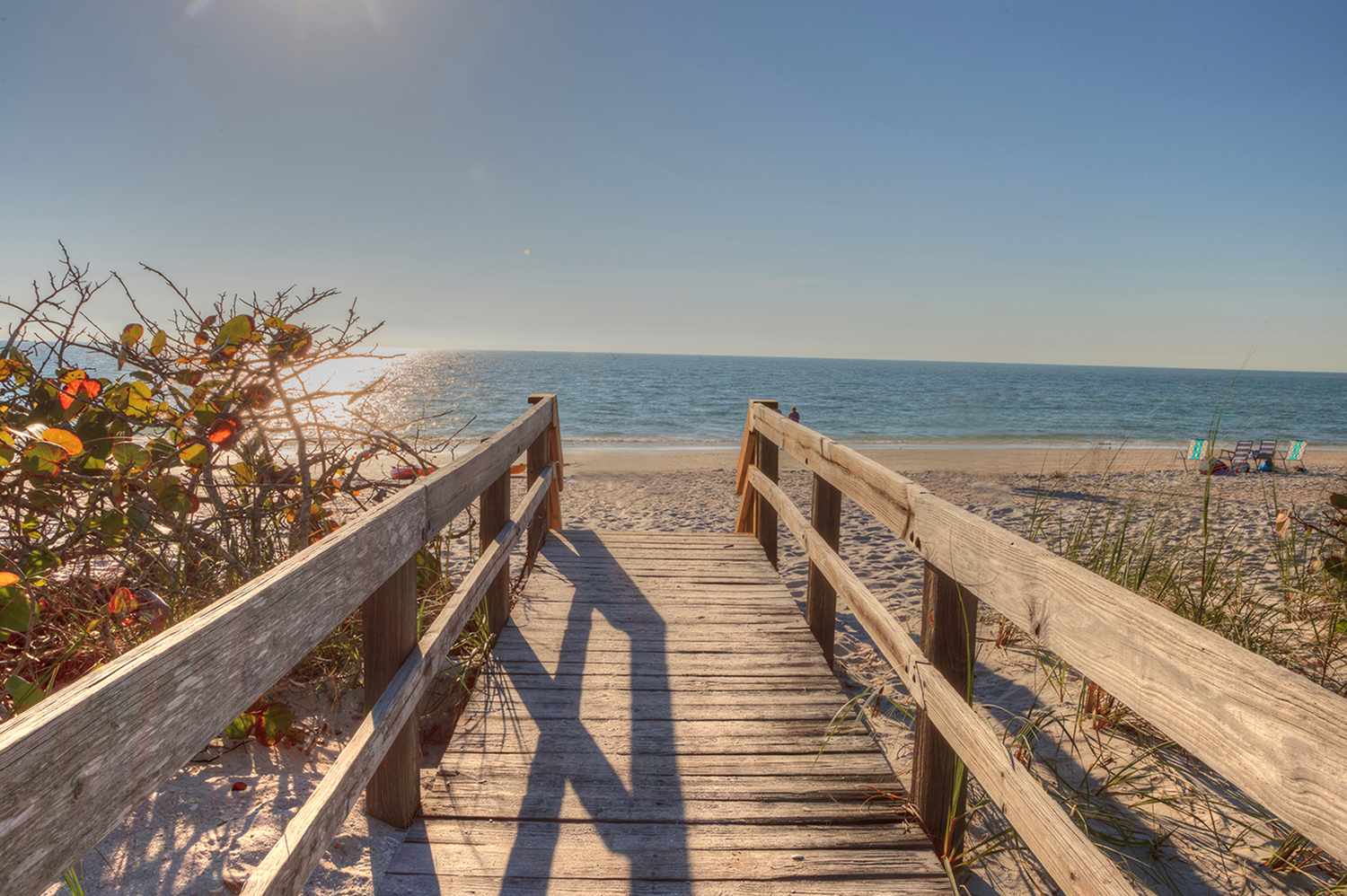
Infrastructure and accessibility at the park are organized into six distinct parking areas, each offering boardwalk access to the Gulf of Mexico. For those looking for the ideal balance between facilities and beach access, Area 3 is frequently recommended by locals as it is central to the picnic pavilions and restrooms. Park amenities include picnic pavilions with grills, outdoor showers for rinsing off sand, and designated areas for changing.
To alleviate parking congestion, visitors can also utilize the CAT Beach Trolley (Collier Area Transit). This service provides a cost-effective alternative for just $1.50 per ride, allowing travelers to reach the park without the stress of hunting for a parking space. This is a particularly useful tip for those staying in nearby North Naples hotels who want to enjoy a Day trip guide to Delnor-Wiggins Pass State Park without the hassle of driving.
For on-site convenience, a concessionaire located near the parking areas provides rentals for beach chairs, umbrellas, and various water sports equipment. This ensures that even short-term visitors can enjoy a full day of comfort without having to pack heavy gear.
Activities Guide: From Shelling to Snorkeling
The primary draw for most visitors is the shoreline, but the depth of activities available at Delnor-Wiggins Pass State Park sets it apart from traditional resort beaches. Whether you are interested in the meditative process of scouring the tide line or the physical exertion of paddling through mangroves, the park offers a diverse itinerary.
Shelling tips for Delnor-Wiggins Pass State Park almost always begin with a consultation of the tide charts. Low tide is mandatory for the best results, as the receding Gulf of Mexico exposes a treasure trove of olives, whelks, and occasionally the elusive junonia. The area near the pass at the north end of the park is particularly productive, as the tidal currents frequently deposit new shells and fossils along the sandbanks. Remember that collecting live shells is strictly prohibited to protect the local ecosystem.
Watersports enthusiasts will find that snorkeling at the Delnor-Wiggins Pass hard-bottom reef is one of the most unique experiences in the region. Unlike the soft sand bottoms typical of the Gulf, these hard-bottom reefs support a vibrant community of sponges, corals, and tropical fish. The reef runs parallel to the shore, primarily near Parking Area 2, making it accessible for swimmers without the need for a boat. Visibility is best on days with calm winds and incoming tides.
Away from the waves, kayaking and paddleboarding in Water Turkey Bay provides a different perspective of the park. The bay is situated on the eastern side of the island and features a boat launch tailored for non-motorized vessels. Paddling through the mangrove forest and tidal creeks allows visitors to observe the nursery grounds of the Gulf, where juvenile fish and crustaceans thrive among the tangled roots of the mangroves.
Wildlife and Views: The Delnor-Wiggins Experience
Beyond the recreational activities, the park remains a sanctuary for native Floridian fauna. Birdwatching and wildlife spotting at Delnor-Wiggins Pass is a year-round highlight. The park’s location on a barrier island makes it a critical stopover for migratory birds and a permanent home for several iconic species. Visitors can often spot bald eagles and ospreys nesting in the tall pines that line the shore, while the sandy beaches serve as nesting grounds for loggerhead sea turtles during the summer months.
In the waters of the pass and the bay, keep an eye out for West Indian manatees and bottlenose dolphins, which are frequently seen surfacing near the shoreline. The park’s commitment to minimal light pollution and natural vegetation helps ensure these species have a safe environment to thrive.
For those seeking the best vantage point in the park, the observation tower at the north end is an essential stop. Views from the Delnor-Wiggins Pass observation tower provide a sprawling 360-degree look at the surrounding coastal landscape. To the north, you can see the currents of the pass meeting the Gulf; to the east, the lush expanse of the mangrove forest; and to the south, the endless horizon of the Gulf of Mexico. It is the perfect spot for photography or simply absorbing the scale of this coastal preserve.
The park’s landscape is a study in coastal transitions. From the salt-tolerant sea grapes and oats that stabilize the dunes to the interior maritime forest, the environmental diversity is palpable. It is this combination of scientific importance and raw aesthetic appeal that solidified its position as the highest-rated beach in Florida on Dr. Beach's annual top-10 list.
FAQ
Is Delnor-Wiggins Pass State Park open to the public?
Yes, the park is open to the public 365 days a year. However, it is a highly popular destination, and the park management may temporarily close the gates once it reaches maximum parking capacity to ensure visitor safety and environmental protection.
How much does it cost to enter Delnor-Wiggins Pass State Park?
The standard entry fee is $6.00 per vehicle, which includes up to eight people. Pedestrians, bicyclists, and extra passengers in a vehicle beyond the initial eight are charged $2.00 per person.
Is Delnor-Wiggins Pass State Park good for shelling?
It is considered one of the best locations for shelling in the Naples area. Because the park is situated on a pass where the Gulf meets the inland bays, the tidal action consistently brings a high volume of shells to the shore, particularly at the northern end of the island during low tide.
What are the hours for Delnor-Wiggins Pass State Park?
The park officially opens at 8 a.m. and remains open until sundown every day of the year. It is recommended to check local sunset times to plan your departure, as the rangers begin clearing the park shortly before the sun disappears.
Is there parking available at Delnor-Wiggins Pass State Park?
There are six designated parking areas within the park. Each lot provides access to different sections of the beach and various amenities. While parking is plentiful, it can fill up very quickly during the winter months and on holiday weekends, so early arrival is advised.
Analysis and Conclusion
In a state defined by its coastline, being named the #1 beach is no small feat. Delnor-Wiggins Pass State Park earns its accolades through a rare combination of geological purity, ecological integrity, and thoughtful management. From the technical excellence of its white quartz sand to the unique snorkeling opportunities on its hard-bottom reefs, it provides a comprehensive coastal experience that appeals to both the casual sunseeker and the serious naturalist.
As the park enters the 2026 season with its top-tier ranking, visitors can expect a destination that has meticulously balanced recovery with improvement. Whether you are visiting for the world-class shelling at Delnor-Wiggins Pass or simply to enjoy the panoramic views from the northern observation tower, the park remains a benchmark for what a Florida State Park should be. Consistent with the standards set by Dr. Stephen Leatherman, this barrier island continues to prove that conservation and recreation can coexist beautifully.