To walk the streets of Galveston is to tread upon layers of triumph and tragedy, as salt-crusted as the hulls of the ships that have docked here for centuries. Once known as the Wall Street of the South, this barrier island was the gleaming jewel of the Texas Gulf Coast, a place where Gilded Age mansions rose from the sand and the fortunes of a burgeoning nation were forged in cotton and commerce. Today, the island remains a living museum, preserving the echoes of 750,000 immigrants who viewed this harbor as their golden door and honoring the profound moment when the promise of freedom finally reached the enslaved people of Texas.
Quick Facts
- The Forgotten Gateway: Galveston processed 750,000 immigrants between the 1830s and 1920s, serving as a primary port of entry for the Western United States.
- Juneteenth Birthplace: The site where Major General Gordon Granger issued General Order No. 3 on June 19, 1865, officially ending slavery in Texas.
- The Great Storm of 1900: Documentation of the deadliest natural disaster in U.S. history, resulting in 6,000 to 12,000 fatalities.
- Architectural Superlative: Home to the 1838 Menard House, the oldest residence on the island, and the iron-front buildings of the Strand District.
- Preservation Authority: Most major Galveston heritage sites are managed or protected by the Galveston Historical Foundation.
- Living History Date: The vibrant Mardi Gras Galveston 2026 celebrations will take place from February 6 to February 17.
Galveston served as the primary port of entry for the Western U.S., welcoming 750,000 immigrants, and is the official birthplace of Juneteenth, commemorating the June 19, 1865, emancipation of enslaved people in Texas. This Galveston history guide explores the iconic landmarks, luxury historic hotels, and cultural legacies that define the Texas Gulf Coast.
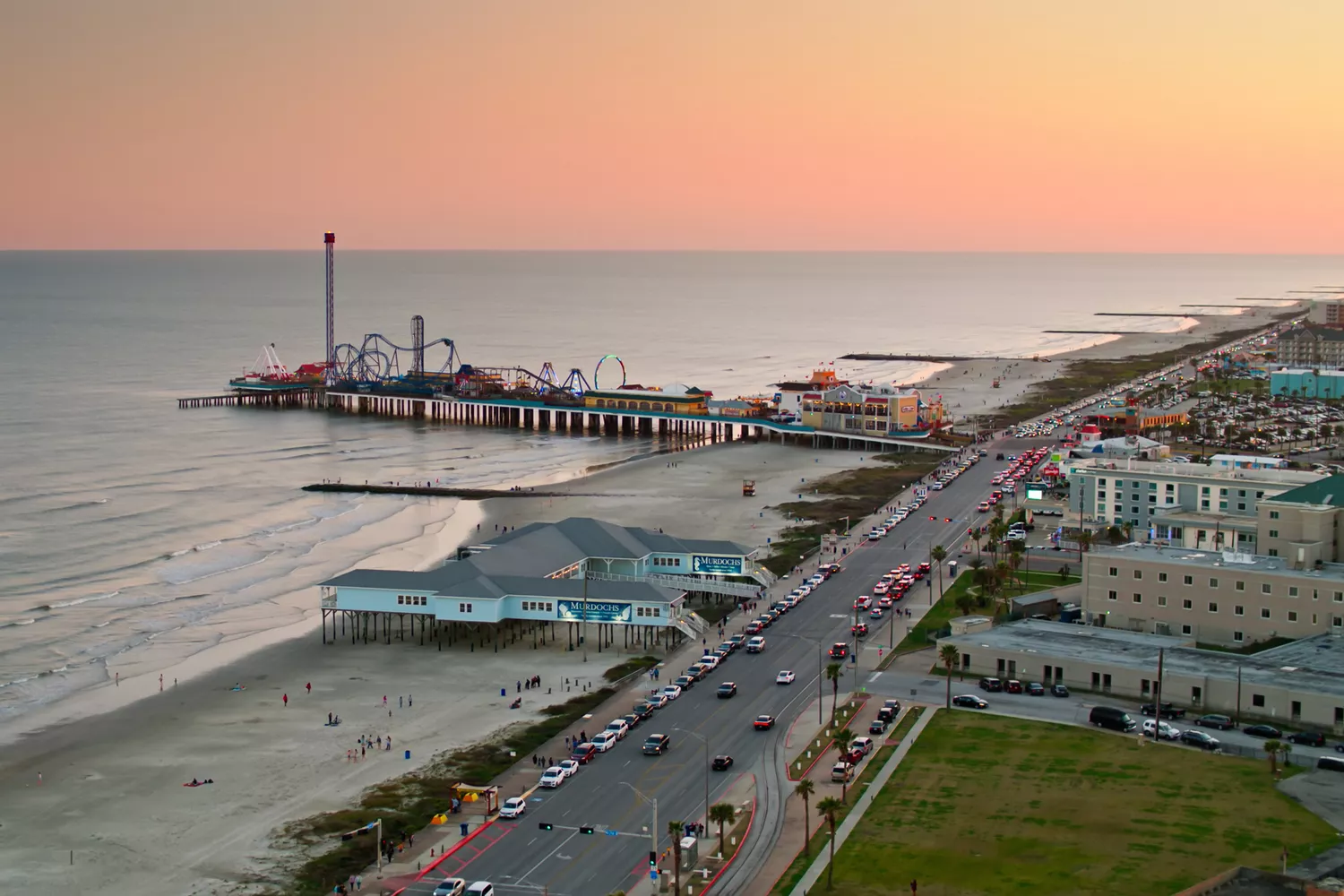
The Cradle of Freedom: Juneteenth and Immigration History
Long before it was a vacation retreat, Galveston was a threshold. Between the 1830s and the 1920s, the island functioned as the forgotten gateway to America. While Ellis Island is etched into the popular consciousness of the East Coast, Galveston was the entrance for hundreds of thousands seeking a new life in the American West. At the Galveston Historic Seaport, the immigration history exhibits bring these stories to life. Moving through the galleries, you can almost hear the polyglot of languages—German, Czech, Jewish, and Italian—that once filled the air. These settlers transformed the Texan landscape, bringing with them traditions that still season the local culture.
Perhaps the most significant chapter of the island’s story is its role as the birthplace of Juneteenth. On June 19, 1865, Major General Gordon Granger stepped onto the island’s soil to issue General Order No. 3. This decree finally brought the news of emancipation to the enslaved people of Texas, two and a half years after the Emancipation Proclamation was signed. The Juneteenth legacy is not merely a date on a calendar here; it is the soul of the community.
Visitors can follow the Juneteenth Freedom Walk, a path that connects sacred sites across the island. The walk often begins or ends near the 1859 Ashton Villa, a stunning Italianate mansion where local tradition holds that the order was publicly read from the balcony. To stand in the shadow of this opulent home is to reflect on the long-delayed arrival of liberty. Mapping the Juneteenth Freedom Walk locations in Galveston provides a profound educational journey, moving from the Pier 21 area to the various historic churches that served as anchors for the newly freed community.
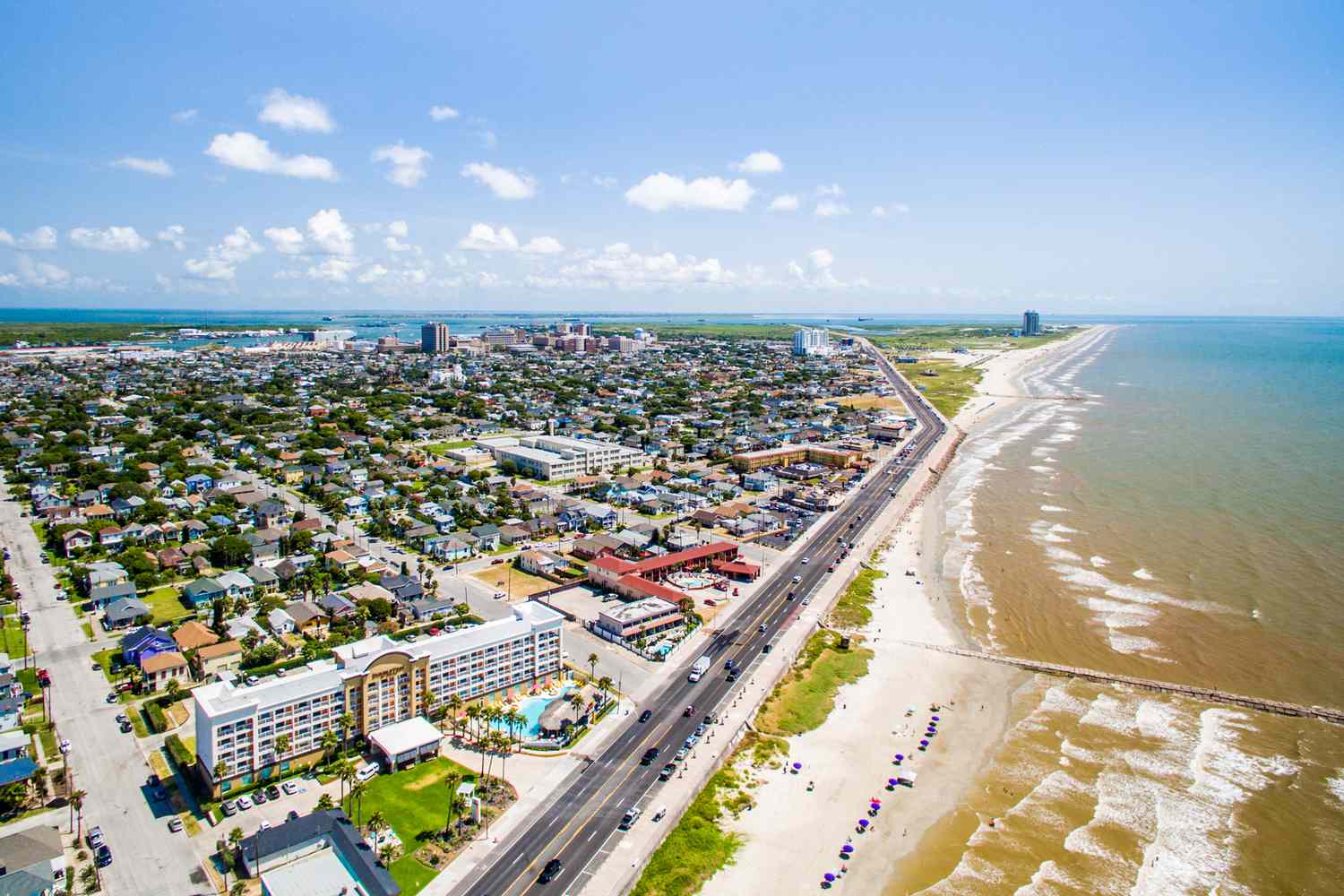
Resilience in Stone: The 1900 Great Storm and Victorian Splendor
The narrative of Galveston is split into two eras: before and after the 1900 Storm. On September 8, 1900, a hurricane of unprecedented fury tore across the island. It remains the deadliest natural disaster in United States history, a catastrophe that prompted a heroic feat of engineering—the raising of the entire city’s grade and the construction of the massive Seawall.
Despite the devastation, many of the island’s most magnificent Gilded Age mansions survived, standing today as monuments to indomitable Victorian aesthetics. A walking tour of Galveston Victorian architecture and mansions is essential for any visitor. The crown jewel is undoubtedly the 1892 Bishop’s Palace, also known as Gresham’s Castle. Designed by architect Nicholas Clayton, its stone exterior and intricate wood carvings were sturdy enough to withstand the hurricane's surge. Inside, the opulence is staggering: Sienna marble, rare woods, and stained glass that filters the Gulf light into a kaleidoscope of rich hues.
Further down Broadway sits the 1895 Moody Mansion, a 28,000-square-foot home that illustrates the opulent lifestyle of one of Texas’ most powerful families. For those who want a more visceral connection to the island's darker history, the best Galveston ghost tours for viewing 1900 storm landmarks offer a chilling twilight perspective. These tours often point out the Hurricane Ike tree sculptures—whimsical figures carved from the trunks of trees killed by a later storm in 2008—which serve as a modern testament to the island's artistic spirit in the face of natural loss.
Living the Legacy: The Strand District and Historic Stays
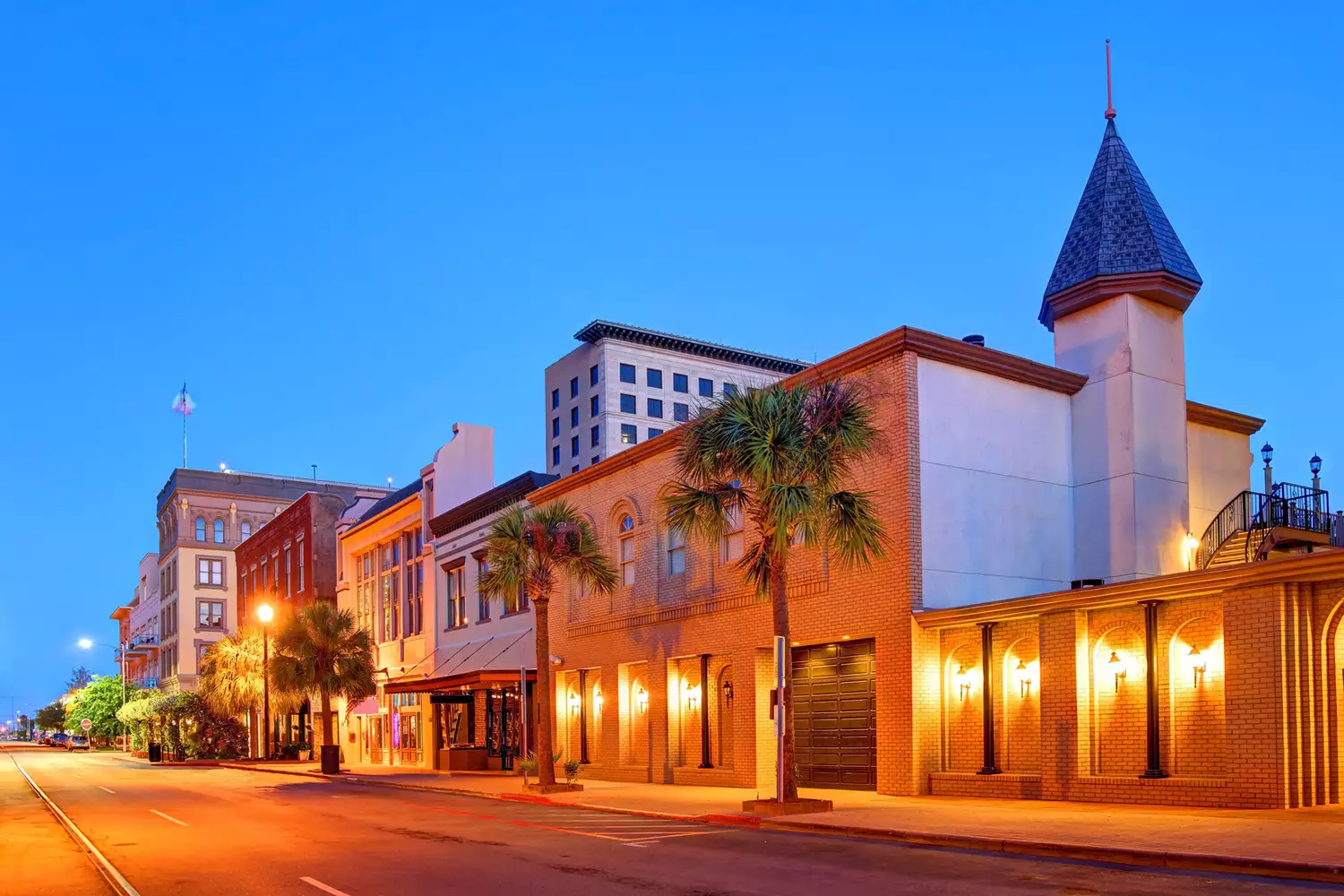
The heartbeat of 19th-century Galveston was the Strand District. In its prime, it was the most important commercial street west of the Mississippi, lined with iron-front buildings that housed banks, wholesalers, and luxury shops. Today, walking down the Strand feels like stepping into a sepia-toned photograph. The Galveston Historical Foundation has been instrumental in maritime preservation and the restoration of these commercial warehouses, which now house boutiques, galleries, and restaurants.
For a true immersion into the island’s storied past, one must choose from the historic hotels in Galveston TX. A historic hotels in Galveston TX luxury stay comparison usually pits the downtown sophistication of The Tremont House against the beachfront grandeur of the Grand Galvez. The Tremont House, located in the heart of the historic district, occupies a building that dates back to the city's early years and offers a refined, cosmopolitan atmosphere. Conversely, the Grand Galvez—the Queen of the Gulf—opened in 1911 as a symbol of the city's rebirth after the 1900 Storm. Its pink facade and sprawling lawns evoke a sense of early 20th-century seaside glamour.
Culinary traditions here are as layered as the architecture. To eat in Galveston is to taste the intersection of Southern comfort and Gulf bounty. At long-standing establishments, you can find authentic Tex-Cajun flavors that reflect the island's melting pot origins.
- Muffulettas: A nod to the Italian immigrants who brought their olive salads and hearty breads to the Port of entry.
- Shrimp Besitos: "Little kisses" of bacon-wrapped, jalapeño-stuffed shrimp that celebrate the local maritime harvest.
- Toujouse Bar: Located inside The Tremont House, this bar features a massive backbar hand-crafted in 1888, the perfect spot for a classic cocktail in a Gilded Age setting.
The Researcher’s Toolkit: Tracing Island Genealogy
For the traveler who wants to go deeper than the surface, Galveston offers unparalleled resources for archival research. The island is not just a place to visit; it is a place to find one’s own roots. If your ancestors entered the United States through this port, your journey should include a stop at the Rosenberg Library, home to the Galveston & Texas History Center.
This practical guide to Galveston heritage sites and museum admission starts with a few essential tools for the amateur historian:
- Sanborn Insurance Maps: These detailed maps allow you to see the footprint of every building on the island as it existed over a century ago.
- Tax Rolls: Available through the history center, these records can help you trace the ownership and value of historic properties.
- Maritime Records: At the Historic Seaport, researchers can access ship manifests and immigration logs that document the arrival of the 750,000 immigrants.
- Museum Passes: Consider purchasing a multi-site pass from the Galveston Historical Foundation, which covers admission to the Bishop’s Palace, the 1877 Tall Ship ELISSA, and several other landmark properties.
Whether you are here to marvel at the Victorian architecture of a Galveston historic landmarks tour or to pay your respects at the sites associated with General Order No. 3, the island offers a profound sense of continuity. It is a place where the past is not a distant memory but a tangible presence, flavored by the salt air and the enduring spirit of the people who shaped the Texas Gulf Coast.
FAQ
What is Galveston best known for in history?
Galveston is historically famous for being the Wall Street of the South during the late 19th century and for its role as a major port of entry for immigrants entering the Western United States. It is also the site of the deadliest natural disaster in U.S. history, the Great Storm of 1900, and is the official birthplace of Juneteenth.
What happened in the Galveston Great Storm of 1900?
On September 8, 1900, a massive hurricane struck the island with estimated winds of 145 mph and a storm surge that inundated the entire city. It resulted in 6,000 to 12,000 fatalities, making it the most lethal natural disaster in American history. In the aftermath, the city undertook a massive grade-raising project and built the Seawall to protect against future storms.
Why was Galveston called the Wall Street of the South?
During the Victorian era, Galveston was the financial and commercial heart of Texas. The city's deep-water port made it the primary exit point for the state’s massive cotton exports. The concentrated wealth led to the establishment of numerous banks, insurance companies, and wholesalers, many of which were located along the Strand.
What is the historical significance of the Strand?
The Strand was the center of Galveston's 19th-century commercial district. It features one of the finest collections of iron-front Victorian buildings in the country. Today, the district is a National Historic Landmark, serving as a testament to the city's period of peak economic prosperity and its subsequent preservation efforts led by the Galveston Historical Foundation.
What is the history of Juneteenth in Galveston?
Juneteenth marks the day, June 19, 1865, when Union Major General Gordon Granger arrived in Galveston to issue General Order No. 3. This executive order informed the people of Texas that all enslaved people were free, effectively ending the institution of slavery in the state and sparking the first announcement and enforcement of the emancipation festivities that would become a national holiday.