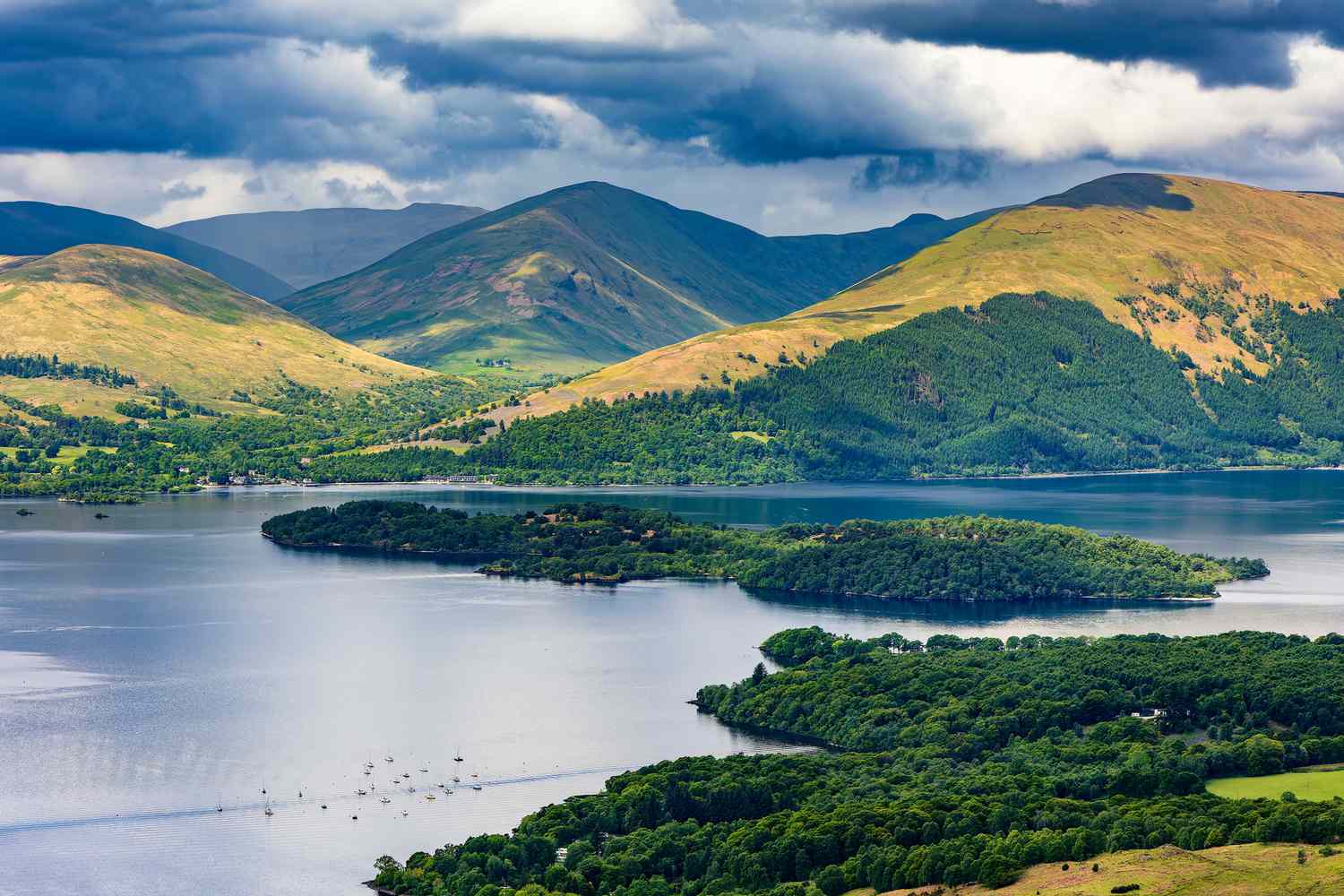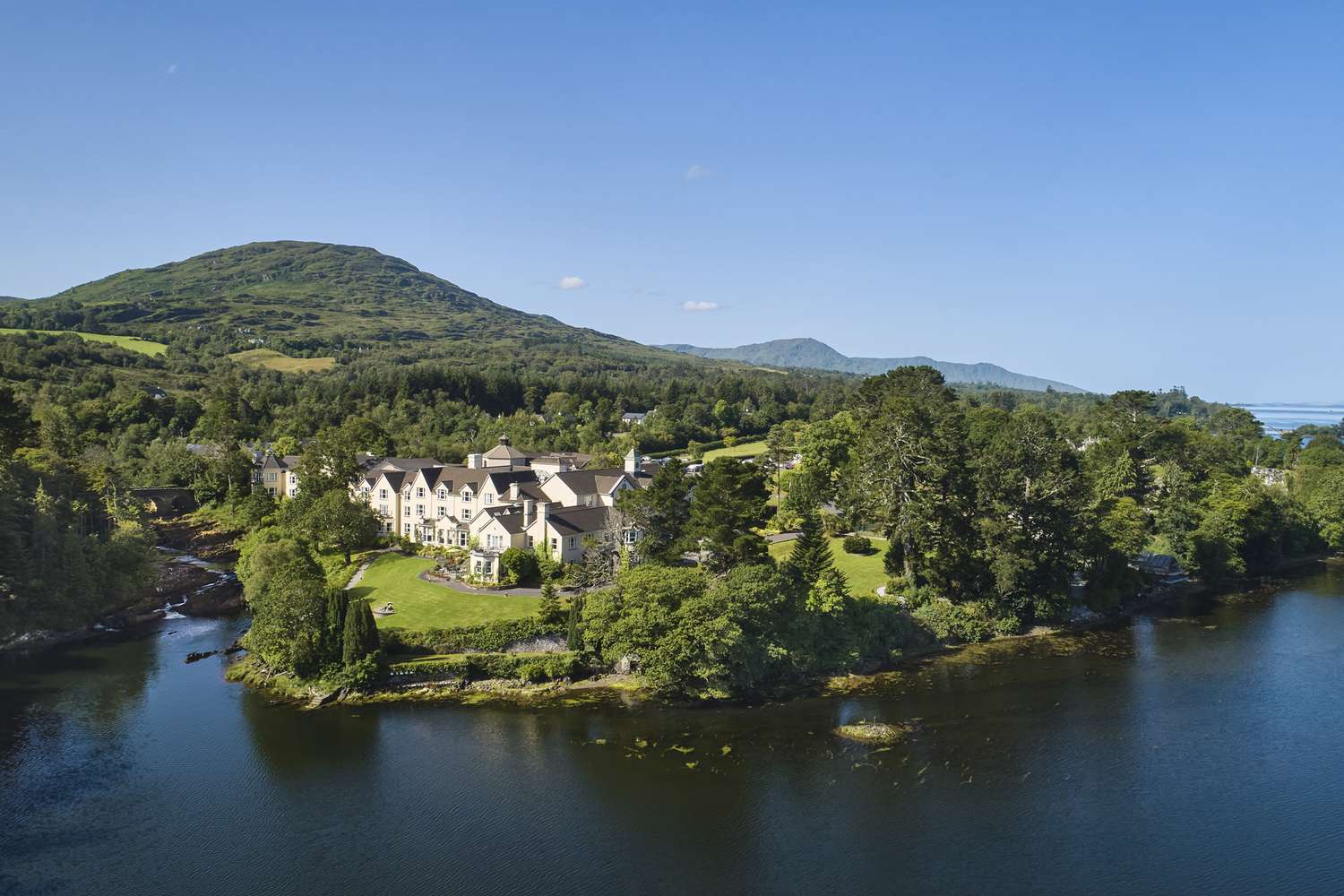
Ireland is a place that stays in your heart long after you leave, especially when you experience it with the people who matter most. As a travel editor and a mom who has navigated the cobbled streets of Dublin with a stroller in one hand and my parents' itinerary in the other, I know that multi-generational travel is both a beautiful gift and a logistical puzzle. Planning for 2026 requires a shift in mindset: moving away from the "see everything in ten days" rush and toward a more soulful, slower pace that respects the stamina of seniors and the curiosity of children.
Quick Facts
- 2026 Tour Costs: Typical mid-to-high range packages for Ireland family travel range from €2,990 to €3,490 per person, depending on the level of private transport and garden-access accommodation.
- Best Airport for West: Shannon Airport is significantly easier for multi-gen groups than Dublin; it is located just 30 minutes from major castle hubs and avoids the heavy traffic of the capital.
- Key Strategy: The Hub-and-Spoke model is essential, involving staying 3-4 nights per location rather than changing hotels daily to reduce packing fatigue.
- Top Family Activity: Falconry and sheepdog demonstrations offer low-mobility, high-engagement entertainment for all ages.
- Accommodation Tip: For the best balance of privacy and service, book self-catering cottages located on the grounds of 5-star manor estates rather than traditional hotel rooms.
For a successful multi-generational Ireland family travel experience in 2026, prioritize a slow travel itinerary anchored by centrally located luxury castle hotels that offer on-site activities and high accessibility for seniors. By focusing on quality over quantity and choosing locations that serve as comfortable bases, you ensure that every family member, from toddlers to grandparents, feels included and energized throughout the journey.

The Hub and Spoke Model: A Slow Travel Itinerary
In my years of planning family vacations, I have found that the greatest "vacation killer" for groups with elderly parents is the one-night hotel stay. Dragging heavy luggage in and out of different lobbies every morning creates unnecessary stress. Instead, I recommend the Hub and Spoke model. In this approach, you choose three major bases across Ireland—such as Dublin, the Clare/Limerick region, and the Ring of Kerry—and stay at least three or four nights in each.
For families beginning their Ireland family travel planning 2026 summer adventure, I suggest flying into Shannon Airport if you intend to explore the Wild Atlantic Way. Shannon is smaller, quieter, and much more manageable for seniors who may find large international terminals overwhelming. From Shannon, you are a short drive from world-class estates that can serve as your first hub.
A well-crafted slow travel Ireland itinerary for elderly parents focuses on scenic coastal routes where the scenery is enjoyed from the comfort of a vehicle, punctuated by long, relaxed lunches. A slow travel strategy for seniors allows for "rest mornings" where the grandparents can enjoy a slow breakfast at the manor while the younger family members head out for a more strenuous hike or bike ride. We then reunite for a shared afternoon activity, such as a gentle boat tour or traditional afternoon tea. This way, no one feels like they are holding the group back, and no one feels exhausted by a rigid schedule.
Luxury as Infrastructure: Ireland Castle Hotels for Families
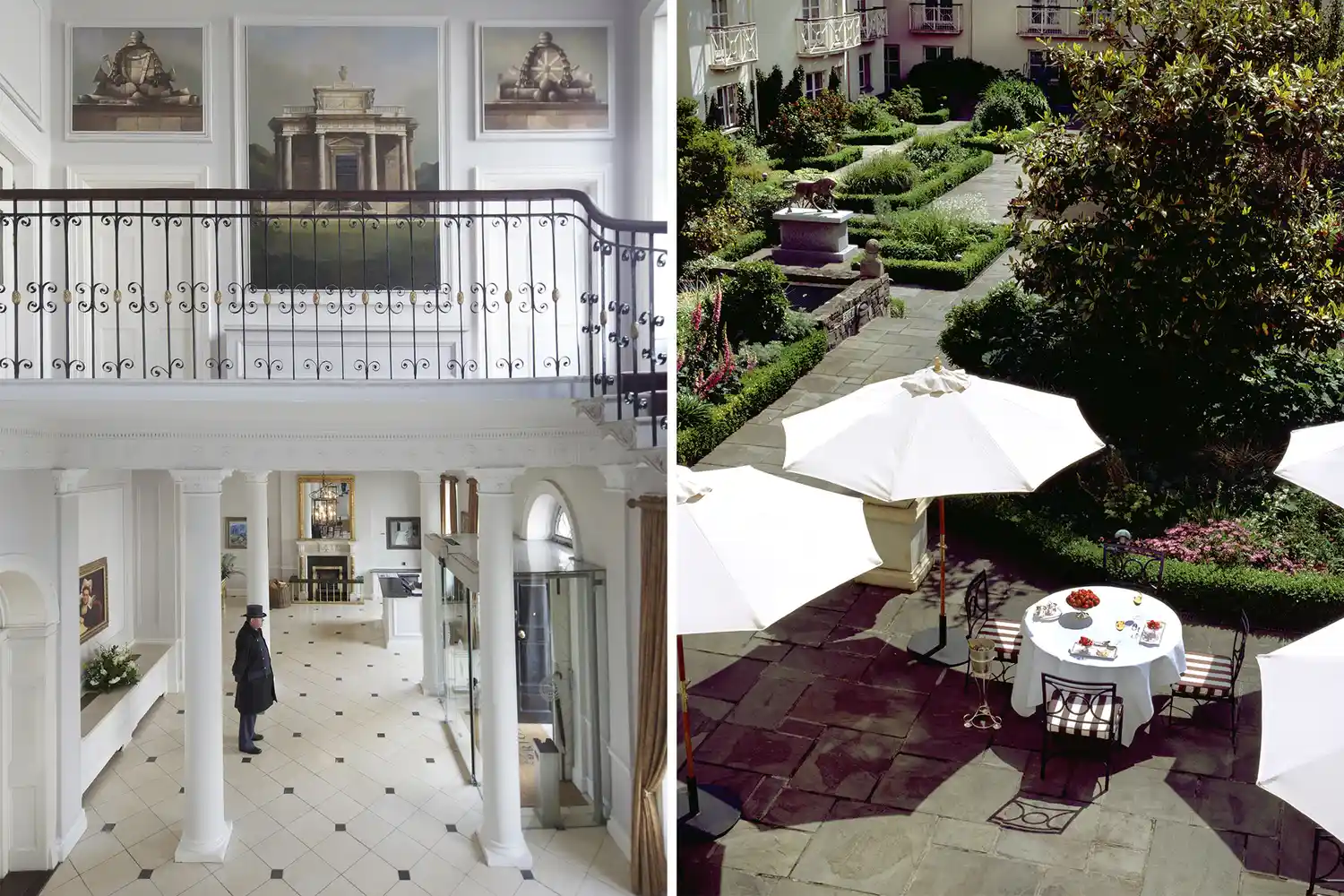
When I talk about luxury in Ireland, I am not just talking about thread-count or fine dining. In the context of multi-generational travel, luxury is infrastructure. The best Ireland castle hotels for multi-generational families provide the physical amenities that make the trip possible for everyone.
Properties like Dromoland Castle are steeped in history, once being the ancestral home of the O'Briens, descendants of the High King Brian Boru. Beyond the history, it offers wide, level corridors, elevators to all floors, and an on-site historian who can engage the family in stories of the past. Similarly, Adare Manor is famous for its Calendar House architecture—with 365 windows and 52 chimneys—and its meticulous grounds. These estates are essentially self-contained villages where multi-age group bonding happens naturally.
For larger groups, the manor house cottages or mews are often a better value than separate hotel rooms. These provide a private kitchen and living area where the family can gather for a casual evening, while still having access to the hotel’s 5-star services. These properties also excel at providing intimate dining acoustics; many have smaller libraries or private dining rooms that are much easier for travelers with hearing loss to navigate than a loud, open-plan restaurant.
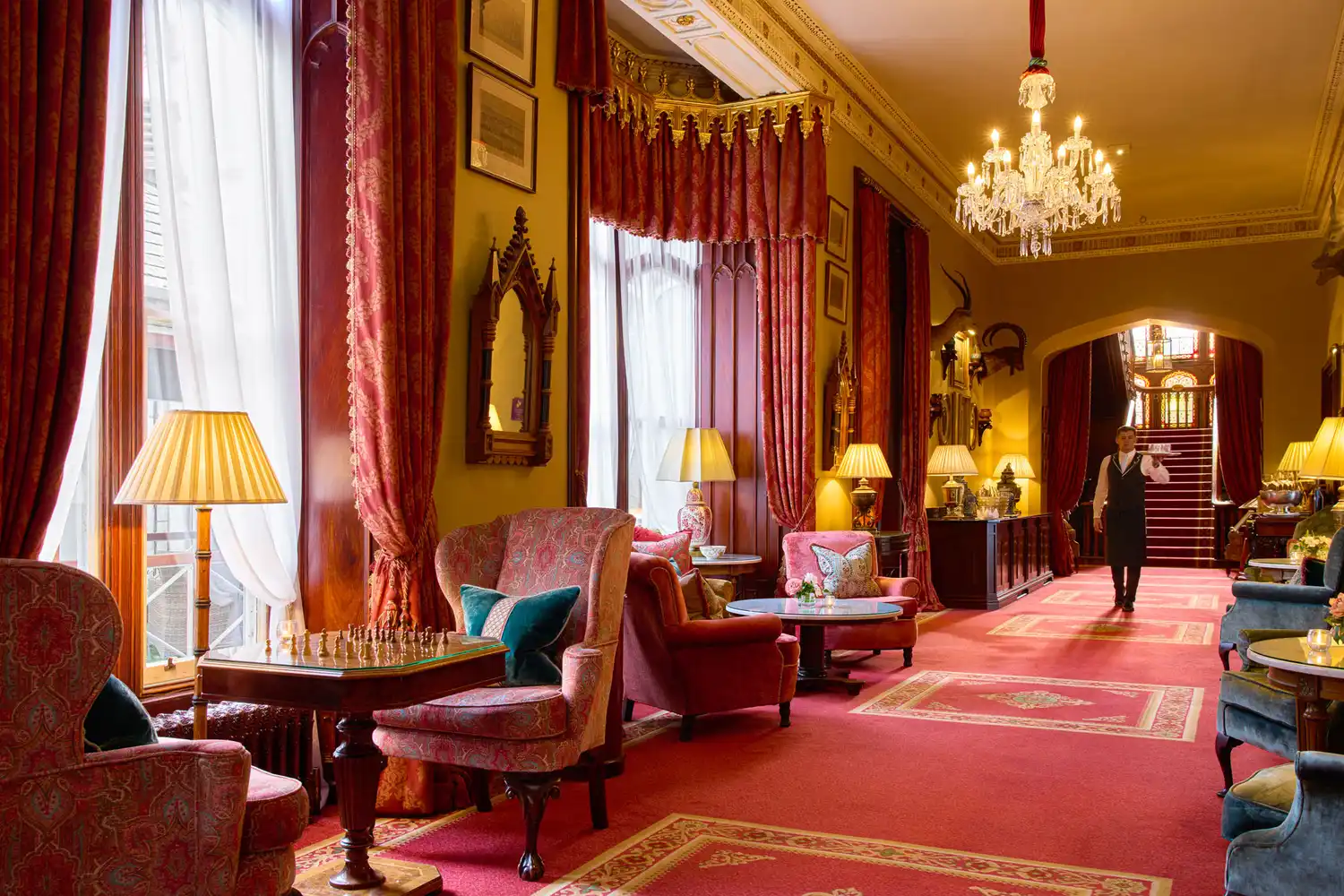
According to industry reports, the trend for this type of travel is surging. A survey of prospective holidaymakers found that 57% plan to undertake a three-generation family trip within the next five years, with 95% of those surveyed viewing such travel as highly beneficial for family bonds. This highlights how important it is to find accommodations like Ireland castle hotels for families that cater to varied needs.
Logistics Deep Dive: Navigating with a Large Group
Transportation is the most frequent question I receive from parents. Should you rent one large vehicle or two smaller ones? In Ireland, the roads are notoriously narrow and winding, which can make driving a large van a bit of a challenge. Here is a quick comparison to help you decide for your Ireland family travel with seniors guide.
| Feature | Renting a 9 passenger van | Two Standard Cars |
|---|---|---|
| Social Aspect | Everyone stays together; better for chatting. | Group is split; requires more coordination. |
| Driving Comfort | Requires a confident driver; harder to park. | Familiar car size; easier on rural roads. |
| Luggage Space | Plenty of room for suitcases and mobility aids. | Limited trunk space; must travel light. |
| Flexibility | Entire group must go to the same place. | Half the group can go back to the hotel early. |
For those who want to avoid the stress entirely, chauffeur-driven tours are the gold standard for Ireland senior travel tips. A professional driver handles the navigation and parking, allowing the seniors to enjoy the view without the white-knuckle experience of driving on the left side of the road.
Official inbound tourism figures for 2025 indicate that 35% of all international overnight visitors to Ireland cited visiting friends and relatives as the primary purpose of their journey. This high volume of family-centric travel means that the infrastructure for renting a 9 passenger van in Ireland for family trips is well-established, but early booking is essential for 2026.
Accessible Magic: Multigenerational Activities
Finding activities that thrill a seven-year-old and satisfy an seventy-year-old is the secret sauce of Ireland family travel. The key is to look for mobility-friendly attractions that offer high sensory rewards without requiring miles of walking.
- Falconry and Hawk Walks: This is a quintessential Irish estate experience. Most castle hotels, like Ashford Castle or Sheen Falls Lodge, offer falconry where the birds fly directly to your gloved hand. It is low-impact and incredibly memorable for all ages.
- Sheepdog Demonstrations: Located in places like Dingle or along the Ring of Kerry, watching a farmer command a team of border collies is pure magic. It usually involves sitting on a bench in a scenic field—perfect for grandparents.
- Killarney National Park Boat Tours: Instead of hiking, take a covered electric boat across the Lakes of Killarney. You get the same stunning views of Ross Castle and the mountains with zero physical strain.
- Heritage Site Accessibility: Many sites, like the National Botanic Garden in Dublin or Trim Castle, have made significant investments in accessible gardens and walks in Ireland for seniors, ensuring that paths are smooth and gradients are manageable.
- Ancestry Research: If your family has Irish roots, spending an afternoon with a genealogist in Dublin can be a deeply moving experience for the older generation, who can share family lore with the grandkids while looking at official records.
Editor's Note: When visiting heritage sites, always check for the "Heritage Ireland" accessibility guide online. It provides specific details on where elevators are located and which paths are best suited for those using mobility aids.
FAQ
Is Ireland a good destination for a family holiday?
Yes, Ireland is an exceptional destination for families because of its safe environment, short driving distances between major sights, and a culture that is famously welcoming to children and respectful of elders. The variety of outdoor activities and indoor historical experiences ensures there is something for every temperature and energy level.
What is the best time of year to visit Ireland with kids?
The best time is generally from late May to early September. During these months, the days are very long—it doesn't get dark until 10:00 PM—giving you more daylight for sightseeing. The weather is also at its mildest, making it more comfortable for seniors who might struggle with the damp cold of winter or early spring.
How many days do you need for a family trip to Ireland?
For a multi-generational trip using the hub and spoke model, I recommend 10 to 14 days. This allows you to stay in three different regions for 3-4 nights each, providing enough time to settle in and explore without the exhaustion of daily travel.
Is it easy to drive around Ireland with a family?
It is manageable but requires preparation. The roads are narrow and signage in rural areas can be sparse. If you are renting a 9 passenger van in Ireland for family trips, ensure your driver is comfortable with larger vehicles. For many groups, hiring a private driver is a worthwhile investment to reduce stress.
What are the best cities in Ireland for families to stay?
Dublin is great for its museums and ease of access. Killarney is the perfect hub for nature lovers and national park access. Galway or Clare (specifically near Doolin or Adare) provides a wonderful base for the Wild Atlantic Way and traditional music.
The magic of Ireland for a family lies in the quiet moments—the smell of peat fires in a castle lobby, the taste of fresh soda bread with salted butter, and the sight of three generations laughing together at a sheepdog's antics. By planning with a focus on slow luxury and thoughtful logistics, you create a 2026 trip that isn't just a vacation, but a milestone in your family's history. Book your manor cottages and castle stays early to ensure your family can experience the best of the Emerald Isle together.