Quick Facts
- Location: Village of Laugarás, approximately 80 to 90 minutes from Reykjavik via Route 30 or 35.
- Water Temperature: Comfortably maintained between 37°C and 40°C (98.6°F–104°F).
- Signature Feature: A dramatic 6.6m walkable waterfall and a secluded grotto.
- Dining Experience: Ylja Restaurant, helmed by renowned chef Gísli Matt, focusing on greenhouse-to-table New Nordic cuisine.
- Entry Pricing: Packages start at approximately 6,900 ISK, with tiered options including the luxury Osp pass.
- Opening Hours: Daily from 10:00 AM, closing between 9:00 PM and 10:00 PM depending on the season.
- Age Requirement: A minimum age of 8 years ensures a tranquil, adult-oriented boutique atmosphere.
Experience the pinnacle of Icelandic wellness at Laugarás Lagoon Iceland. This boutique destination blends traditional turf-inspired design with modern luxury, offering a serene alternative to the Blue Lagoon near the Golden Circle. Overlooking the Hvítá River, it offers a multi-sensory experience with an infinity pool, a walk-behind waterfall, and high-end New Nordic cuisine at Ylja Restaurant.
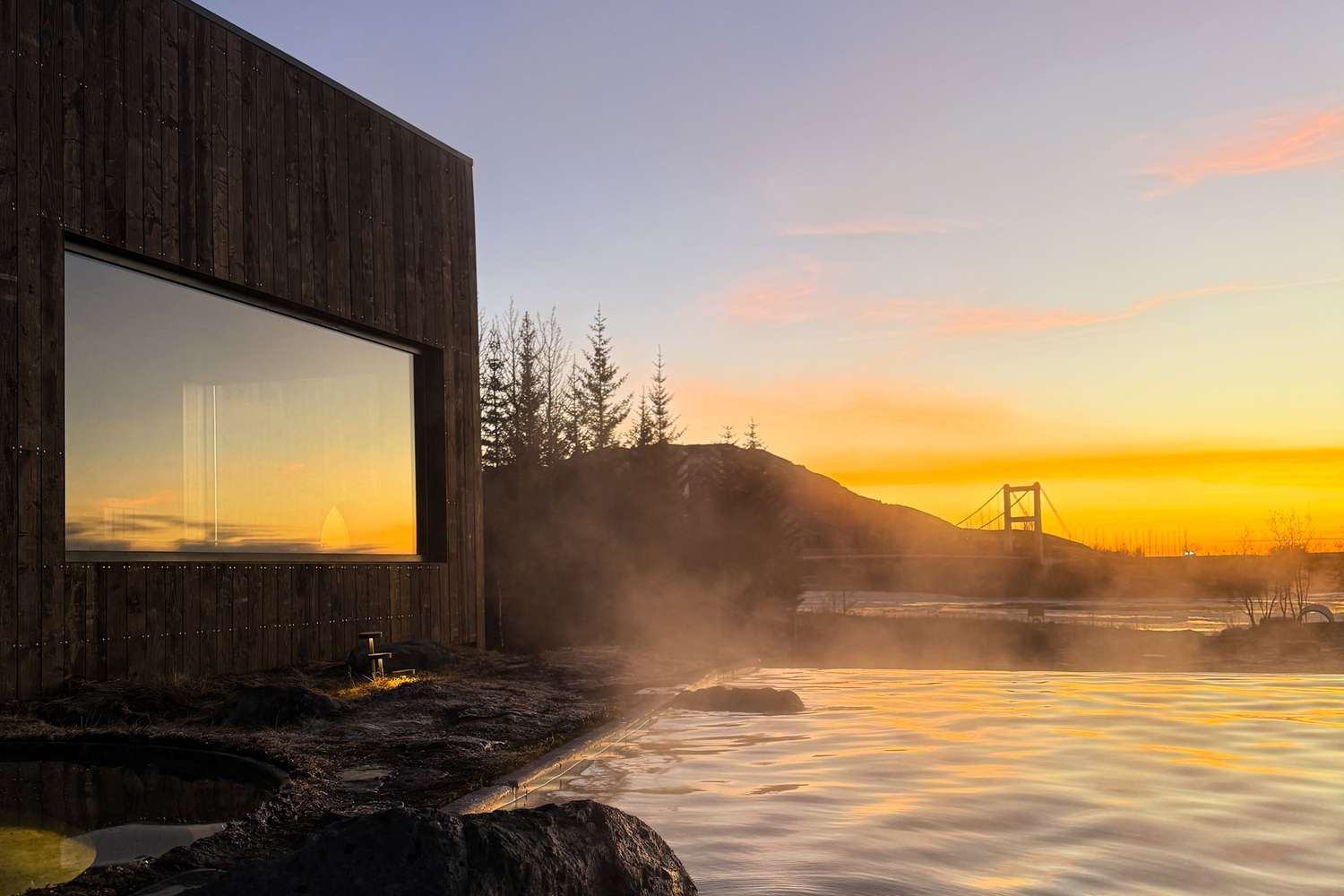
There is a specific kind of magic that exists only in the Icelandic twilight, where the steam rising from geothermal vents meet the indigo sky. For those of us who seek travel experiences that balance raw nature with sophisticated design, the arrival of Laugarás Lagoon Iceland marks a significant moment in the evolution of the Nordic spa. Unlike the sprawling, often crowded mineral pools found elsewhere, this retreat feels like a well-kept secret, an intimate sanctuary where the heritage of the island is woven into every basalt stone and timber beam.
Adding Laugarás Lagoon to a Golden Circle itinerary transforms a standard sightseeing day into a curated wellness journey. Situated in the heart of the village of Laugarás, it serves as a bridge between the wild elements of the South and the refined comforts of modern Icelandic hospitality. Here, the focus is not on mass tourism but on the individual sensory experience: the touch of warm mineral water against crisp air, the scent of wild thyme, and the visual harmony of a structure that appears to grow directly from the earth.
The Architecture: Reimagining Icelandic Heritage
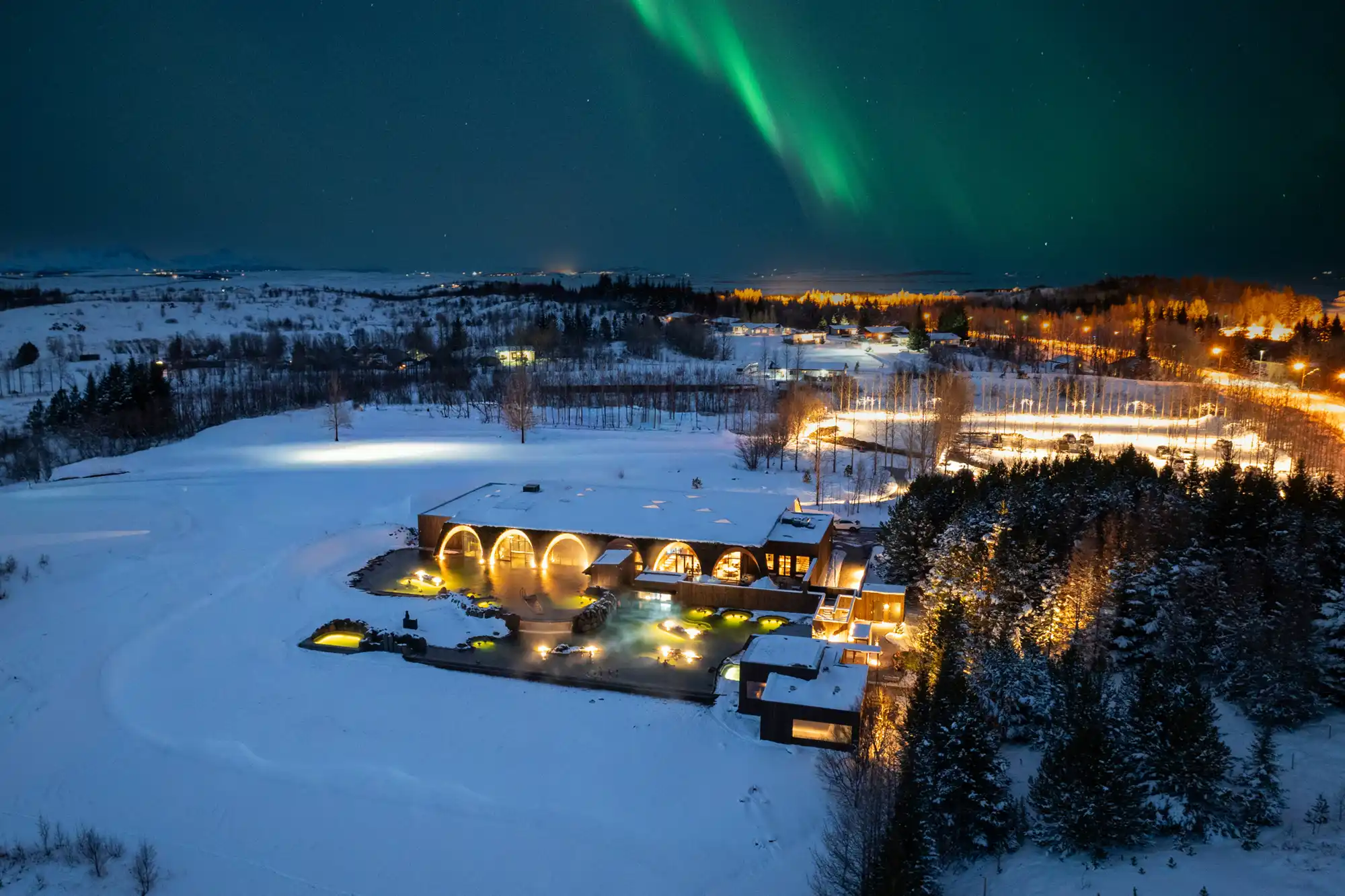
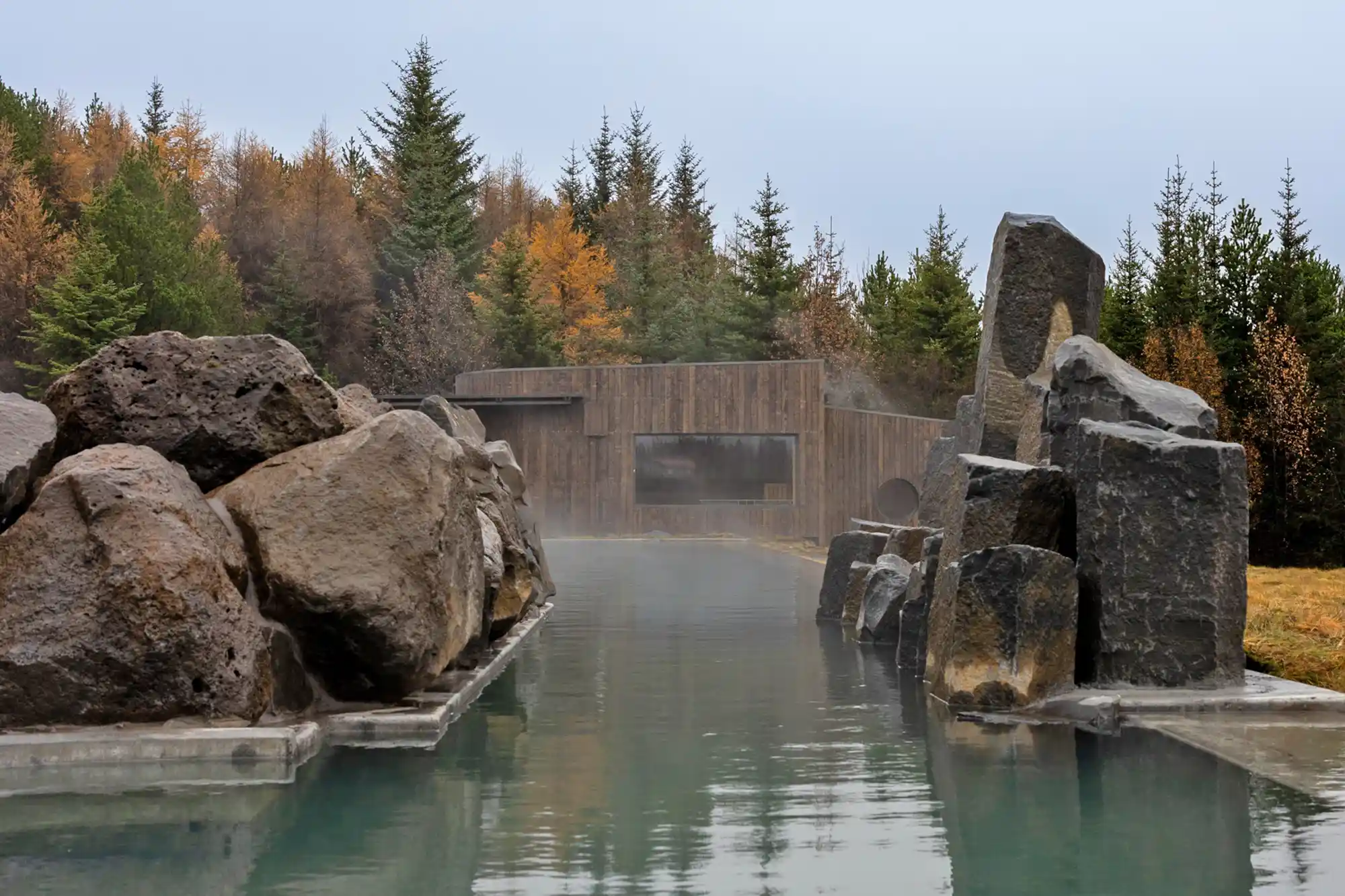
Walking into the facility feels like stepping into a living poem of the land. The aesthetic, which I like to call sci-fi rustic, is anchored by geothermal lagoons near the Golden Circle that take direct inspiration from the country’s architectural history. The core design philosophy centers on the Ninth-Century Viking farm, specifically the Torfhús, which utilized the insulating properties of the earth to create warmth and shelter.
The property is intimately connected to the Torfhús Retreat, which consists of 25 turf-topped accommodations that run entirely on a sustainable geothermal and hydroelectric energy source. This commitment to the environment extends to the tactile details of the spa itself. The interior design utilizes 11 tonnes of reclaimed Austrian pine for its villas and structural elements, creating a scent profile of aged wood and warmth that greets you the moment you cross the threshold. Even the sofas tell a story of the sea, having been repurposed from old fishing boats, grounding the luxury in a sense of place and history.
Icelandic turf-inspired design is more than just an aesthetic choice; it is a functional integration with the landscape. The verdant roofs of the lagoon facilities change with the seasons, from the vibrant greens of summer to the muted ochres of autumn, ensuring the building remains a silent observer of the Hvítá River rather than an intrusion upon it. For the design-conscious traveler, the turf-inspired design at Laugarás Lagoon Iceland offers a masterclass in how to honor the past while providing every modern luxury.
The Experience: From the Waterfall Grotto to the Infinity Edge
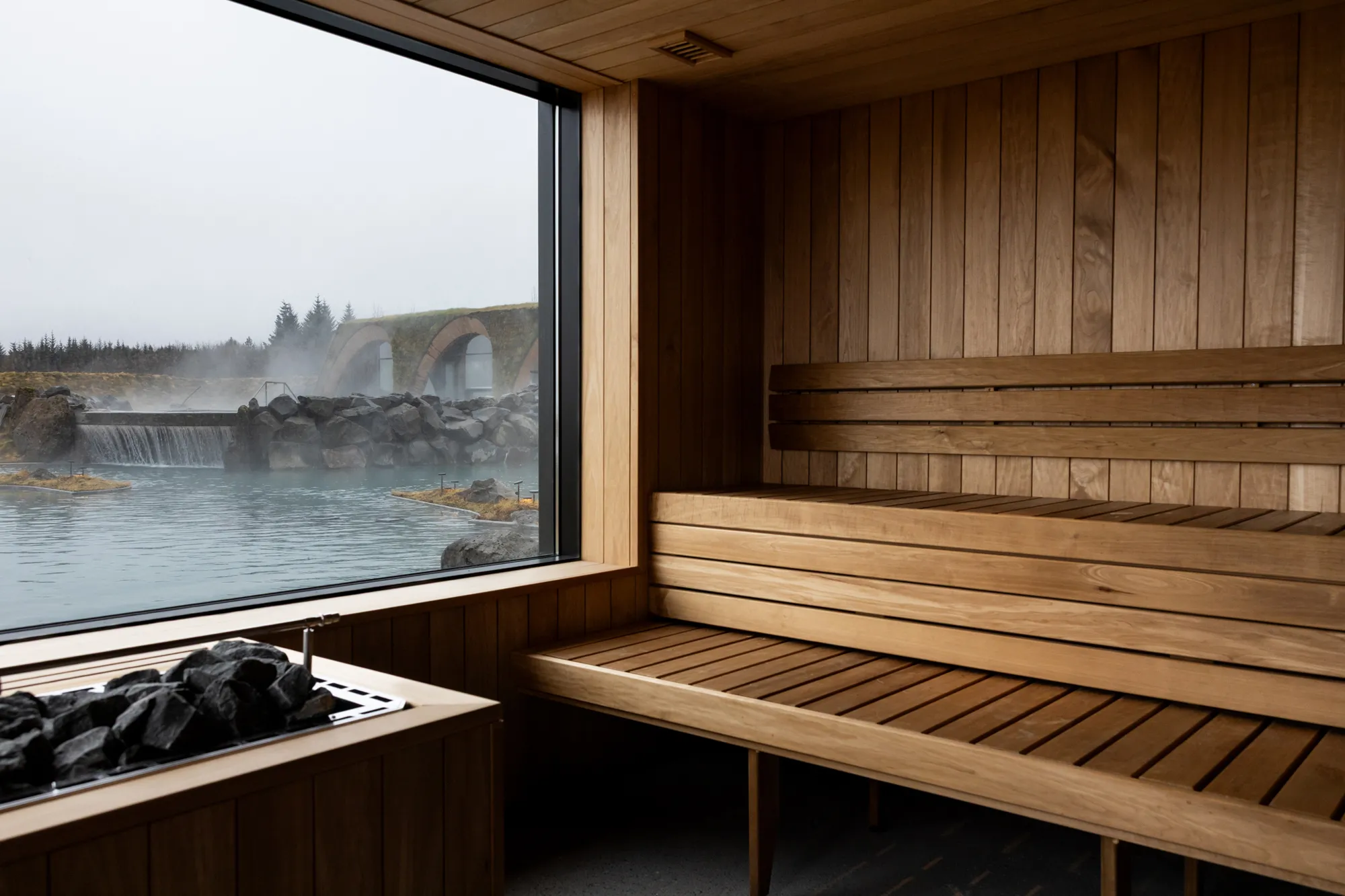
The layout of the lagoon is cleverly split across two levels, creating distinct pockets of privacy that are rare in larger establishments. As you enter the water, the first sensory shock is the sound—the rhythmic, low-frequency rumble of a 6.6m waterfall. This is not merely a visual feature; visitors can walk behind the curtain of falling water into a hidden grotto, where the echoes of the cascade create a natural sound bath, perfect for deep relaxation rituals.
Moving through the water, you discover the Skógarpottur, or Forest Pool, an area surrounded by lush greenery that mimics the rare Icelandic woodland. For those who follow the Wim Hof method or simply enjoy the invigoration of thermal contrast, the 10°C cold plunge pool provides the necessary bite to wake the nervous system before returning to the 40°C warmth.
The true showstopper, however, is the infinity edge pool. Positioned to overlook the Hvítá River, the water seems to spill directly into the glacial flow below. On a clear day, the volcanic landscape views extend to the horizon, offering a sense of vastness that is profoundly meditative. While you soak, you can visit the swim-up bar for artisan cocktails that incorporate local botanicals. Because of the lagoon's intentional lack of light pollution, viewing the Northern Lights at Laugarás Lagoon is an ethereal experience; floating in the warmth while the Aurora Borealis dances over the river valley is a memory that remains etched in the soul long after you leave.
Gastronomy at Ylja Restaurant: Greenhouse-to-Table
A luxury geothermal spa experience is only as good as the meal that follows it, and Ylja restaurant Laugarás sets a new standard for spa dining. The restaurant is led by Gísli Matt, the visionary chef behind the world-renowned Slippurinn in the Westman Islands. His philosophy here is one of extreme locality and a zero-waste ethos, utilizing the geothermal energy of the region to grow ingredients that would typically be impossible to find in the North Atlantic.
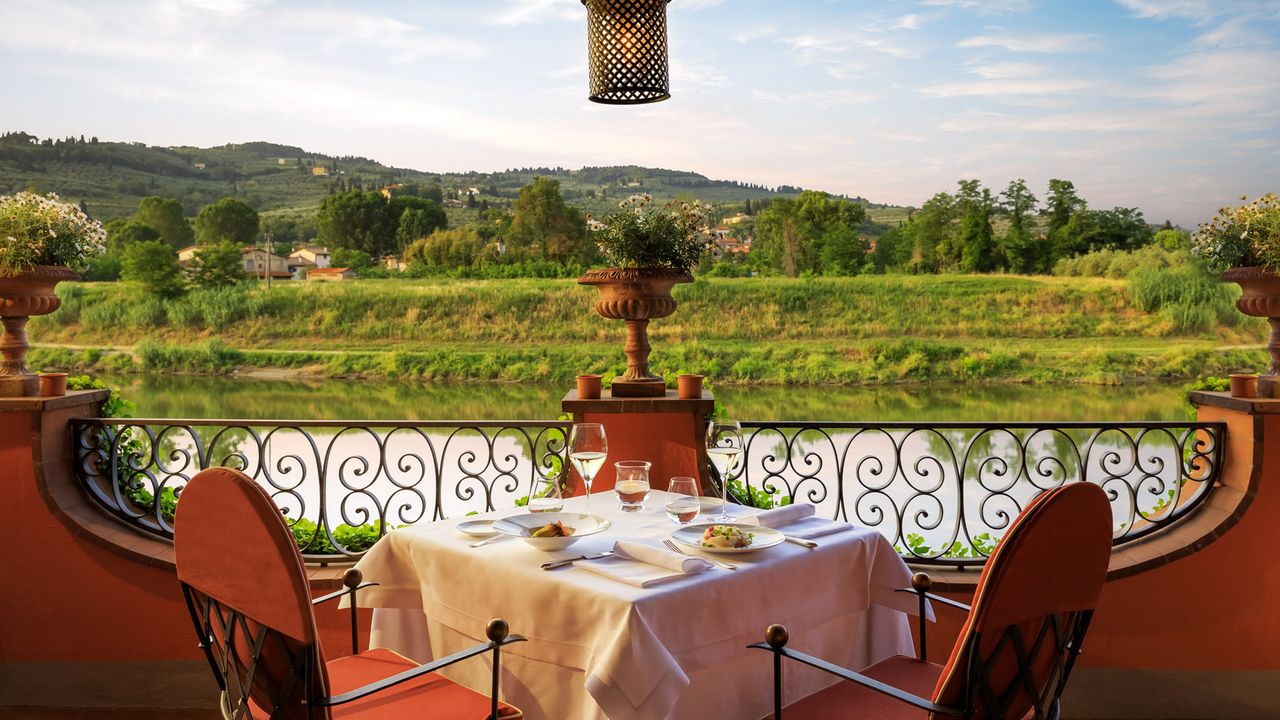
The menu at Ylja Restaurant is a celebration of New Nordic cuisine. Because Laugarás is known for its geothermal greenhouses, much of the produce travels only a few hundred meters from the vine to your plate. If you are following a Ylja Restaurant Laugarás dining guide, the must-order dish is undoubtedly the tomato carpaccio—vine-ripened tomatoes grown in the nearby greenhouses, served with a complexity of flavor that rivals anything found in the Mediterranean.
For those who opt for the premium Osp pass, the dining experience is seamlessly integrated into the visit. You might find yourself enjoying Arctic char cured with local herbs or a decadent dessert flavored with greenhouse-grown strawberries, all while looking out through floor-to-ceiling windows at the steam rising from the lagoon. The greenhouse-to-table dining here isn't a marketing gimmick; it is a vital part of the ecosystem of the village.

Planning Your Visit: Logistics, Pricing, and Comparisons
For the discerning traveler, Laugarás Lagoon as a Blue Lagoon alternative offers a much more intimate, boutique atmosphere. It is roughly an 80-minute to 90-minute drive from Reykjavik, making it easily accessible for a day trip or an overnight stay. If you are already visiting the famous tomato farm at Fridheimar, the lagoon is a mere 8-minute drive away, making it the perfect post-lunch relaxation spot.
Navigating the Laugarás Lagoon entry prices and packages is straightforward, with options tailored to different levels of indulgence:
- Birki (Standard): Includes entry to the lagoon and changing facilities. Ideal for the traveler on a schedule.
- Lerki (Premium): Adds a towel and a complimentary drink at the swim-up bar, elevating the afternoon.
- Osp (Luxury): The definitive Emma Chen recommendation. This includes a multi-course meal at Ylja Restaurant, providing a full immersion into the culinary and wellness culture of the region.
When comparing the major Icelandic lagoons, the differences in character become clear. While the Blue Lagoon is iconic for its milky blue silica water, Laugarás focuses on architectural heritage and high-end gastronomy.
| Feature | Laugarás Lagoon | Blue Lagoon | Secret Lagoon |
|---|---|---|---|
| Vibe | Boutique & Heritage | Grand & Iconic | Rustic & Historic |
| Water Type | Clear Geothermal | Milky Silica | Natural Mineral |
| Highlight | 6.6m Waterfall | Silica Mud Mask | Natural Spouting Geysir |
| Dining | Fine Dining (Gísli Matt) | Lava Restaurant | Light Snacks Only |
| Crowd Level | Controlled / Low | Very High | Moderate |
| Price Point | Mid-Range to Luxury | High Luxury | Budget-Friendly |
The secluded nature of the village means that even during peak season, the experience feels personal. Whether you are seeking a romantic getaway or a quiet moment of reflection, this location offers a level of sophistication that is hard to match elsewhere on the Golden Circle.
FAQ
Where is Laugarás Lagoon located in Iceland?
Laugarás Lagoon is situated in the small village of Laugarás in South Iceland. It is conveniently located near the Golden Circle route, approximately 80 to 90 minutes from Reykjavik and just a short drive from other popular attractions like the Fridheimar tomato farm.
Is Laugarás Lagoon the same as the Secret Lagoon?
No, they are distinct facilities. While the Secret Lagoon (Gamla Laugin) is located in Flúðir and is known for its historic, rustic charm and natural geysir, Laugarás Lagoon is a modern boutique destination featuring multi-level pools, a dramatic waterfall, and high-end dining at Ylja Restaurant.
How much does it cost to visit Laugarás Lagoon?
Entry prices typically start around 6,900 ISK for the standard Birki package. Prices increase for the Lerki and Osp packages, which include additional amenities such as drinks and multi-course meals at the onsite restaurant.
Is Laugarás Lagoon family friendly?
The lagoon maintains a minimum age limit of 8 years old to preserve its tranquil and sophisticated ambiance. While children over 8 are welcome, the facility is primarily designed as a relaxation retreat for adults and those seeking a quiet spa environment.
How far is Laugarás Lagoon from Reykjavik?
It is a very manageable journey for those based in the capital. The drive takes between 80 and 90 minutes depending on road conditions, following Route 1 and then connecting to Route 35 or 30 toward the heart of the southern greenhouse region.