Quick Facts
- Distance: Approximately 2 hours (95 miles) southwest of Houston, making it an accessible escape for city dwellers.
- Crowd Level: Extremely low; Matagorda County maintains a population density of only 33.2 people per square mile.
- Isolation: Out of 58 miles of coastline, 35 miles are accessible only by boat or watercraft, ensuring pristine shorelines.
- Nature Ranking: Recognized as the birding capital of North America, supporting over 300 feathered species.
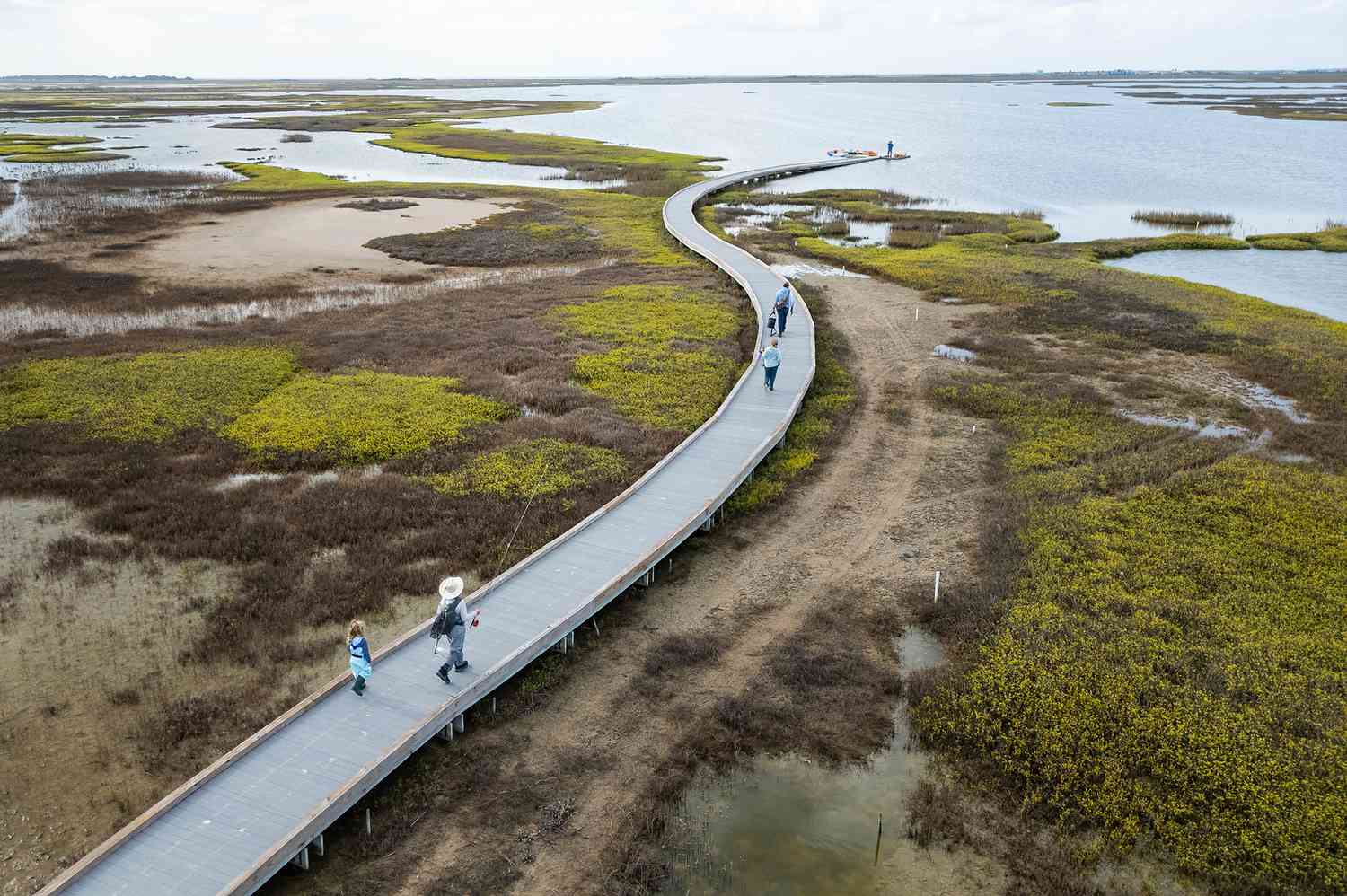
- Must-See: Matagorda Bay Nature Park, which covers 1,334 acres of coastal salt marshes and wetlands.
- Top Finds: Specialized shelling for lightning whelks and viewing rare species like roseate spoonbills and whooping cranes.
Matagorda Texas is widely considered the state's most peaceful destination due to its 58 miles of shoreline, over half of which is accessible only by boat, and its lack of high-traffic commercial tourism. Visitors to Matagorda Texas can enjoy a variety of outdoor activities concentrated around the Colorado River and Gulf of Mexico, ranging from world-class fishing for redfish and flounder to kayaking through protected coastal salt marshes.
The Allure of Matagorda: Texas’s Most Peaceful Beach
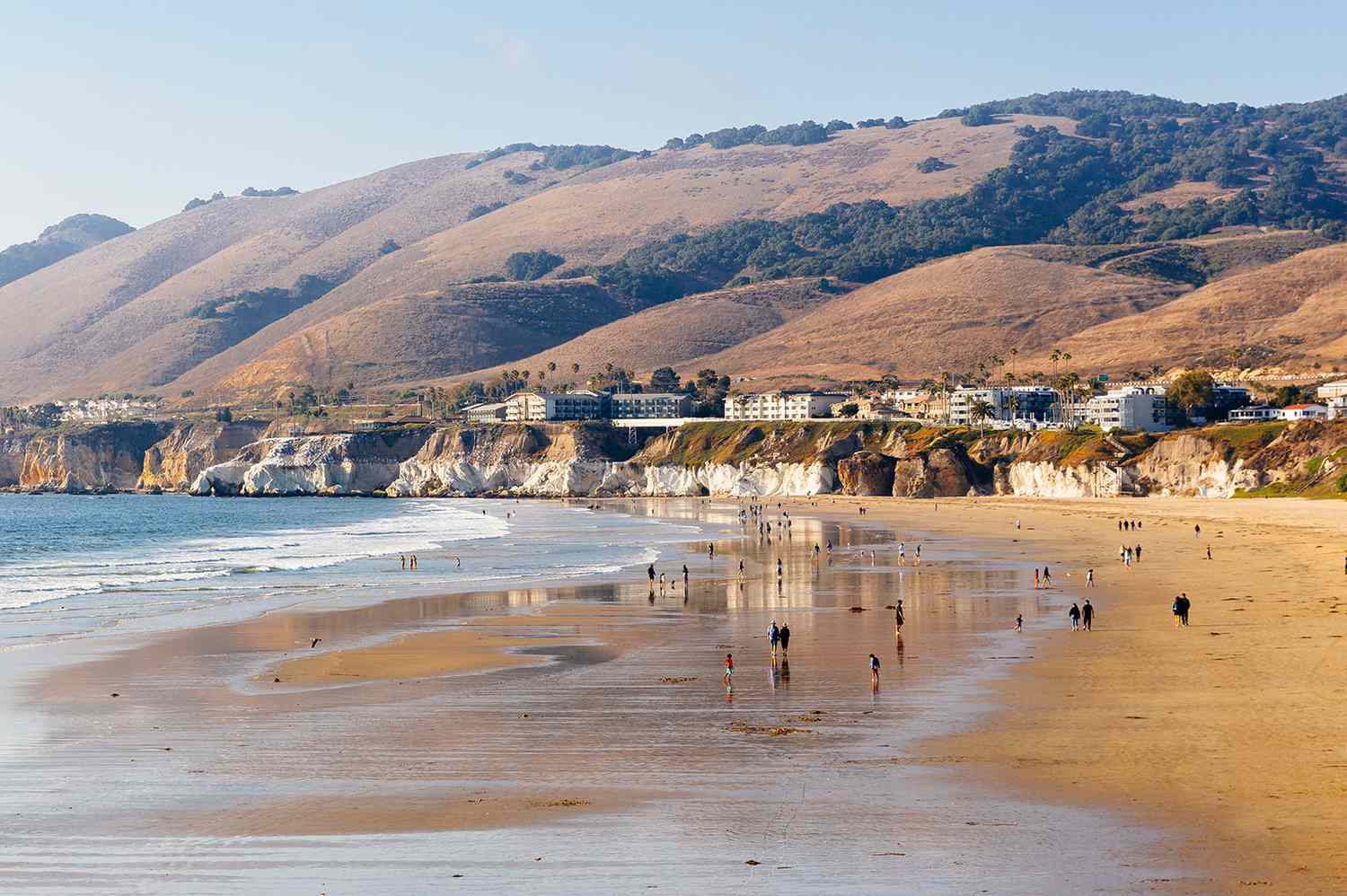
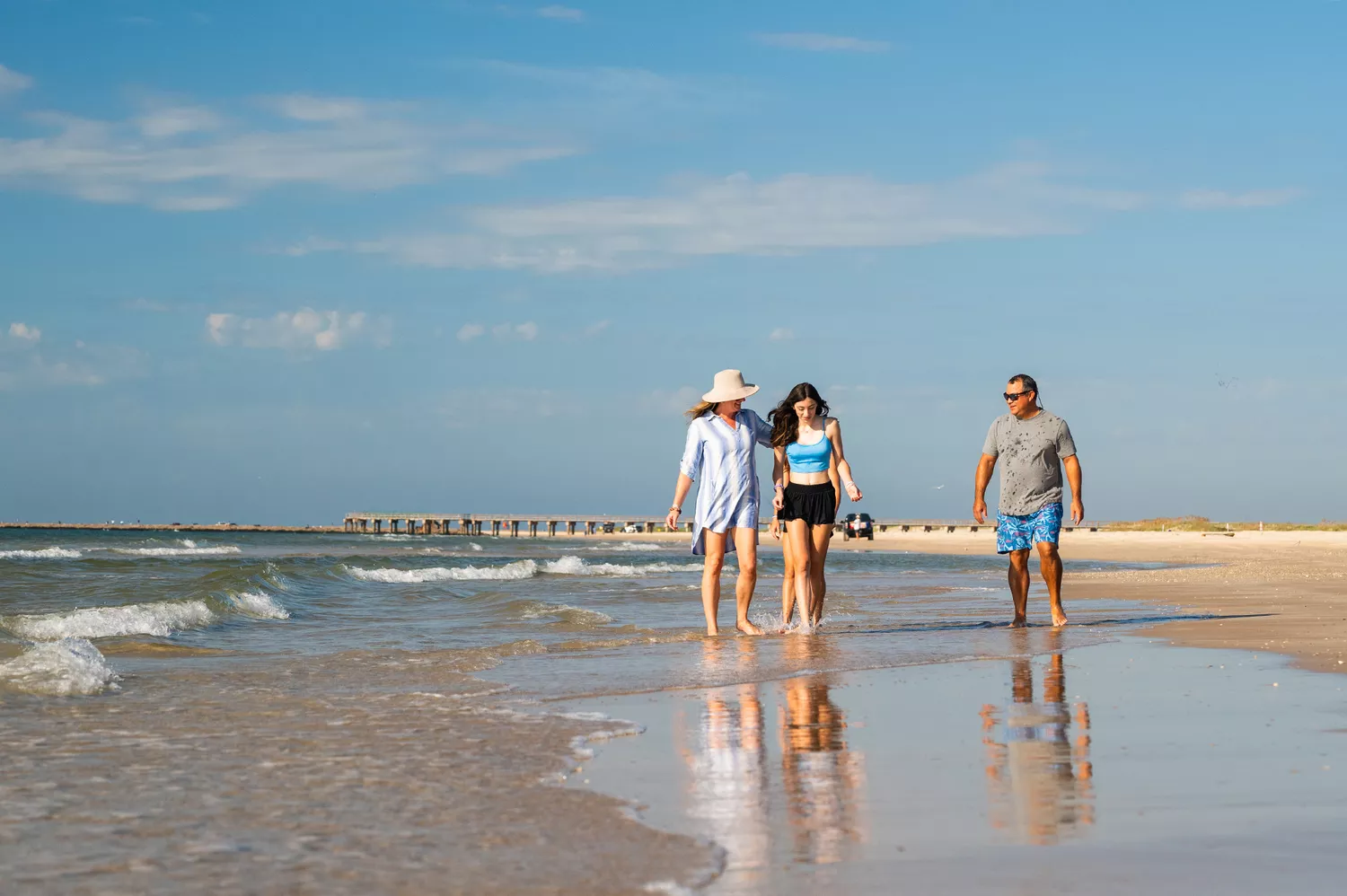
For many travelers, the Texas coast conjures images of the bustling Seawall in Galveston or the spring break crowds of South Padre Island. However, those who follow the Colorado River to its terminus discover a starkly different scene. Matagorda Texas offers a rare sanctuary of remote coastal solitude. The geography here is defined by wide-open horizons and a sleepy seaside atmosphere that feels like a throwback to a mid-century coastal town.
There are no high-rise hotels casting long shadows on the sand, nor are there vibrant boardwalks crowded with neon signs. Instead, the landscape is dominated by the Colorado River mouth, where the freshwater of the river meets the saltier tides of the Gulf of Mexico. This unique convergence creates a rich environment for both wildlife and those seeking a quiet retreat. The town itself is small, characterized by no-frills seafood shacks and locally owned shops rather than major chains.
The peace found here is not just a feeling; it is supported by the data of its geography. With a remarkably low density of 33.2 people per square mile, Matagorda is one of the few places in Texas where you can walk for miles without encountering another person. This sense of space is the primary draw for those visiting Matagorda Texas from Houston, providing a profound disconnect from the metropolitan grind in just a two-hour drive.
Where to Stay: Staying at Matagorda Bay Nature Park Bungalows
When planning where to rest, the options in Matagorda emphasize a connection with the environment. The most sought-after accommodations are found within the 1,334-acre Matagorda Bay Nature Park. Managed by the Lower Colorado River Authority (LCRA), this park serves as the gateway to the Gulf.
For a blend of comfort and immersion, staying at Matagorda Bay Nature Park bungalows is the premier choice. These modern, riverfront bungalows, many introduced as recently as 2023, offer guests a front-row seat to the Colorado River. At approximately $275 per night, these units provide amenities like full kitchens and private decks, allowing you to watch the sunset over the brackish water ecosystems without leaving your porch.
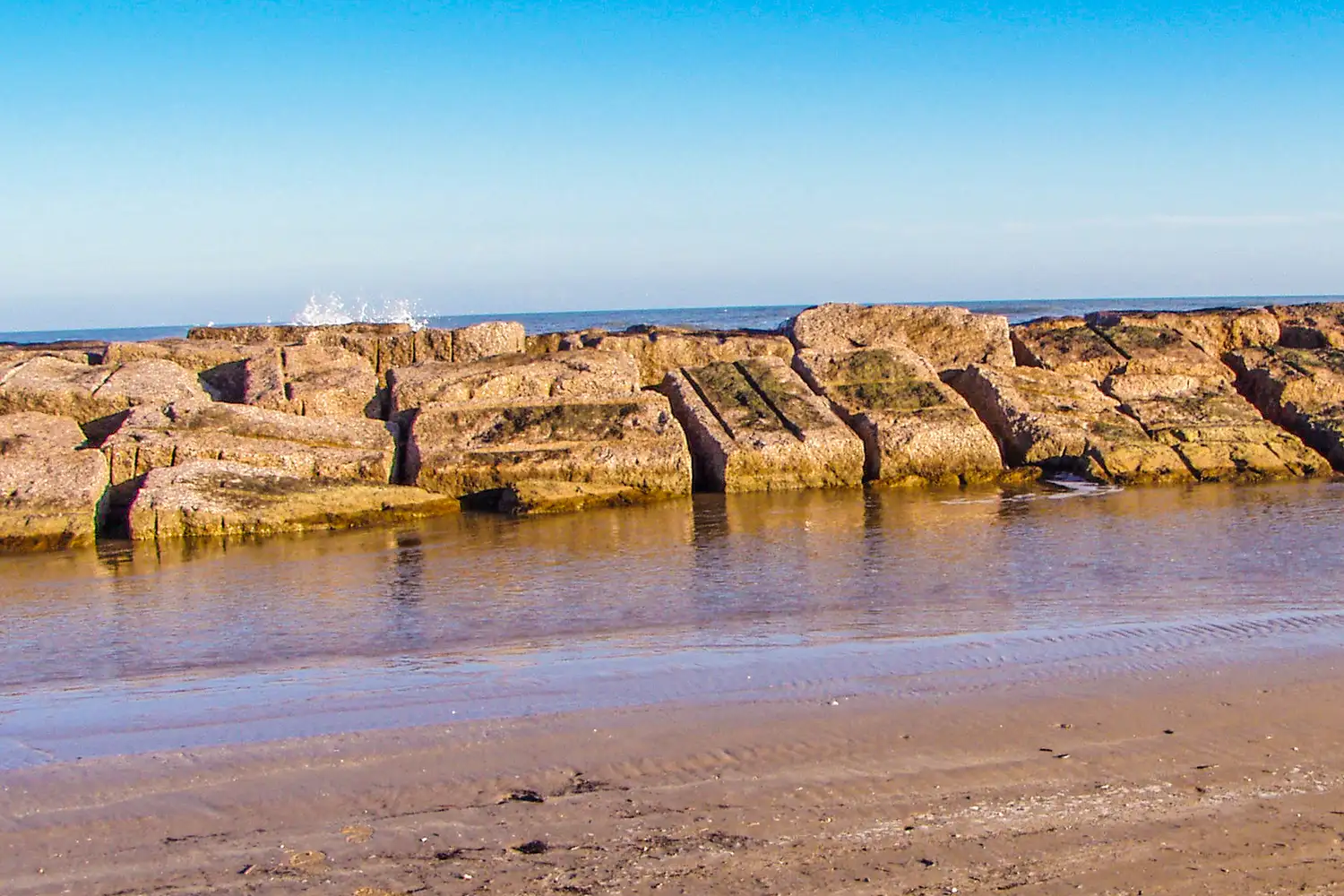
For those who prefer a more adventurous style of glamping, the park also offers refurbished Airstream trailers and spacious RV sites. Staying within the LCRA recreational sites grants you immediate access to both the tranquil riverbanks and the Gulf of Mexico jetties. It is the ideal setup for those who want to wake up, grab a coffee at a local spot like Cassady's for a Mata-Getdown Gorda, and walk straight to the water's edge.

Top Activities: Kayaking, Birding, and Shelling
The things to do in Matagorda Texas are almost exclusively tied to the rhythms of the natural world. This is not a destination for shopping malls or movie theaters; it is a place for observation and quiet exploration.
Birding Capital of North America
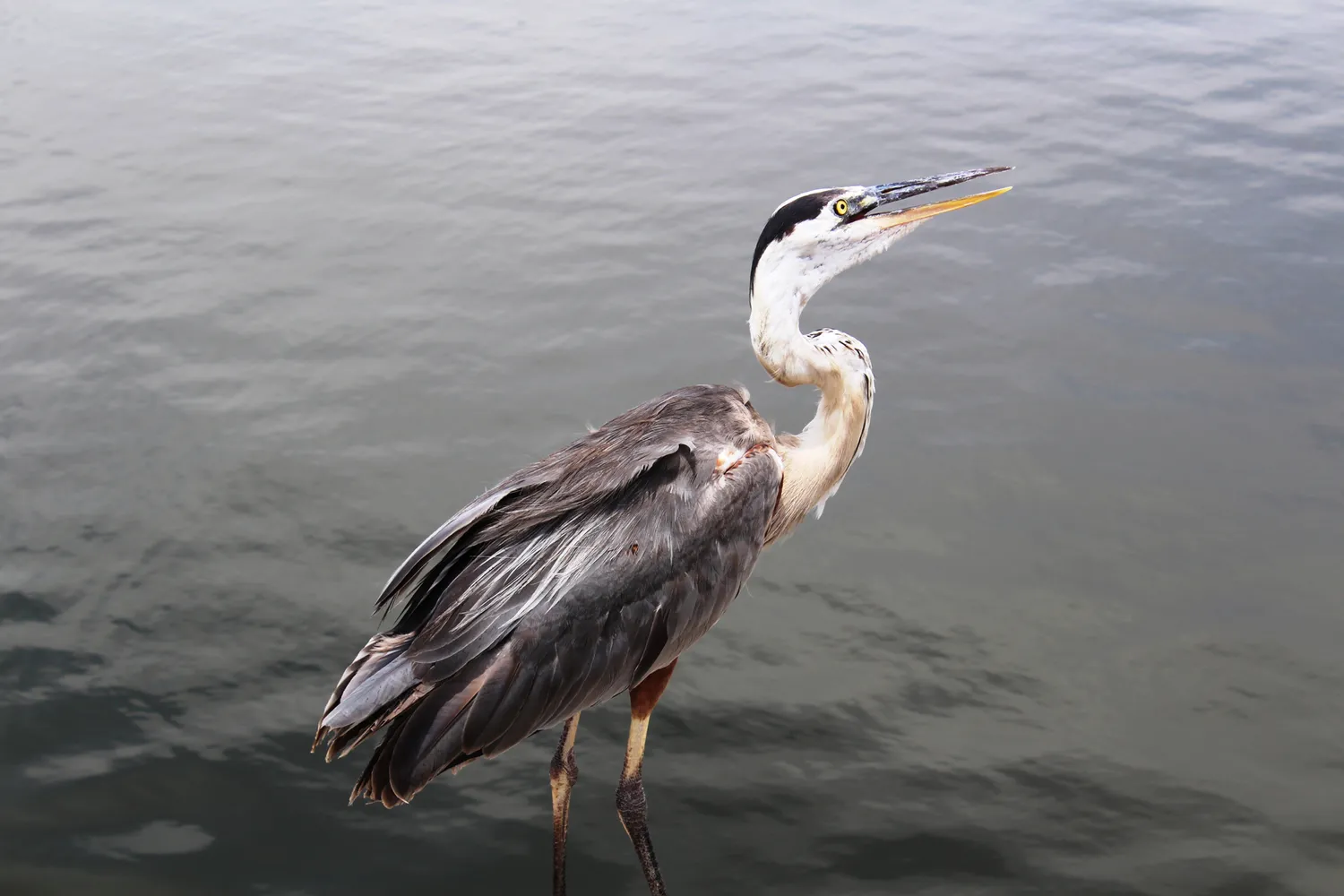
Matagorda holds a prestigious title: the birding capital of North America. This is not hyperbole, as the region has frequently ranked number one on the North American Audubon Christmas Bird Count. Because of its location at the intersection of various migratory paths, the diverse habitats support more than 300 feathered species. Using a Matagorda beach bird watching guide, enthusiasts can spot everything from the vibrant plumage of roseate spoonbills to the majestic sweep of ospreys. The marshes and bays are particularly vibrant during the winter avian migration, making it a year-round paradise for wildlife observers.
Kayaking the Coastal Marshes
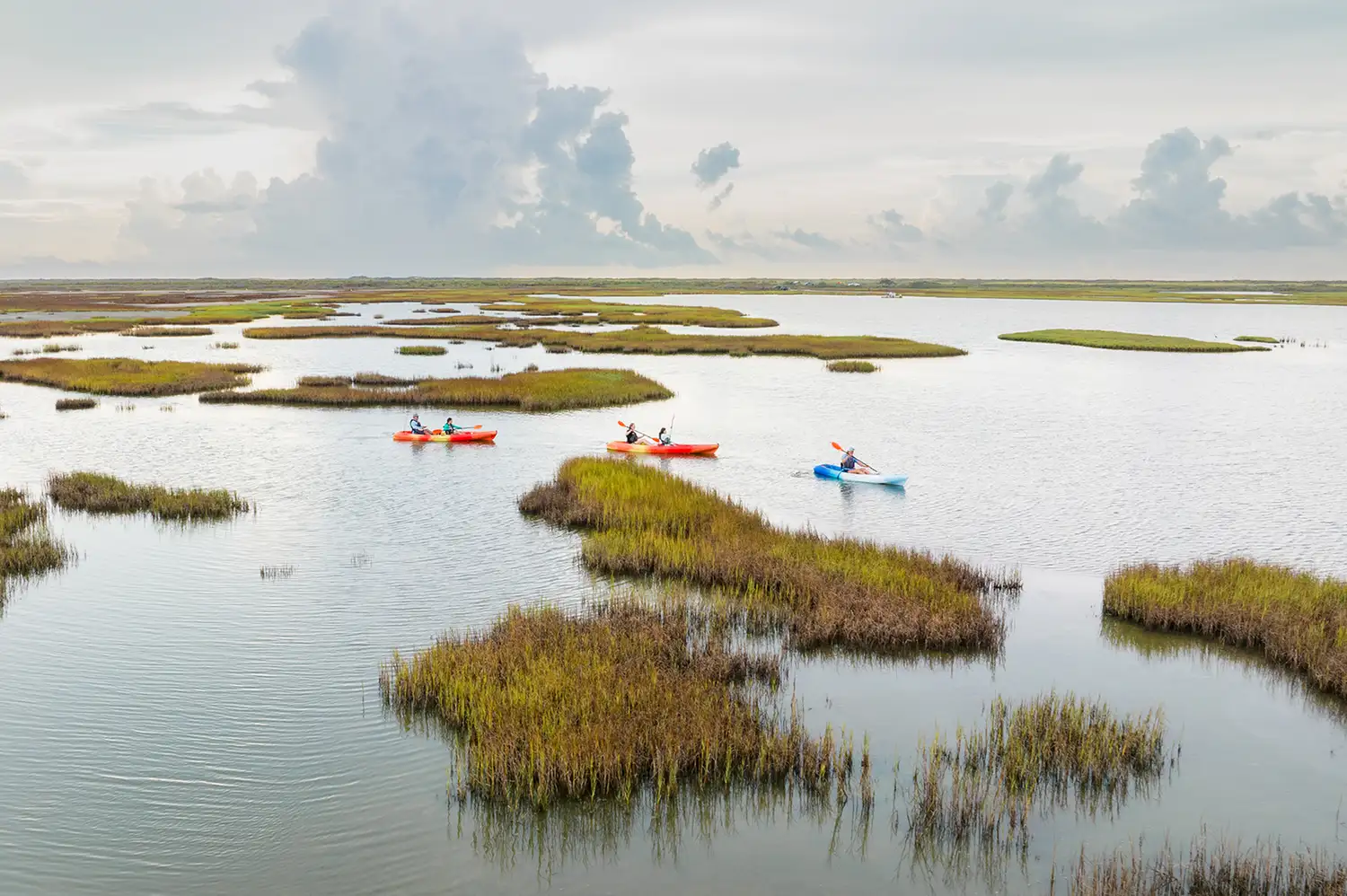
For an intimate look at the environment, kayaking the Colorado River in Matagorda is essential. Paddling through the coastal salt marshes allows you to see the nursery grounds of the Gulf. These shallow, protected waters are home to juvenile fish, crabs, and a variety of herons. The quiet lap of the water against the hull is often the only sound you will hear, reinforcing the remote coastal solitude that defines the region.
The Hunt for Lightning Whelks
Shelling is another primary draw, particularly for those looking for the lightning whelk, the official state shell of Texas. The best time for shelling in Matagorda Texas is typically after a cold front or during the low tides of winter. While many visitors stick to the easily accessible beaches east of the river, the true treasures are found further afield.
Matagorda Island: The Pinnacle of Remote Solitude
While the main beach near the Matagorda Bay Nature Park offers plenty of peace, the ultimate experience in isolation requires a bit more effort. Matagorda Island is a 56,365-acre state park and wildlife management area that remains largely untouched by modern development.
Of the total coastline, 35 miles are accessible only by boat or watercraft. Understanding how to get to Matagorda Island beaches is key for the solitude-seeker. You must either possess your own vessel or hire a private charter to make the crossing. Once you land, particularly at the famous Sunday Beach area, you are in a permit-free wild zone where the hand of man is virtually invisible.
The island is a critical habitat for endangered species, including the whooping crane and Kemp’s ridley sea turtles. There are no paved roads, no electricity, and no running water on the island. It is a place of pure coastal wilderness. Whether you are searching for rare shells or simply want to experience a beach as it looked centuries ago, the island represents the pinnacle of the Matagorda experience.
Essential Travel Tips: Visiting Matagorda Texas from Houston
If you are visiting Matagorda Texas from Houston, the drive is a straightforward journey south on Highway 60 or via FM 2031, which takes you directly to the coast. However, there are a few practical considerations to ensure your trip remains peaceful.
- Logistics and Access: To drive on the public beach east of the Colorado River, you will need a beach vehicle permit. These are affordable and can be purchased at several local merchants in town.
- Weather Awareness: The Texas coast can be unforgiving in the peak of summer. July heat is significant, so early morning or late evening activities are recommended. Conversely, the winter months are excellent for bird watching and offer the most comfortable temperatures for hiking.
- Dining: Do not expect fine dining. Matagorda’s food culture is centered around fresh, local catch. Waterfront eateries provide the perfect spot to enjoy a basket of fried shrimp while watching the shrimp boats return to the docks.
- Provisions: While there are small markets in town, it is wise to stock up on major supplies in nearby Bay City before making the final 25-minute drive to the coast.
Matagorda is a destination for the "hardcore relaxing" crowd. It is for the traveler who finds beauty in a salt marsh, excitement in a rare bird sighting, and luxury in the absence of noise. By preserving its wild spaces and limiting commercial growth, this corner of the Texas coast has managed to remain the most peaceful destination in the Lone Star State.
FAQ
What is Matagorda Texas known for?
Matagorda Texas is primarily known as the Birding Capital of North America, holding a top spot in the Audubon Christmas Bird Count for years. It is also famous for its world-class saltwater fishing, pristine shelling for lightning whelks, and its unique location at the mouth of the Colorado River where it meets the Gulf of Mexico.
Do you need a permit to drive on Matagorda Beach?
Yes, a permit is required to drive a vehicle onto the beach areas east of the Colorado River. These annual permits are inexpensive and can be purchased at local convenience stores and bait shops in Matagorda. The beach west of the river is not accessible by vehicle.
Can you swim in the water at Matagorda?
You can swim in the Gulf waters at Matagorda, but it is important to be aware of the environment. There are no lifeguards on duty along these remote stretches of sand. Swimmers should always check local tide reports and be cautious of the currents near the Colorado River mouth and the jetties.
Are there hotels or vacation rentals in Matagorda?
Matagorda does not have large hotel chains. Instead, visitors can stay in riverfront bungalows at Matagorda Bay Nature Park, rent private vacation homes, or stay in local lodges and RV parks. The bungalows managed by the LCRA are highly recommended for those wanting a modern stay within a nature preserve.
How far is Matagorda from Houston?
Matagorda is approximately 95 miles southwest of Houston. The drive typically takes about two hours via Highway 60 or Highway 288 to Highway 35, making it one of the most accessible remote beach destinations for those living in or visiting the Houston area.
Can you camp on the beach in Matagorda?
Beach camping is permitted on certain sections of Matagorda Beach. Most campers prefer the areas east of the Colorado River jetties. However, it is essential to check current LCRA regulations and local ordinances, as some areas may have restrictions based on the season or specific wildlife protection efforts.