Quick Facts
- Location: Monti district, situated beneath the Liceo Cavour high school, approximately 0.25 miles from the Colosseum.
- Period: Mid-Imperial era, specifically the mid-Second century CE.
- Discovery Date: Formally announced in May 2026 after extensive excavation of long-rumored chambers.
- Key Features: Well-preserved vaulted ceilings, terra cotta-colored stucco decorations, and vibrant frescoes.
- Ownership: Identified as the residence of the Umbrius family, evidenced by inscribed lead water pipes.
- Access: Currently limited; a unique collaborative project will soon offer student-led tours to the public.
- Archaeological Context: Represents high-status urban archaeology typical of the historic Esquiline Hill neighborhood.
The roman villa discovery 2026 rome at the Liceo Cavour has unveiled an expansive aristocratic domus featuring remarkably intact frescoes and vaulted ceilings. Located in the Monti district just a quarter-mile from the Colosseum, this secret roman villa offers a rare glimpse into the opulent lifestyle of Rome’s mid-Imperial elite.
The Discovery Beneath the Gym: A New Secret Site
There is a specific kind of magic reserved for the basement of an ancient city. In Rome, history does not just sit in museums; it breathes beneath the soles of your shoes. For decades, students at the Liceo Cavour, one of Rome’s most prestigious high schools, whispered about the hollow echoes beneath their gymnasium. What was once dismissed as a local school legend has become one of the most significant archaeological finds of the decade: a sprawling roman villa buried for nearly two millennia.
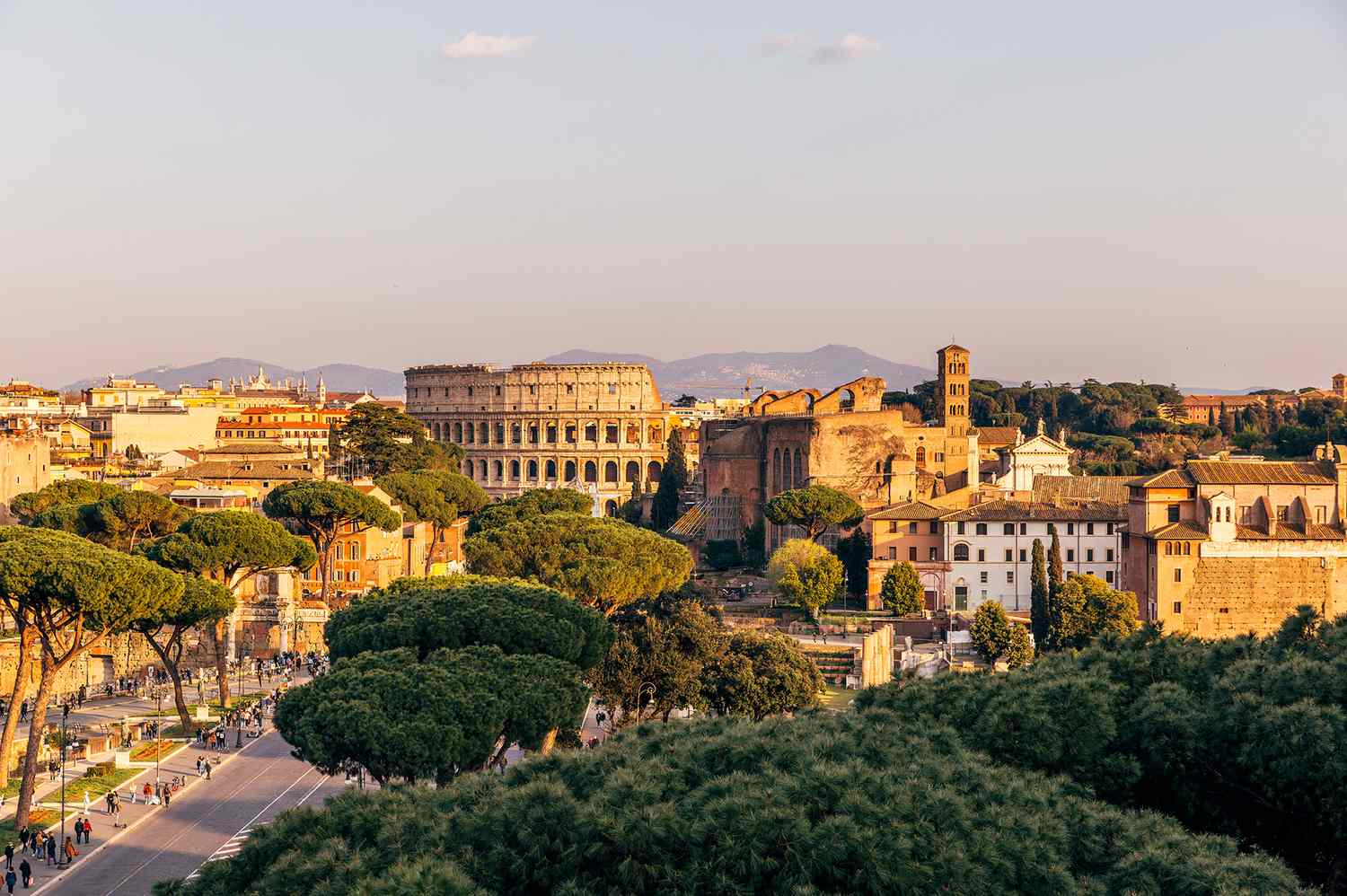
The official announcement of the roman villa discovery 2026 rome has sent ripples through the scientific community. Just a short walk from the tourist-heavy paths of the Colosseum, this site reminds us that the Eternal City still keeps its most intimate secrets in the neighborhood of Monti. This district, historically known as the Suburra, was once a dense mix of working-class insulae and elite estates. The discovery confirms that the aristocratic Esquiline Hill reached further into the valley than previously thought, placing a wealthy aristocratic residence right in the heart of the modern urban fabric.
Walking through the newly excavated corridors, the sense of layered history is palpable. The Special Superintendency of Rome has documented a fascinating timeline within the walls. In some sections, mid-20th-century graffiti from the school’s earlier days sits feet away from 2nd-century masonry. This underground roman villa was protected for centuries by the "fill layers" of the city—debris and earth used to level the ground for new construction as Rome continued to build on top of itself.
The site highlights the extraordinary density of underground roman sites in rome. Much like the Domus del Vicus Tuscus near the Forum, which features a late Republican-era wall mosaic made of shells and Egyptian blue tesserae, the Liceo Cavour find proves that Roman high-status living was defined by artistic innovation. The discovery near the school is particularly poignant because it moves from mystery to reality through the curiosity of the students themselves, who were the first to venture into the "rumored" gaps in the foundation.
Architecture of Luxury: Inside the Umbrius Domus
When we discuss a wealthy roman villa layout, we are looking at more than just a house; we are looking at a statement of political and social standing. The Liceo Cavour domus provides a masterclass in mid-Imperial roman villa design. Unlike the smaller, more functional apartments of the era, this residence was built with sprawling proportions.
The roman villa interior is dominated by wide rooms with high vaulted ceilings, a structural choice that allowed for better cooling and a sense of grandeur. The walls are not merely structural; they are canvases. The decorative program features terra cotta-colored stucco decorations that have retained their pigment with startling clarity. These are complemented by frescoes depicting mythological scenes and botanical motifs, characteristic of the mid-Imperial period when the Roman elite favored naturalistic but highly stylized domestic art.
One of the most exciting aspects for historians is the ancient roman domus floor plan revealed by the excavation. The presence of a cryptoporticus—a vaulted, partially underground corridor—suggests that the villa was built on a series of terraces. This was a common feature for aristocratic estates on the Esquiline Hill, where prominent figures like Octavian once lived. The cryptoporticus served both as a structural support for the upper levels and a shaded walkway where the owners could escape the summer heat.
The identity of the inhabitants was long a mystery until archaeologists found the fistulae, or lead water pipes. These pipes were inscribed with the name Umbrius, a family of local significance during the 2nd century. This find allows us to move beyond the abstract and imagine the family that once walked these halls, overlooking the bustling valley that would one day hold the Colosseum. The preservation of the stucco and stone under the school gym means that visitors can see the actual texture of the walls exactly as the Umbrius family left them.
The refined aesthetic seen in the frescoes mirrors the transition of Roman art toward the more expressive styles of the later empire. The use of deep reds and earthy yellows in the stucco decorations creates a warm, inviting atmosphere that contrasts sharply with the white marble often associated with ancient ruins. To see this roman villa interior is to understand that Roman life was lived in vibrant, saturated color.
Subterranean Rome: How to Visit and Where Else to Go
While the school's discovery is not yet fully open for daily walk-in traffic, the path to access is groundbreaking. In a move that blends education with heritage management, future tours of the site will be lead by the students of Liceo Cavour. This initiative aims to bridge the gap between Rome’s youth and its submerged history, turning the students into the custodians of the very ruins they sit atop during their morning lectures.
For those planning an immediate roman villa near colosseum visit, you may have to wait a little longer for the Umbrius Domus to finalize its visitor infrastructure. However, the Monti district and its surroundings are rich with hidden archaeological sites rome that can satisfy your curiosity for underground exploration in the meantime.
If you are eager to experience visiting underground ruins in rome, here are a few sites that offer a similar "under-the-modern-street" experience:
- Vicus Caprarius (The City of Water): Located near the Trevi Fountain, this underground complex reveals a wealthy residence and the remains of the Virgin Aqueduct.
- Domus Tiberiana: Recently reopened on the Palatine Hill in September 2023 after being closed for 50 years, this massive imperial palace covers approximately 4 hectares and offers breathtaking views of the Forum.
- Basilica of San Clemente: A short walk from the Colosseum, this site allows you to descend through layers of history—from a 12th-century church down to a 4th-century basilica, and finally to a 1st-century Roman house and Mithraic temple.
- Rinascente (Via del Tritone): This high-end department store houses the remains of the Aqua Virgo aqueduct in its basement, proving that even a shopping trip can turn into an archaeological deep-dive.
The collaborative tours at the Liceo Cavour are expected to begin on a limited schedule by late 2026. For travelers, the appeal lies in the exclusivity—the chance to be among the first to see frescoes that haven’t been viewed by human eyes since the days of Marcus Aurelius. It represents a different kind of tourism, one focused on the "slow reveal" of history rather than the quick checkbox of famous monuments.
The story of the school beneath the gym is a reminder that Rome is a 3D puzzle. The primary keyword for any traveler here shouldn't just be "sightseeing," but "exploration." Whether you are standing in a modern classroom or a 2nd-century atrium, the boundary between the past and the present is thinner than you think. Keep your eyes on the basement stairs; you never know what secret roman sites near colosseum might be hiding just one floor down.
FAQ
What is a Roman villa called?
In the context of urban environments like the one found near the Colosseum, an aristocratic Roman city house is specifically called a domus. While the term villa often refers to a country estate or a large rural retreat, the domus was the primary residence for wealthy citizens within the city walls, designed to accommodate both family life and the social obligations of the Roman elite.
What is the most famous Roman villa?
Villa Adriana (Hadrian’s Villa) in Tivoli is widely considered the most famous Roman villa due to its massive scale and architectural innovation. Within the city of Rome itself, the Domus Aurea (Nero’s Golden House) remains the most legendary, known for its sheer decadence and its location directly adjacent to the site where the Colosseum would later be built.
Where do people sleep in Roman villa?
In a typical Roman domus or villa, residents slept in small, private rooms called cubicula. Unlike the grand, communal reception halls such as the atrium or the peristyle, these sleeping quarters were usually modest in size, featuring minimal furniture and often decorated with simpler frescoes to create a quiet, private sanctuary away from the public areas of the home.
What was the Roman villa?
A Roman villa was a high-status residence that served as a symbol of wealth and Romanitas (Roman identity). These structures were characterized by their advanced engineering, featuring central courtyards, sophisticated water systems, and decorative elements like mosaics and frescoes. They functioned as both a private home and a place to host guests, reflecting the owner's social standing and taste.