Quick Facts
- Best Timing: The tropical dry season from May to October is the gold standard for celebrations.
- Investment: A private remote event for 40 guests averages approximately 22,360 AUD.
- Legal Requirement: Expect a mandatory 3-day waiting period for processing after arrival.
- Key Logistics: Transportation to outer islands relies on seaplane transfers or water taxi charters from Nadi.
- Cultural Highlights: Authenticity is found in the lovo feast, masi attire, and the traditional kava ritual.
- Stay Duration: With an average tourist stay of 9.6 nights, most couples plan week-long festivities.
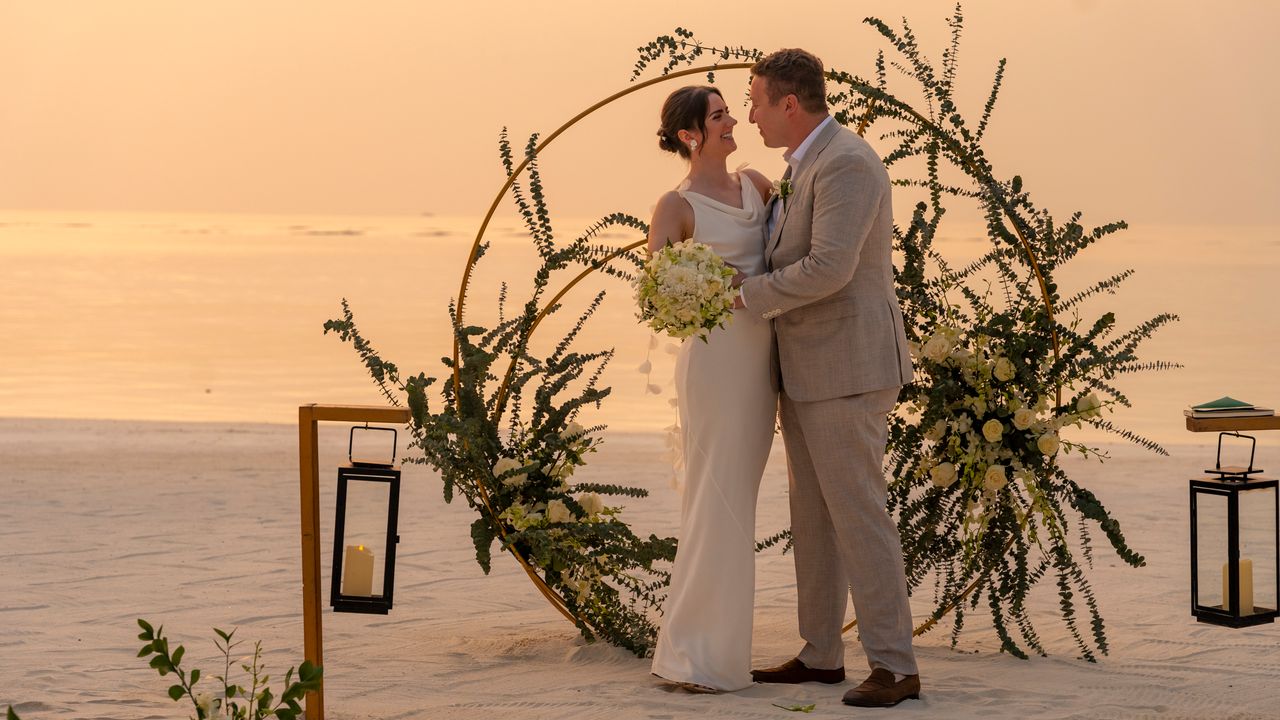
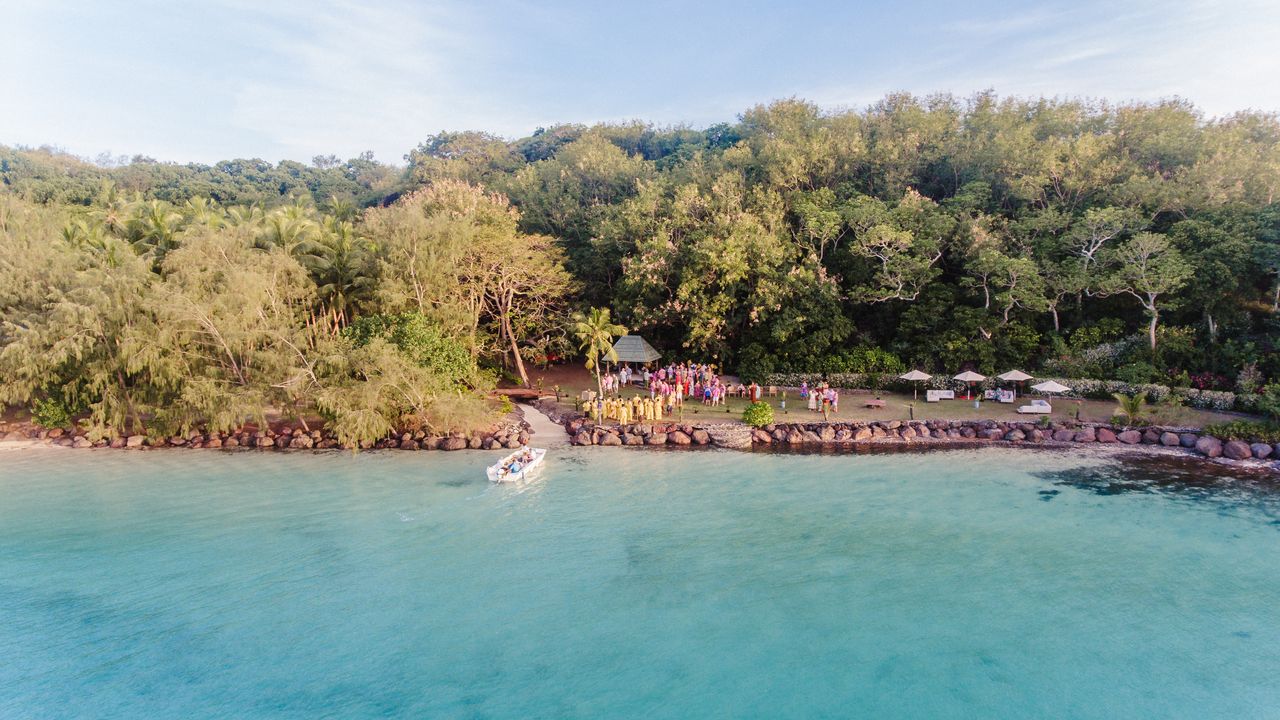
Planning a Fiji island wedding in a remote location requires local insight. This guide covers legal requirements, the tropical dry season, and Yasawa logistics. The best months for remote Fiji island weddings to avoid cyclones and heavy rain are between May and October, providing the most stable backdrop for an outdoor ceremony on the white sands of the Yasawa or Mamanuca chains.
Navigating the Legalities: The Three-Day Rule
In the world of luxury travel, time is often our most precious asset, and in Fiji, it is also a legal requirement. We recommend that couples treat their first few days on the island as a period of soft landing. To legally marry in the islands, the government requires a mandatory 3-day waiting period. This isn't merely a bureaucratic hurdle; it is an invitation to decompress from your flight at Nadi International Airport before the festivities begin.
According to the 2019 Fiji International Visitor Survey, 1% of total international visitors travel to Fiji specifically to get married. While this may seem a small fraction, the legal framework is well-oiled for international guests. You will need to visit the nearest registry office to obtain your license before heading to your remote resort.
Expert Tip: Ensure all your documents—passports, birth certificates, and, if necessary, Decree Nisi papers—are original or certified copies. Most high-end resorts provide a dedicated wedding coordinator who can streamline this process by submitting scanned copies in advance.
| Requirement | Detail |
|---|---|
| Mandatory Wait | 3 days after arrival in Fiji |
| Witnesses | 2 guests over the age of 21 |
| License Office | Registry offices in Nadi, Lautoka, or Suva |
| Validity | Recognized legally in Australia, NZ, UK, USA, and Canada |
Logistics of the Remote: Yasawa Islands Guest Transfers
There is a profound sense of romance in being truly disconnected, but for the discerning host, the Yasawa Islands wedding guide focuses heavily on the "hub and spoke" logistics of guest arrival. Unlike the more accessible Coral Coast, the remote Yasawa chain requires a touch more finesse to navigate.
Most guests will land at Nadi International Airport and immediately feel the shift in pace. For a seamless experience, we recommend arranging seaplane transfers via Turtle Airways. Seeing the turquoise reefs from above is a gift to your guests that serves as a spectacular prelude to the wedding. For larger groups, water taxi charters offer a more communal, social start to the trip.
One of the nuances of Fiji destination wedding planning is the "satellite" accommodation model. If your chosen boutique resort has limited capacity, we suggest managing guest accommodation across multiple Fiji resorts within a ten-minute boat radius. For example, a main party at an exclusive resort buyout can easily be supplemented by nearby properties. Coordinating these private boat transfers between "satellite" islands ensures that everyone is present for the sunset cocktails while maintaining the intimacy of a smaller property.
Cultural Immersion: Traditional Fijian Customs
To host a Fiji island wedding without acknowledging the soul of the land would be to miss the very essence of the archipelago. We often encourage our couples to look toward traditional Fijian wedding customs to add a layer of depth to their ceremony. Approximately 41% of visitor parties to Fiji travel as couples, and those who choose cultural immersion often find it to be the highlight of their stay.
One of the most visually striking traditions is the kalavata. This involves the wedding party and sometimes the guests wearing matching attire patterns. Incorporating traditional Fijian wedding customs like kalavata creates a powerful visual sense of unity. The fabric used is often masi, a traditional Fijian masi cloth made from the bark of the mulberry tree, frequently decorated with intricate geometric motifs.
The Fiji island wedding kava ceremonies, or sevusevu, are another pivotal moment. This ritual welcomes the groom’s family to the bride’s "village" (or resort). It is a moment of quiet respect, punctuated by the rhythmic clapping—three times before drinking and once after. To elevate the energy of the evening, a meke warrior dance performed under the stars provides a sensory experience that no ballroom in Sydney or London could ever replicate.
Island Feast: Menu Ideas from the Earth
When it comes to the wedding breakfast, the most luxurious choice is often the most local one. Sourcing vendors from local villages for floral salusalu garlands and catering not only ensures an authentic island aesthetic but also fosters a beautiful connection with the community.
We suggest a menu that centers on the lovo—a traditional Fijian wedding menu ideas including lovo and kokoda. The lovo is an underground earth oven where succulent meats and root vegetables like dalo (taro) are slow-cooked over hot stones, wrapped in banana leaves. This method of cooking imparts a delicate, smoky flavor that is impossible to achieve in a conventional kitchen.
For the first course, nothing says "Pacific romance" quite like kokoda. This is the Fijian version of ceviche, where fresh-caught walu or snapper is marinated in lime juice and served in a rich, velvety coconut cream with finely diced chilies and onions. By leaning into these local flavors, you avoid the logistical nightmare of importing delicate perishables, ensuring that every bite your guests take is as fresh as the ocean breeze.
The average cost for a private remote island wedding in Fiji for 40 guests is approximately 22,360 AUD, a figure that includes these lavish local feasts. When compared to domestic weddings in Australia or the US, the value of a high-end Fijian experience becomes undeniable, allowing for a multi-day event rather than just a single afternoon.

FAQ
What is the best month to get married in Fiji?
The best month to get married in Fiji is anytime between May and October. This period marks the tropical dry season, offering mild temperatures, lower humidity, and the lowest probability of rainfall, which is essential for outdoor beach celebrations.
Is a wedding in Fiji legally binding?
Yes, a wedding in Fiji is legally binding and recognized globally, provided you follow the government requirements. You must obtain a marriage license from a local registry office and have two witnesses present during the ceremony.
How much does a wedding in Fiji cost?
The average cost for a destination wedding in Fiji with 40 guests is around 22,360 AUD. This is often significantly more affordable than comparable luxury weddings in Australia or North America, even when including high-end seaplane transfers and exclusive resort buyouts.
What are the legal requirements for getting married in Fiji?
Couples must provide valid passports, birth certificates, and a Decree Nisi if previously divorced. There is a mandatory 3-day waiting period after arriving in the country before the license can be issued, and the ceremony must be performed by a registered celebrant.
Which island in Fiji is best for a wedding?
While the Coral Coast is convenient, the Yasawa Islands are widely considered the best for a remote and romantic experience. They offer the iconic white-sand beaches and turquoise lagoons that many couples envision for a South Pacific destination wedding.