Quick Facts
- Economic Impact: Tourism generates 70% of every dollar on Maui; your visit sustains approximately 85% of all local jobs.
- Environmental Protections: Use only mineral-based reef-safe sunscreen; violating the 10-foot distance rule for sea turtles carries fines between $15,000 and $50,000.
- Restoration Progress: Lahaina icons like Mala Ocean Tavern and Old Lāhainā Lūʻau are open as of June 2026; West Maui resort areas are fully operational.
- Visitor Contributions: An 11% Green Fee (TAT) is applied to stays to fund wildfire recovery and shoreline protection projects.
- Cultural Protocol: Practice kuleana by avoiding photography of fire-impacted residential zones and staying on designated paths at sacred sites.
- Legal Stays: Ensure your accommodation displays a valid TMK (Tax Map Key) and TAT number to confirm it is a legally registered rental.
As we look toward June 2026, Maui's recovery enters a vital new phase. Responsible Maui travel is more than just a visit; it is an act of kuleana. By supporting local Maui businesses post-fire and engaging in Malama Maui volunteer opportunities, travelers can directly contribute to the island's community resilience while honoring the sanctity of the land and its history.
Is it Ethical to Visit Maui in 2026?
The question of whether to visit an island still healing from the 2023 wildfires is one I hear often from environmentally conscious travelers. In 2026, the answer is a resounding yes, provided you arrive with the right mindset. Maui is currently in a state of delicate but determined community resilience. While the emotional scars of the fires remain, the economic reality is that the island lost an estimated $13 million per day in visitor spending following the disaster. Choosing to visit now is a way of practicing Pono—doing what is right—by helping to stabilize the primary engine of the local economy.
Ethical travel here means understanding that you are entering a space where residents are rebuilding their lives. Your presence should feel like a supportive embrace rather than an intrusion. By choosing responsible Maui travel, you are providing the resources needed for local families to remain on their ancestral lands. The key is to move away from the traditional vacationer mindset and toward being a guest who understands the profound connection between the people, the ocean, and the land.
Planning a Respectful Itinerary: Where to Stay and Go
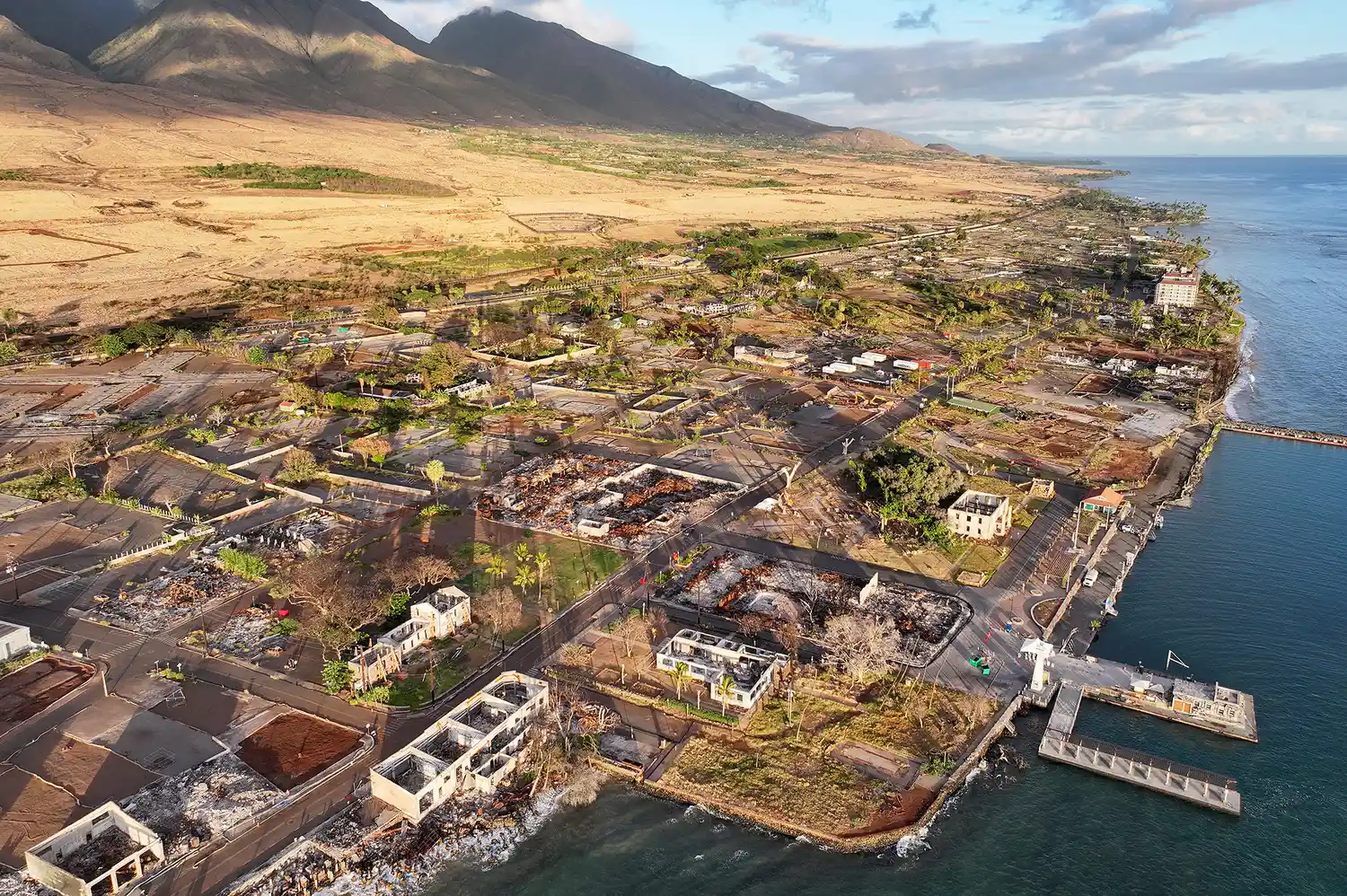
When you begin planning a respectful itinerary for Maui fire recovery areas, geography matters. While central Lahaina is undergoing a phased and respectful rebuilding of its historic core, the major resort hubs of West Maui—specifically Kāʻanapali, Kapalua, and Napili—are fully open and welcoming guests with open arms. These areas have been the backbone of the recovery, providing jobs and stability for displaced workers.
Choosing the right place to stay is your first step in being a conscious guest. If you are looking for an eco-friendly Maui accommodation guide for responsible travelers, always verify that your rental is legal. A legitimate short-term rental must display its Tax Map Key (TMK) and TAT number. Using unverified rentals can exacerbate housing shortages for residents still in transition.
Sustainable Travel Tip: Check MauiRecovers.org before your trip. This official portal provides updated maps of access zones, ensuring you don't accidentally wander into residential recovery areas where residents are seeking privacy.
Maui Cultural Respect Guide: Boundaries and Etiquette
As a sustainable travel editor, I believe that the greatest gift a traveler can give is respect. Hawaii operates on the principle of kuleana, or mutual responsibility. This is especially vital when navigating a landscape that has seen such significant loss. A Maui cultural respect guide for tourists starts with a simple rule: if it looks like a place of mourning or recovery, it is not a backdrop for your social media.
When thinking about how to visit Maui responsibly without taking fire zone photos, remember that those charred foundations or empty lots were once someone’s home. Taking photos of these areas is deeply hurtful to the community. Instead, focus your lens on the beauty of the natural regrowth and the vibrant spirit of the people.
| Category | Do | Don't |
|---|---|---|
| Photography | Capture public beaches and open businesses. | Take photos of fire-damaged homes or recovery zones. |
| Sacred Sites | Stay on marked trails and keep voices low. | Move rocks, leave offerings, or enter blocked areas. |
| Ocean Safety | Use mineral-only, reef-safe sunscreen. | Wear chemical sunscreens (Oxybenzone/Octinoxate). |
| Wildlife | Maintain a 10-foot distance from sea turtles. | Attempt to touch or feed marine life. |
| Driving | Use the Lahaina Bypass to keep traffic moving. | Stop on the side of the road to view fire damage. |
A Maui cultural respect guide for visiting sacred sites also emphasizes land stewardship. If you visit the iconic Banyan Tree or other historic locations, follow all signage regarding paths. These areas are under ecological and structural stress; staying on designated paths helps prevent soil compaction and protects the delicate root systems that are working hard to recover.
Economic Malama: Supporting Local Maui Businesses Post-Fire
The most direct way to show your love for the island is through your wallet. Supporting local Maui businesses post-fire ensures that the 2026 economy benefits the people who need it most. Many beloved Lahaina establishments have successfully reopened in new or temporary locations, or have rebuilt within the accessible parts of town.
- Mala Ocean Tavern: A staple for oceanfront dining that has shown incredible resilience.
- Coco Deck: A wonderful spot to enjoy local flavors and support West Maui's culinary scene.
- Old Lāhainā Lūʻau: Their reopening has brought back vital jobs for cultural practitioners and performers.
- Lahaina Gateway: Continue to shop here for essential services and local retail.
When you are looking for how to support local Maui businesses after wildfires, look for the Maui Nui First seal. This initiative highlights artisans and entrepreneurs who are indigenous to the islands or long-term residents. Participating in Maui community events supporting wildfire recovery efforts, such as local farmers markets or art fairs, allows you to meet the makers and hear their stories firsthand.
Giving Back: Malama Maui Volunteer Opportunities
The concept of Mālama—to care for—is at the heart of Hawaiian culture. In 2026, many visitors want to do more than just dine and lounge; they want to contribute. There are several vetted Malama Maui volunteer opportunities that allow you to give back while learning about the environment.
Participating in native plant restoration with organizations like the Pacific Whale Foundation or coastal land trusts helps mend the ecosystem, which is vital for preventing future fire risks and erosion. Beach cleanups are another evergreen way to practice environmental stewardship. If you prefer a more community-focused approach, local food banks often welcome travelers to help sort supplies for families still in the rebuilding process. These experiences often end up being the most memorable part of a trip, providing a deep, soulful connection to the land and its people.
FAQ
Is it ethical to visit Maui right now?
Yes, visiting in 2026 is ethical and encouraged by the local community. Tourism provides the economic stability needed for recovery, provided travelers follow respectful protocols and avoid fire-impacted residential areas.
How can I practice responsible tourism in Maui?
You can practice responsible tourism by staying in legal accommodations, supporting local businesses, avoiding sensitive fire-impacted zones, and using reef-safe sunscreen to protect the marine ecosystem.
What should I avoid doing while visiting Maui?
Avoid taking photographs of destroyed buildings or private recovery zones. Do not trespass on private property, and never ignore road or path closures intended to protect the privacy of residents.
How can tourists help with Maui wildfire recovery?
Tourists can help by spending money at locally-owned shops and restaurants and by participating in official volunteer programs that focus on land restoration or community support.
Are there volunteer opportunities for tourists in Maui?
Yes, many Malama Maui volunteer opportunities exist, including beach cleanups, native tree planting, and assisting at local food banks. Always book these through official non-profit organizations.
What are the guidelines for reef-safe sunscreen in Hawaii?
Maui County law requires the use of mineral-only sunscreens containing zinc oxide or titanium dioxide. Sunscreens with oxybenzone or octinoxate are prohibited as they damage coral reefs.