Quick Facts
- Ancient Roots: The Jewish presence in Rome is the oldest in the Western world, dating back to 161 BCE.
- The Ghetto Legacy: Between 1555 and 1870, the Roman Ghetto confined the community to a seven-acre area, creating a culinary time capsule.
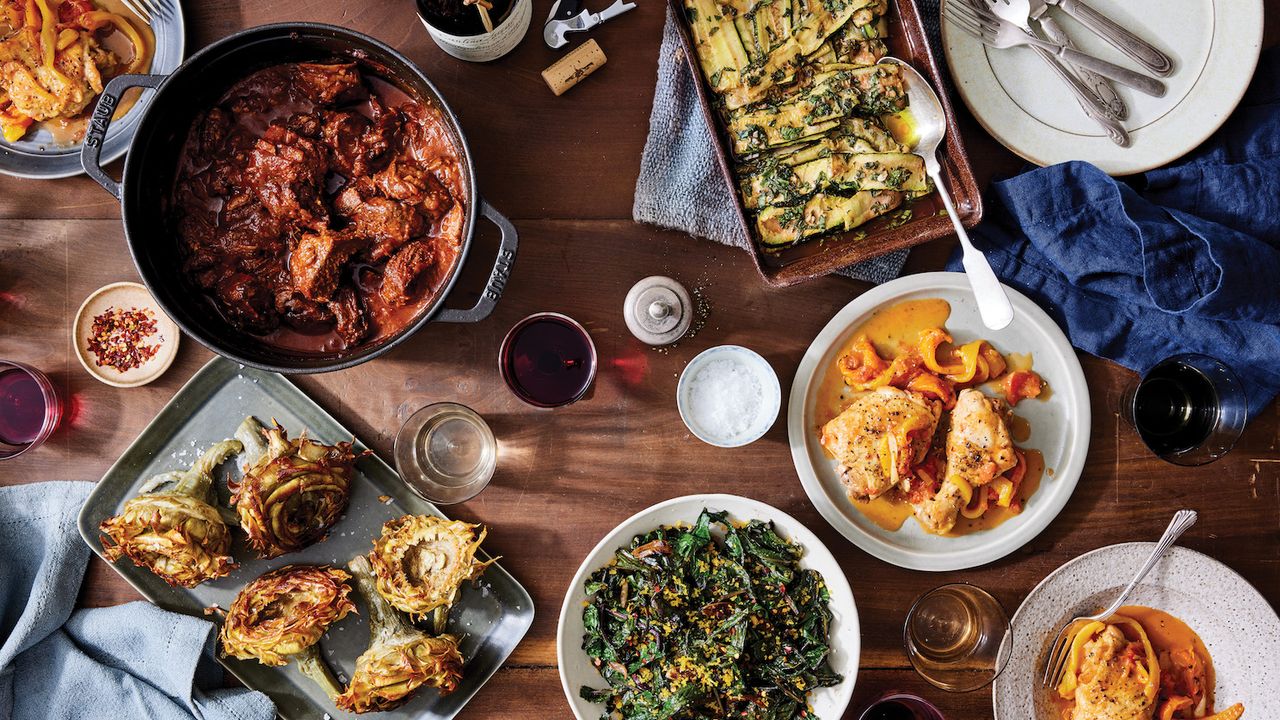
- Signature Dish: Carciofi alla giudia, or Jewish-style artichokes, are the most recognizable icons of this lineage.
- Culinary Secret: The mastery of the two-stage deep-fry allows for textures that are simultaneously tender and shatteringly crisp.
- Key Neighborhood: The Portico d’Ottavia serves as the historic heart, while Piazza Bologna offers a taste of modern Libyan Jewish influences.
- Iconic Flavors: Roman Jewish food is defined by its use of sustainable fish, seasonal produce, and the ingenious use of offal.
Roman Jewish food, or Cucina Ebraica, is the soul of Rome's culinary identity, dating back over 2,000 years. This resilient tradition emerged from the constraints of the Roman Ghetto to become the foundation for many of the city's most beloved staples, from fried artichokes to essential pasta techniques.
The Three Waves of Roman Jewish Cuisine
To walk through the narrow, sun-drenched alleys of the Portico d’Ottavia is to walk through layers of time. The history of the Jewish roots of Roman cuisine is not a single story but a sequence of arrivals and adaptations. The first wave began with the Italkim, the ancient Roman Jews who arrived in the 2nd century BCE, long before the fall of the Second Temple. They brought with them a Mediterranean sensibility that predates the modern concept of Italian food.
The second wave arrived with the Sephardic culinary roots following the 1492 expulsion of Jews from Spain and Portugal. This migration was a turning point for Roman Jewish food and the city at large. These newcomers introduced ingredients that we now consider quintessential to Italy: tomatoes, eggplants, and peppers. Before the Sephardic community integrated these into their daily meals, much of Rome viewed the eggplant with suspicion, calling it the melanzana or "crazy apple."
The final structural layer was added much later, in 1967, when Jewish refugees from Libya arrived in Rome. They brought a vibrant palette of North African spices, such as cumin, caraway, and harissa, and introduced dishes like haraimi—fish cooked in a spicy tomato sauce. Today, the best traditional Jewish Roman dishes are a tapestry of these three eras, woven together by a shared history of survival and a profound respect for seasonal ingredients.
During the three centuries the community was confined to the Ghetto, poverty became the mother of invention. Restrictions on what Jews could buy meant they became masters of humble ingredients. They turned to the quinto quarto—the "fifth quarter" of the animal, effectively the offal—and learned to make it sing. This ingenuity eventually bled into the wider Roman kitchen, influencing how the whole city prepares its most famous meats and vegetables.
Mastery of the Fry: Carciofi alla Giudia and Beyond
If Rome has a culinary mascot, it is undoubtedly the carciofi alla giudia. The carciofi alla Giudia history is a testament to how a simple vegetable can be elevated to high art through technical precision. Unlike many other Roman dishes that have been modified for modern palates, these artichokes remain a direct link to the 16th century.
The secret lies in the two-stage deep-frying techniques. An authentic Roman Jewish artichoke—usually the violet-hued, thornless cimaroli or romanesco variety—is first poached in olive oil at a lower temperature of roughly 280°F until the heart is tender. It is then removed, rested, and plunged into 350°F oil. At this higher heat, the leaves "bloom" like a bronze rose, becoming incredibly crisp while the center remains buttery. When you are learning how to identify authentic carciofi alla giudia, look for that specific bloom; it should look more like a flower than a vegetable.
Beyond the artichoke, the mastery of the fry extends to everything from salt cod (baccalà) to zucchini flowers stuffed with mozzarella and anchovies. It is a little-known culinary fact that the Jewish influence on classic Roman pasta dishes often began with the use of these fried elements for texture and flavor. Even the global favorite of fish and chips has roots that trace back through the Jewish communities of Europe, who brought their expertise in frying sustainable fish to new shores.
Leah Koenig, a leading voice in modern Jewish culinary writing, often notes that these frying techniques were born out of necessity. Lacking expensive ovens, many Ghetto residents relied on communal frying vats. This evolved into a sophisticated understanding of oil temperatures and batter consistencies that still defines the best restaurants in Rome Jewish Ghetto today.
Sweet Traditions: Pizza Ebraica and the Jewish Bakery
As you wander toward the ruins of the Portico d’Ottavia, a scent that is both sweet and slightly charred begins to drift through the air. It leads to Boccione, a tiny, portal-like bakery that has been in the same family for over 200 years. There is no sign, and the windows are often foggy, but the line of locals is a permanent fixture.
The item everyone is waiting for is Pizza Ebraica. Despite the name, this is not a savory cheese-and-tomato pie. Instead, it is a dense, heavy cake made from almond flour, oil, and sugar, packed with raisins, pine nuts, and whole candied fruits. Its most distinctive feature is its exterior, which is intentionally blackened. To the uninitiated, it looks burnt, but that char is essential—it provides a bitter, caramelized counterpoint to the rich, sweet interior.
Knowing what to order at Boccione bakery in Rome is a rite of passage for any food lover. Beyond the pizza, seek out the Crostata di visciole. This tart features a thick layer of sweetened sheep’s milk ricotta topped with a layer of visciole, which are tart wild cherries. The combination was born from an old papal decree that forbade Jews from selling "dairy products" to Christians; by hiding the ricotta under a dark layer of cherry jam, the bakers could bypass the law. Today, it remains one of the most beloved traditional Jewish Roman dishes, enjoyed by everyone regardless of faith.
The bakery also adheres to strict standards of Kashrut compliance for many of its items, ensuring that the ancient laws of Jewish dietary practice are preserved. It is a living piece of history where the recipes haven't changed in generations, offering a flavor profile that is distinctively Roman yet entirely unique to its Jewish heritage.
Managing the Menu: Where to Eat in the Ghetto and Beyond
The Jewish Ghetto remains the primary destination for those seeking these heritage flavors, but the scene has expanded. To find the best restaurants in Rome Jewish Ghetto area, one must distinguish between "Kosher-style" and strictly certified Kosher establishments.
Recommended Dining Spots
- Boccione Bakery: The essential stop for sweets. Be prepared to wait, and don’t be surprised by the famously brisk service. Order the Pizza Ebraica and the ricotta and sour cherry tart.
- Casalino Osteria: Located right on the main drag of the Ghetto, this is an excellent place to experience carciofi alla giudia. Their pastas, particularly the ones using dried salt cod or anchovies with endive, are exemplary.
- Ba'Ghetto: A stalwart of the neighborhood offering two distinct experiences—one dairy-focused (Milky) and one meat-focused. This is where you can see the intersection of Middle Eastern and Roman influences.
- Nonna Betta: Famous for its murals and its deep commitment to Ghetto history. This is a prime spot to try the traditional fried zucchini flowers and various preparations of quinto quarto.
- C’è Pasta… e Pasta: Located in the Trastevere district, this is a more casual, deli-style spot that is a favorite with locals for takeaway. It offers a wonderful glimpse into the prepared foods Roman Jewish families eat at home.
- Libyan Flavors near Piazza Bologna: For those interested in the more recent wave of migration, the area around Piazza Bologna is home to several restaurants serving Libyan Jewish cuisine. Look for dishes like couscous with fish or spicy brisket.
When you sit down to a meal here, you are participating in a tradition that has survived papal decrees, extreme poverty, and the horrors of the 20th century. The food is salty, fried, and bold—a reflection of a community that refused to be erased. Whether it is the crunch of an artichoke leaf or the smoky sweetness of a cherry tart, the flavors of Roman Jewish food are the flavors of Rome itself.
FAQ
What is Roman Jewish food?
Roman Jewish food, or Cucina Ebraica, is a unique culinary tradition developed by the Jewish community in Rome over two millennia. It is characterized by specific frying techniques, the use of seasonal vegetables like artichokes and endives, and the creative preparation of sustainable fish and offal.
What are the most famous Roman Jewish dishes?
The most iconic dishes include carciofi alla giudia (deep-fried artichokes), pizza ebraica (a dense fruit and nut cake), crostata di visciole (sour cherry and ricotta tart), and various preparations of fried cod and stuffed zucchini flowers.
How does Roman Jewish cuisine differ from standard Italian cooking?
While it shares the Italian focus on fresh, seasonal ingredients, it is strictly influenced by Jewish dietary laws (Kashrut). It often uses olive oil or poultry fat instead of butter or lard, avoids mixing meat and dairy, and features historical influences from Sephardic and North African Jewish migrations that are less prevalent in standard Roman cooking.
Is food in the Rome Jewish Ghetto kosher?
Not all restaurants in the Jewish Ghetto are certified Kosher. Some are "Kosher-style," meaning they serve traditional Jewish dishes but may not follow all the ritual requirements for certification. Those looking for strictly certified meals should look for the official Kashrut certificate displayed in the window.
What are Carciofi alla Giudia and why are they popular?
These are "Jewish-style" artichokes that are deep-fried twice. They are popular because of their incredible texture—the outer leaves become crispy like potato chips while the heart stays soft. They are a symbol of the Ghetto’s history and represent the community's mastery of the deep-fry.
The story of Roman Jewish food is one of preservation through isolation. The walls of the Ghetto, intended to separate, instead acted as a vessel that protected these ancient recipes from being modernized or lost. Today, as you stand in the shadow of the Portico d’Ottavia, the taste of a perfectly fried artichoke is more than just a meal—it is a bite of history that has become an inseparable part of Rome's very identity.