Quick Facts
- Best Time: Late May to early October for wildlife and favorable weather.
- Must-Do: South Unit Scenic Loop Drive (36 miles) for views and wild horse sightings.
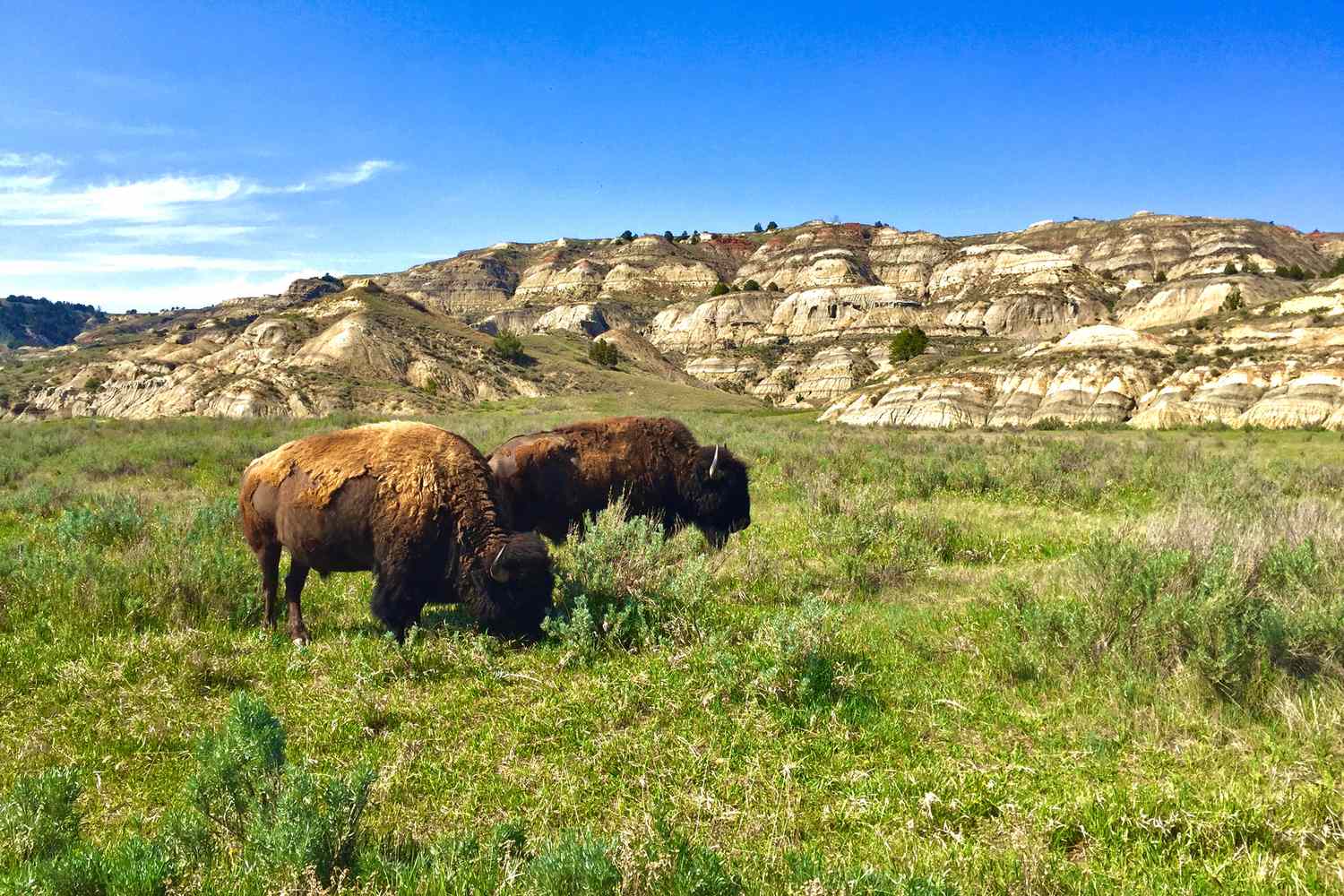
- Wildlife: American Bison, wild horses, elk, and prairie dogs.
- Entry Fee: $30 per vehicle (valid for 7 days across all units).
- Gateway Town: Medora, North Dakota, offers dining and historical lodging.
- Special Event: The Theodore Roosevelt Presidential Library is scheduled to open in July 2026.
Theodore Roosevelt National Park is more than just a scenic stop; it's the birthplace of the American conservation movement. From the wild horses in North Dakota Badlands to the rugged wind-carved canyons, this park offers a unique blend of history and adventure. Visitors can spot wild horses, bison, and elk while exploring landmarks like the Maltese Cross Cabin. Popular activities include driving the South Unit Scenic Loop, hiking the Wind Canyon Trail at sunset, and stargazing under some of the darkest skies in the country.
Beyond the Badlands: A President’s Sanctuary
On February 14, 1884, a young New York assemblyman named Theodore Roosevelt suffered a tragedy that would have broken most men. He lost both his mother and his wife on the same day, in the same house. In his diary, he marked the date with a large, solitary 'X' and the words: "The light has gone out of my life." To heal, he fled west to the North Dakota Badlands, seeking solace in the rugged silence of the Little Missouri River.
What he found there transformed him—and eventually, the nation. The hard work of ranching and the majesty of the wind-carved canyons distilled his resolve, turning a grieving city-dweller into the Conservation President Legacy we remember today. Theodore Roosevelt National Park is the only national park named for a person, and it preserves the very landscape that birthed the American conservation movement. Unlike the crowded corridors of Zion or Yellowstone, here you find a profound, undisturbed sense of scale. While the park offers breathtaking vistas, it remains one of the most underrated gems in the National Park System. Interestingly, while visitors flock to famous sites, Isle Royale National Park in Michigan holds the record for the highest average visit duration at 52.4 hours, suggesting that some of our least-visited parks are the ones people find hardest to leave.
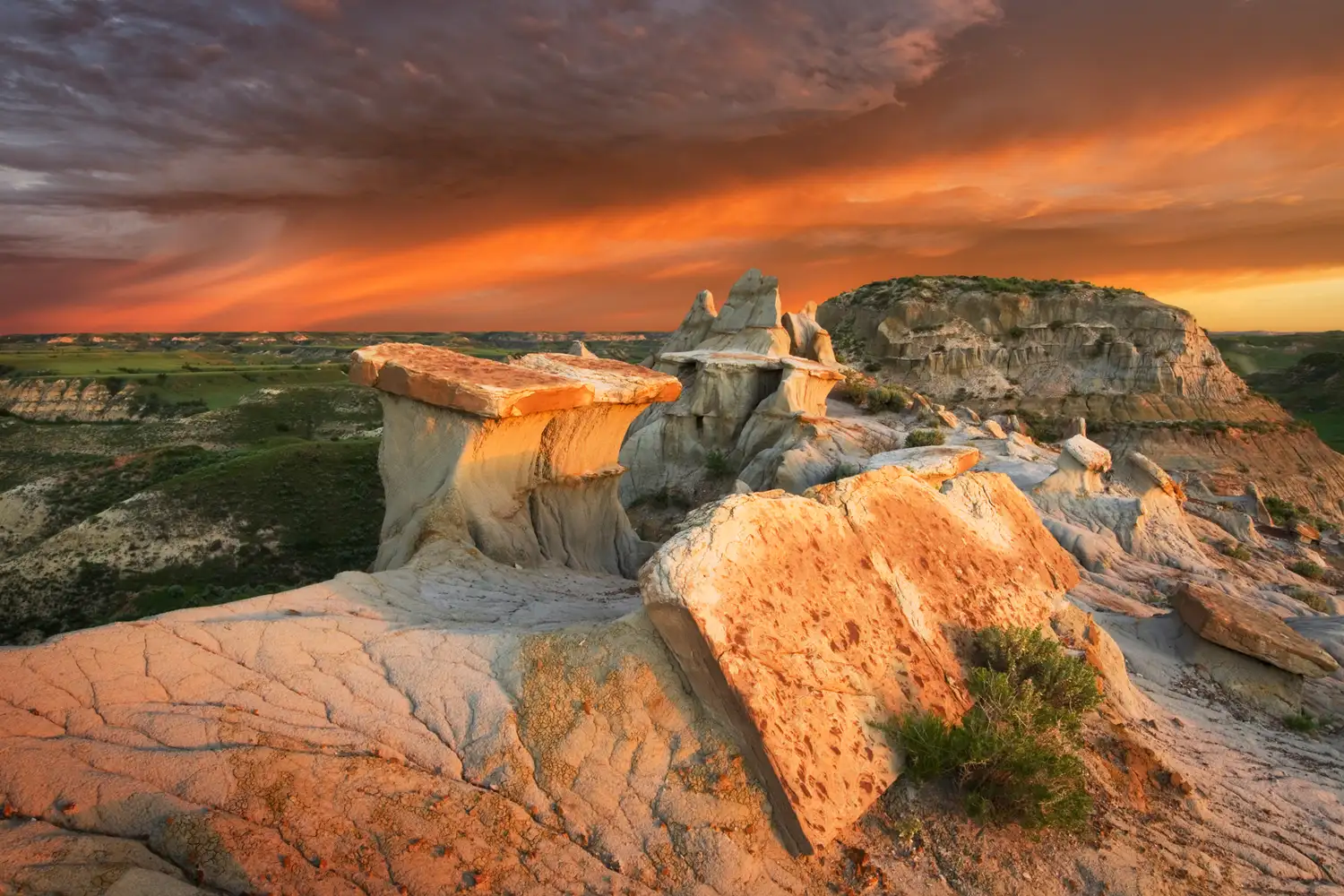
The park is uniquely structured, divided into three non-contiguous sections: the South Unit, the North Unit, and the Elkhorn Ranch Unit. Each offers a different perspective on the North Dakota Badlands travel guide experience, from family-friendly loops to remote wilderness.
The South Unit: Accessible Adventure
The South Unit is where most visitors begin their journey, largely because it sits directly off Interstate 94 and adjacent to the charming town of Medora. This unit serves as the primary hub for anyone planning a trip to theodore roosevelt conservation legacy sites.
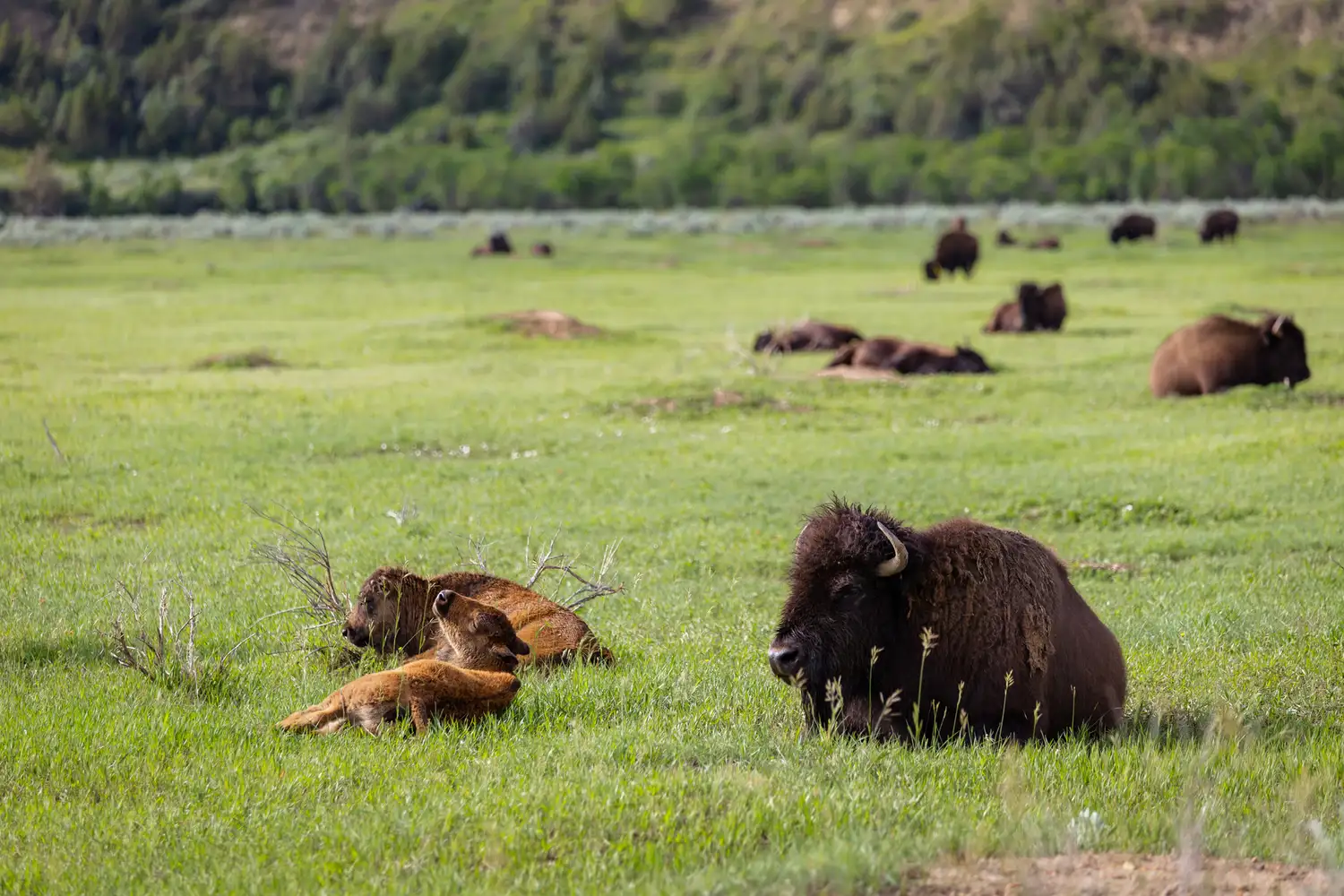
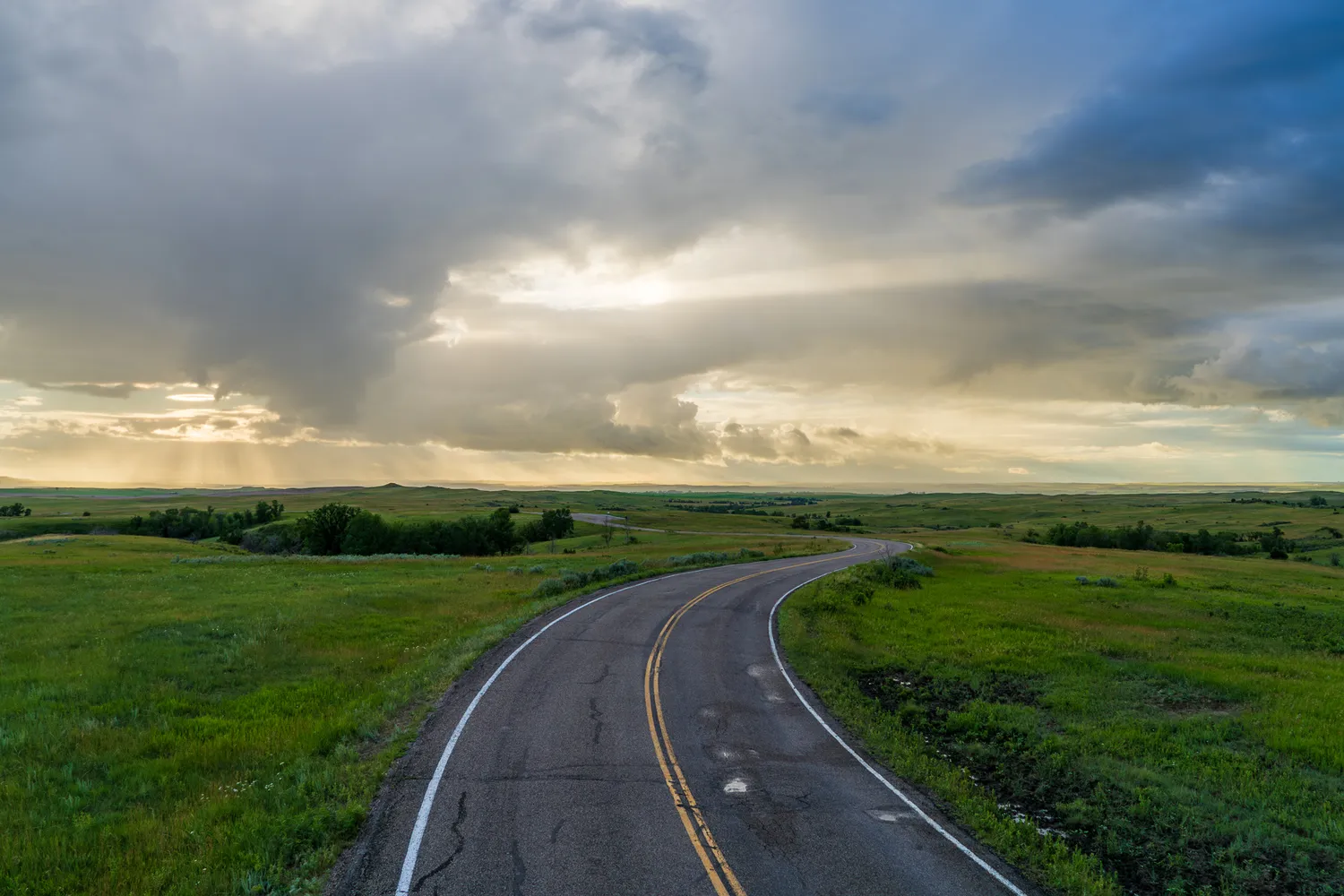
The centerpiece of the South Unit is the 36-mile scenic loop drive. This paved route winds through layered rock formations of ash, sandstone, and silt, offering numerous turnouts where you can witness the sheer geological power of the region. As you drive, keep your eyes peeled for the American Bison. These massive creatures often congregate near the road, providing a humbling reminder of the Great Plains' prehistoric past.
Pro-Tip: Always maintain a distance of at least 25 yards from bison. They may look slow, but they are incredibly fast and unpredictable.
For those seeking the best spots for wild horse sightings in north dakota badlands, the South Unit is your best bet. These feral herds are descendants of horses brought by settlers and Native Americans, and seeing them gallop across the ridges is a highlight of any visit. You will often find them near the higher plateaus along the loop drive or grazing near the park's perimeter fences.
Another essential stop is the Maltese Cross Cabin, located just behind the Medora Visitor Center. This was Roosevelt's first home in the Badlands. Walking through the small, rustic rooms allows you to feel the humbleness of his frontier life. Afterward, make sure to head to the Painted Canyon Visitor Center. Even if you don't enter the park itself, the overlook here provides a panoramic view of the Badlands Geological Layers that is easily among the most photographed spots in the state.
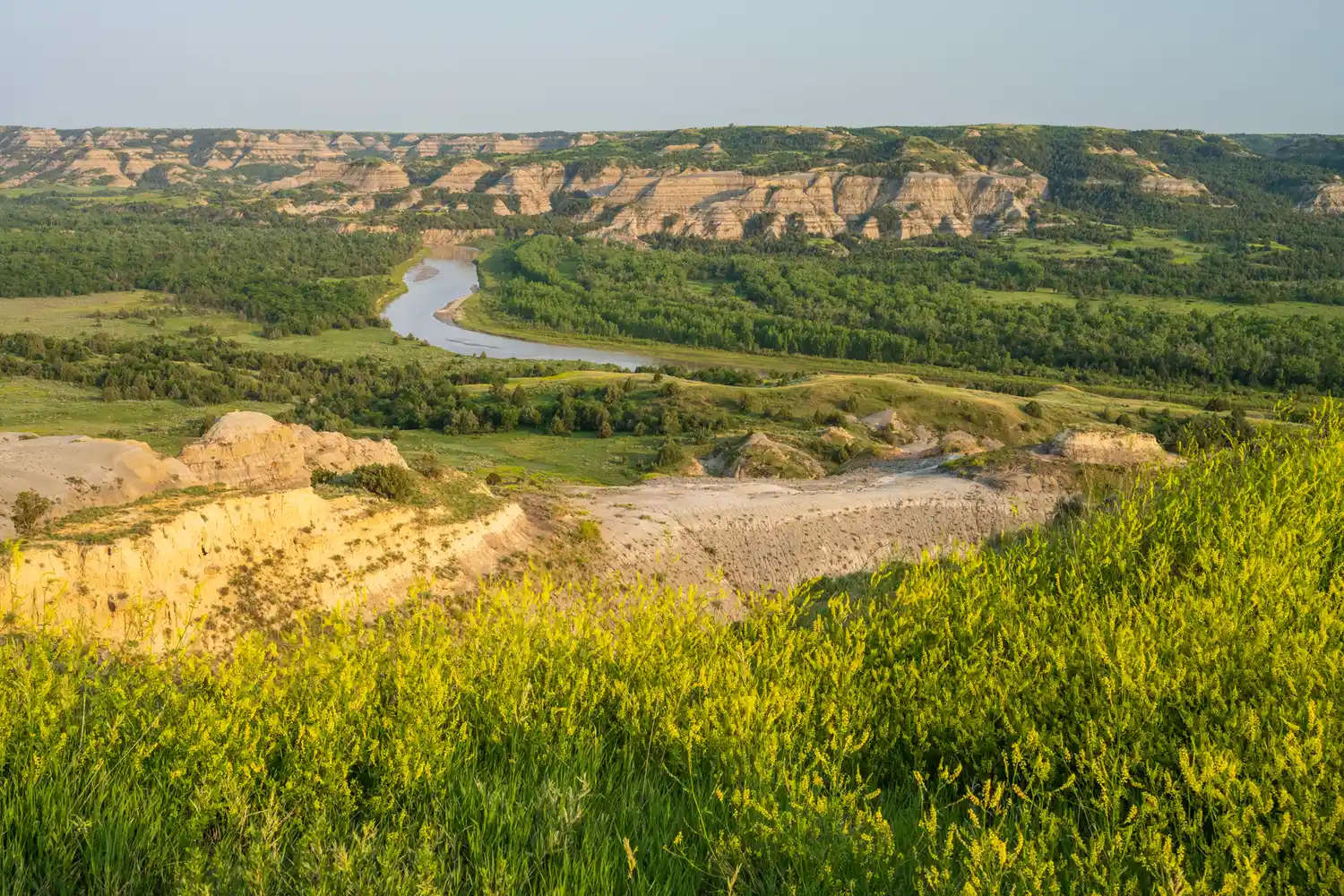
If you are looking for easy family friendly hikes in theodore roosevelt national park, the Wind Canyon Trail is unbeatable. It’s a short, half-mile loop that leads to a ridge overlooking the Little Missouri River. At sunset, the light hits the canyon walls, turning them into a palette of fiery oranges and deep purples.
The North Unit: Rugged Solitude
If the South Unit is for accessibility, the North Unit is for those who crave the "wild" in wilderness. Located about 80 miles north of Medora, this unit is significantly less crowded, offering a different character of terrain. Here, the canyons are deeper, the cliffs are more dramatic, and the scale feels more immense.
The 14-mile scenic road in the North Unit culminates at the Oxbow Overlook. From this vantage point, you can see where the Little Missouri River takes a sharp, hairpin turn, carving a massive amphitheater into the earth. It is often referred to as the 'Grand Canyon of the Badlands.'
| Feature | South Unit | North Unit |
|---|---|---|
| Accessibility | High (Near I-94 & Medora) | Remote (50 mins from Watford City) |
| Scenic Drive | 36-mile loop | 14-mile out-and-back |
| Main Wildlife | Wild horses, Bison, Prairie Dogs | Bison, Longhorn Cattle, Bighorn Sheep |
| Vibe | Historic, family-oriented | Wild, dramatic, quiet |
| Top Viewpoint | Wind Canyon / Painted Canyon | Oxbow Overlook / River Bend Overlook |
The North Unit is also one of the best places for Dark Sky Stargazing. Because it is so far from major city lights, the Milky Way appears with a clarity that is hard to find elsewhere in the lower 48 states. Just as Great Basin National Park preserves bristlecone pines older than 4,000 years, Theodore Roosevelt National Park preserves a sense of "deep time" through its geological layers and pristine night skies.
The Elkhorn Ranch Unit: The Hidden Heart
For the true Theodore Roosevelt enthusiast, the Elkhorn Ranch Unit is a pilgrimage. This was his "home ranch," the place where he spent the bulk of his time and where he truly became a rancher. However, visiting this site requires some preparation.
There are no visitor centers, no paved roads, and no services at Elkhorn Ranch. It is a primitive site located about 35 miles from Medora via gravel roads. A high-clearance vehicle is highly recommended, especially after rain. Once you arrive, you’ll find only the foundation stones of the ranch house, but the quietude of the site is powerful. Standing where Roosevelt once sat on his porch, listening to the wind through the cottonwoods, you understand why he fought so hard to protect spaces like this.
The Elkhorn Ranch is also a key access point for the Maah Daah Hey Trail, a 144-mile epic track that connects all three units of the park. It is world-renowned among mountain bikers and long-distance hikers who want to immerse themselves in the North Dakota Badlands.
Essential Planner: Tips for Your Visit
Planning a trip to theodore roosevelt conservation legacy sites requires a bit more foresight than your typical national park visit. Here is what you need to know:
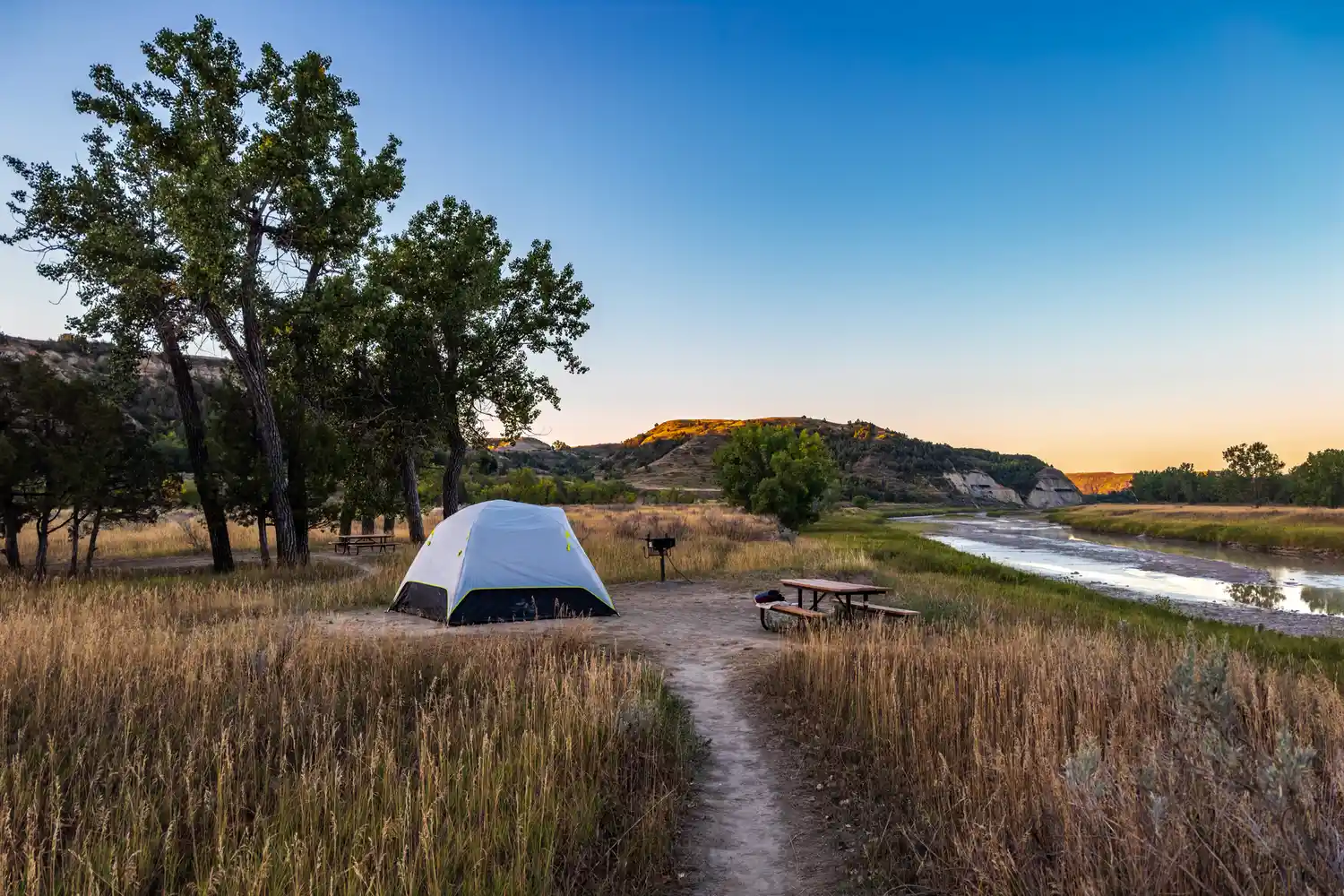
Timing Your Visit Late May through early October is the sweet spot. Spring brings green grasses and blooming wildflowers, making for vibrant photography. Autumn is equally spectacular as the cottonwood trees turn a brilliant gold and you can hear the haunting bugling of elk during the rutting season. Winter is starkly beautiful but harsh, with temperatures often dropping well below zero.
Getting There The nearest regional airport is in Dickinson, North Dakota, about 35 miles from Medora. For more flight options, you might fly into Bismarck (130 miles away). A rental car is essential for exploring the non-contiguous units of the park.
Supplies and Safety There are no food or water services inside the park units themselves. Pro-Tip: Stock up on water and snacks in Medora or Watford City before heading into the park. Always carry more water than you think you’ll need, especially when hiking the Wind-Carved Canyons in the summer heat.
What's New? The town of Medora Gateway Town is currently undergoing a transformation in anticipation of the Theodore Roosevelt Presidential Library, set to open in 2026. This world-class facility will likely bring a surge of visitors to the region, so now is the perfect time to visit before the secret is out.
FAQ
Is Theodore Roosevelt National Park worth visiting?
Absolutely. While it is less famous than parks like Yellowstone, it offers a more intimate and less crowded experience with the American West. The combination of easy wildlife viewing, profound presidential history, and unique geology makes it a standout destination on any Great Plains road trip.
How many days do you need in Theodore Roosevelt National Park?
Two to three days is ideal. This allows one full day for the South Unit and Medora, one day for the North Unit, and a potential half-day for the Elkhorn Ranch or additional hiking. If you are strapped for time, the South Unit can be seen in a single day.
What is the best time of year to visit Theodore Roosevelt National Park?
The best time is between late May and early October. June offers lush green landscapes and the sight of bison calves (red dogs), while September provides cooler temperatures and the golden colors of early fall.
Which unit of Theodore Roosevelt National Park is better?
It depends on your travel style. The South Unit is better for families and history buffs due to its proximity to Medora and the Maltese Cross Cabin. The North Unit is better for photographers and those seeking solitude and dramatic, deep-canyon vistas.
Are there wild horses in Theodore Roosevelt National Park?
Yes, wild horses are a major draw of the park. They are most commonly seen in the South Unit. They can often be spotted from the scenic loop drive or from the top of the Wind Canyon trail.
Final Thoughts: The Legacy of the Badlands
Theodore Roosevelt National Park remains a place where the landscape still dictates the pace of life. Whether you are watching a herd of American Bison cross a dusty road or stargazing in the shadow of the North Unit's cliffs, the park invites a sense of reflection that Roosevelt himself cherished. Before the 2026 library opening changes the profile of this region forever, take the time to drive the south unit scenic loop drive highlights and stops and find your own "X" in the diary of the American West. You might find that, like TR, the Badlands have a way of putting the light back into your life.