Quick Facts
- Best Season: March to June (Peak visibility due to summer heat and water dependency).
- Top Reserves: Ranthambore for history/ruins and Bandhavgarh for high tiger density.
- Booking Lead Time: 90 days in advance (mandatory for secured Core Zone permits).
- Success Strategy: Plan for a minimum of 4-6 game drives to maximize sighting probability.
- National Impact: 54 dedicated reserves managed under the enduring Project Tiger legacy.
- Wildlife Statistics: India currently protects approximately 75 percent of the global wild tiger population.
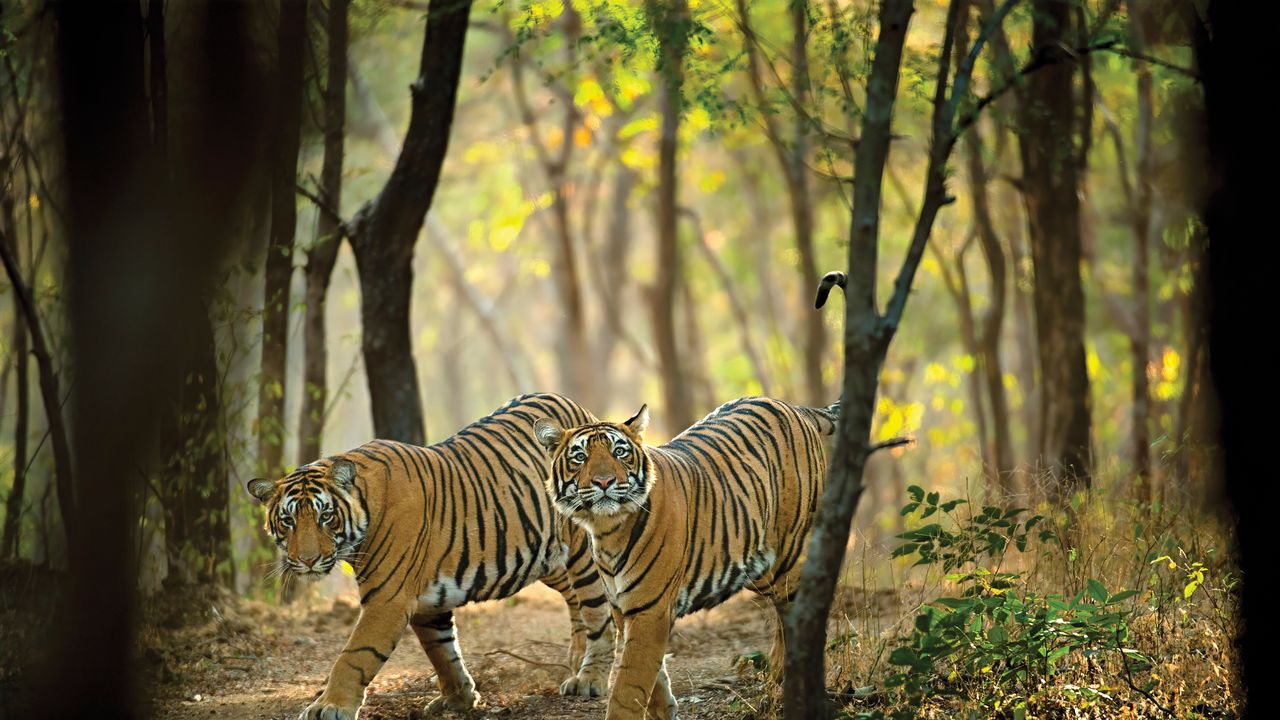
The best time for a tiger safari in India is between March and June when thinning vegetation and drying water sources force tigers to congregate at communal watering holes. For the highest density of sightings and a successful expedition, Ranthambore National Park and Bandhavgarh remain the premier destinations for a 2026 expedition.
A tiger safari in India is more than a wildlife tour; it is an immersion into the heart of the world's most successful conservation story. With a thriving ecosystem and a tradition of protection, India offers unparalleled sightings between March and June. This guide covers the best tiger reserves in India and how to book the most coveted zones for your 2026 expedition.
Timing the Wild: When to Plan Your Visit
Choosing when to embark on your adventure is the most critical decision in planning a weeklong tiger safari tour itinerary. The Indian wilderness transforms dramatically with the seasons, and your experience will hinge on the climate you are willing to endure.
From November to February, the Central India jungles are lush and vibrant. The air is crisp, and the morning mist rising off the forest floor creates a hauntingly beautiful atmosphere for photography. However, the thick post-monsoon foliage provides ample cover for the big cats, making sightings a rewarding challenge rather than a guarantee.
If your primary goal is to witness the Bengal tiger in its natural habitat, the summer months of April, May, and June are transformative. As the mercury rises, the undergrowth withers into golden stalks, and small forest ponds vanish. The tigers, burdened by their thick coats, are tethered to the remaining permanent waterholes. During this period, the sighting probability sky-rockets. You might find a mother cooling her cubs in a shallow pool or a dominant male patrolling the dry riverbeds. Keep in mind that most national parks remain closed during the monsoon season from July to September to allow for habitat restoration and the breeding season.
The Big Three: Selecting Your Reserves
India manages 54 dedicated tiger reserves, but for a first-time visitor or a dedicated conservationist, three parks stand out for their accessibility, density, and historical significance. These parks are the pillars of Bengal tiger conservation and offer the most reliable experiences.
Ranthambore National Park: The Land of Kings
Located in Rajasthan, Ranthambore is perhaps the most famous destination for a tiger safari india. It is a place where history and nature collide. Ancient ruins, crumbling cenotaphs, and a massive 10th-century fort overlook the forest, providing a dramatic backdrop for wildlife photography. Our ranthambore national park safari guide emphasizes that this park is particularly famous for its legendary "lake-side" tigers. The landscape is a mix of dry deciduous forest and open grassy meadows, making it easier to track predators over long distances.
Bandhavgarh National Park: The High-Density Stronghold
If your heart is set on seeing a tiger, Bandhavgarh in Madhya Pradesh is often the top recommendation from a private naturalist guide. This park has one of the highest known densities of Bengal tigers in the world. The terrain is characterized by steep ridges and lush valleys, dominated by a towering ancient fort. Because the core area is relatively compact compared to other parks, the chances of encountering a tiger during your morning or afternoon game drive are exceptionally high.
Pench National Park: The Real Jungle Book
Pench National Park straddles the border of Madhya Pradesh and Maharashtra and serves as the literal inspiration for Rudyard Kipling’s The Jungle Book. It features dense teak forests and the beautiful Pench River meandering through the heart of the reserve. This park is vital for maintaining wildlife corridors that allow tigers to move between different habitats. Pench is known for its biodiversity, where you can see not just tigers, but also leopards, dhole (Indian wild dog), and a vast array of birdlife.
Navigating the Zone Lottery: Core vs. Buffer
Understanding the geography of a tiger reserve is essential for a successful trip. Most parks are divided into core areas and buffer zones. The core area is the protected heart of the forest where human activity is strictly limited to regulated safaris. The buffer zone surrounds the core, acting as a transition space where local communities and wildlife coexist.
In Ranthambore, the zone system is famous—and sometimes frustrating for the unprepared. There are 10 zones in total. Zones 1 through 5 are considered the premium core areas, featuring the scenic lakes and the highest frequency of sightings. To secure a spot in these zones, you must navigate the 90-day booking window.
| Feature | Core Zone | Buffer Zone |
|---|---|---|
| Tiger Density | Generally higher and more concentrated. | Lower, but increasing as populations expand. |
| Scenery | Pristine wilderness and historical ruins. | Mixed landscapes, including villages and fields. |
| Human Activity | Strictly regulated safari vehicles only. | Regulated tourism mixed with local life. |
| Availability | Permits sell out 90 days in advance. | Often available for last-minute bookings. |
| Conservation Impact | Directly funds park management. | Essential for mitigating human-wildlife conflict. |
Choosing to spend a few sessions in the buffer zone is a hallmark of the conscious traveler. These areas are increasingly becoming hotspots for tiger activity as the population grows. In fact, following the 50 years of Project Tiger celebration in 2023, it was noted that the tiger population has been growing at an annual rate of roughly 6 percent since 2018. This success means tigers are naturally moving into buffer areas, and your presence there supports local community-led conservation.
Logistics Sidebar: The 90-Day Rule To get the best experience, you must book your permits exactly 90 days before your safari date. The most popular zones in Ranthambore and Bandhavgarh sell out within minutes of the online portal opening. Always work with an operator who manages this technical process for you.
Ethics and Impact: Choosing Sustainable Tiger Safari Operators
As travel editors, we believe that how you travel is as important as where you go. A sustainable tiger safari prioritizes the long-term health of the ecosystem over a quick photo op. When selecting an operator, look for those who employ long-term residents and provide a private naturalist guide who understands the subtle language of the jungle.
Sustainable tiger safari operators in india guide their guests toward luxury conservation lodges situated in the buffer zones. These lodges are built with local materials and often employ former poachers or villagers, providing them with a stable income that doesn't rely on the exploitation of the forest. By staying at these eco-conscious lodging options, you ensure that your travel dollars directly support anti-poaching initiatives and habitat restoration projects.
Recent data from the 2022 All India Tiger Estimation report shows that India’s wild tiger population is estimated at an average of 3,682 individuals, a massive jump from the 2018 figures. This growth is only possible because of the symbiotic relationship between tourism and the local communities who share their backyard with these predators.
Safari Essentials: Gear and Etiquette
Preparing for the jungle requires a specific mindset. The goal is to blend in, remain silent, and observe the natural rhythm of the forest without causing a disturbance.
- Essential Packing List:
- Clothing: Wear earth tones like beige, olive green, and khaki. Avoid bright colors and whites, which are easily spotted by animals.
- Layers: Even in summer, early morning drives can be chilly. Bring a light windbreaker or a fleece.
- Lens: For wildlife photography, a 100-400mm or 200-600mm telephoto lens is ideal.
- Sun Protection: High-SPF sunscreen, a wide-brimmed hat, and polarized sunglasses are non-negotiable in the summer heat.
- Dust Mask: The jungle tracks get very dusty; a buff or scarf is helpful for protecting your breathing and your camera gear.
Jungle safari etiquette is the most important "gear" you can bring. Always follow the instructions of your driver and naturalist. Keep your voice to a whisper—the "alarm calls" of deer and monkeys are the primary way guides track tigers, and loud human voices drown these out. Never use a flash while photographing wildlife, as it can startle or blind the animals, leading to dangerous encounters or the disruption of a hunt.
FAQ
Which is the best national park for a tiger safari in India?
Ranthambore and Bandhavgarh are widely considered the best for high sighting probabilities. Ranthambore offers stunning historical scenery, while Bandhavgarh has incredible tiger density. For those seeking the classic "Jungle Book" experience, Pench is a fantastic choice.
What is the best time of year for a tiger safari in India?
The absolute peak time is between March and June. The heat forces tigers to stay near water, making them much easier to find. If you prefer cooler weather, November to February is beautiful but requires more patience for sightings.
How do I book a tiger safari in India?
Safaris must be booked through the official government portal of the respective state (like Madhya Pradesh or Rajasthan). Permits for core zones open 90 days in advance and are extremely competitive. Most travelers book through a reputable lodge or agent who handles the permit acquisition.
Are tiger sightings guaranteed in Indian national parks?
No, tiger sightings are never guaranteed. These are wild animals in vast, unfenced habitats. However, by booking multiple drives (at least 4 to 6) and visiting during the summer months, your chances are very high.
How many days are needed for a tiger safari tour in India?
We recommend 3 to 4 nights per park, which allows for about 6 game drives. This pace gives you the best chance to see tigers in different lights and behaviors while also allowing time to appreciate the other wildlife and the conservation efforts in the area.
Book Your 2026 Conservation Safari
As we look toward the 2026 season, the success of the Project Tiger legacy continues to provide hope for the world's most iconic big cat. By choosing responsible tourism, you aren't just a spectator; you are a participant in a global movement to protect the wild. Whether it is the amber hues of the teak forest in Pench or the sun-drenched ruins of Ranthambore, the experience of seeing a tiger in the wild will stay with you forever. Plan your trip with intention, respect the jungle safari etiquette, and prepare for an adventure that contributes to the flourishing future of India’s big cats.