Quick Facts
- Global Ranking: Ranked #1 world city for food and drink in Food & Wine’s 2024 Global Tastemakers Awards.
- Diversity Score: Scored 8.67 out of 10 for culinary variety, the highest in the 2024 Titan Travel Index.
- Michelin Leadership: Boasts 183 starred restaurants, maintaining its status as the world leader in fine dining.
- Cuisine Density: Home to over 5,400 Chinese and 4,800 Italian restaurants, offering unparalleled global variety.
- Cultural Heritage: Perfectly balances modern fusion with historic Edomae sushi and traditional Washoku techniques.
- Accessibility: Rapidly expanding options for plant-based diners and families with child-friendly gourmet zones.
- Future Highlight: The Tokyo Tokyo Delicious Museum returns in May 2026 to showcase the city's culinary evolution.
Tokyo is recognized as the world's most diverse dining destination due to its vast array of global cuisines and traditional Japanese culinary heritage. The Tokyo dining scene offers an unmatched experience for travelers, combining the highest density of Michelin-starred establishments with thousands of international restaurants, making it the definitive capital for gastronomy in 2024 and beyond.
The World's Melting Pot: Quantifying Tokyo's Diversity
To sit at a counter in Tokyo is to realize that the city does not merely serve food; it curates the world’s flavors through a lens of obsessive perfection. In a recent 2024 analysis of global culinary variety, Tokyo was identified as the world's most diverse dining destination, earning a score of 8.67 out of 10. This isn't just a subjective feeling among food critics; it is a statistical reality reflected in the sheer density of international offerings that line the narrow alleys of Shinjuku and the polished boulevards of Ginza.
The Tokyo dining scene stands apart from other global capitals like Paris or New York by the sheer volume of its specialized offerings. For those seeking best global cuisines in Tokyo, the city offers a staggering 5,459 Chinese restaurants and 4,852 Italian restaurants per unit of urban density. This variety allowed the capital to be ranked as the number one international city for food and drink in the Food & Wine 2024 Global Tastemakers Awards. While other cities may offer a "melting pot" of fusion, Tokyo practices a philosophy of "deep authenticity," where an Italian trattoria in Ebisu often rivals the quality of one in Tuscany, thanks to the local shokunin spirit of mastering a single craft.
| City | Culinary Diversity Score (Out of 10) | Primary Strengths |
|---|---|---|
| Tokyo | 8.67 | High-end Omakase, International Density, Michelin Stars |
| Paris | 8.41 | Classic Pastry, Traditional Bistro Culture |
| New York | 8.25 | Street Food Fusion, High-Volume Diversity |
| London | 7.98 | Multicultural Influence, Modern British Innovation |
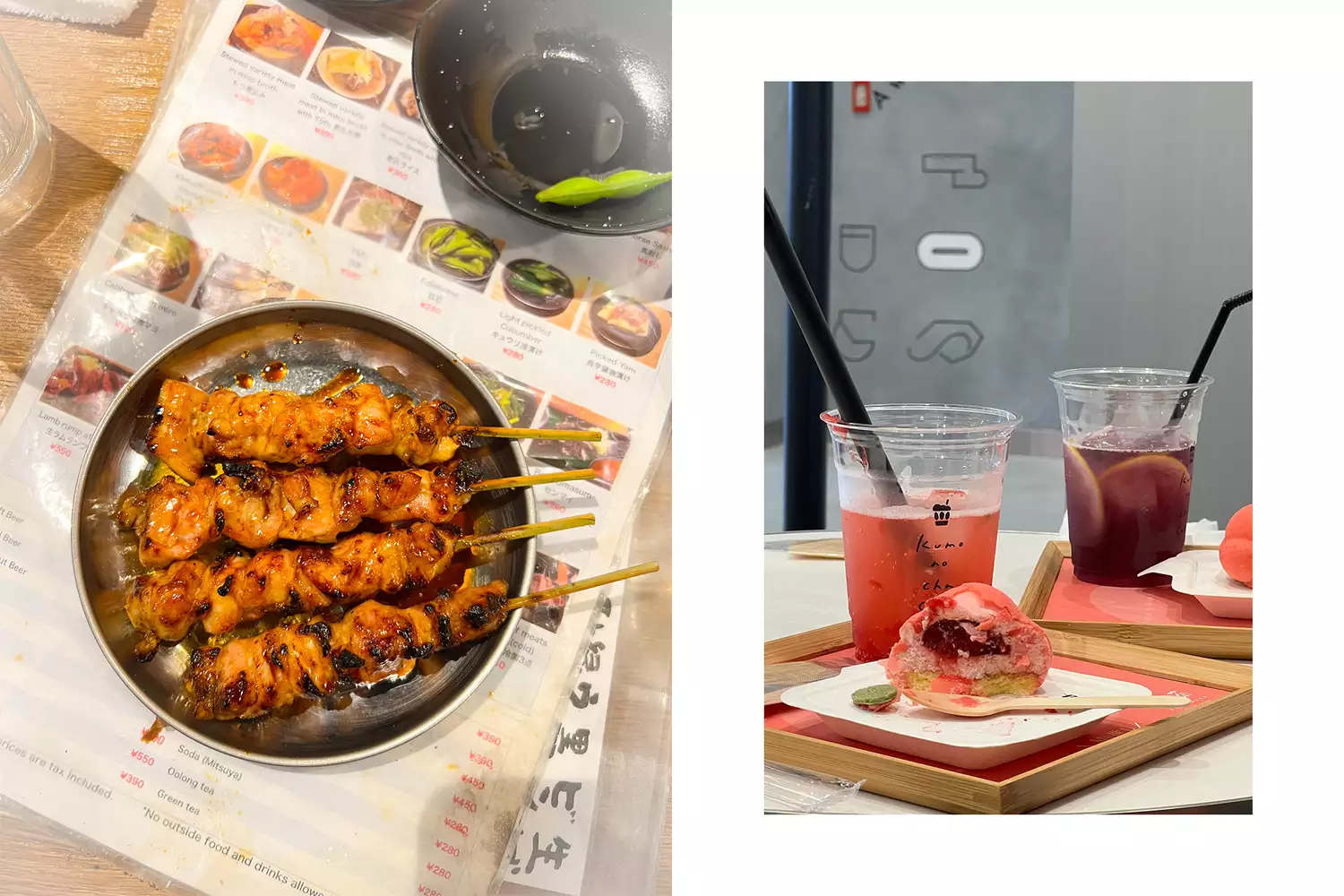
From Edo Roots to Modern Fusion: The Evolution of Washoku
The soul of the Tokyo dining scene is anchored in its history. Long before it was a global metropolis, the city was Edo, a place where the proximity to the bay birthed the style we now know as Edomae sushi. This traditional practice of curing fish and seasoning rice with red vinegar was a necessity of the era, and it remains the heartbeat of the city’s gastronomy. Today, the evolution of Washoku (traditional Japanese cuisine) is not about moving away from these roots, but rather refining them to the point of art.
Walking through neighborhoods like Kagurazaka, one feels the weight of this history. Here, fine-dining tempura is served in quiet wooden machiyas where the oil is changed with a frequency that borders on the religious. We see the preservation of this heritage in the longevity of the city's masters. Take, for example, the spirit of shokusama, where chefs like the legendary Kenjiro Kanemoto continue to perfect their craft well into their nineties. It is this dedication to umami-based cooking and seasonal seafood that provides the foundation for the city's status in the Michelin Guide Tokyo 2024, which celebrates 183 starred restaurants—more than any other city on the planet.
Local Choice vs. Tourist Trap: While many tourists flock to the outer markets of Tsukiji for sushi, locals often head to the residential pockets of Tomigaya or Higashi-Azabu. In these quieter corners, you’ll find high-end Omakase where the chef’s relationship with their fisherman at the Toyosu Market ensures ingredients that never even make it to the public stalls.
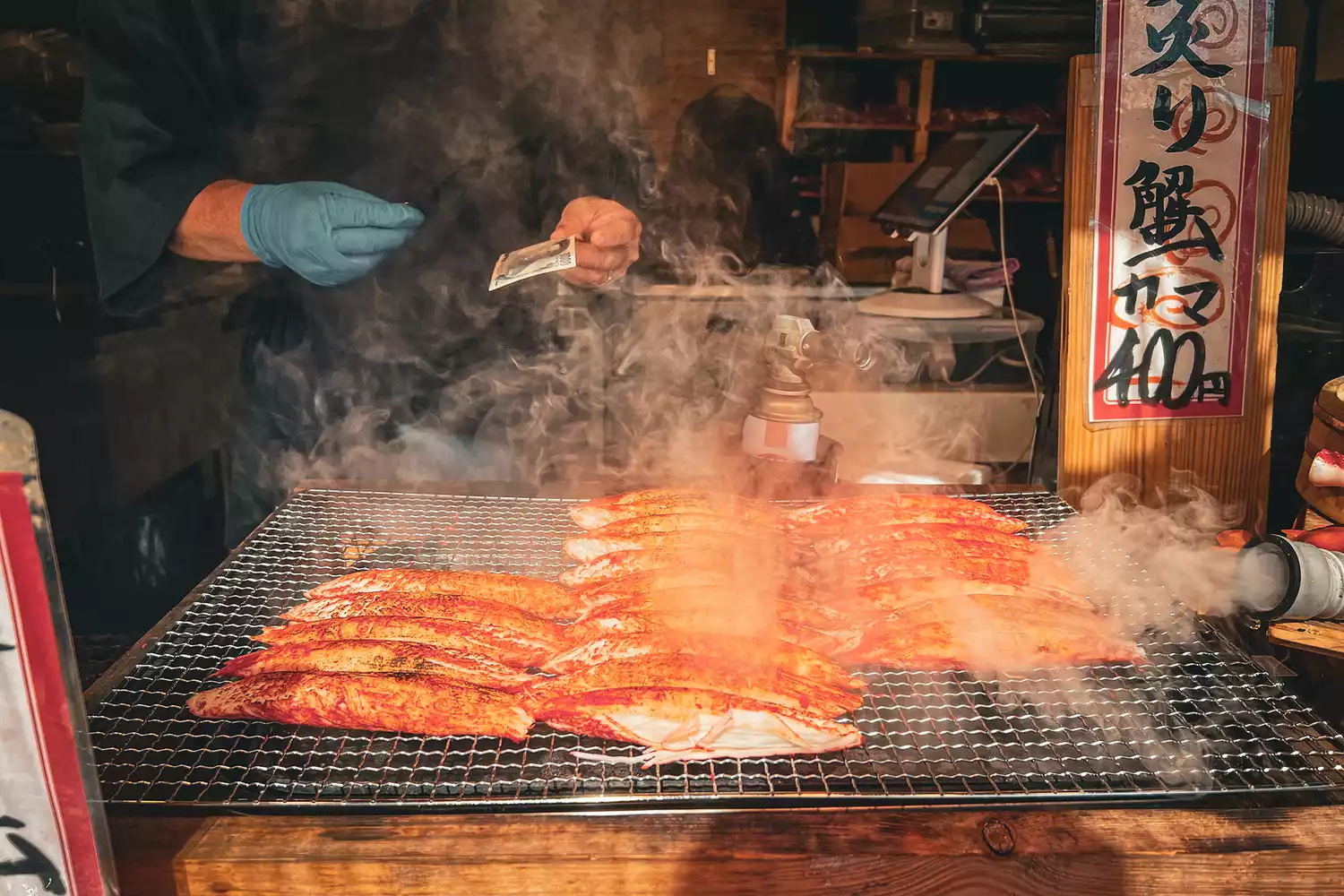
Navigating the Spectrum: Fine Dining vs. Local Staples
The beauty of a guide to the diverse global cuisines in Tokyo is that it must account for a spectrum of experiences that range from the ultra-luxurious to the delightfully humble. This is a city where you can spend $500 on a 20-course meal in a hidden Ginza basement or $10 on a bowl of ramen that has been awarded a Michelin Bib Gourmand.
The Tokyo dining scene is famous for its specialized enclaves. If you are looking for top rated Italian and Chinese restaurants in Tokyo, you might find yourself in Roppongi or Azabudai Hills, where the modern iteration of global flavors often incorporates local Japanese ingredients, like Shizuoka tomatoes in a Caprese salad. For a Tokyo local food guide experience, one shouldn't overlook the depachika—the vast basement food halls of department stores like Isetan or Mitsukoshi. These are cathedrals of consumption, offering everything from pristine seasonal fruit to bento boxes that are small masterpieces of geometry and flavor.
There is also the matter of budget friendly fine dining options in Tokyo. While many associate the city with high costs, the lunch sets (ranchi) at even some of the world's most famous establishments are surprisingly accessible. A mid-day visit to a top-tier tempura house or an Izakaya culture hub can offer a world-class experience at a fraction of the dinner price.
Expert Tip on Wagyu: Many travelers come looking for "Kobe beef" as a generic term for quality. However, an expert diner in Tokyo looks for specific prefectural labels like Miyazaki-gyu or Yonezawa-gyu. The distinction in marbling and melt-point is a conversation every dedicated Tokyo chef is eager to have.
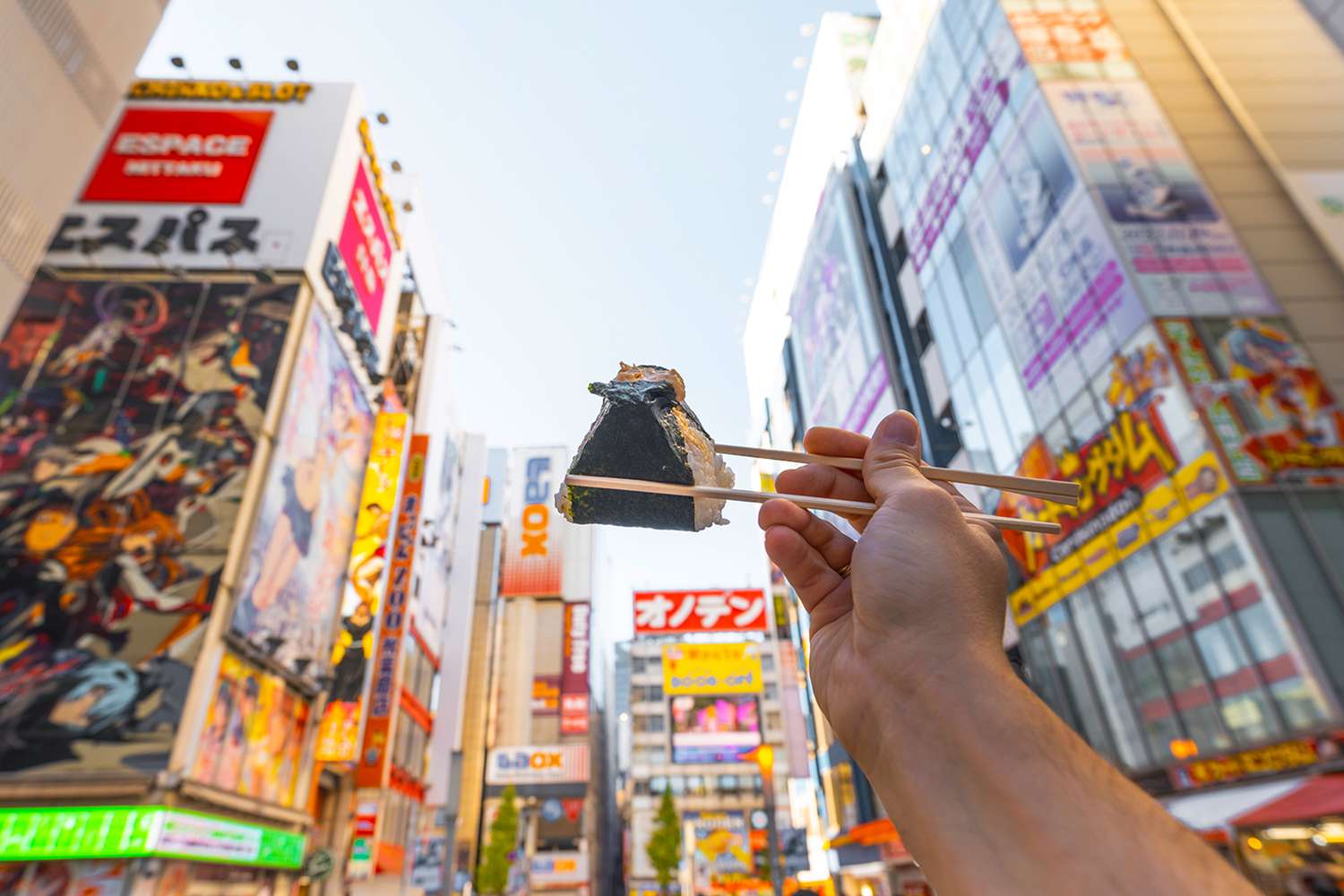
Inclusivity on the Plate: Vegan and Family Dining
For years, a common refrain among travelers was that Tokyo was a difficult destination for those with dietary restrictions. However, the Tokyo dining scene in 2024 has undergone a quiet revolution. There is a burgeoning growth in plant-based gourmet options, moving beyond the traditional Shojin Ryori (Buddhist temple cuisine) into contemporary vegan bistros. Finding the best vegan and vegetarian friendly restaurants in Tokyo is no longer a scavenger hunt; areas like Shibuya and Omotesando are now hubs for innovative plant-based cooking that focuses on the natural sweetness of Japanese vegetables.
Furthermore, the city has become significantly more accessible for families. While the image of a hushed, 8seat sushi bar persists, the reality of kid friendly gourmet dining recommendations in Tokyo includes a new wave of upscale establishments in districts like Nihonbashi that offer private rooms (koshitsu) and specialized menus for younger palates. This inclusivity ensures that the world’s most diverse dining destination is open to every type of traveler.
Event Profile: Tokyo Tokyo Delicious Museum 2026
If you are planning your journey for the coming years, the essential tips for visiting Tokyo Tokyo Delicious Museum 2026 are worth noting. Scheduled for mid-May in the Ariake district, this festival is a microcosm of the city’s status as a leading food city. It brings together over 40 restaurants, spanning the entire breadth of the city's culinary landscape—from traditional Washoku to the latest contemporary fusion.
The museum is typically divided into specific zones:
- The Tradition Zone: Focused on culinary heritage preservation, featuring Edo-era delicacies and master craftsmen.
- The Innovation Zone: Highlighting current fusion dining trends and the latest Michelin-starred creators.
- The Regional Zone: Bringing flavors from across Japan to the capital, showcasing seasonal seafood and agricultural products from northern Hokkaido to southern Okinawa.
For first-time visitors, the festival provides a low-pressure way to sample high-end flavors. Most vendors use cashless payment systems, and the outdoor setting makes it one of the best ways to experience the vibrancy of Tokyo's food festivals without the need for difficult reservations months in advance.
FAQ
What is the Tokyo dining scene like for first-time visitors?
It is a sensory masterpiece that can be both exhilarating and overwhelming. The city is organized by specialty; restaurants often focus on doing one thing—like Tonkatsu, Tempura, or Unagi—to absolute perfection. First-time visitors should embrace the variety, from the high-energy atmosphere of an Izakaya to the hushed precision of a ramen shop.
Is it difficult to find vegetarian and vegan food in Tokyo?
Historically it was a challenge due to the use of fish stock (dashi), but the city has seen a massive surge in plant-based options. From vegan ramen in Tokyo Station to high-end vegetarian Omakase in Roppongi, the city is now very accommodating to plant-based diets, especially in major tourist and business hubs.
Is it common to eat alone at restaurants in Tokyo?
Absolutely. Tokyo is one of the most solo-traveler-friendly cities in the world. Many restaurants, especially ramen shops and counter-service spots, are designed specifically for individual diners. Eating alone is seen as a way to focus entirely on the flavor of the food.
What are the best neighborhoods for food in Tokyo?
While every corner has gems, Ginza is the capital of fine dining, Shinjuku offers incredible variety and late-night eats, Shibuya is great for trendy cafes and street food, and Asakusa is the place for traditional snacks and old-world charm. For a more local feel, explore the "shitamachi" (old town) areas like Yanaka.
Is dining out in Tokyo expensive?
It can be, but it doesn't have to be. Tokyo offers an incredible range of price points. While it has the most Michelin stars in the world, it also has thousands of high-quality "B-kyu gurume" (B-grade gourmet) spots where a satisfying and authentic meal costs less than $15. Lunch specials at high-end restaurants are also a great way to save.
Do most restaurants in Tokyo have English menus?
In major tourist areas and high-end hotels, English menus are standard. In smaller, more local neighborhood spots, you might encounter menus written only in Japanese. However, many places use picture menus or plastic food displays (sampuru) in the window, and staff are generally very helpful with translation apps.