Quick Facts
- 2026 Outlook: The number of active camping households in North America has increased by 68% over the past decade, making early planning essential.
- Top Alpine Pick: Rocky Mountain National Park, Colorado, specifically for its high-altitude access and 4.9-star visitor satisfaction.
- Best Coastal Pick: Silver Falls State Park, Oregon, famous for its canyon trails and temperate rainforest canopy.
- Top State for Camping: California was ranked as the number one state for camping in 2025 based on park acreage and campsite access.
- Booking Window: 6 months in advance is the standard for national parks via Recreation.gov.
- Emerging Trend: One-third of all leisure trips by North Americans now include a camping component.
Planning a wilderness escape? The top-rated western campgrounds offering world-class views and pristine facilities are booking fast for the 2026 season. Whether you are looking for glacial lakes or coastal bluffs, here is our guide to securing the best spots in the American West.
I have spent a decade waking up in a tent across the American West, from the high desert of Utah to the misty shores of the Olympic Peninsula. If there is one thing I have learned, it is that the secret to a perfect trip is not just having the right gear, but knowing exactly where to pitch your tent before the crowds beat you to it. As we look toward 2026, the demand for the outdoors is at an all-time high. People are moving away from traditional hotels and seeking the raw, unfiltered experience of the wilderness.
Alpine Immersion: Best Mountain Campgrounds
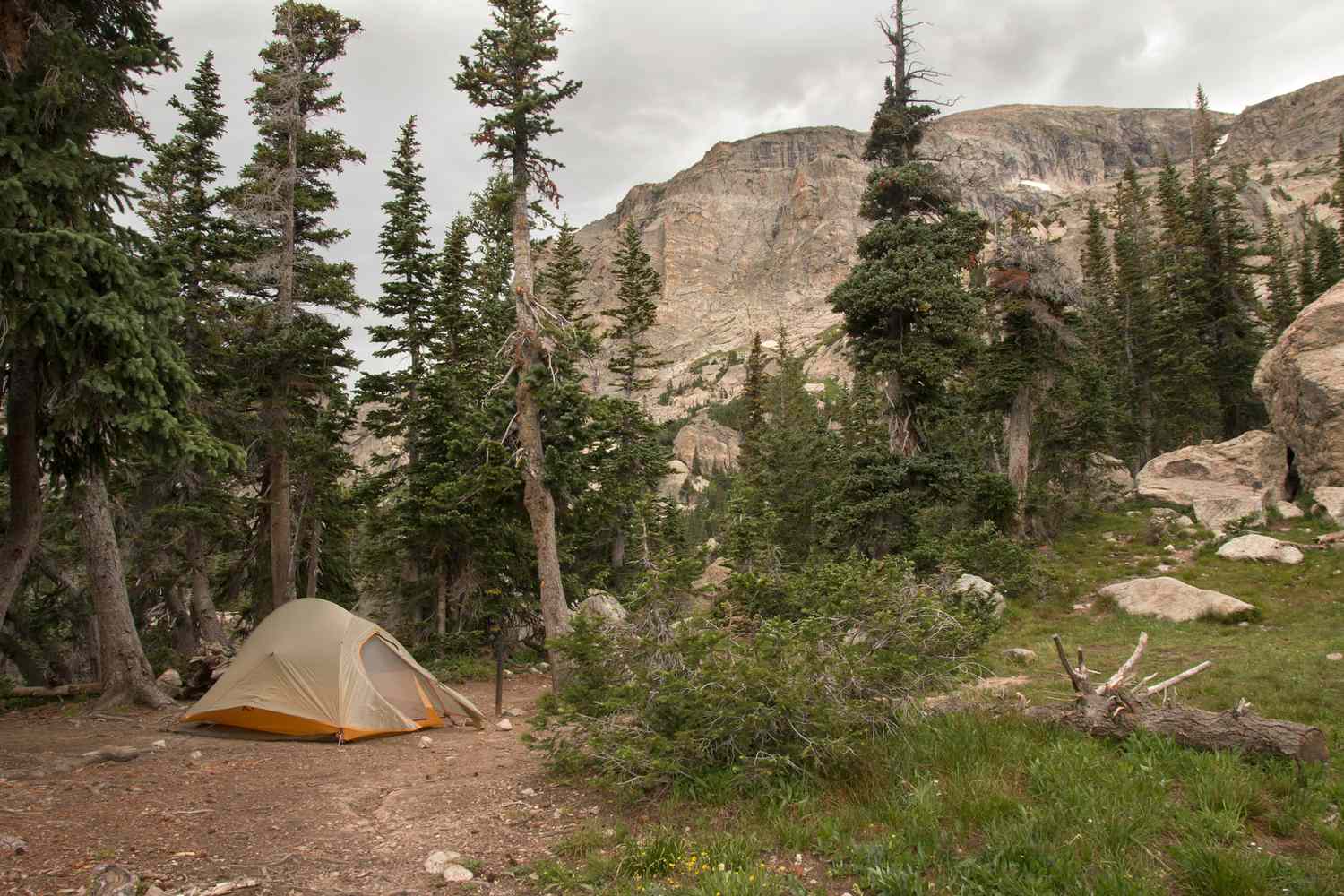
When you think of the quintessential mountain experience, you think of the jagged, snow-capped peaks of the Rockies and the Tetons. For me, there is no place like Rocky Mountain National Park. It is the gold standard for high altitude alpine campgrounds in the west, specifically because you are camping right on the doorstep of the Continental Divide. Places like Moraine Park and Glacier Basin are legendary. When you stay here, you are surrounded by ponderosa pines and have immediate access to trails that lead into the clouds.
But there is a catch: you need to be prepared for the altitude. We are talking about sites sitting well above 8,000 feet. Every campsite in these developed areas typically includes level tent pads and stout bear lockers. If you have never used a bear locker, pay attention. These are not suggestions; they are mandatory for keeping your food away from the local black bears. I always tell travelers to check their fire rings for any local burn bans before they arrive, as these high-altitude environments can get incredibly dry by mid-summer.
Moving north into Wyoming, the Grand Teton National Park offers what I consider the most dramatic skyline in the lower 48. The best national park camping west of the Mississippi often starts at Colter Bay or Jenny Lake. These spots offer a mix of rugged simplicity and proximity to glacial lakes that are so clear you can see every pebble on the bottom. If you are lucky enough to snag a spot at Signal Mountain, you get to wake up to reflections of the granite domes in the water. It is a photographer's dream and a hiker's paradise.
Experience has taught me that these alpine sites require a specific mindset. The weather can turn from a sunny 75 degrees to a freezing rainstorm in twenty minutes. I once watched a summer thunderstorm roll over the Tetons while I was still boiling water for coffee; by the time the storm passed, we were looking at fresh snow on the peaks. That is the magic of the high country.
Coastal Bluffs and Rainforest Trails
If the thin air of the mountains is not your speed, the Pacific Coast offers a completely different vibe. Silver Falls State Park in Oregon is a place that feels like it was ripped straight out of a Jurassic Park set. It is widely considered one of the top rated western campgrounds with waterfall trails because of the Trail of Ten Falls. You can literally hike behind a 177-foot curtain of water at South Falls. The park is nestled in a temperate rainforest, meaning everything is a vibrant, deep green and smells like damp cedar and moss.
Further south, California offers a coastal experience that I recommend to everyone looking for a mix of ocean views and diverse ecology. Montana de Oro State Park near San Luis Obispo is a hidden gem for coastal bluff camping southern california. The name means Mountain of Gold, named after the golden wildflowers that cover the hills in spring. The campsites are tucked away from the wind but just a short walk from dramatic tidepools and rugged cliffs.
This is one of those scenic campsites with wildlife viewing that never disappoints. On any given morning, you can look out from the bluffs and see migrating whales or pods of dolphins. I have sat on the beach there at sunset and watched sea otters kelp-wrapping themselves just offshore. At night, the absence of light pollution makes for incredible stargazing. Because it is a bit more off the beaten path than Big Sur, you have a better chance of finding a sense of solitude here.
Insider Tip: At Silver Falls, book the sites in Loop B. They offer a bit more privacy and are slightly closer to the trailhead for the falls, which helps you beat the day-trip crowds that arrive by 10:00 AM.
Navigating Reservations and Secluded Spots
Let’s talk logistics, because the best view in the world does not matter if you cannot get a permit to see it. According to industry research, 50% of campers prioritizing natural attractions as their top travel experience. This means the competition is fierce. If you are looking for summer campground reservation tips, the first rule is the 6-month window. Most national parks release their sites on a rolling basis exactly six months out at 7:00 AM PST. If you are not on your computer with your profile already logged in, you will lose the spot.
However, if you missed the boat for a national park, do not panic. This is where you look for Bureau of Land Management (BLM) lands. Dispersed camping on BLM land is often free and requires no reservation. You won't find potable water or paved tent pads, but you will find silence. One of my favorite tricks for how to find secluded campgrounds in the west is to look at the National Forest lands that border the famous national parks. Often, you can find a Forest Service site just ten miles outside the park gate that has the same scenery but only half the people.
For those traveling with a rig, finding the best western campgrounds with rv hookups requires looking at state parks or private holdings like The Landing in Washington. While I’m a tent guy at heart, I appreciate a site with full hookups when the temperature drops or when you need a hot shower after a week in the backcountry. State parks like Silver Falls offer excellent facilities that bridge the gap between rugged camping and modern comfort, including cabins for those who aren't quite ready to sleep on the ground.
Booking Alert: For 2026, many parks are moving to a lottery system for backcountry permits. If you plan on doing a multi-day trek in the Rockies or the Sierras, check the park's specific website in January to see when the lottery opens.
Amenities and Safety in the Wild
Whether you are in the high desert or the coastal forests, the amenities at these top-rated western campgrounds are designed to protect the environment as much as they are to help the camper. Most developed sites provide a fire ring, but you must always use local wood to prevent the spread of invasive insects. I’ve seen too many beautiful forests destroyed by beetles brought in on someone’s firewood from three states away.
Potable water is usually available at a central spigot, but in the drier parts of the West, especially California and Arizona, it is never a bad idea to carry a five-gallon backup. Likewise, while many sites offer bear lockers, you should still practice "Leave No Trace" principles. This means packing out every scrap of trash. I’ve found that the best campgrounds stay that way because the community of travelers takes pride in keeping them pristine.
For pet owners, the rules can be a bit more restrictive in national parks. Usually, dogs are allowed in the campground but not on the trails. If you want a more pet-friendly experience, stick to National Forests or State Parks like Silver Falls, which often have specific trails where your four-legged companion can join the hike.
FAQ
How far in advance should I book a campsite in the West?
For high-demand locations like Rocky Mountain or Grand Teton, you should book exactly six months in advance. Many sites on Recreation.gov sell out within minutes of being released. If you are planning a trip for July 2026, you should be ready to book in January 2026.
What are the most scenic campgrounds on the West Coast?
Silver Falls State Park in Oregon offers incredible waterfall views within a rainforest setting. For ocean lovers, Montana de Oro in California provides stunning coastal bluffs and tidepools. If you want island vibes, consider the campgrounds on the Channel Islands off the California coast.
Which state has the best mountain campgrounds?
Colorado and Wyoming are widely considered the leaders for mountain camping. Colorado offers the highest density of high-altitude sites, while Wyoming’s Grand Tetons provide the most iconic granite peaks and glacial lake access.
Are Western campgrounds generally pet-friendly?
Most campgrounds allow pets on a leash within the site itself. However, most National Parks prohibit dogs on unpaved trails to protect wildlife. State Parks and National Forest lands are generally much more lenient and offer many pet-friendly hiking options.
Do I need a permit for dispersed camping in the West?
Generally, you do not need a permit for dispersed camping on BLM or most Forest Service lands. However, you must follow stay limits (usually 14 days) and be outside of developed areas. Always check for local "fire permit" requirements, which are often required even for a small camp stove in states like California.
Plan Your 2026 Adventure
The American West is a vast, beautiful landscape that demands to be explored slowly. Don't try to see it all in one week. Instead, pick one of these top-rated western campgrounds as your basecamp and spend a few days truly soaking in the environment. Whether it's the roar of a waterfall in Oregon or the silence of a granite peak in Wyoming, the experience of sleeping under the western stars is something that stays with you long after you've packed up the tent.
Start your planning now, set your calendar alerts for those booking windows, and I’ll see you out on the trail.