Quick Facts
- Pricing: Luxury stays start from $32,000 per night with a minimum three-night requirement.
- Elevation: Situated at an elevation of approximately 6,000 feet on a five-acre private nunatak.
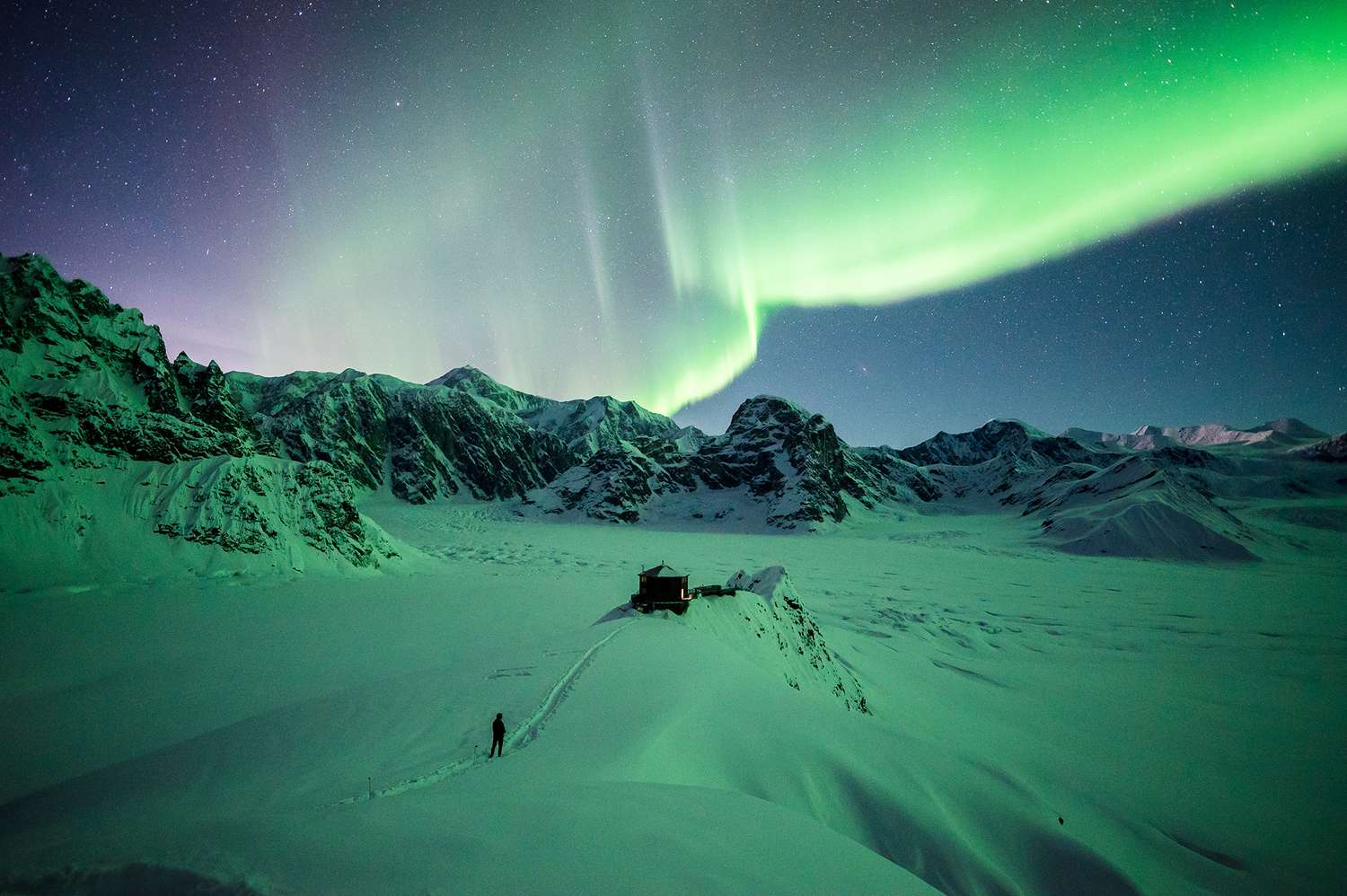
- Location: Within the Don Sheldon Amphitheater of the Ruth Glacier, just 10 miles from the 20,310-foot summit of Mount Denali.
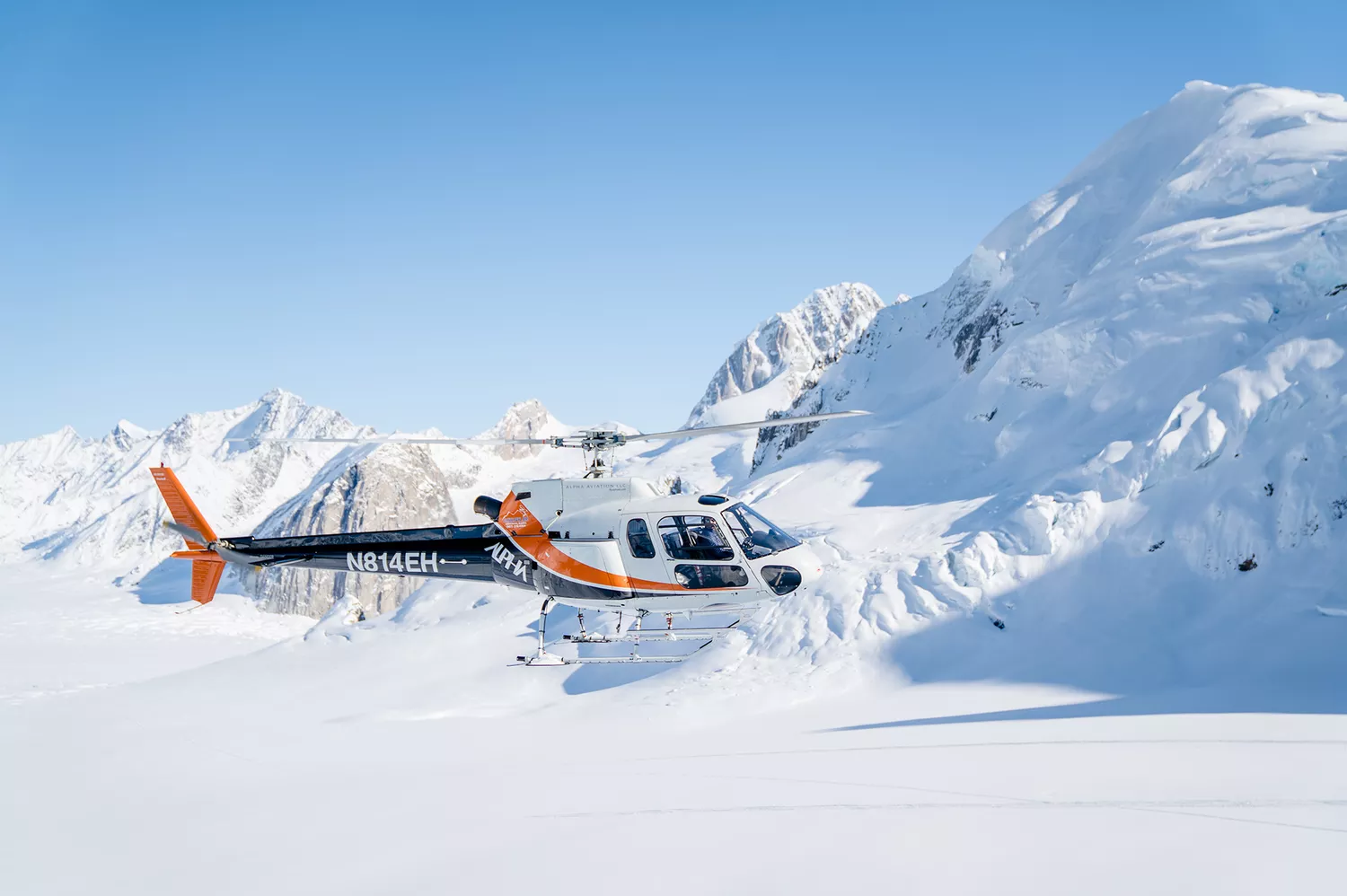
- Access: Available exclusively via a 30 to 40-minute helicopter flight from Talkeetna.
- Infrastructure: Features eco-conscious engineering including high-efficiency solar power systems and specialized subarctic insulation.
- Activities: Focused on high-altitude exploration, glacier snowshoeing, and world-class heli-skiing in a completely secluded environment.
Certain remote luxury properties, situated deep within the Alaska Range, offer an experience road-access resorts simply cannot match. Fly-in Alaska lodges, particularly those on glacial nunataks, represent the pinnacle of exclusivity. These lodges are accessible only by helicopter because they are located in protected, high-altitude terrain where roads and airstrips are physically impossible and environmentally prohibited. This isolation ensures a true off-grid retreat, preserved from public tourist noise.
The Geological Barrier: Why Only Helicopters Work
To understand why helicopter access only lodges exist, one must first understand the geography of the Alaska Range. Most of these properties are built on a nunatak—a Greenlandic word for a mountain peak or rock outcropping that remains exposed while the surrounding area is covered by a shifting glacial ice sheet. In the case of the Ruth Glacier, the ice can be thousands of feet thick and is constantly, albeit slowly, in motion. This movement makes the construction of traditional roads or even permanent gravel airstrips an engineering impossibility.
The historical context of these sites is as fascinating as the geology. Many of the most exclusive fly-in Alaska lodges are located on small parcels of private land that were deeded before Denali National Park was even established. These homesteads, like the one belonging to the Sheldon family, occupy arguably the most dramatic real estate on the planet. Because there is no flat, stable ground for a fixed-wing aircraft to land safely in all seasons, the helicopter becomes the only viable umbilical cord to the outside world.
Beyond the physical constraints, there is the matter of environmental preservation. Building a road into the heart of a national park would cause irreparable damage to the delicate subarctic ecosystem. Helicopter transport allows these remote off-grid Alaska retreats to operate with a remarkably small physical footprint. The aircraft lands directly on the rock of the nunatak or a designated snow-pad on the glacier, leaving behind no permanent scars on the landscape. This logistical reality is one of the primary benefits of staying at helicopter access only lodges, as it guarantees that the view you see today is exactly what travelers saw a century ago.
Logistical Reality: Talkeetna to the Don Sheldon Amphitheater
The journey to these high-altitude sanctuaries typically begins in Talkeetna, a historic mountaineering hub about two hours north of Anchorage. While many travelers view the flight as mere transportation, at the top-tier fly-in Alaska lodges, the travel is the first major excursion of the trip. The 40-minute flight path takes guests over the sprawling braided rivers of the Susitna Valley, eventually piercing the serrated granite peaks of the Great Gorge of the Ruth Glacier—the deepest gorge in North America.
From a logistics standpoint, the helicopter is far more than a passenger vehicle; it is a lifeline. Because there are no roads, every ounce of fuel, every bottle of fine wine, and every ingredient for the five-course dinners must be flown in. This creates a supply chain that is both fragile and incredibly precise. Private charter logistics are managed with military-like efficiency to ensure that guests experience no dip in quality despite being miles from the nearest grocery store.
For those planning exclusive use wilderness chalets in denali for groups, the coordination starts weeks in advance. Freight flights are often separated from passenger flights to maximize comfort. This level of planning is why these lodges are often considered the most complex hospitality operations in North America. When you sit down for a meal at 6,000 feet, you are tasting the result of a coordinated effort involving pilots, mountain guides, and a dedicated ground crew in Talkeetna.
Preparation Guide: Weight Limits and Gear
Packing for a trip to Denali glacier luxury stays requires a shift in mindset compared to a typical resort vacation. The most critical rule involves the aircraft’s weight and balance. Helicopters have strict payload capacities that cannot be exceeded for safety reasons. Consequently, guests are almost always required to use soft-sided luggage. Hard-shell suitcases are a logistical nightmare in a helicopter cargo bay because they cannot be compressed or shifted to fit the irregular shape of the hold.
When planning a family trip to remote alaska wilderness lodges, it is helpful to categorize your gear into what the lodge provides and what you must bring. Most high-end retreats will provide technical gear like avalanche beacons, harnesses, and specialized glacier snowshoes. However, personal layers are your responsibility.
Packing Comparison: What to Bring vs. Provided
| Category | Guest Responsibility | Provided by Lodge |
|---|---|---|
| Luggage | One soft-sided duffel (usually under 50 lbs) | Specialized cargo transport for heavy items |
| Clothing | Base layers (merino wool), waterproof outer shells | Expedition-grade parkas (upon request) |
| Eyewear | Category 4 glacier glasses or polarized goggles | Emergency backups and foggy-day goggles |
| Footwear | Broken-in waterproof hiking or alpine boots | Micro-spikes, snowshoes, and over-boots |
| Personal | High-SPF sunblock, lip balm, medications | All toiletries, robes, and slippers |
Adhering to a packing guide for helicopter weight limits in alaska isn't just about the rules; it's about the efficiency of the experience. The less volume you bring, the more space there is for specialized expedition-style guiding equipment. Remember, once the helicopter leaves the nunatak, there is no "popping out to the shop" for a forgotten item. This makes a practical guide to fly in lodge amenities in alaska essential reading before you depart Anchorage or Talkeetna.
Sustainable Luxury: Maintaining an Off-Grid Icon
Operating a luxury lodge on a glacier is a constant battle against the elements. To maintain the high standards expected at Denali glacier luxury stays, architects utilize cutting-edge sustainable technology. Most of these structures are designed to be self-contained units. For example, some lodges utilize 3800W solar systems paired with sophisticated battery banks to capture the 24-hour sunlight of the Alaskan summer. This power fuels everything from the floor heating to the high-end kitchen appliances used by the private chefs.
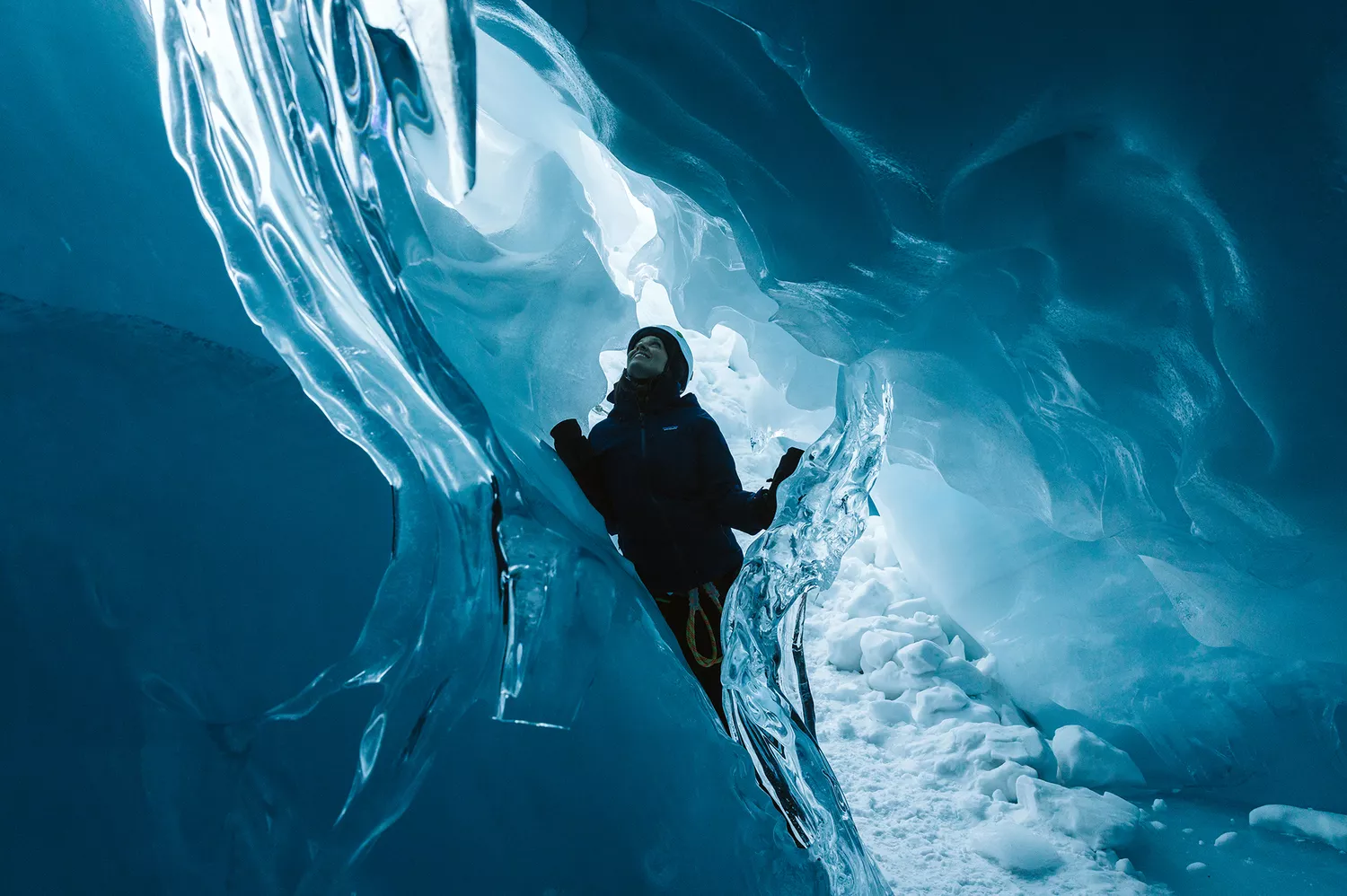
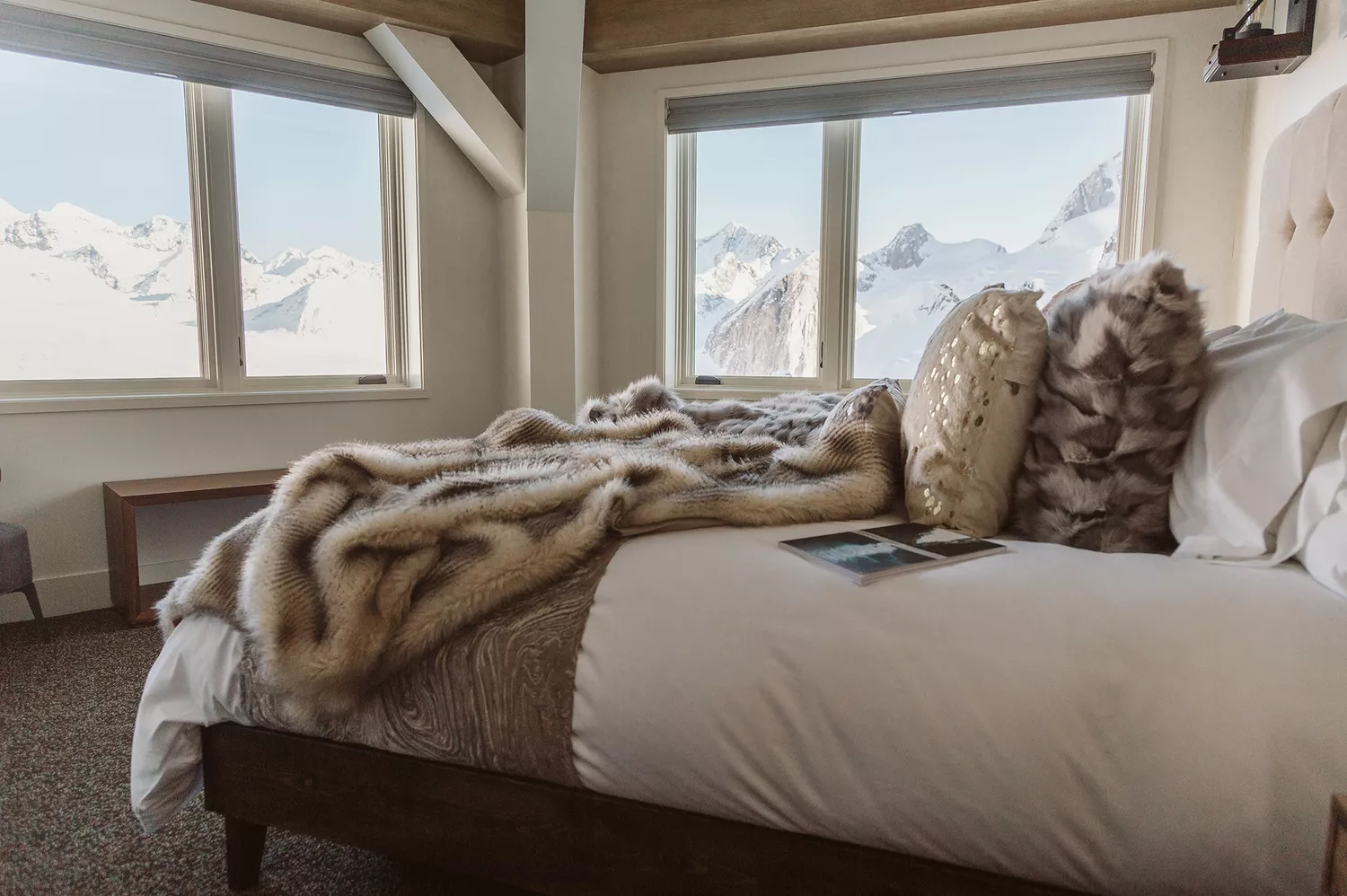
The architecture itself must be subarctic-ready. Quad-paned windows are standard to keep the interior comfortable while guests watch the aurora borealis or the shadows stretching across the Ruth Glacier. Despite the extreme isolation, these lodges often feature a full-service concierge to arrange backcountry safety protocol for every excursion. Whether you are heli-skiing in the morning or exploring ice caves in the afternoon, the luxury lies in the fact that you are shielded from the environment while still being deeply immersed in it.
This balance is why fly-in Alaska lodges command such a premium. You are paying for the engineering required to keep a human-centric space functional in a place where humans aren't meant to survive. The unplugged solitude and the feeling of standing on a rock surrounded by a river of ancient ice provide a perspective that no roadside hotel could ever replicate.
FAQ
How much does it cost to stay at a fly-in lodge in Alaska?
Pricing varies significantly depending on the level of luxury and the remoteness of the site. Entry-level wilderness lodges may start around $1,000 per person per night, but ultra-exclusive properties like Sheldon Chalet can cost upwards of $32,000 per night for the entire lodge, often requiring a multi-night minimum stay.
How do you get to fly-in lodges in Alaska?
Access is typically managed through private charters. Guests fly into a major hub like Anchorage or Fairbanks, then take a smaller fixed-wing bush plane or a helicopter from regional airports such as Talkeetna. For glacier-based lodges, a helicopter is the primary and often the only method of transport.
What should I pack for a remote fly-in lodge trip?
The most important rule is to use soft-sided luggage due to helicopter storage constraints. You should focus on high-quality synthetic or wool layers, waterproof outer shells, and Category 4 sun protection. Most luxury lodges provide heavy expedition gear, so check with your concierge before bringing bulky items.
Is there Wi-Fi and electricity at fly-in lodges in Alaska?
Yes, most high-end fly-in lodges utilize sophisticated off-grid power systems, including solar and high-efficiency generators. While Wi-Fi is often available via satellite (such as Starlink), it is sometimes intentionally limited to common areas to encourage guests to embrace the unplugged solitude of the wilderness.
What is the difference between fly-in and road-access lodges?
Fly-in lodges provide a level of seclusion and environmental purity that road-access properties cannot match. Because they are not connected to the road system, they are free from public traffic and noise. Furthermore, fly-in lodges are often located in geographic features—like glaciers or islands—where road construction is physically or legally prohibited.