Quick Facts
- Safety Status: U.S. State Department Level 1 (as of Jan 2026)
- Homicide Rate: 1.3 per 100,000—the lowest in Latin America
- Entry Requirements: $12 Tourist Card (purchasable upon arrival)
- Currency: U.S. Dollar (primary) and Bitcoin (legal tender)
- Primary Attractions: Santa Ana Volcano, Ruta de las Flores, and Surf City
- Food & Culture: National dish is pupusas ($0.50–$1.00 each)
- Logistics: Compact geography; most sites are within a 45-minute to two-hour drive from the capital
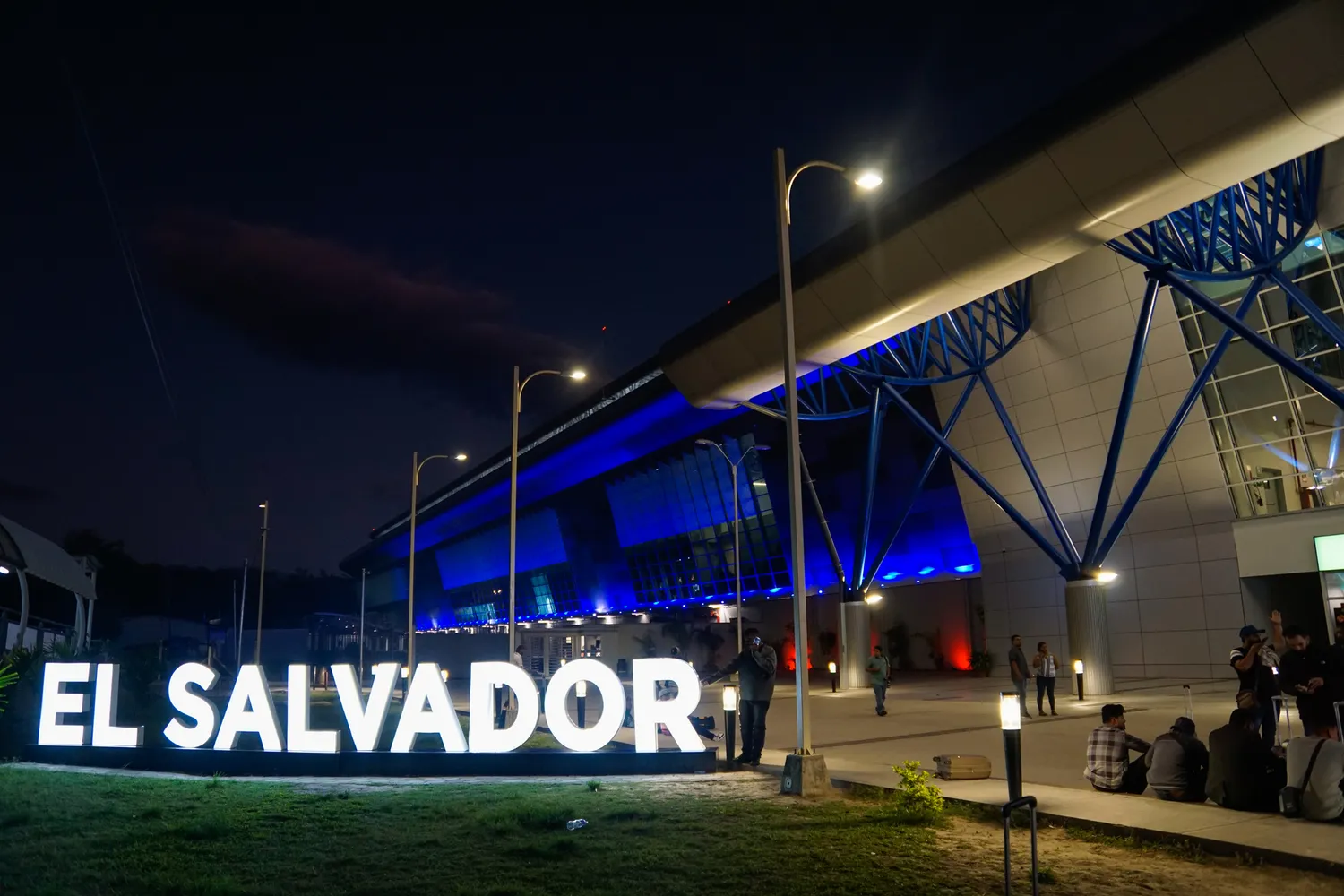
El Salvador has underwent a radical transformation, moving to a Level 1 safety status. This El Salvador travel guide explores local hospitality and the country’s security reform policies that have reshaped the regional travel landscape. As of 2026, the country is officially categorized as a Level 1 safety destination by the U.S. State Department, placing it on the same security tier as Switzerland or Japan. This shift is the result of comprehensive security reform policies that have opened once-prohibited areas to international tourism, making El Salvador safety for tourists a benchmark for the region.
The New Safety Era: Why 2026 is Your Year to Visit
For decades, the narrative surrounding El Salvador was dominated by concerns over regional stability. However, the data for 2026 presents a different reality. The country has achieved a staggering 98% reduction in homicides since 2015, reaching a recorded homicide rate of 1.9 per 100,000 inhabitants by the end of 2024, with projections for 2026 trending even lower toward 1.3. When analyzing global safety rankings, these figures are not just impressive for Latin America; they are competitive on a global scale.
Public perception matches the statistical decline. According to the Gallup 2024 Global Security Report, 88% of citizens in El Salvador reported feeling safe walking alone at night. This sense of peace is palpable on the ground. The U.S. travel advisory Level 1 El Salvador safety update reflects this shift, encouraging travelers to simply exercise normal precautions.
The government has further bolstered security through the Politur (Tourist Police), a specialized division present in 19 key destinations. Whether you are trekking through remote coffee plantations or exploring urban monuments, the presence of dedicated security aimed at post-transformation tourism provides an added layer of confidence. This environment allowed the country to welcome 3.9 million international visitors in recent audits, representing a massive 81% recovery compared to pre-pandemic levels.
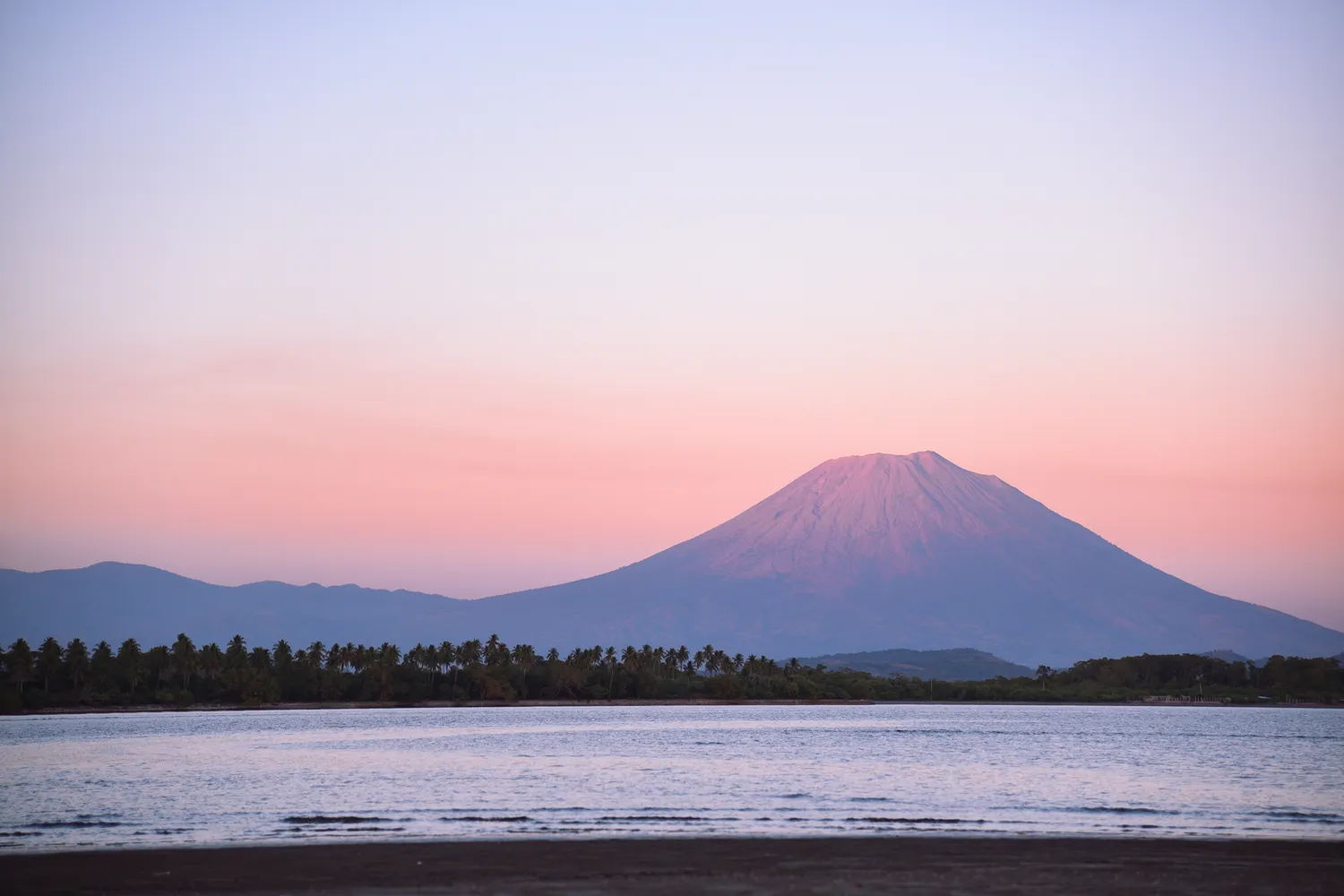
San Salvador: A Historic Center Reborn
The capital city, San Salvador, serves as the heart of the national revival. Just a few years ago, the downtown core was off-limits to many; today, it is a hub of colonial heritage sites and modern urban development. A walking tour of San Salvador historic center safety is now a standard recommendation for any El Salvador travel guide for first time visitors 2026. The Metropolitan Cathedral and the National Palace have been meticulously restored, creating a walkable district that feels both vibrant and secure.
One of the most significant changes is the rise of high-end hospitality. When looking for the best boutique hotels in El Salvador, the capital now rivals major Latin American hubs. Properties like Barceló San Salvador or smaller, design-forward boutique hotels in the Escalón district provide luxury at a fraction of the cost found in Costa Rica or Belize.
Logistically, San Salvador is the ultimate base. Thanks to the 45-minute rule, travelers can enjoy a gourmet breakfast in the city, hike a volcanic crater by midday, and be back in the capital for a world-class dinner.
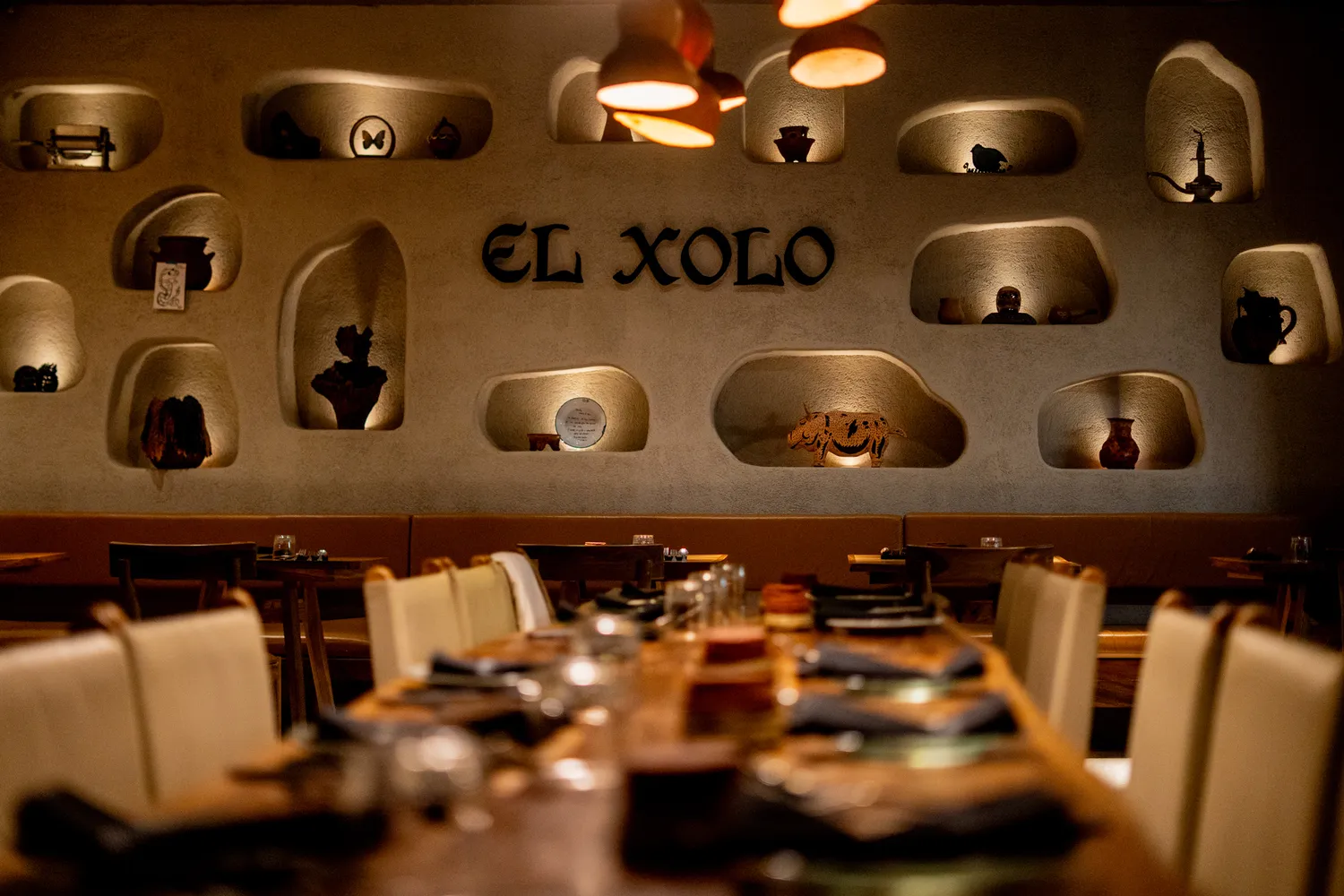
The Western Highlands: Ruta de las Flores Itinerary
Leaving the city behind, the Ruta de las Flores itinerary remains the premiere cultural experience for travelers. This winding road through the Apaneca-Ilamatepec mountain range links a series of highland coffee towns, each with its own personality.
A standard Ruta de las Flores road trip itinerary and stops should include:
- Nahuizalco: Known for its indigenous roots and night market.
- Salcoatitán: The place to try fried yuca and local crafts.
- Juayua: Famous for its weekend food festival and the 7 Waterfalls hike.
- Apaneca: Offers high-altitude adventures and views over volcanic crater lakes.
- Concepcion de Ataco: The most aesthetic stop, filled with colorful murals and high-end coffee shops.
The region is a testament to Salvadoran hospitality. Travelers can safely walk between artisan markets and coffee fincas, experiencing a side of the country that was once difficult to access. For those seeking off-the-beaten-path locations, the western highlands provide a cooler climate and a slower pace of life.
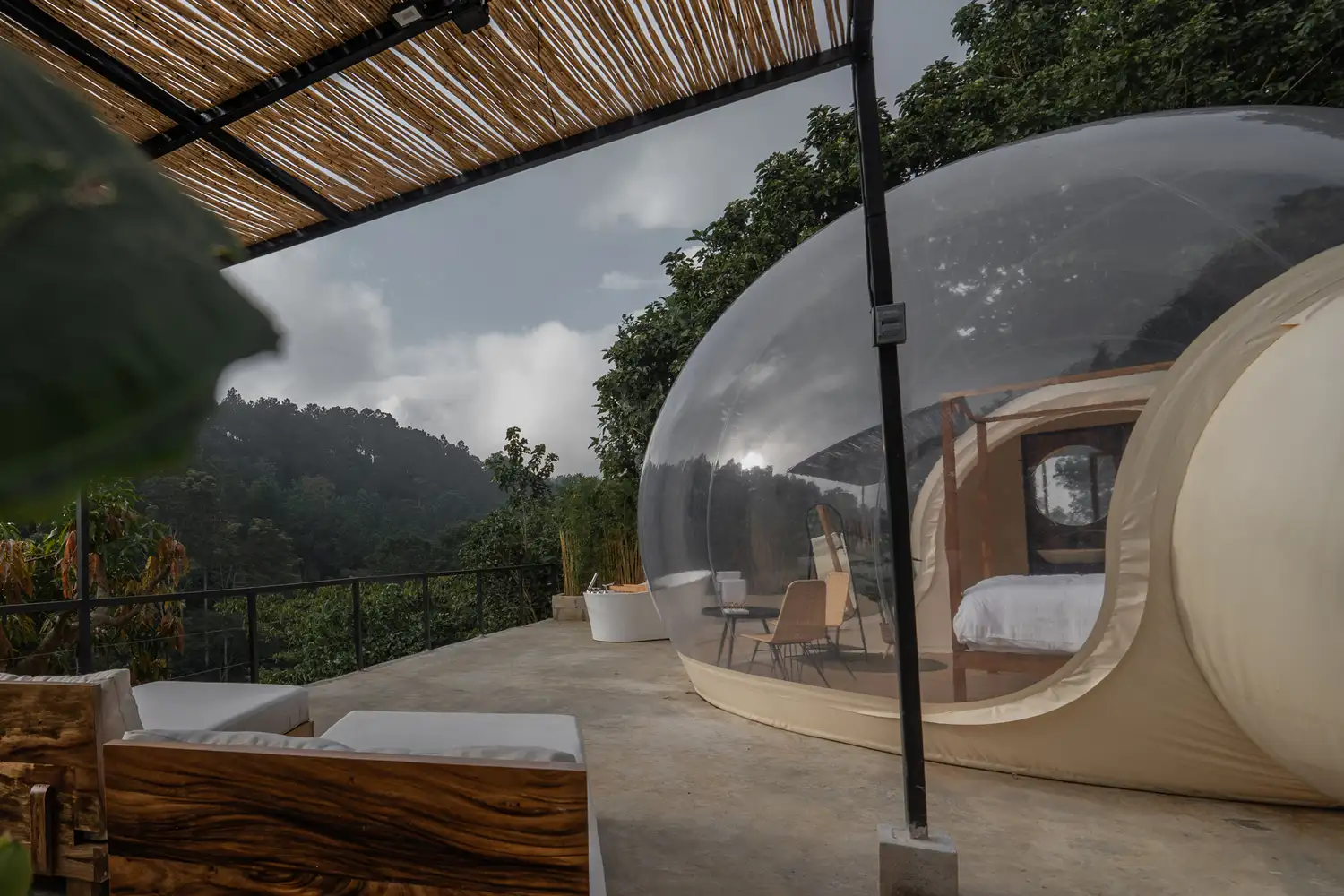
Surf City and the Pacific Coast
While the mountains offer culture, the coastline offers world-class sport. The Pacific coast geography of El Salvador is defined by its dramatic volcanic sand beaches and consistent right-hand point breaks. Under the Surf City initiative, the government has invested heavily in sustainable tourism development along the coast, particularly in El Tunco and El Zonte.
For non-surfers, the best things to do in El Tunco for non-surfers include visiting the sea caves at low tide, enjoying sunset yoga sessions, or exploring the vibrant nightlife that has become much safer under the new security protocols. The infrastructure here is modern, with paved roads and high-speed internet, making it a favorite for digital nomads who value both waves and connectivity.
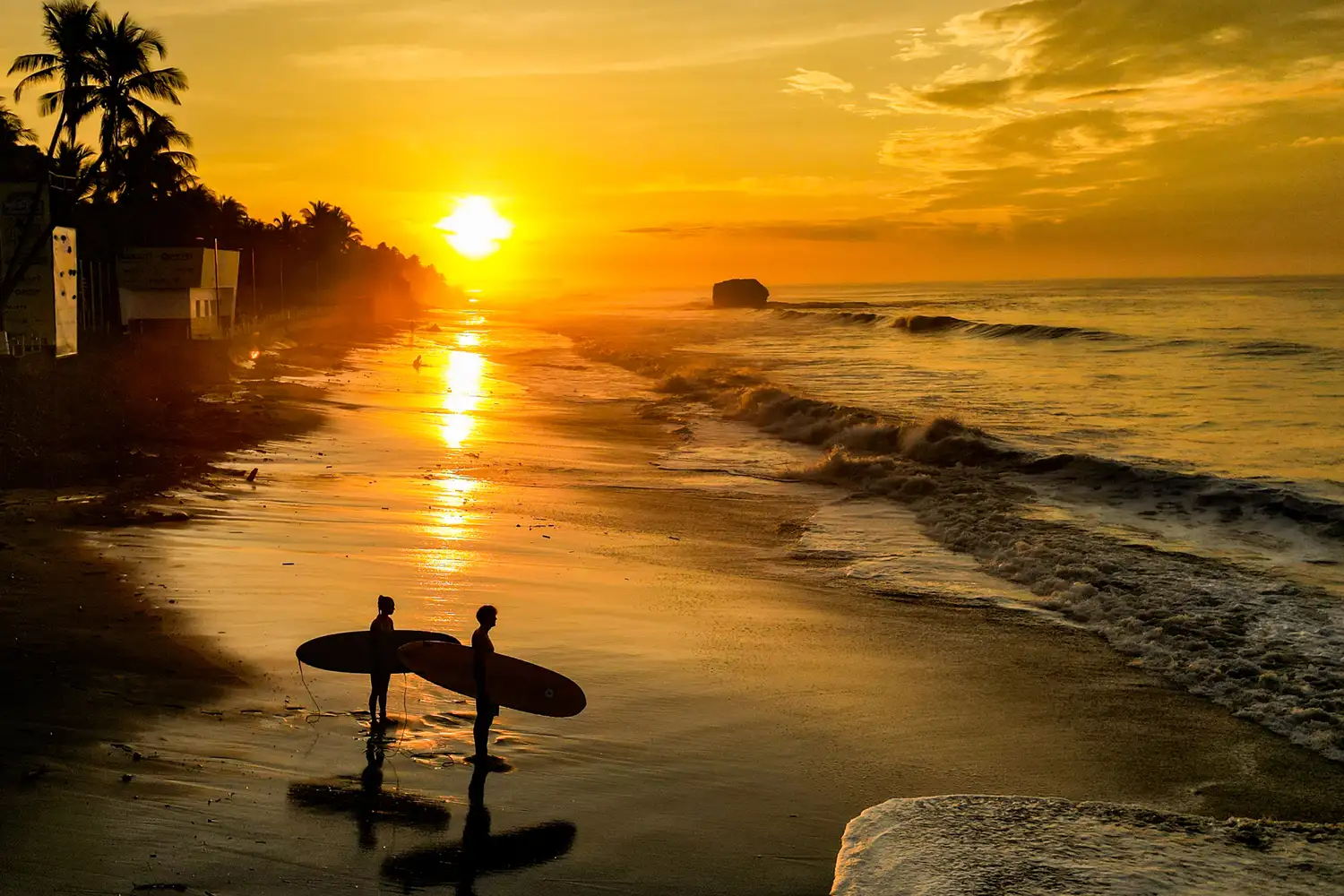
Practicalities: Currency, Transport, and Budgets
Navigating El Salvador in 2026 is remarkably straightforward. The country operates on a dual-currency system that often confuses first-time visitors, but the reality is simple. While Bitcoin is legal tender, the U.S. Dollar remains the dominant currency for everyday transactions.
Money and Economics
Practical using Bitcoin vs US dollars in El Salvador practical tips include keeping small denominations of USD ($1, $5, $10) for rural areas and street food. While flagship cafes and hotels in Surf City or San Salvador accept digital payments via the Chivo wallet or other lightning-network apps, pupusa stands usually prefer cash.
Transportation Logistics
When considering how to get around El Salvador using Uber and buses, your choice should depend on your comfort level and timeline.
- Uber: Highly reliable and safe in San Salvador and larger towns. A cross-city ride usually costs under $10.
- Rental Cars: The roads are some of the best in Central America. Driving is the most efficient way to maintain a flexible Ruta de las Flores itinerary.
- Chicken Buses: These colorful, decommissioned U.S. school buses are incredibly cheap ($0.50–$1.50) and a cultural experience, though they take significantly longer than private transport.
| Service | Estimated Cost (USD) | Notes |
|---|---|---|
| Street Food (Pupusas) | $0.50 - $1.00 | 2-3 pupusas make a full meal |
| Mid-range Restaurant | $12.00 - $25.00 | Includes a drink and main course |
| Uber (San Salvador) | $5.00 - $12.00 | Best for nighttime safety |
| Tourist Card | $12.00 | Paid at the airport upon arrival |
| Boutique Hotel | $85.00 - $180.00 | Per night for high-quality stays |
FAQ
Is it safe to travel to El Salvador right now?
Yes, El Salvador is currently one of the safest countries in the Western Hemisphere. The 2026 security climate has seen the homicide rate drop to 1.3 per 100,000, and the country holds a Level 1 Travel Advisory from the U.S. State Department. Travelers should still use common sense, but the days of localized gang violence impacting tourist zones have effectively ended.
What is the best time of year to visit El Salvador?
The best time to visit is during the dry season, which runs from November to April. During this window, you will experience consistent sunshine and ideal conditions for hiking volcanoes or sunbathing on the Pacific coast. The rainy season (May to October) features lush green landscapes and the best swells for professional surfers.
Is El Salvador expensive for tourists?
El Salvador offers excellent value compared to neighboring destinations like Costa Rica. While the adoption of the U.S. Dollar and the influx of tourism have raised prices in Surf City, a traveler can still enjoy a high-end experience for about $100–$150 per day, including a boutique hotel and gourmet meals. Budget travelers can easily get by on $40–$50 per day.
What currency do they use in El Salvador?
The primary currency is the U.S. Dollar. Bitcoin is also legal tender and is accepted at most major retailers, hotels, and tourist-facing businesses. It is highly recommended to carry physical cash in small denominations for markets and small towns.
What is the best way to get around El Salvador?
For safety and convenience, hiring a rental car or using ride-hailing apps like Uber is the best way to get around El Salvador. The country’s road network is modern and well-maintained. For those on a strict budget, the public bus system is extensive and very affordable, though less convenient for reaching specific trailheads or remote beaches.
As we look toward the remainder of 2026, El Salvador stands as a rare example of a destination that has successfully rewritten its own future. For the traveler, this means an opportunity to witness a nation’s rebirth firsthand. From the volcanic peaks to the break of the Pacific waves, the country is no longer a "hidden gem" guarded by risk; it is an open, vibrant, and incredibly safe destination ready for global exploration.