Quick Facts
- Primary Location: Langkawi Archipelago, Kedah, Malaysia
- Key UK Sites: Duxford Airfield and St Albans Cathedral
- Optimal Visit Window: November to April (Dry Season)
- On-the-Ground Transport: Grab app for island travel; 12Go for ferries
- Natural Stand-outs: Seven Wells Waterfall and mangrove forests
- Production Scope: Filmed across a 500-square-kilometre tropical archipelago
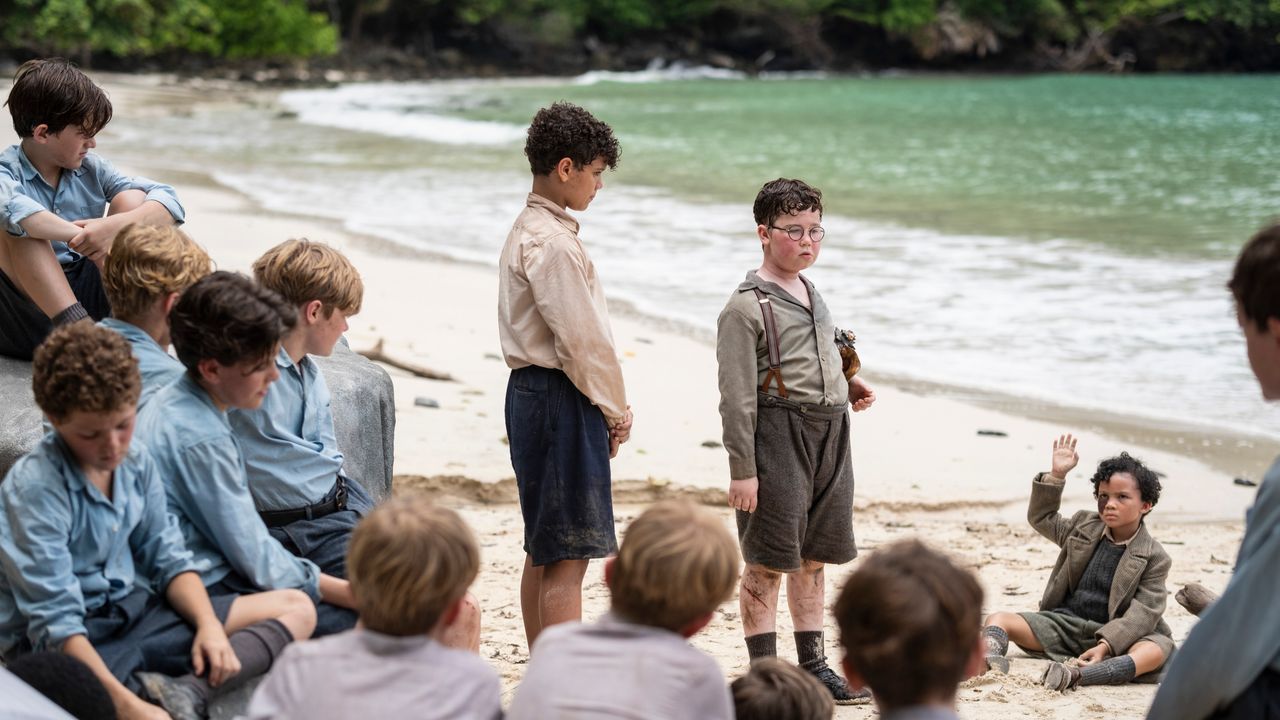
The BBC television adaptation of Lord of the Flies was primarily filmed in the Langkawi archipelago of Malaysia. Production crews utilized the region's dense rainforests, remote beaches, and uninhabited islets to recreate the rugged Pacific island setting described in William Golding's novel. These locations were chosen for their wild coastline and impenetrable tropical landscapes, which provided an authentic backdrop for the survival drama.
Exploring the Wild Coastline: Langkawi’s Island Locations
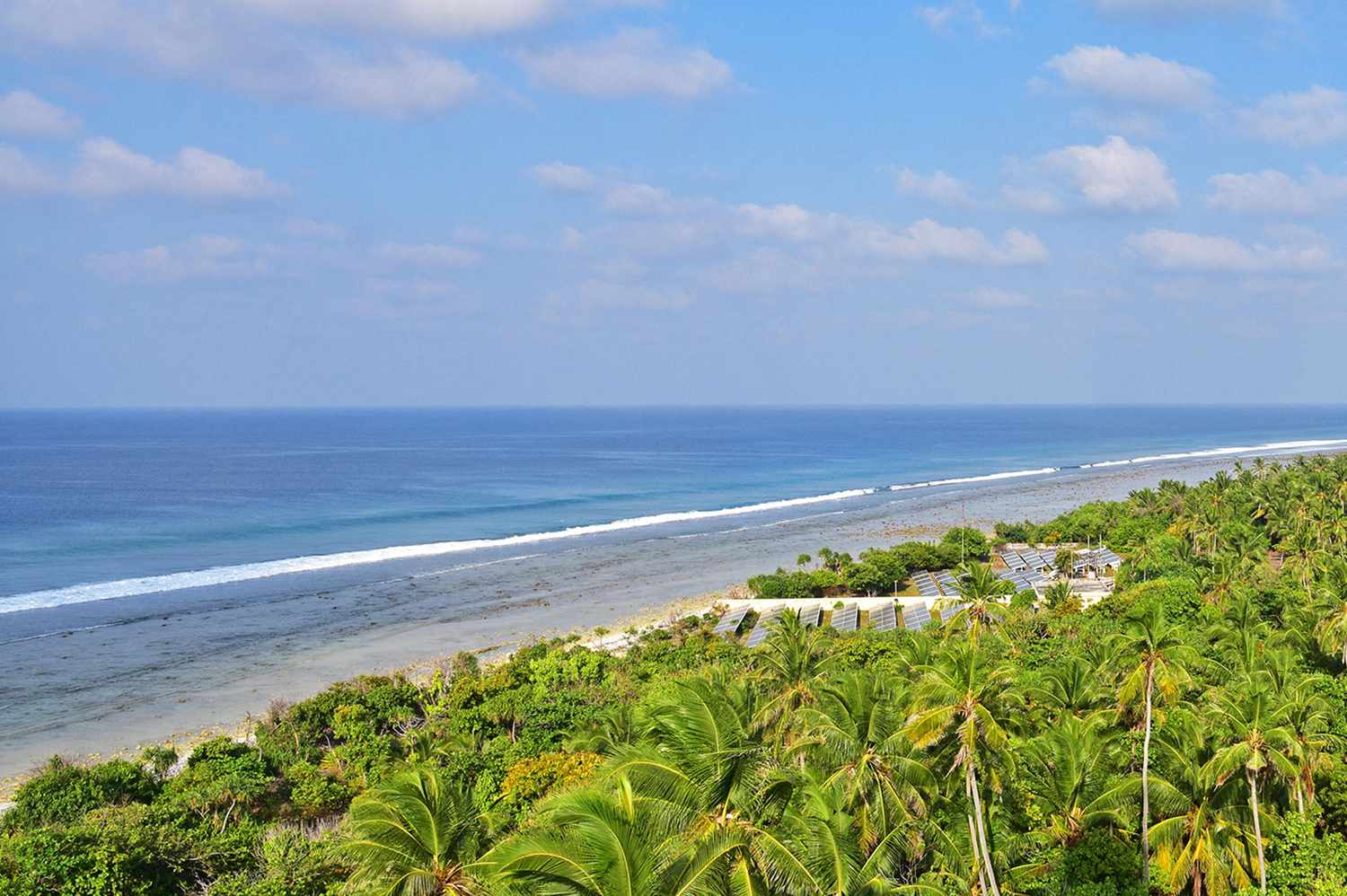
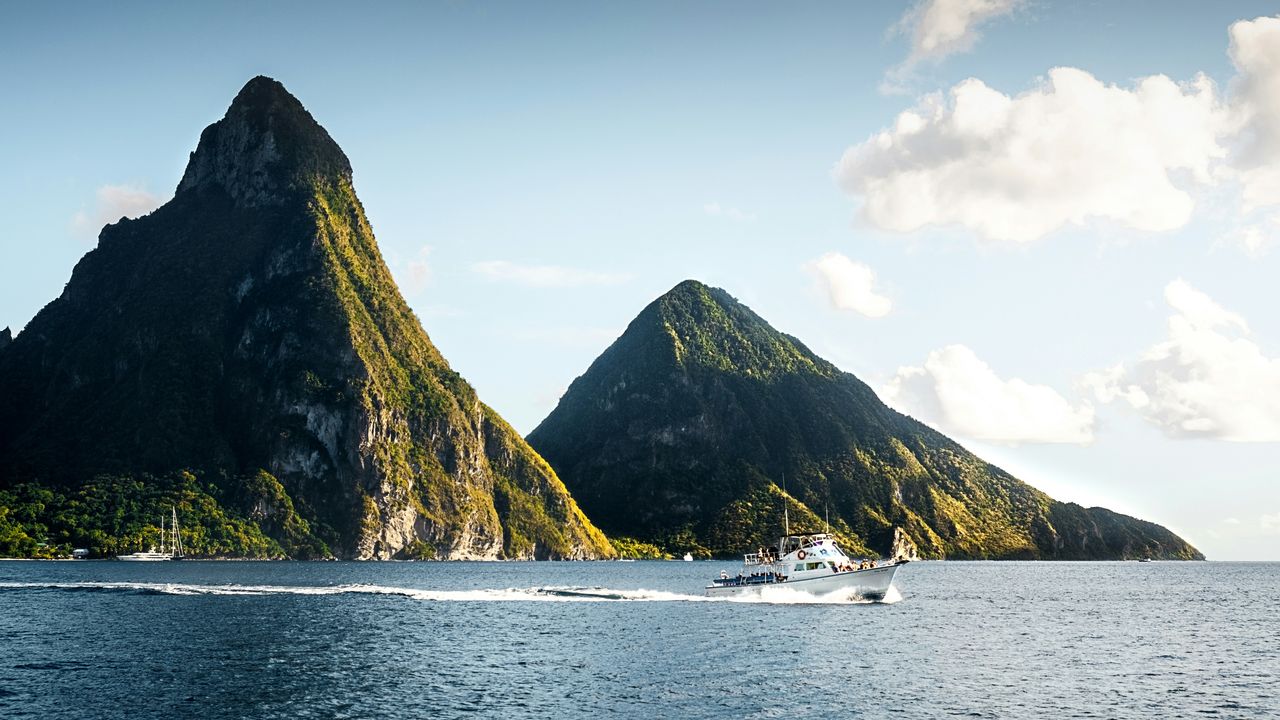
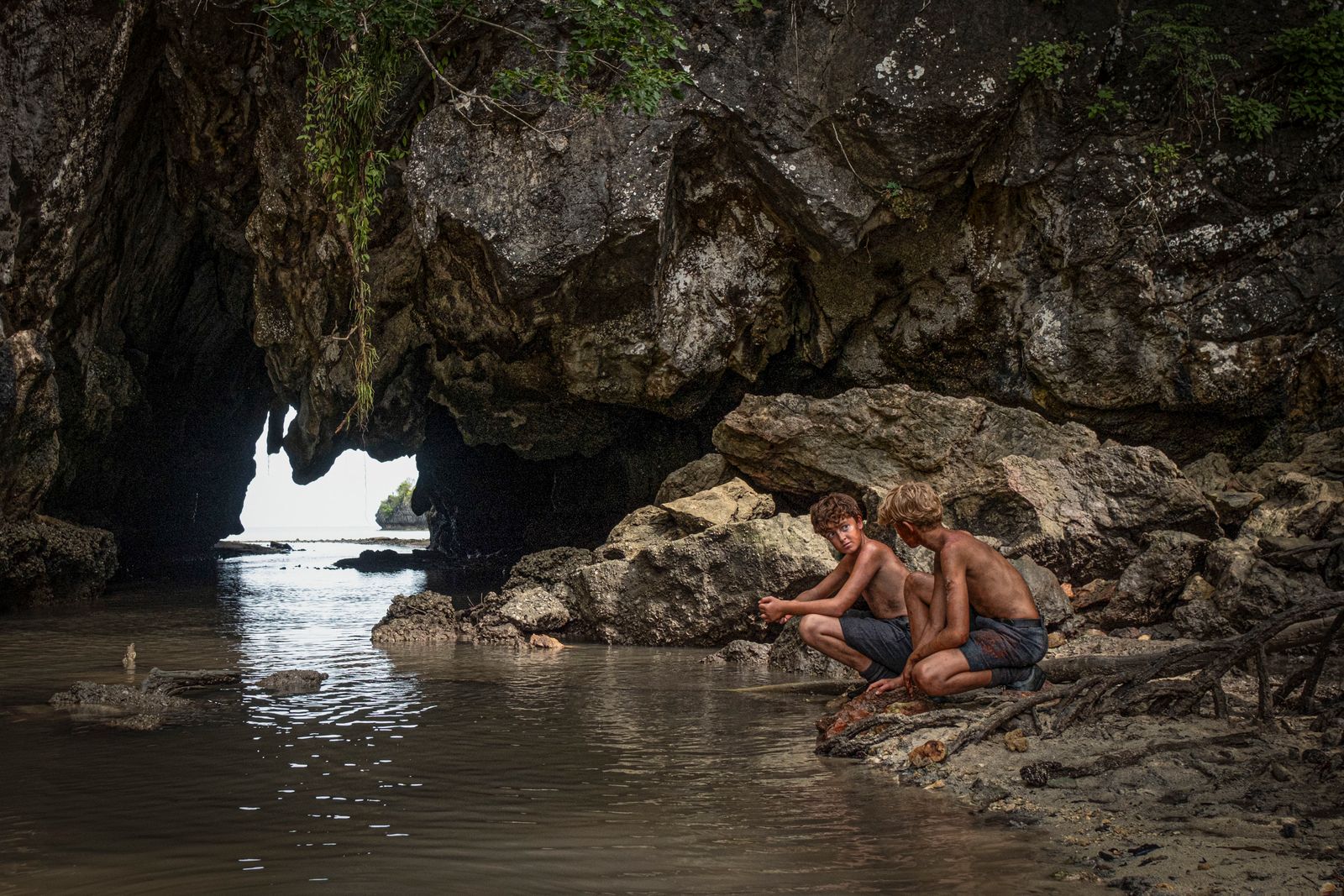
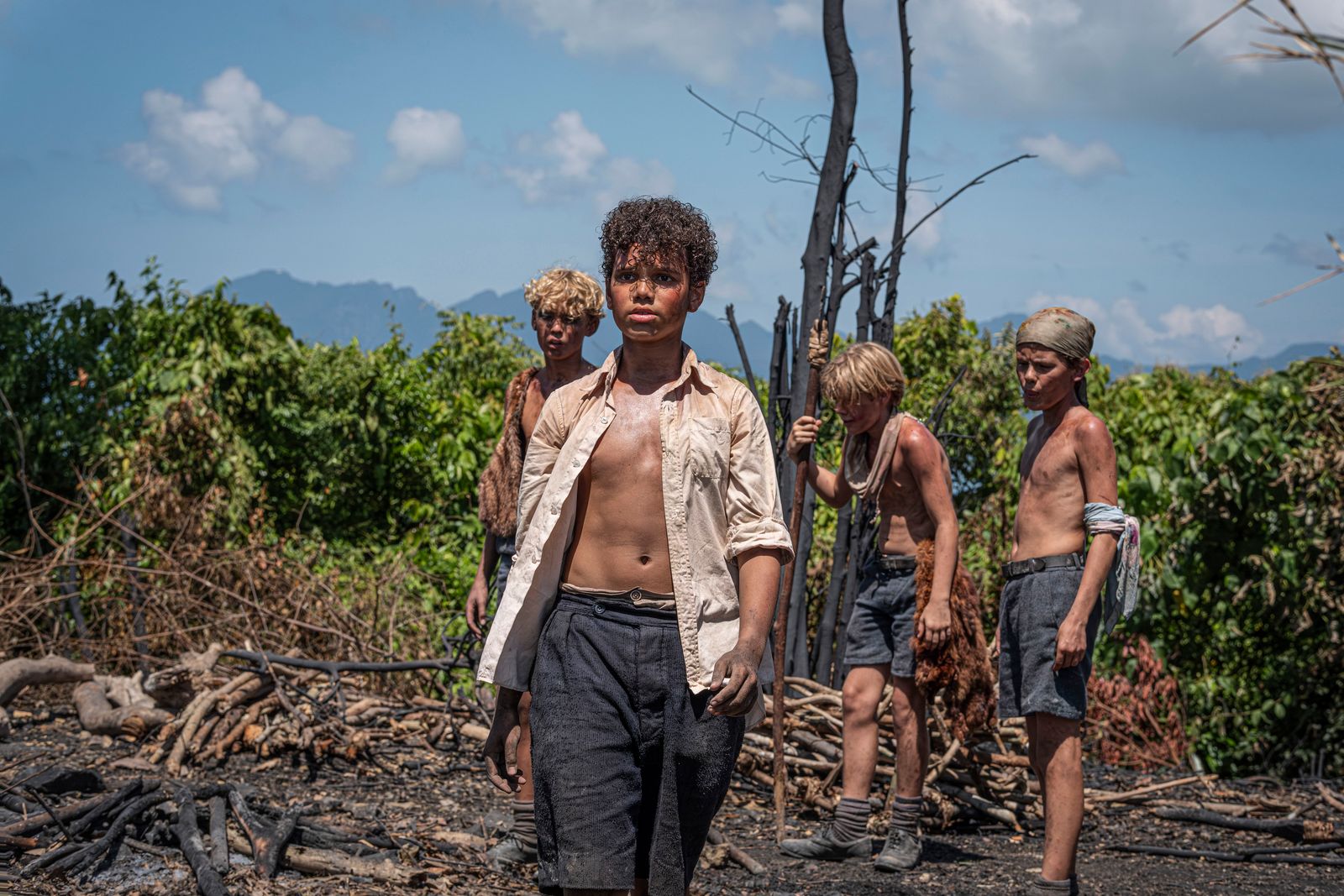
To capture the descent from civilization into tribalism, the production team needed a landscape that felt truly disconnected from the modern world. They found it in the Andaman Sea. The series makes extensive use of the Langkawi archipelago, which consists of 99 islands and covers a total area of approximately 500 square kilometres. This vast expanse allowed the cinematography to showcase a wild coastline that feels both breathtaking and menacing.
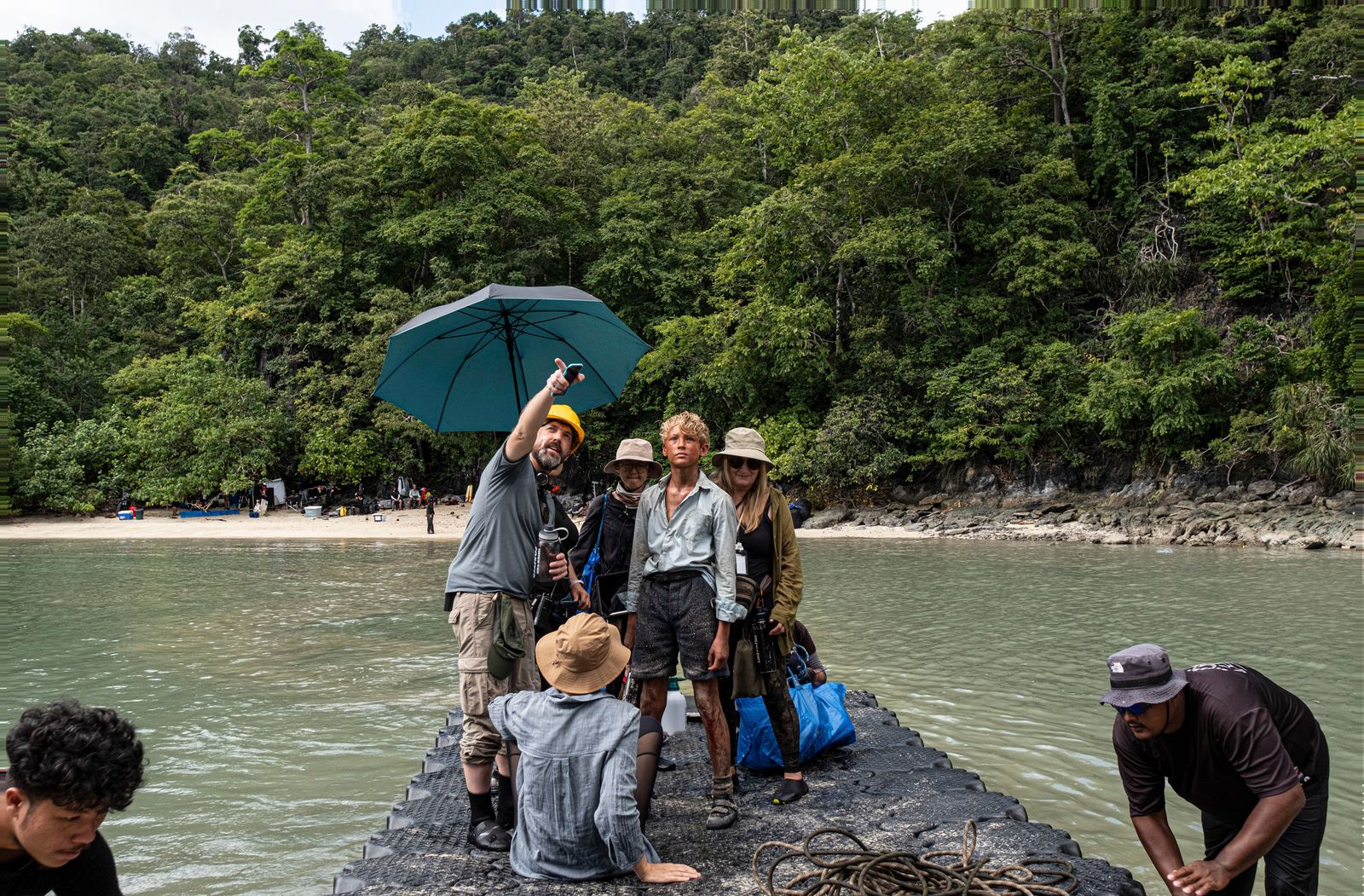
Principal photography for the production in Malaysia was an intense logistical feat. The shoot took place over approximately three months, beginning in September 2024 and concluding in early December 2024. During this window, the cast and crew contended with the high tropical humidity of Kedah, which added a layer of physical realism to the performances.
One of the most defining aspects of the production was the choice of uninhabited islets. These small, limestone-karst islands served as the primary Lord of the Flies filming locations for the boys' encampments and the iconic beach scenes. Because many of these spots lack any infrastructure, the production relied on a fleet of boats to ferry equipment through the mangrove forests.
A unique challenge during this phase involved the age of the actors. Due to strict labor regulations for child actors during the remote island shoot, the production team was limited to filming with the young cast for only six hours per day. This constraint required director Jack Thorne and his team to work with surgical precision, often capturing critical survival drama sequences during the golden light of late afternoon before the monsoon rains could move in.
From Rainforests to Cathedrals: The UK Sequences
While the bulk of the island's isolation is rooted in Malaysia, the BBC adaptation grounds the story by showing who these characters were before the crash. To achieve this contrast, the production utilized notable historical sites in the United Kingdom. This creates a powerful visual transition from the cold, stone-built order of England to the green chaos of the Andaman Sea.
For the departure scenes, where the boys are evacuated from a world on the brink of war, the production moved to Duxford Airfield. Part of the Imperial War Museum, Duxford provides an authentic 1940s atmosphere that aligns with the historical soul of William Golding's work. The sight of the vintage aircraft and hangars serves as the last glimpse of the structured world the boys leave behind.
Perhaps the most evocative UK location is St Albans Cathedral. This site was used to film scenes depicting Simon’s life as a choirboy. The soaring Gothic arches and holy silence of the cathedral offer a stark psychological contrast to his eventual fate in the Malaysian jungle. For fans following a Lord of the Flies BBC filming locations travel guide, visiting St Albans provides a moment of reflection on the innocence lost by the characters. These sequences were essential to flesh out the character backstories, ensuring that when the boys eventually clash on the wild coastline of Malaysia, the audience remembers the British schoolboys they once were.
The Fan's Itinerary: How to Reach the Lord of the Flies Beaches
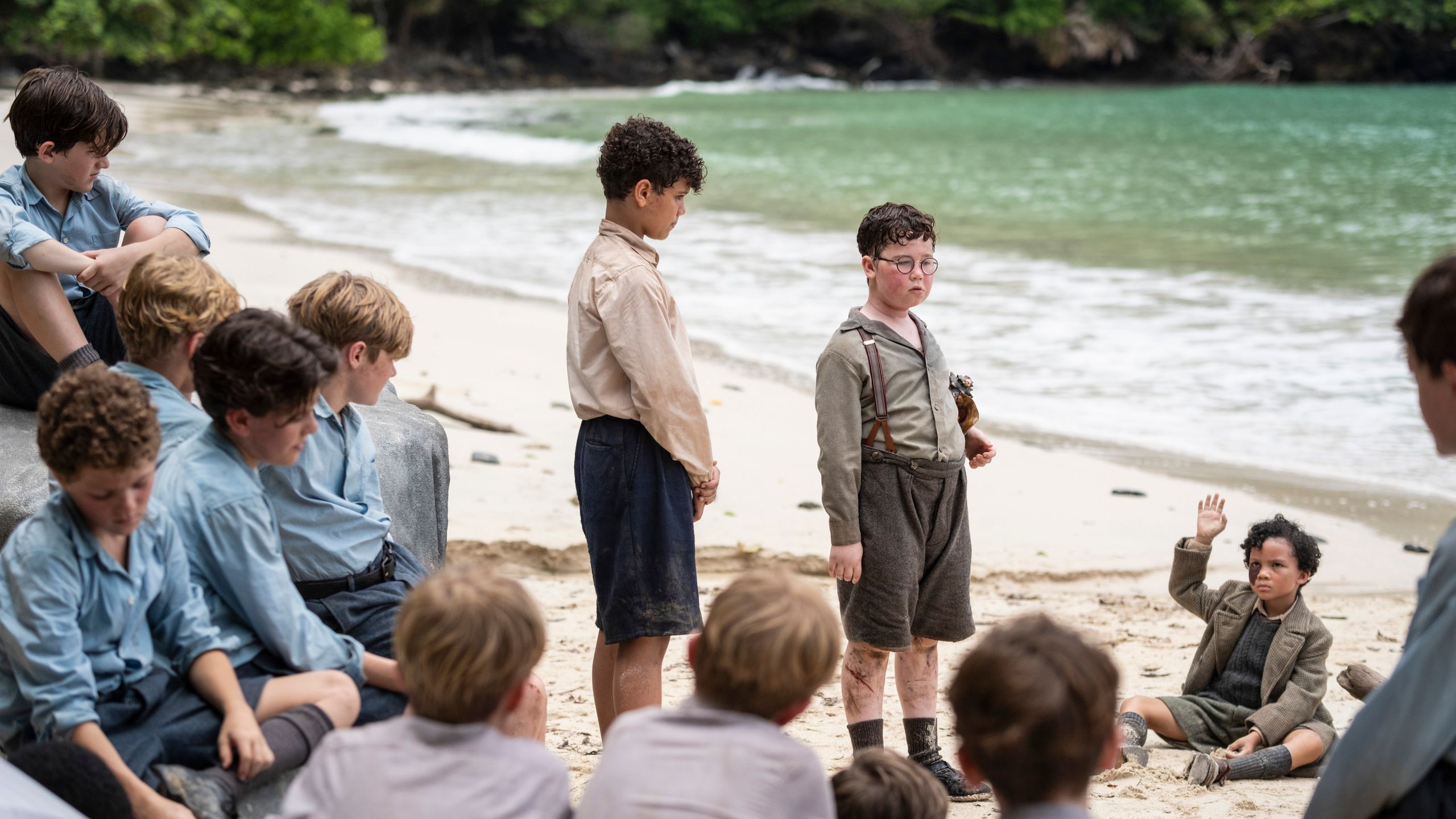
For those looking to create a Malaysia Lord of the Flies travel itinerary, the base of operations should be the main island of Langkawi. However, the exact beaches seen on screen are often tucked away on islands like Pulau Dayang Bunting or Pulau Beras Basah.
To reach the specific Lord of the Flies filming locations on the wild coastline, travelers have a few options:
- Private Boat Charters: This is the best way to reach the most remote uninhabited islets. A half-day charter typically costs around 400 to 600 MYR, while a full-day exploration might reach 800 MYR. This allows you to visit "The Scar"—the fictional crash site—which was simulated using various rugged beachheads in the archipelago.
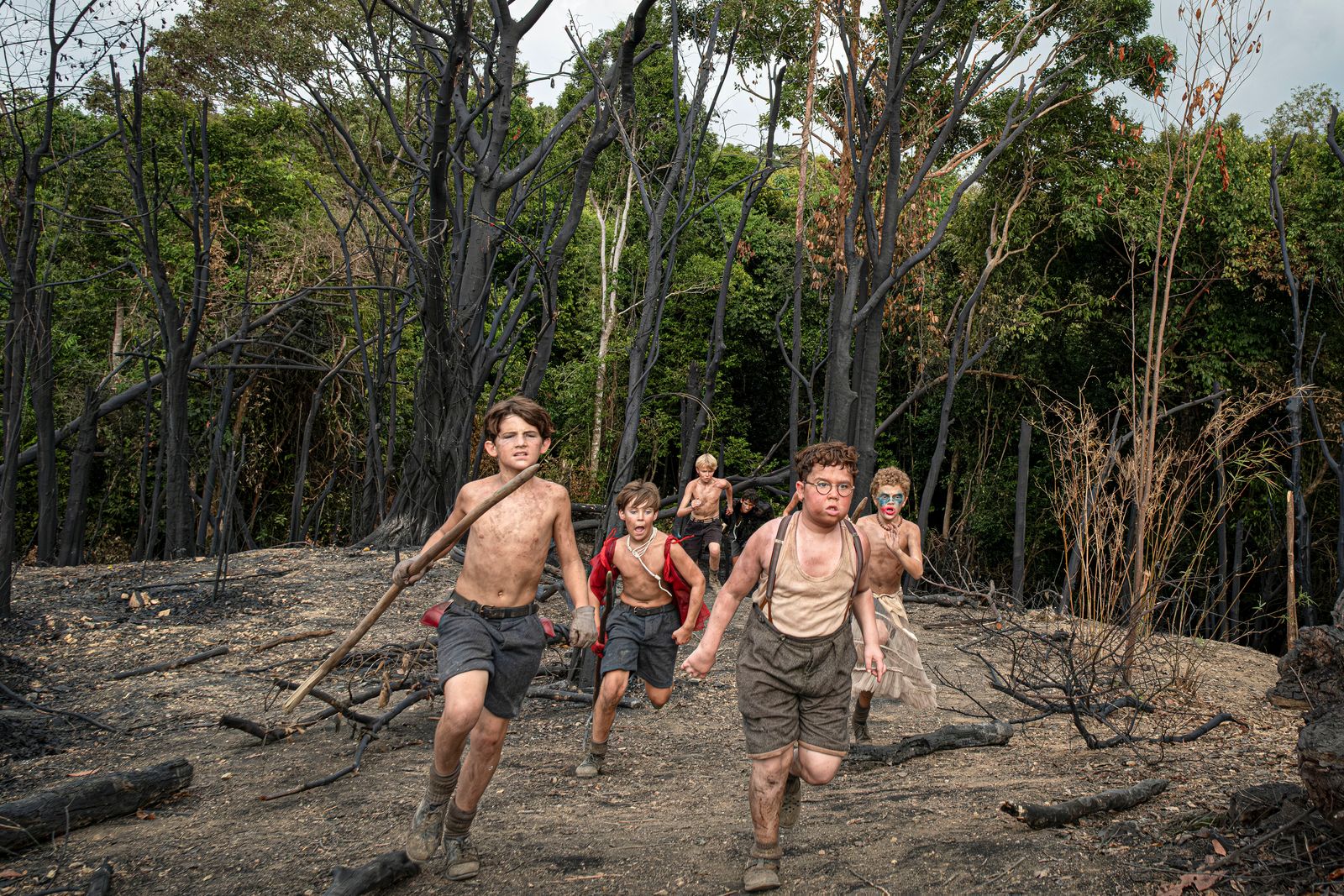
- Jet Ski Excursions: For the more adventurous traveler, jet ski tours are a popular way to navigate the archipelago. These tours often stop at hidden coves and mangrove forests that mirror the scenery where Jack’s tribe eventually sets up their fort.
- Island-Hopping Tours: Standard group tours are more affordable (around 40-60 MYR) and will take you to the most famous beaches. While crowded during midday, they provide a sense of the scale of the islands.
A must-visit landmark for fans is the Seven Wells Waterfall (Telaga Tujuh). While the series uses various tropical locations, waterfalls like these were the inspiration for the freshwater sources so vital to the boys' survival. The steep climb to the top offers a panoramic view of the jungle canopy, echoing the moments in the story when the boys attempt to survey their new, isolated kingdom.
Planning Your Trip: Seasons and Logistics
Visiting Lord of the Flies beaches Langkawi requires a bit of seasonal planning to avoid the same torrential rain experienced by the cast during principal photography. The archipelago follows a distinct weather pattern that can make or break your cinematic exploration.
The Dry Season (November to April)
This is the optimal time for a Langkawi film locations guide-focused trip. The seas are calm, which is essential for boat travel to the outlying islands. The skies are generally clear, providing the bright, saturated colors seen in the series' cinematography. During this peak season, the tropical humidity is manageable, and the rainforest paths are less muddy.
The Monsoon Season (May to October)
While the rainforests are at their most lush during this time, many boat tours are canceled due to rough waters in the Andaman Sea. If you choose to visit during this window to see the "wild" side of the island, be prepared for heavy daily downpours.
Local Navigation
Getting around the main island is remarkably easy. The Grab app is the standard for local transport, offering fair, fixed-price rides to the various jetties and trailheads. For those traveling from Kuala Lumpur or Penang, booking a ferry or flight via 12Go is highly recommended. Most visitors to Malaysia benefit from a 90-day visa-free entry, making it one of the most accessible filming locations for international fans.
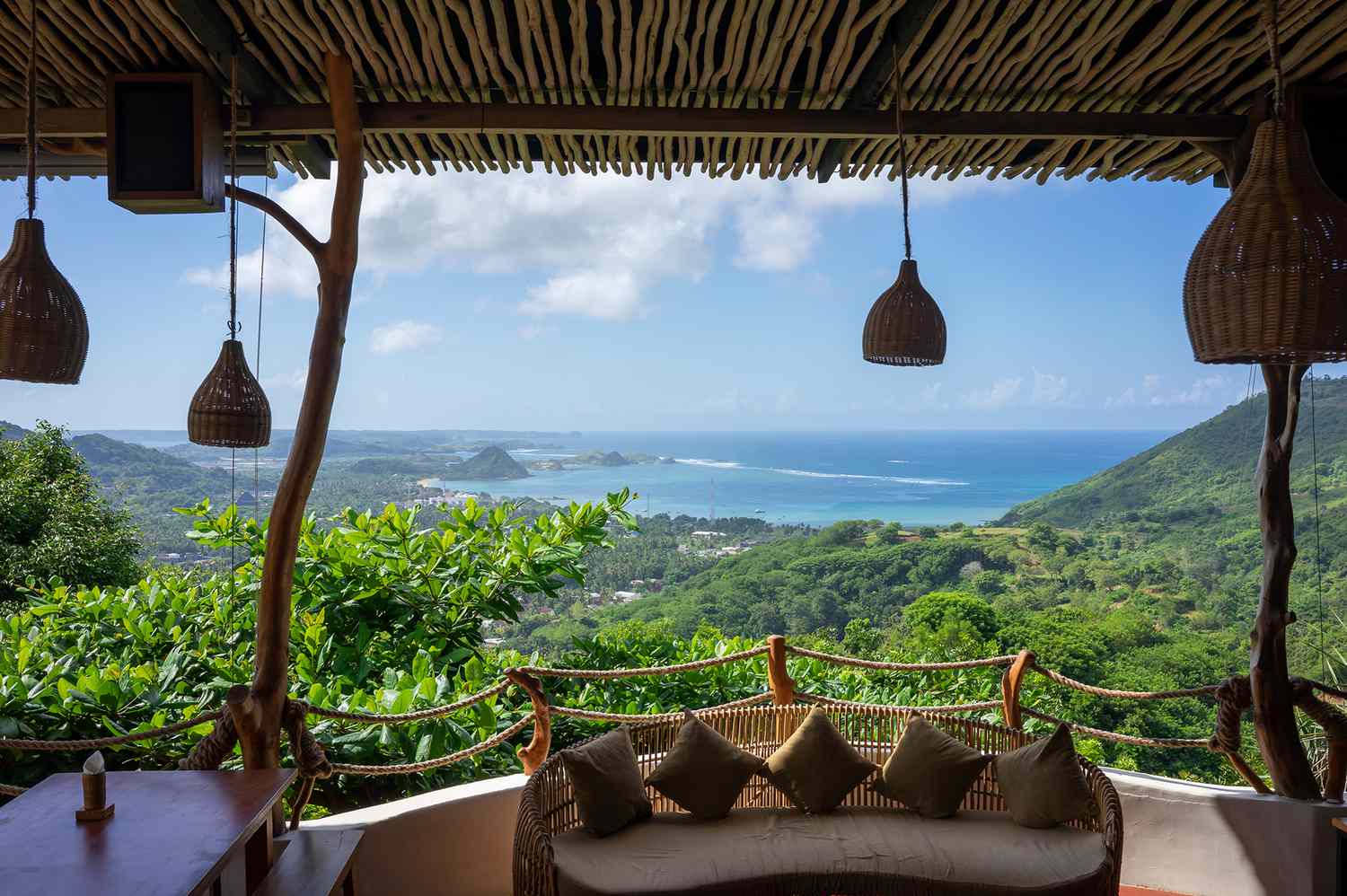
Experienced travelers suggest staying near Pantai Cenang for easy access to boat tours, or near the Datai Bay area if you want to experience the dense rainforests where the more "feral" sequences of the drama were captured.
FAQ
Is the island in Lord of the Flies a real location?
The "island" in the BBC series is a composite of several real-world locations within the Langkawi archipelago in Malaysia. While William Golding’s novel describes a fictional Pacific island, the production used the uninhabited islets and wild coastline of the Andaman Sea to recreate the setting with geographic authenticity.
Can you visit the filming locations of Lord of the Flies?
Yes, most of the Lord of the Flies filming locations in Langkawi are accessible to the public. Visitors can book boat tours or jet ski excursions to reach the remote beaches and uninhabited islands where the survival drama was shot. The UK locations, such as St Albans Cathedral and the Imperial War Museum Duxford, are also open to visitors.
Where is the beach from the movie Lord of the Flies?
In the BBC adaptation, the beach scenes were primarily filmed on various islands within the Langkawi archipelago in Kedah, Malaysia. Locations like Pulau Beras Basah and other secluded coves were utilized for their white sands and proximity to dense mangrove forests, providing the "untouched" look required for the series.
Are the Lord of the Flies filming locations open to the public?
The natural locations in Malaysia, including the beaches and rainforests, are largely part of protected eco-tourism zones and are open to the public. Some areas within the mangrove forests may require a guided tour. In the UK, St Albans Cathedral is an active place of worship with visitor hours, and Duxford Airfield is a public museum.
How many different locations were used to film Lord of the Flies?
The production utilized a wide variety of sites across two countries. In Malaysia, filming spanned across the 99-island Langkawi archipelago, focusing on multiple uninhabited islets, rainforests, and waterfalls. In the United Kingdom, at least two major locations—Duxford Airfield and St Albans Cathedral—were used to capture the boys' lives before the plane crash.