Quick Facts
- Night Sky Coverage: 96% of NZ offers clear Milky Way views.
- Darkest Skies: Stewart Island (Rakiura) holds a Bortle Scale Class 1 rating.
- First Gold Status: Aoraki Mackenzie International Dark Sky Reserve (4,367 sq km).
- Newest Sanctuary: Tāhuna Glenorchy (designated February 2025).
- Best Season: Winter (June-August) for longest nights and Matariki.
- Key Phenomenon: The Aurora Australis is best seen from the South Island.
The best place for New Zealand stargazing is the Aoraki Mackenzie International Dark Sky Reserve, though Aotea Great Barrier Island and Stewart Island Rakiura offer equally pristine conditions. New Zealand features 5 International Dark Sky Sanctuaries as of 2025, ensuring strict light pollution mitigation for viewing the Southern Cross and the galactic center.
As a photographer who has spent countless nights shivering behind a tripod from the Arctic Circle to the Patagonia wilds, I can tell you that few places on Earth command the same reverence as the New Zealand night sky. There is a specific kind of silence that settles over the landscape when the sun dips below the Southern Alps. It is a precursor to a visual feast where the stars do not just twinkle—they burn.
Because of its remote location and low population density, official data indicates that 93% of New Zealand's South Island and 74% of the North Island have night skies classified as pristine or only minimally degraded near the horizon. For those of us chasing the perfect frame, this means the Milky Way is not a faint Smudges but a textured, high-contrast ribbon across the heavens.
Aoraki Mackenzie International Dark Sky Reserve: The Gold Standard
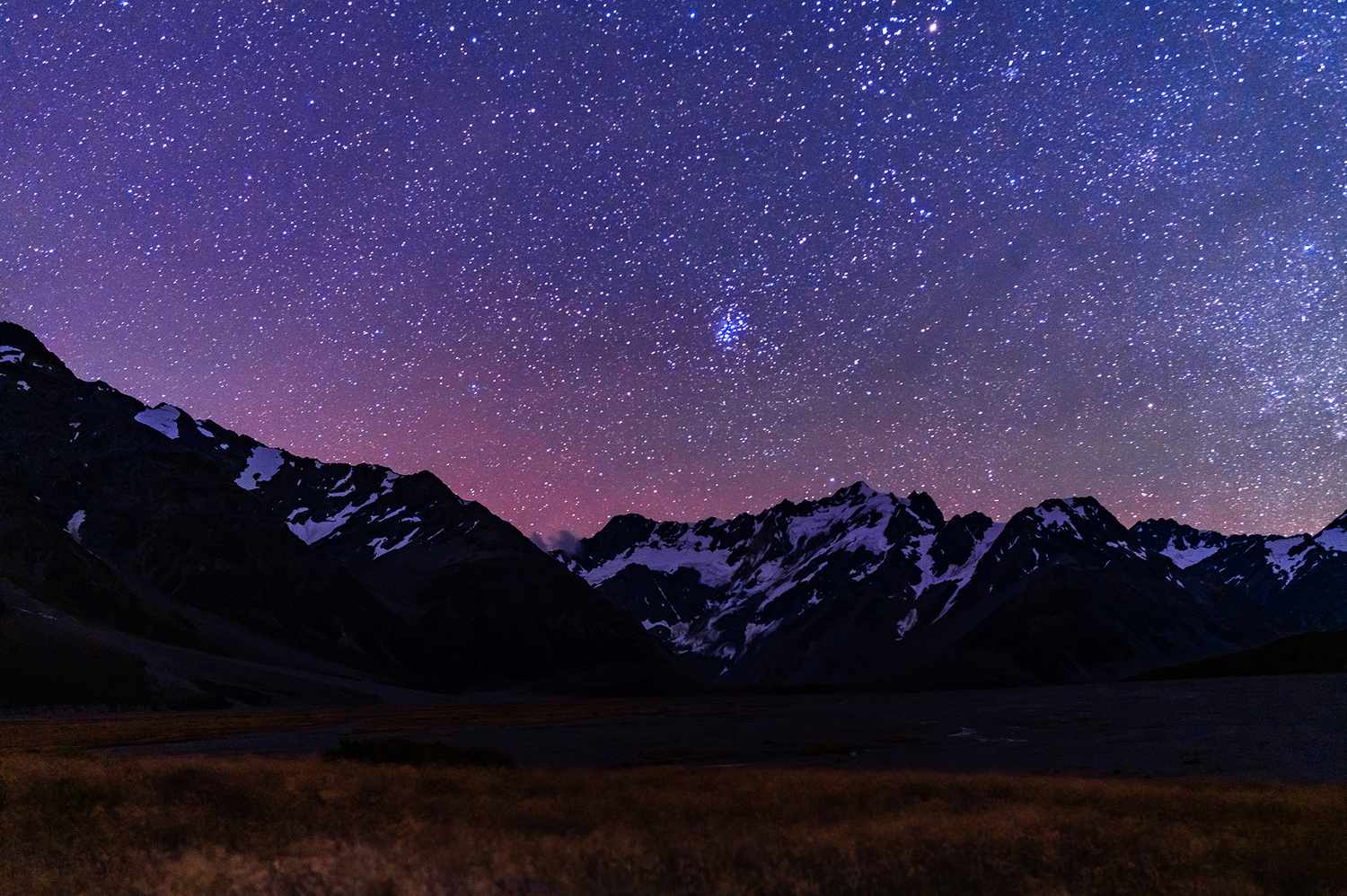
If you are serious about photography, the Mackenzie Basin is your cathedral. Covering a staggering 4,367 square kilometers, this was the first location in the Southern Hemisphere to be awarded Gold Tier status by the International Dark-Sky Association. The reserve encompasses Lake Tekapo, the village of Mt Cook, and Twizel, creating a massive corridor of protected darkness.
When I first visited the University of Canterbury Mt John Observatory, I was struck by the sheer clarity of the air. The light pollution mitigation here is world-class; the streetlights are specifically shielded to point downward, preserving the inky blackness required for deep-space observation. Looking through a telescope here, or simply aiming your wide-angle lens toward the peaks of Aoraki, reveals objects like the Small and Large Magellanic Clouds with naked-eye clarity.
For the best New Zealand stargazing experience, I recommend staying in Lake Tekapo for at least three nights. This gives you a buffer against the alpine weather and allows you to experiment with different foregrounds, such as the iconic Church of the Good Shepherd. If you are looking for Aoraki Mackenzie International Dark Sky Reserve travel tips, try to book a specialized tour that grants access to the higher altitude observatories after dark—the elevation truly makes a difference in atmospheric transparency.
Aotea Great Barrier Island: The First Dark Sky Sanctuary
While the South Island gets much of the glory, the North Island holds a prehistoric secret. Aotea Great Barrier Island sits about 100 kilometers off the coast of Auckland, but it feels like another planet. In 2017, Aotea / Great Barrier Island became the first island in the world to be designated an International Dark Sky Sanctuary.
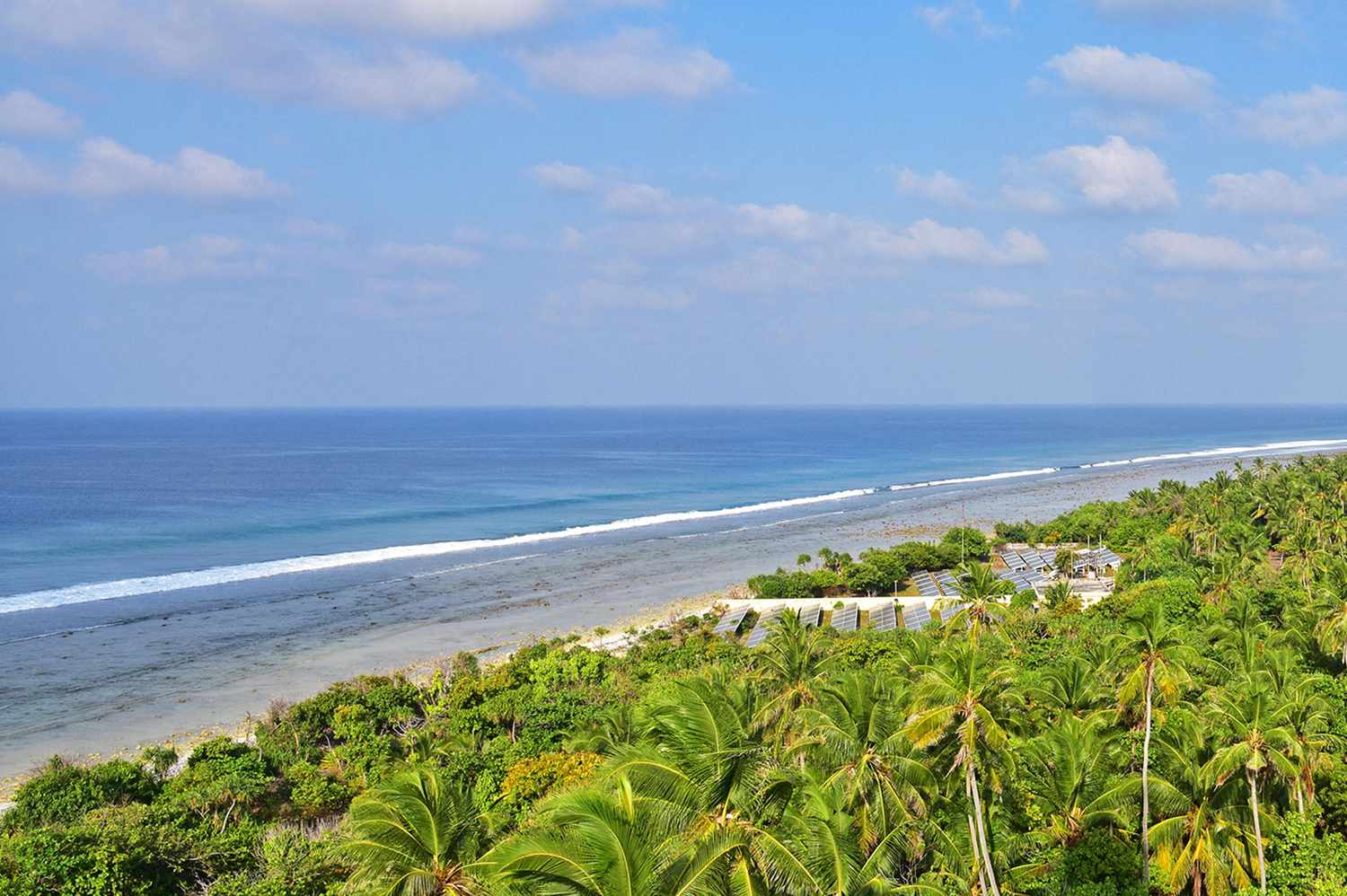
This designation is more stringent than a reserve; it implies a level of darkness and isolation that is increasingly rare. Since the island is off-the-grid, relying on solar power and batteries rather than a centralized electrical grid, there are no streetlights to speak of. The Milky Way viewing New Zealand offers here is uniquely coastal. You can set up your gear on Medlands Beach and capture the galactic center rising over the crashing Pacific waves. The contrast between the deep blue of the ocean and the white-hot intensity of the star clusters is a visual storyteller's dream.
Stewart Island (Rakiura): The Bortle Class 1 Experience
At the very bottom of the world lies Stewart Island, known to the Māori as Rakiura, which translates to "Glowing Skies." It is a fitting name for a place that offers a Bortle scale Class 1 rating—the highest possible level of darkness. When you are visiting Stewart Island Rakiura for dark sky viewing, you aren't just looking at stars; you are looking back in time.
Because it is so far south, this is arguably the premier spot for Aurora Australis New Zealand viewing. The Southern Lights here are more frequent and vivid than anywhere else in the country. During a solar peak, the horizon can ignite with pulses of green, pink, and violet. For a photographer, the challenge here is balancing the exposure for the aurora without blowing out the highlights of the stars. The Southern Cross constellation sits high in the sky, serving as a permanent anchor for your compositions.
New Frontiers (2025): Tāhuna Glenorchy and Naseby
The map of dark sky spots is constantly expanding. As of early 2025, New Zealand has seen the designation of Tāhuna Glenorchy as a Dark Sky Sanctuary. Located at the head of Lake Wakatipu, Glenorchy is already famous for its cinematic landscapes (think Lord of the Rings), but its new status as a sanctuary protects its night sky for future generations.
One of the most exciting aspects of Glenorchy is its positioning for the 2028 total solar eclipse. It is already becoming a hub for astrotourism and research. Similarly, the small town of Naseby in Central Otago has recently been recognized as a Dark Sky Community. These new frontiers offer night sky photography locations in the South Island that are less crowded than Lake Tekapo, giving you the freedom to explore light-painting techniques or long-exposure star trails without interruption from other tourists' headlamps.
Chasing Aurora Australis: Southern Lights Viewing
Seeing the Southern Lights is often a matter of timing and geomagnetism. Unlike the Northern Lights, which are often depicted as dancing curtains, the Aurora Australis from New Zealand often appears as a glow on the southern horizon. However, during high geomagnetic activity, the colors can climb high into the zenith.
To find the best spots to see Aurora Australis in New Zealand, look for coastal vantage points with an unobstructed view of the southern horizon. Birdlings Flat, just south of Christchurch, is a favorite among local aurora hunters. The lack of hills to the south means you can see the light right down to the sea level. Further south, the Catlins and the Invercargill coastline provide even better odds. I always keep an eye on the KP index—anything above a KP5 and you should be heading out with your camera.
Māori Celestial Navigation and Matariki
The stars in New Zealand carry profound cultural weight. Long before GPS, the Māori used Māori celestial navigation to traverse the vast Pacific Ocean, reading the stars like a map. This ancient wisdom is celebrated annually during Matariki, the rising of the Pleiades star cluster, which marks the Māori New Year.
Cultural Fact: Matariki usually rises in mid-winter (June or July). It is a time for remembering the past, celebrating the present, and looking forward to the future. For a photographer, capturing Matariki in the dawn sky is a spiritual experience that connects the modern lens with ancient tradition.
Understanding the stories behind the Southern Cross constellation and the Milky Way (known as Te Mangōroa, the long shark) adds a layer of depth to your visual storytelling. It’s not just about the technical specs; it’s about the human connection to the cosmos.
The North Island Alternative: Wairarapa Dark Sky Reserve
If your itinerary is limited to the North Island, the Wairarapa Dark Sky Reserve is your best bet. Located just an hour's drive from Wellington, it provides a stark contrast to the city's lights. The reserve covers the Martinborough, Featherston, and Greytown areas, blending world-class wine culture with stargazing.
When comparing Wairarapa Dark Sky Reserve vs North Island stargazing spots, the Wairarapa wins on accessibility and infrastructure. You can spend the afternoon tasting Pinot Noir and the evening with a telescope at a boutique observatory. The light pollution mitigation efforts here have been monumental, involving the entire community in a commitment to preserve the rural darkness.
Night Sky Photography & Logistics
Photographing the night sky requires preparation and the right gear. Beyond your camera, the most important tool is a sturdy tripod. The wind in the Mackenzie Basin can be fierce, and even the slightest vibration will ruin a 20-second exposure. I always use a red-light torch to preserve my night vision—and that of fellow photographers.
The best time of year for New Zealand stargazing is during the winter months (June to August). The nights are longer, and the cold air is generally drier and clearer, reducing atmospheric distortion. Try to plan your trips during the new moon phase to maximize the visibility of the galactic center.
Photography Cheat Sheet
| Setting | Recommended Value | Why? |
|---|---|---|
| Lens | Wide-angle (14mm - 24mm) | Captures the vastness of the Milky Way. |
| Aperture | f/2.8 or wider | Allows maximum light into the sensor. |
| ISO | 3200 - 6400 | Balances sensitivity with noise control. |
| Shutter Speed | 15 - 25 seconds | Fast enough to avoid star trailing. |
| Focus | Manual (to Infinity) | Autofocus fails in the dark. |
If you want a truly immersive experience, I highly recommend staying at a PurePod. These are glass-roofed and glass-walled cabins located in remote areas. Falling asleep while looking directly up at the Magellanic Clouds is a memory that stays with you forever.
FAQ
Where is the best place to stargaze in New Zealand?
The Aoraki Mackenzie International Dark Sky Reserve is widely considered the premier location due to its Gold Tier status, high elevation, and the presence of professional observatories like Mt John. However, for sheer darkness, Stewart Island Rakiura and Aotea Great Barrier Island offer sanctuary-level conditions with virtually zero light pollution.
What is the best month for stargazing in NZ?
Winter (June through August) is the best time of year for New Zealand stargazing. The nights are at their longest, and the colder air is often crisper, providing better clarity for both visual observation and long-exposure photography. This period also coincides with the appearance of the Matariki star cluster.
Can you see the Milky Way in New Zealand?
Yes, New Zealand offers some of the best Milky Way viewing in the world, with 96% of the country providing clear views of the galactic center. In dark-sky regions like the Mackenzie Basin, the Milky Way is so bright it can cast a faint shadow on the ground on a moonless night.
Can you see the Aurora Australis from New Zealand?
Yes, the Aurora Australis (Southern Lights) is visible from New Zealand, particularly from the southern regions of the South Island. Locations like Stewart Island, the Catlins, and Lake Tekapo are excellent vantage points. You typically need a high level of geomagnetic activity (KP index 5+) to see vivid colors.
What is the International Dark Sky Reserve in New Zealand?
The primary International Dark Sky Reserve in New Zealand is the Aoraki Mackenzie International Dark Sky Reserve. Covering 4,367 square kilometers in the South Island, it was the first of its kind in the Southern Hemisphere and is protected by strict lighting ordinances to ensure the highest quality of darkness for astronomical research and tourism.