Quick Facts
- Mandatory Entry: All travelers must complete the Thailand Digital Arrival Card (TDAC) starting May 2025 for 2026 entries.
- Climate Rule: Tropical humidity averages 80% year-round; cotton and linen are non-negotiable for comfort.
- Power Limit: Civil Aviation Authority of Thailand (CAAT) strictly enforces a 20,000 mAh limit for power banks on domestic and international flights.
- Temple Code: Modest dress is legal and cultural mandatory; shoulders and knees must be covered for entry.
- Laundry Hack: High-quality local laundry services average $1-3 per kilogram, making it efficient to pack for only 7 days.
- UV Alert: The UV index in Thailand consistently averages between 11 and 12, which is categorized as extremely high.
Planning your 2026 adventure starts with a smart thailand packing list. Whether you're navigating Bangkok's humidity or trekking in Chiang Mai, ivory-tower advice often fails when faced with real-world tropical conditions. Knowing what to wear in thailand is the difference between comfort and heat exhaustion. This comprehensive thailand packing list for 2026 focuses on breathable cotton and linen clothes for thailand to combat tropical humidity, alongside modest attire that satisfies the thailand temple dress code for tourists. Essential gear includes a high-capacity power bank, mosquito repellent, and reef-safe sunscreen to protect marine life during island hopping across the Andaman and Gulf coasts.
1. Digital & Administrative Essentials (The 2026 Update)
As a critic who monitors policy shifts, I cannot emphasize enough that your 2026 preparation begins before you even touch a suitcase. The administrative landscape in Thailand has shifted toward digital integration. Following the rollout in May 2025, the Thailand Digital Arrival Card (TDAC) is now a mandatory prerequisite for all arrivals. This electronic system replaces the old TM6 paper forms and is linked directly to your passport and E-visa status.
Ensure your passport has at least 6 months of validity from your date of entry. I recommend keeping physical copies of your insurance policy and vaccination records in heavy-duty ziploc bags. While Thailand is increasingly digital, monsoons and humidity can wreak havoc on smartphones; having an analog backup of your 2026 travel requirements is a professional traveler’s failsafe. Be sure to check your E-visa status early, as seasonal backlogs can extend processing times beyond the standard 10-15 business days.
2. The Fabric Philosophy: Airflow Over Fashion
The single biggest mistake travelers make is choosing synthetic fibers or heavy denim. During my decades of reviewing Southeast Asian destinations, data shows that fabric weight directly correlates with traveler fatigue. In an environment where tropical humidity frequently hits 80%, your skin's ability to breathe is paramount. This is why breathable cotton and linen clothes for thailand are classified as essential rather than optional.
Fabric Performance Comparison
| Material | Weight Score | Drying Time (Est) | Breathability |
|---|---|---|---|
| Linen | Excellent | 3-4 Hours | Superior |
| Lightweight Cotton | Good | 5-6 Hours | High |
| Rayon / Bamboo | Moderate | 4-8 Hours | Medium |
| Premium Denim | Poor | 18-24 Hours | Low |
| Polyester (Standard) | Poor | 2-3 Hours | Very Low (Trap Heat) |
Linen is the gold standard for what to wear in thailand. It allows for maximum heat dissipation and dries significantly faster than cotton. Avoid polyester blends that claim to be moisture-wicking unless they are high-end technical gear designed for high output—generic synthetics often act as a plastic wrap, trapping sweat against the skin and leading to heat rashes.
3. Temple-Ready Attire: Modesty & Respect
When considering your thailand temple dress code, remember that sites like Wat Pho and the Grand Palace are active places of worship, not just tourist attractions. The thailand temple dress code for tourists is strictly enforced: both shoulders and knees must be covered. For men, this generally means long trousers or zip-off hiking pants. For women, long skirts or loose-fitting trousers are ideal.
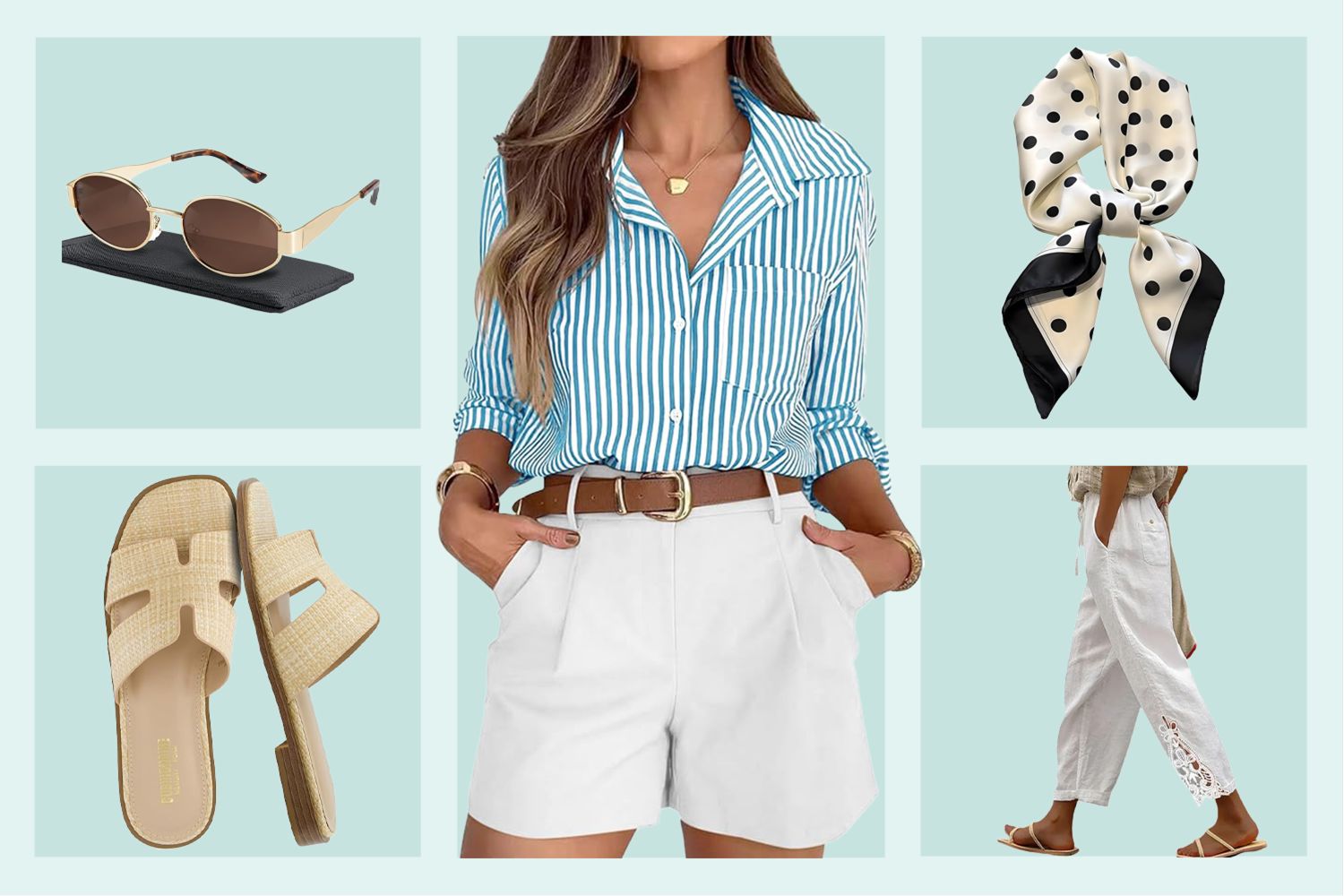
The famous elephant pants seen in markets are a popular, lightweight solution to the shoulder/knee coverage problem. However, for a more versatile approach, I recommend a high-quality linen sarong. A sarong can be wrapped around the waist for temple entry or used as a shoulder covering, then easily stowed in a daypack once you return to the city streets. This allows you to maintain city-appropriate what to wear in thailand cities and beaches without needing a full wardrobe change mid-day.
4. City & Urban Needs: Beating the Heat and AC
Bangkok is a city of extremes. You will oscillate between 35°C (95°F) pavement heat and 20°C (68F) mall air conditioning. Navigating this requires strategic layering. Using packing cubes is the most efficient way to organize these layers, allowing you to separate your "outdoor sweat" clothes from your "indoor dining" attire.
For city exploration, a secure, cross-body bag is essential for navigating crowded night markets. Look for bags with RFID protection and reinforced straps. Humidity management in the city isn't just about what you wear; it’s about how you recover. Keeping a small towel or cooling neck tie in your bag can provide immediate relief during long walks through Sukhumvit or Old Town.
5. Jungle Trekking Hardware: Northern Terrain Gear
If your itinerary includes Chiang Mai or the Pai valley, your thailand packing list needs to shift toward durability. Jungle environments introduce two main challenges: insects and moisture. Dengue fever is a real risk in Thailand, and daytime protection is critical. Mosquito repellent with natural oils or DEET is mandatory, especially for jungle trekking.
In these regions, moisture-wicking fabrics become more important than linen. When you are climbing steep terrain, you need technical gear that pulls sweat away from the body. I also suggest a microfiber travel towel for remote stays or after a rain shower. It takes up a fraction of the space of a standard towel and dries in a tenth of the time. To combat dehydration on the trail, always carry electrolyte powders. They are Lightweight and can be mixed with bottled water to replace minerals lost through heavy perspiration.
6. Beach and Island Gear: Eco-Conscious Protection
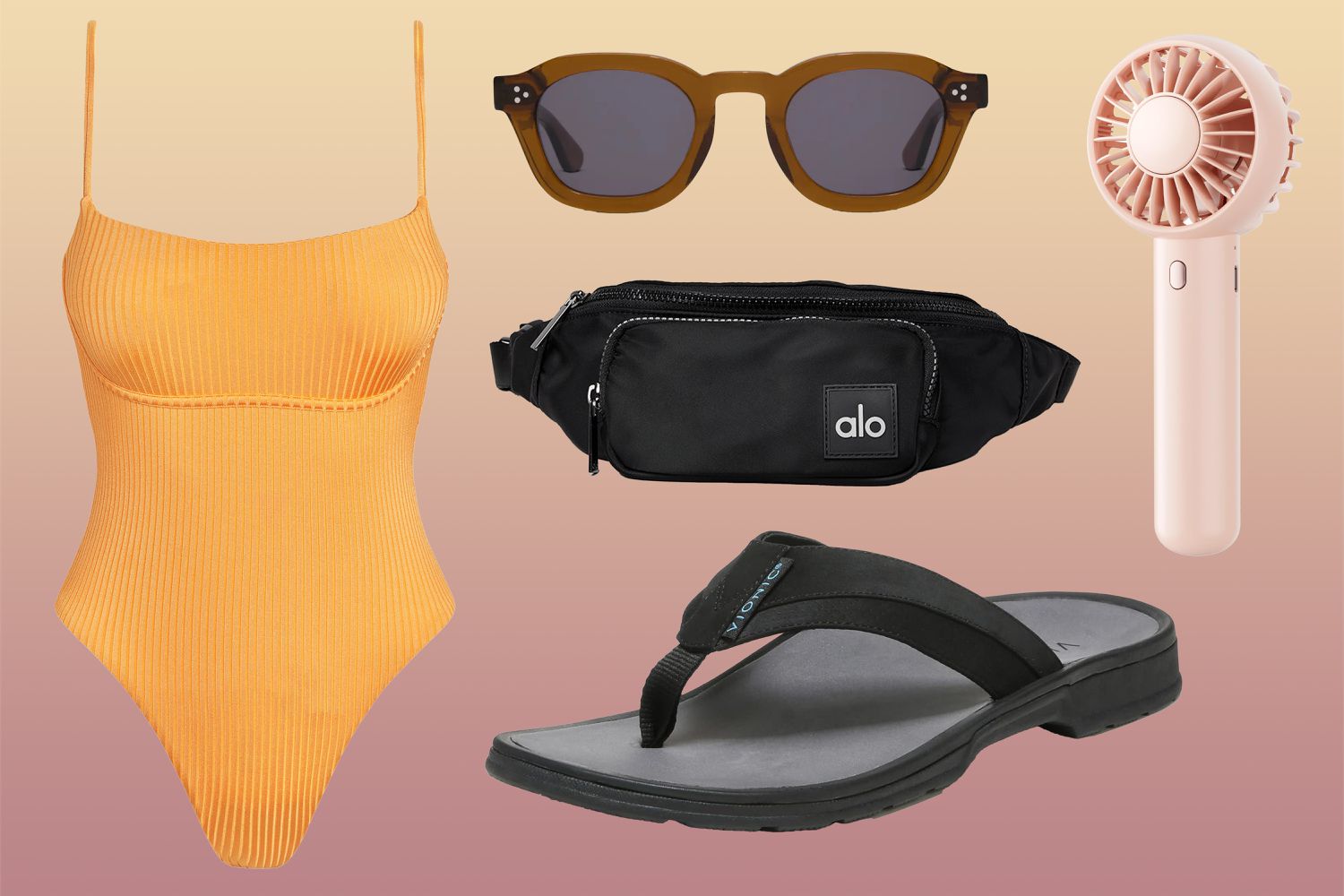
The Southern islands are the jewel of Thai tourism, but they are also fragile ecosystems. Since 2021, Thailand has banned sunscreens containing chemicals that damage coral reefs. It is vital to pack reef safe sunscreen and beach gear for thailand. Look for mineral-based protection using zinc oxide or titanium dioxide.
When traveling between islands, the backpack vs suitcase for island hopping in thailand debate is usually won by the backpack. Many ferries arrive at floating piers or require you to wade through shallow water to reach the shore. A 40-50 liter backpack is significantly easier to manage than a hardshell suitcase in these conditions. To protect your electronics during longtail boat rides, a 10-liter dry bag is indispensable. It will keep your camera, phone, and power bank safe from salt spray and sudden downpours.
7. Rain Gear: Monsoon Season Survival
The thailand rainy season packing strategy depends on when and where you travel. The Andaman coast (Phuket/Krabi) sees peak rain from May to October, while the Gulf coast (Koh Samui/Koh Phangan) peaks from October to December. UMbrellas are often useless against the driving wind of a monsoon; a lightweight, packable rain poncho is a far more effective tool for thailand rainy season packing essentials.
For the thailand rainy season packing, moisture management extends to your gear. Utilize ziploc bags for all sensitive electronics and travel documents. If you are planning on monsoon trekking, choose footwear with high traction, as jungle trails become dangerously slick. Quick-drying materials are your best friend here—natural fibers like cotton should be avoided during the peak rains as they will stay damp for days.
8. Health & Personal Care Kit
The medical infrastructure in major Thai cities is world-class, but remote islands and rural northern areas require more self-sufficiency. Your essential toiletries for thailand travel health should include an anti-chafe balm. The combination of heat, sweat, and walking creates the perfect environment for skin irritation, a common oversight for first-time visitors.
While most medications can be purchased at local pharmacies (Boots and Watsons are ubiquitous), you should bring a starter supply of anti-diarrheals and rehydration salts. If you take prescription medication, ensure it is in the original packaging with a copy of the prescription, as customs regulations can be strict on specific controlled substances.
9. Footwear: The 'Two-Shoe' Rule
Footwear is where most travelers over-pack. For Thailand, you really only need two pairs. The first should be slip-on shoes or high-quality sandals. Because you must remove your shoes before entering homes, many shops, and every temple, laces are a major inconvenience.
The second pair should be the best shoes for walking and hiking in thailand. If you are sticking to cities and beaches, a pair of breathable sneakers or specialized walking sandals (like Tevas or Chacos) is sufficient. If you are doing serious northern trekking, lightweight hiking shoes with good drainage are better than heavy leather boots, which will never dry once they get wet.
10. Electronics & Connectivity Specs
Thailand largely uses Plug Types A, B, and C (two flat pins or two round pins). A universal power adapter is a wise investment to ensure compatibility across older guesthouses and modern hotels. For mobile data, an eSim is the most convenient 2026 option, though local SIM cards from AIS or TrueMove remain the most cost-effective for long stays.
Regarding power, the 20,000 mAh limit for power banks is a critical safety rule. Power banks between 20,000 and 32,000 mAh are sometimes allowed but must be declared and are limited to two per person. Anything over 32,000 mAh is strictly prohibited on flights. Ensure the capacity label is clearly visible on your device, or airport security may confiscate it.
FAQ
What are the essential items for a Thailand packing list?
Essential items include breathable cotton and linen clothes for thailand, a high-quality universal power adapter, a 10L dry bag for island trips, reef-safe sunscreen, and a versatile sarong for temple visits.
What is the dress code for visiting temples in Thailand?
The thailand temple dress code requires both men and women to cover their shoulders and knees. Sleeveless tops, shorts, and miniskirts are prohibited. Footwear must be removed before entering the inner sanctuary of the temple.
Do I need to pack a rain jacket for Thailand?
A heavy rain jacket is usually too hot for the tropical climate. A lightweight, packable rain poncho is much more practical for the thailand rainy season packing as it provides better airflow while keeping you dry during sudden monsoon showers.
What medications should I bring to Thailand?
You should bring a kit of essential toiletries for thailand travel health including anti-diarrheal medication, electrolyte powders, anti-chafe balm, and any personal prescriptions in their original bottles with a doctor's note.
Can I buy clothes and toiletries easily in Thailand?
Yes, Thailand has excellent shopping. You can find everything from high-end brands in Bangkok malls to affordable "elephant pants" in local markets. Pharmacies like Boots and Watsons are common in cities and offer most global toiletry brands.
What should I wear in Thailand to respect local culture?
To respect local culture, avoid overly revealing clothing in inland towns and religious sites. While beachwear is fine on the islands, dressing modestly in cities and using a sarong to cover up when leaving the beach shows respect for Thai social norms.