Quick Facts
- Top Urban Experience: Dublin and the Guinness Storehouse, which recorded over 1.5 million visitors in 2023.
- Scale Comparison: The Slieve League cliffs reach nearly 2,000 feet, roughly tripling the height of the more famous Cliffs of Moher (702 feet).
- Visitor Trends: According to Fáilte Ireland, international visitors accounted for 57% of all attendance at major attractions in 2023.
- Logistics Tip: 7 to 10 days is the sweet spot for a comprehensive road trip, though 14 days allows for a slower pace in remote regions like Donegal.
- Budget Benchmark: Plan for approximately €270 per day in 2026 to cover quality mid-range accommodation, car rental, and dining.
- Nature Timing: For the best chance to see bioluminescence in coastal bays, visit in August or September.
Start your 2026 journey to the Emerald Isle with our guide to the 20 best places to visit in Ireland. Whether you seek the rugged coastline of the Wild Atlantic Way or the history of medieval ruins, these top Ireland sightseeing attractions are essential for any itinerary. The best places to visit in Ireland for 2026 include a mix of legendary icons like the Cliffs of Moher and the Ring of Kerry, alongside hidden gems like the Inishowen Peninsula and the Slieve League cliffs. Key top Ireland sightseeing attractions also feature Dublin's historic pubs and the medieval ruins of the Rock of Cashel.
Cluster 1: Dublin and the Ancient East (History & Castles)
Every Irish odyssey should ideally begin in Dublin. While it is a modern European capital, the city breathes history through its Viking foundations and Georgian brickwork. In 2023, the Guinness Storehouse was recognized as the World's Leading Tourist Attraction, but for a deeper dive, one should visit the Long Room at Trinity College. Beyond the capital, the Ancient East serves as a repository for Ireland's most impressive medieval castles in Ireland to tour.
The landscape here is defined by fertile glacial valleys and Norman architecture. You can walk the ramparts of Trim Castle—the largest Anglo-Norman fortification in the country—or explore the monastic silence of Glendalough. This region is less about the drama of the ocean and more about the weight of human history, where every harbor towns church tower has a century-old story.
1. Dublin City & Guinness Storehouse The capital feels like a village that grew into a metropolis. Start with a "Vibe Check" at a Hardware Store Pub, where ironmongery sits alongside the taps.
- Must-Stay: The Shelbourne for timeless luxury.
- Must-Eat: L. Mulligan. Grocer for modern Irish gastropub fare.
2. Trinity College & The Book of Kells The Old Library is a cathedral for bibliophiles. Be sure to book the "Old Library Experience" early to see the preservation work in progress.
- Must-Stay: The Westin Dublin.
- Must-Eat: The Pig’s Ear for overlooking the college grounds.
3. Trim Castle (County Meath) A massive stone sentinel that famously starred in Braveheart. Its sheer scale offers a visceral look at Norman power.
- Must-Stay: Trim Castle Hotel.
- Must-Eat: Stockhouse Restaurant for prime Irish steaks.
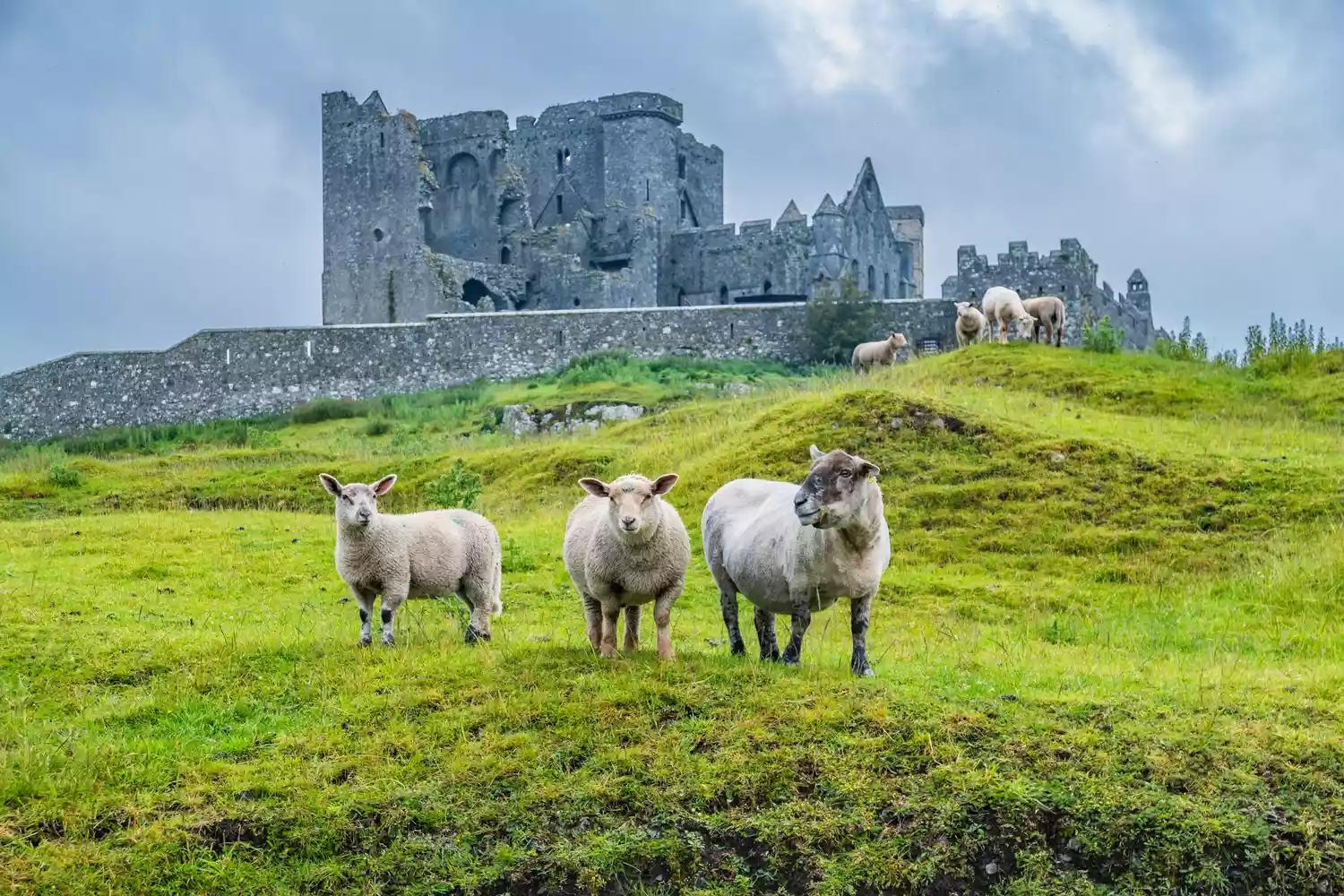
4. The Rock of Cashel (County Tipperary) Rising from the Golden Vale, this collection of medieval ruins was the traditional seat of the Kings of Munster. The stone carvings inside Cormac’s Chapel are hauntingly beautiful.
- Must-Stay: Cashel Palace Hotel.
- Must-Eat: Mikey Ryan’s Cashel.
5. Glendalough (County Wicklow) The "Valley of the Two Lakes" combines early Christian history with some of the most beautiful places in Ireland for hiking. The 6th-century round tower remains one of the best-preserved in the country.
- Must-Stay: Glendalough Hotel.
- Must-Eat: The Wicklow Heather in nearby Laragh.
6. Kilkenny City Known as the Marble City due to its dark limestone, Kilkenny offers a dense concentration of history and heritage, from its castle to the medieval mile.
- Must-Stay: Butler House.
- Must-Eat: Campagne for Michelin-starred French-Irish fusion.
Cluster 2: The Wild Atlantic Way - West Coast Icons
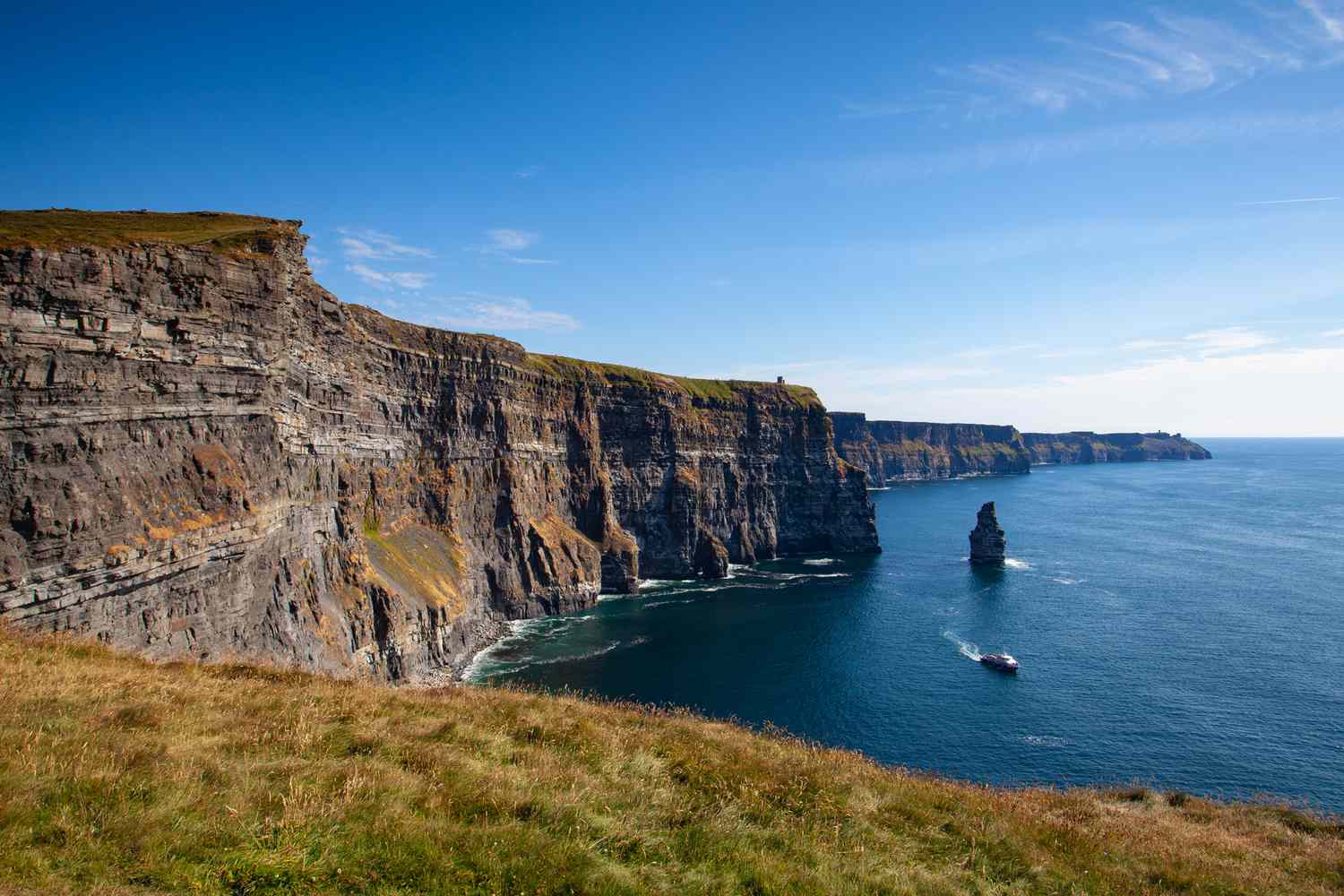
The Wild Atlantic Way is more than just a driving route; it is the soul of Ireland's Atlantic identity. Stretching 2,500km, it offers a rugged coastline that has been hammered by the sea for millennia. Here, the landscape transitions from the limestone karst of the Burren to the towering verticality of the Cliffs of Moher, which attracted 1.3 million visitors in 2023.
Photography enthusiasts often argue that this is the best coastal cliffs in Ireland for photography region, particularly during the "blue hour" when the thatch-roofed cottages of coastal villages glow against the darkening sea. Cultural immersion is equally potent here, especially in top villages in Ireland for traditional music like Doolin.
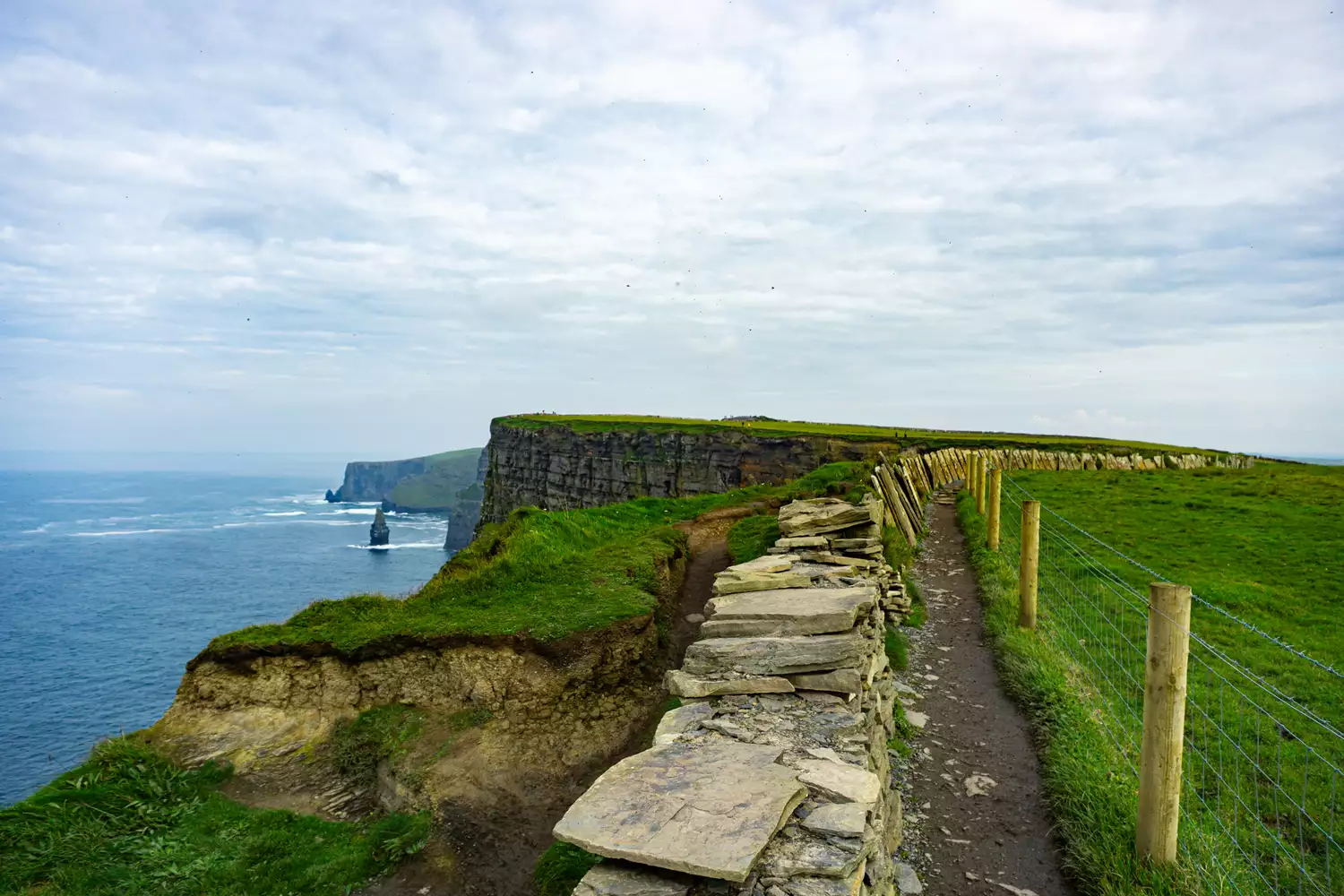
7. The Cliffs of Moher (County Clare) Stretching for 8km, these cliffs are the visual definition of the Irish coast. For 2026, we recommend visiting during the "late opening" hours to avoid the peak tour-bus rush between 11:00 AM and 3:00 PM.
- Must-Stay: Gregans Castle Hotel.
- Must-Eat: Vaughan's Anchor Inn for fresh seafood.
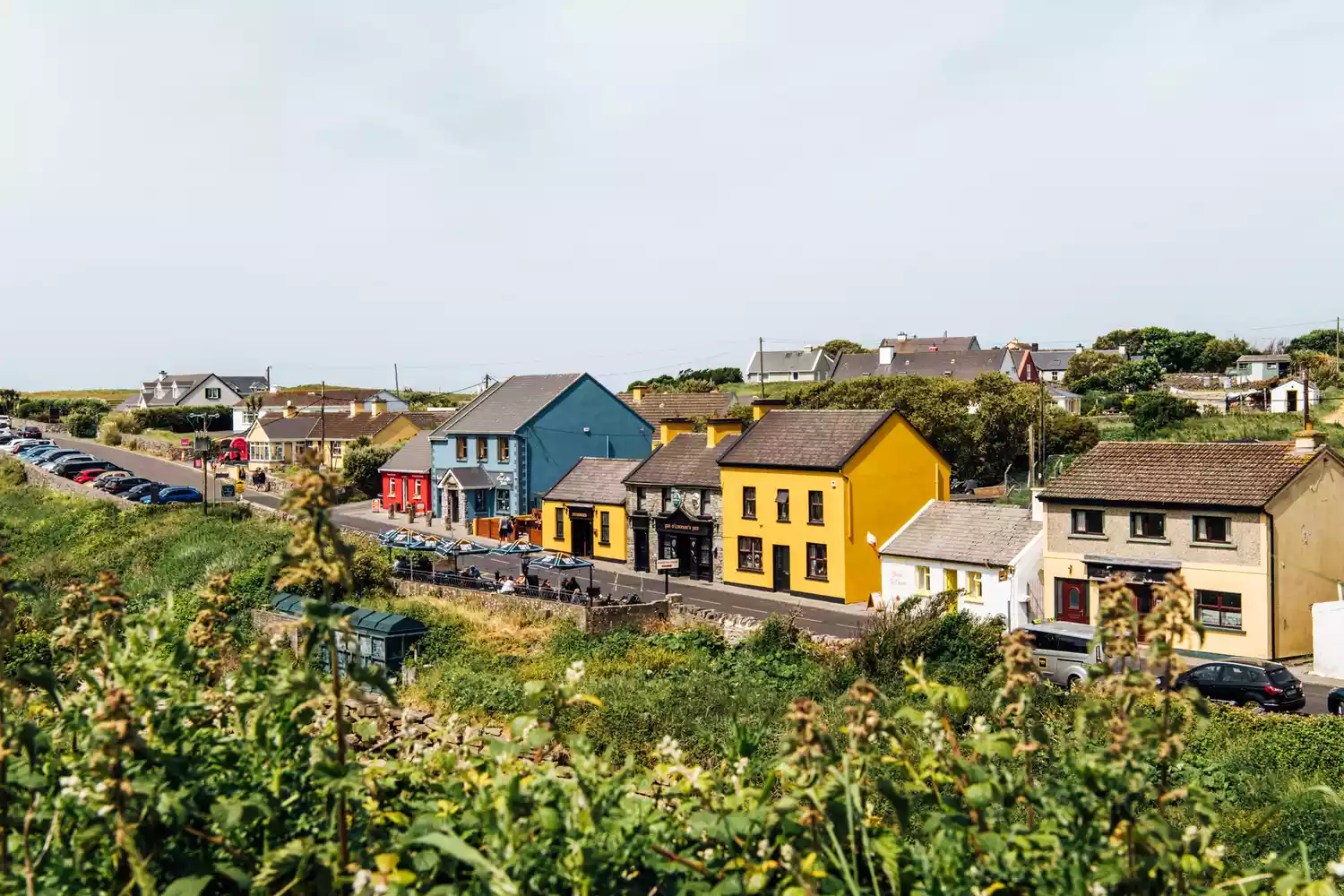
8. Doolin (County Clare) Doolin is the acoustic heart of the west. The sound of fiddles and tin whistles spills out of pubs like Gus O'Connor’s every night.
- Must-Stay: Doolin House.
- Must-Eat: Anthony’s at Doolin Inn.
9. Galway City Galway is Ireland's "Festival City." The Latin Quarter is a maze of cobblestones and brightly colored shopfronts that host a year-round street party.
- Must-Stay: The Hardiman.
- Must-Eat: Ard Bia at Nimmos.
10. Dingle Peninsula (County Kerry) The Dingle Peninsula offers a more intimate version of the Wild Atlantic Way. The Slea Head Drive is a masterclass in hairpin turns and panoramic vistas.
- Must-Stay: Castlewood House.
- Must-Eat: Out of the Blue for "catch of the day" dining.
11. The Ring of Kerry This 179km circular route is a classic for a reason. It captures the quintessential Emerald Isle aesthetic: misty mountains, turquoise bays, and historical ruins.
- Must-Stay: Park Hotel Kenmare.
- Must-Eat: No. 35 Kenmare for locally sourced pork.
| Feature | Cliffs of Moher | Slieve League |
|---|---|---|
| Max Height | 702 feet | 1,972 feet |
| Popularity | High (1.3M+ visitors) | Low (A hidden gem) |
| Accessibility | Fully paved, visitor center | Steep hiking trails |
| Atmosphere | Iconic, lively | Wild, isolated |
Cluster 3: Remote Coastal Gems and Island Logistics
For those who have already ticked off the major sites, or for those seeking hidden gem destinations in Ireland to avoid crowds, the fringe of the Atlantic offers sanctuary. The logistics for visiting Skellig Michael and Aran Islands require some planning—boats are weather-dependent and book out months in advance—but the payoff is a feeling of standing at the edge of the known world.
In these far-flung corners, the sharp tang of Atlantic sea spray is constant. Whether you are navigating the Inishowen Peninsula or watching the light shift on the Copper Coast, these sites represent the rawest version of Irish nature, deeply rooted in Celtic mythology.
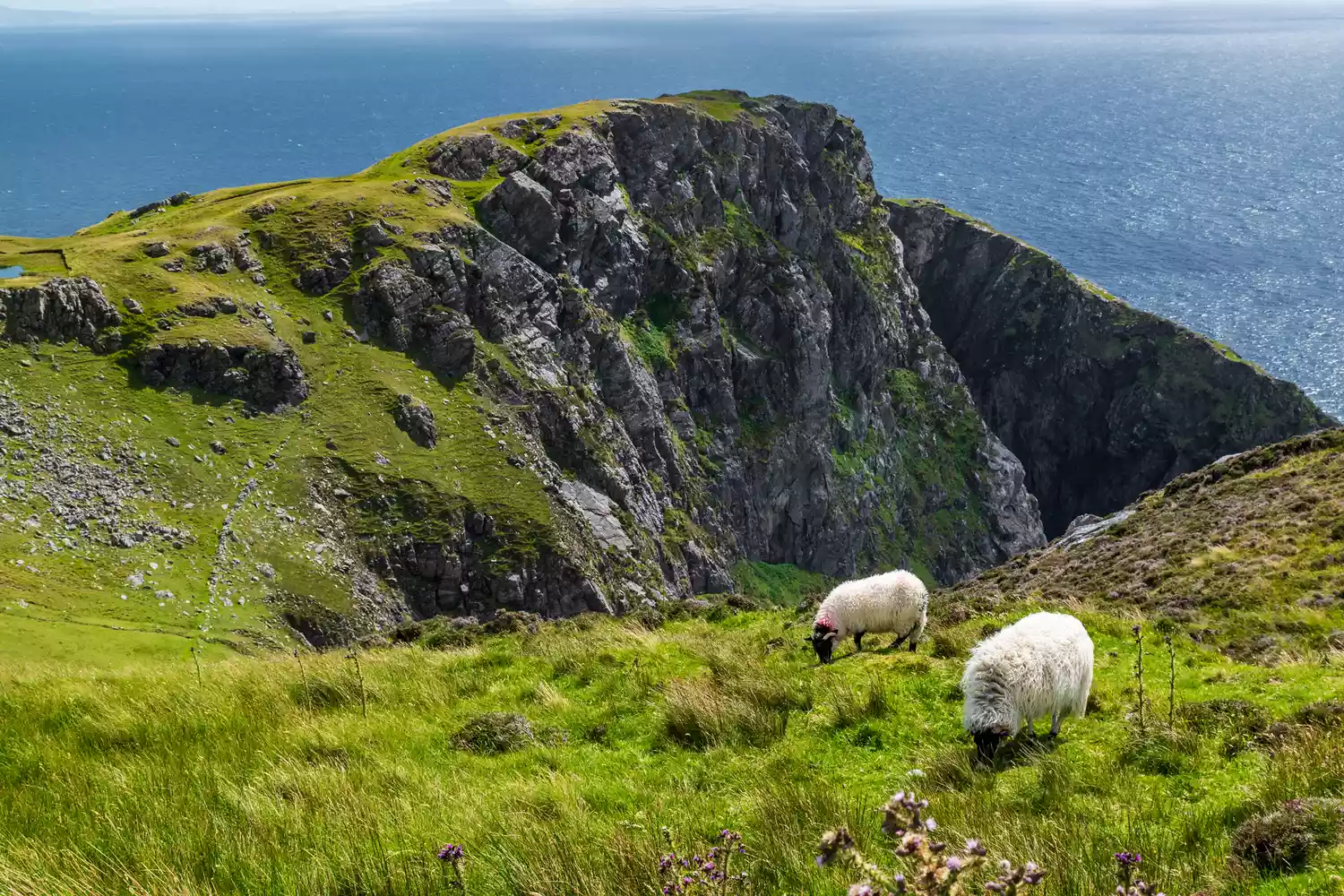
12. Slieve League (County Donegal) Twice the height of the Empire State Building, these cliffs are soaring, prehistoric, and remarkably quiet compared to their southern counterparts. It is a haven for those who want the view without the selfie sticks.
- Must-Stay: Harvey’s Point on Lough Eske.
- Must-Eat: The Rusty Mackerel.
13. Skellig Michael (County Kerry) This UNESCO World Heritage site is home to a 6th-century monastery perched 600 steps above the waves. It rose to global fame through Star Wars, but its spiritual resonance far outlasts any film credit.
- Must-Stay: The Moorings in Portmagee.
- Must-Eat: Fisherman’s Bar for pre-boat trip chowder.
14. The Aran Islands (County Galway) Inis Mór, Inis Meáin, and Inis Oírr are bastions of the Irish language. Rent a bicycle to visit Dún Aonghasa, a prehistoric hillfort on the edge of a 300-foot drop.
- Must-Stay: Inis Meáin Restaurant & Suites.
- Must-Eat: Teach Nan Phaidi for traditional Guinness stew.
15. Inishowen Peninsula (County Donegal) This is Ireland's northernmost point. It is remote, wind-scoured, and breathtakingly beautiful, offering a glimpse of Ireland before the tourism boom.
- Must-Stay: Ballyliffin Lodge.
- Must-Eat: Nancy’s Barn for award-winning seafood chowder.
16. The Copper Coast (County Waterford) A UNESCO Global Geopark, this stretch of coastline is named for the 19th-century copper mines. It offers secluded coves and sea stacks that feel completely undiscovered.
- Must-Stay: The Cliff House Hotel (Ardmone).
- Must-Eat: House Restaurant for 5-star seaside dining.
Cluster 4: Ireland's Mountains and National Parks
While the coast gets most of the glory, the interior of the island is carved into spectacular glacial valleys and mountain ranges. These areas offer the best top Ireland sightseeing attractions for those who prefer boots on the ground over hands on a steering wheel. From the "lunar" landscape of the Burren to the peaks of the MacGillycuddy's Reeks, the hiking here provides constant panoramic vistas.
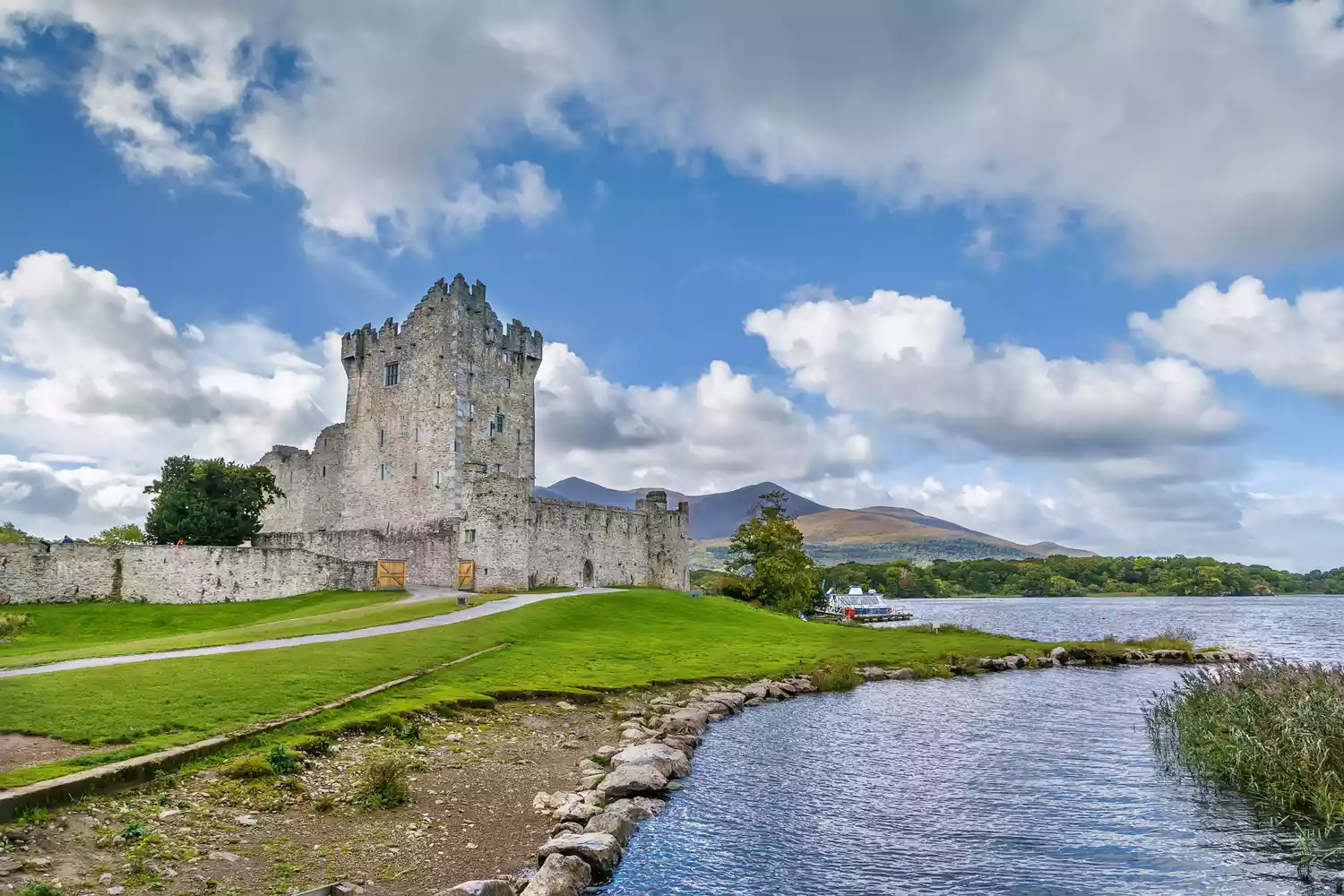
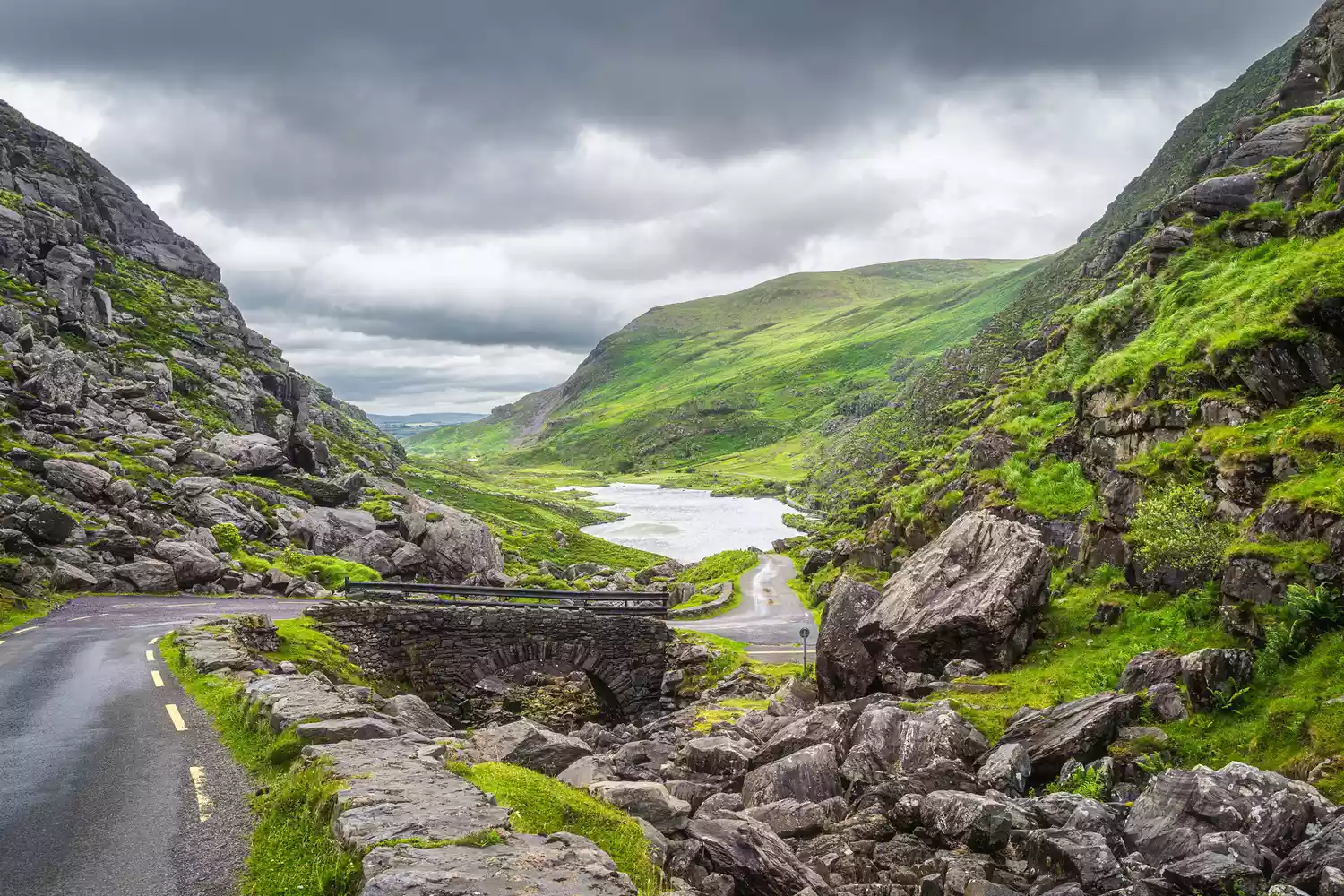
17. Killarney National Park (County Kerry) Ireland's first national park is a tapestry of lakes and ancient oak forests. You can explore it via a "jaunting car" (horse-drawn carriage) or by hiking the Gap of Dunloe.
- Must-Stay: Muckross Park Hotel.
- Must-Eat: The Boathouse Bistro.
18. Connemara National Park (County Galway) Connemara is a place of wild, boggy beauty and the iconic Twelve Bens mountain range. The climb up Diamond Hill offers views that stretch across the Atlantic to the islands.
- Must-Stay: Ballynahinch Castle Hotel.
- Must-Eat: Kylemore Abbey Restaurant.
19. The Burren (County Clare) Often described as walking on the moon, this karst limestone plateau is home to 70% of Ireland's wildflower species. It is a surreal, silver-grey landscape that defies expectation.
- Must-Stay: The Wild Honey Inn.
- Must-Eat: Burren Smokehouse for traditional smoked salmon.
20. Wild Nephin National Park (County Mayo) Home to Ireland's first International Dark Sky Park, this is the place to see the Milky Way with the naked eye. It is 15,000 hectares of Atlantic blanket bog and mountainous terrain.
- Must-Stay: Mount Falcon Estate.
- Must-Eat: Nevins Newfield Inn.
Essential Planning: Your 2026 Ireland Road Trip Itinerary
When planning a 2026 Ireland road trip itinerary, the most common mistake is over-scheduling. Irish roads, particularly on the Wild Atlantic Way, are narrow, winding, and often shared with local livestock. A 100km drive that takes an hour on a motorway can easily take three hours here.
Standard 10-Day Framework:
- Days 1-2: Dublin and the Wicklow Mountains.
- Days 3-4: Kilkenny and the Rock of Cashel, moving toward Killarney.
- Days 5-7: The Ring of Kerry and the Dingle Peninsula.
- Days 8-9: Cliffs of Moher and Galway City.
- Day 10: Return to Dublin or fly home from Shannon.
For those who prefer a car-free experience, the Royal Canal Greenway offers 165km of walking and cycling trails from Dublin westward. Always keep Ireland travel itinerary tips in mind: book your car rental at least six months in advance for 2026, as demand continues to outstrip supply during the peak summer months.
FAQ
What is the best month to travel to Ireland?
May and September are generally considered the best months. You avoid the peak crowds of July and August while benefiting from longer daylight hours and generally drier weather compared to the winter months.
Is 7 days enough for a trip to Ireland?
Seven days is enough to see a specific region, such as the Southwest (Kerry and Clare) or the East Coast (Dublin and Kilkenny). However, trying to cover the entire island in a week will result in spending most of your time in a car rather than experiencing the destinations.
What is the most beautiful part of Ireland to visit?
Beauty is subjective, but the Dingle Peninsula and the Donegal coastline (specifically the Slieve League area) are frequently cited for their jaw-dropping natural drama and authentic atmosphere.
Can you visit both the Republic of Ireland and Northern Ireland on the same trip?
Yes, there is no hard border for travelers between the Republic and Northern Ireland. If you are renting a car, just ensure your rental agreement allows for cross-border travel, as there may be a small insurance surcharge.
Is Ireland a safe country for solo travelers?
Ireland is consistently ranked as one of the safest countries in the world. Its people are famously hospitable, though solo travelers should still practice standard precautions, especially when hiking in remote mountainous areas or enjoying the nightlife in larger cities.
What are some hidden gems in Ireland away from the crowds?
The Beara Peninsula is a quieter alternative to the Ring of Kerry. For coastal solitude, head to the Mullet Peninsula in Mayo or the isolated beaches of County Donegal, where you can often walk for miles without seeing another soul.