Quick Facts
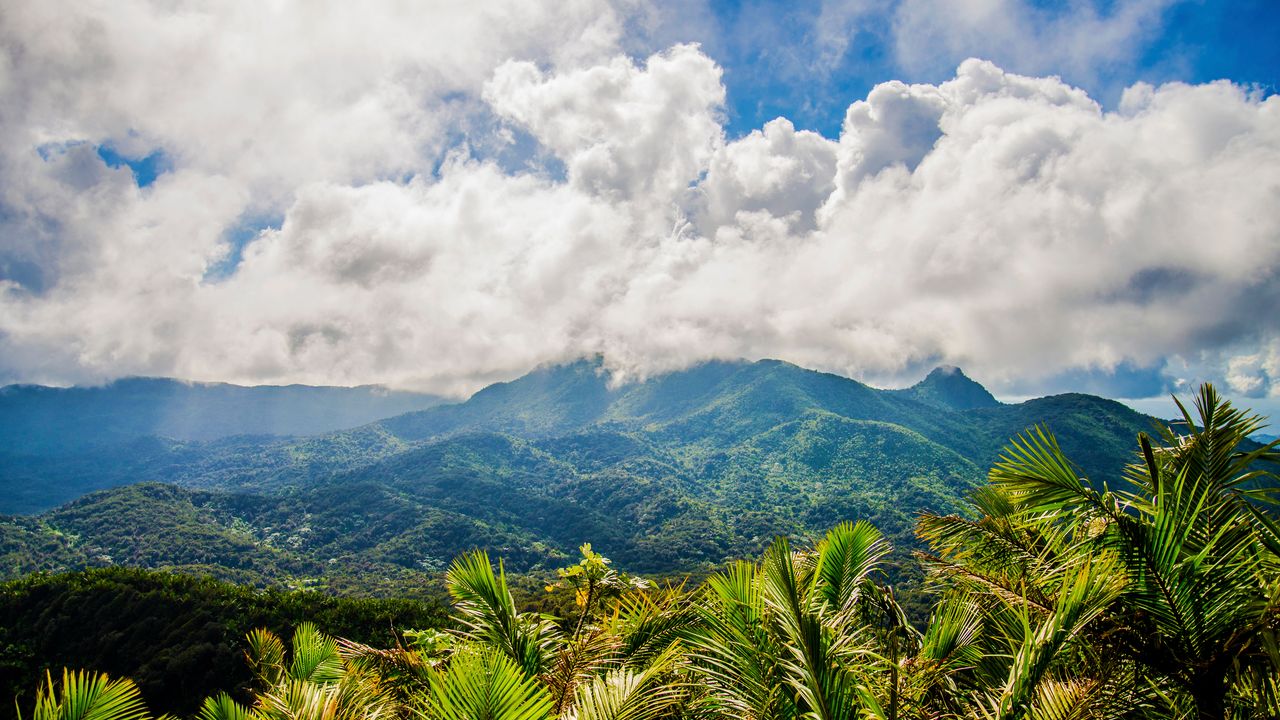
- Top Adventure: Hiking through the lush trails of El Yunque National Forest, the only tropical rainforest in the U.S. National Forest System.
- Best Night Activity: A guided kayak tour of Mosquito Bay in Vieques, officially the world’s brightest bioluminescent bay.
- Must-See History: Exploring the 16th-century historic masonry fortifications of Castillo San Felipe del Morro in Old San Juan.
- Best Food Stop: Experiencing a chinchorreo food tour along the coast or hitting the famous Luquillo Kioskos for authentic mofongo.
- Transport Tip: While Uber works well in the capital, a rental car is essential for unique things to do in Puerto Rico beyond San Juan.
- 2026 Travel Note: Ensure you have a Real ID for domestic flights (required starting May 2025) and book El Yunque vehicle reservations weeks in advance.
Puerto Rico activities range from exploring 16th-century Spanish colonial architecture to hiking through tropical biodiversity. Whether you seek unique things to do in Puerto Rico like glowing bio-bays or high-octane Puerto Rico outdoor adventures, this 2026 guide covers the best places to visit in Puerto Rico.
Exploring Old San Juan: A Walk Through History
Stepping into Old San Juan feels like a deliberate step back five centuries. The blue cobblestone streets, known as adoquines, echo with the whispers of Spanish explorers and Caribbean traders. The primary draw here remains the San Juan National Historic Site, a sprawling complex that anchors the city’s defense. In 2023, this site—which includes the iconic Castillo San Felipe del Morro and Castillo San Cristóbal—welcomed 1,314,819 visitors, contributing significantly to the island’s heritage tourism.
Castillo San Felipe del Morro, or El Morro, was built in 1539 to guard the entrance to the San Juan Bay. Walking along its historic masonry fortifications, you can feel the salt air and see the original sentry boxes, or garitas, that have become the symbol of the island. Just down the road, Castillo San Cristóbal offers a glimpse into how the city defended against land attacks. These sites are masterclasses in Spanish colonial architecture, featuring intricate ramps, dungeons, and spectacular views of the Atlantic.
Beyond the forts, the cultural soul of the city thrives in Santurce and the city’s many plazas. The Museo de Arte de Puerto Rico is one of the best places to visit in Puerto Rico to witness the evolution of the island’s visual identity, with galleries showcasing works from the 17th century to contemporary Afro-Puerto Rican culture. After a morning of gallery hopping, head to the colorful streets for authentic Puerto Rican food experiences in Old San Juan. You haven’t truly visited until you’ve sat down for traditional mofongo dishes—fried green plantains mashed with garlic and olive oil, often stuffed with fresh snapper or succulent shrimp.
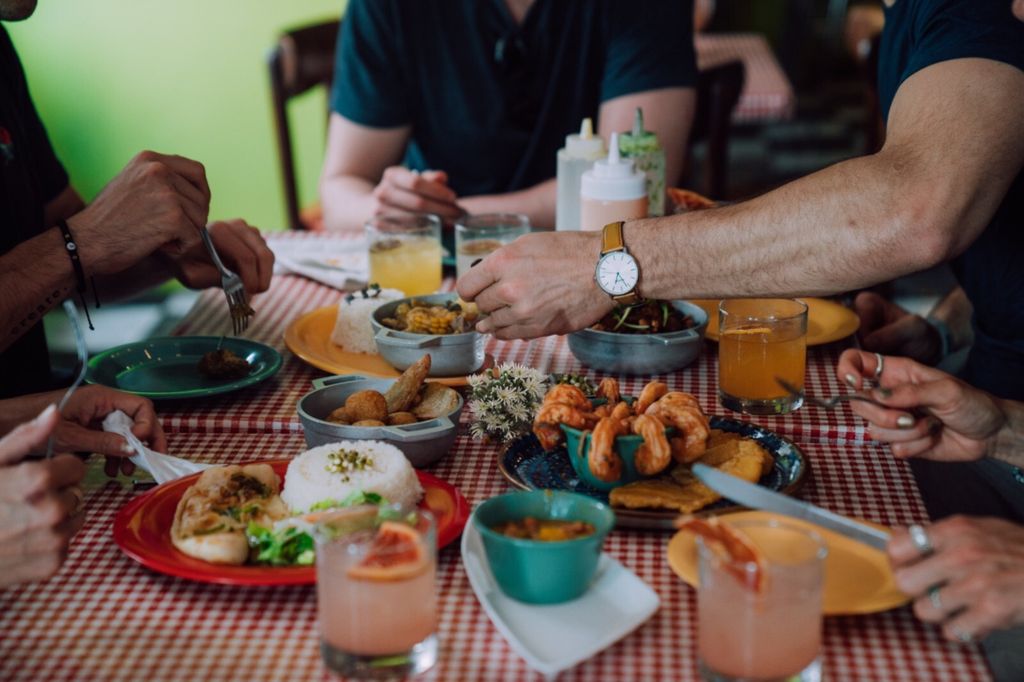
As the sun sets, the energy shifts toward La Placita de Santurce. By day, it’s a traditional market filled with local produce; by night, it transforms into a bustling hub for nightlife and local gastronomy. It is a quintessential experience for those seeking local immersion and live salsa music.
Nature & Adventure: El Yunque and Beyond
For those craving Puerto Rico outdoor adventures, El Yunque National Forest is the crown jewel. Located about 45 minutes east of San Juan, this emerald expanse is a haven of tropical biodiversity. The forest is home to 240 species of trees and the diminutive coquí frog, whose rhythmic "ko-kee" song provides the soundtrack for every hike. Day trips from San Juan to El Yunque rainforest often include stops at the La Coca Falls and the Yokahú Observation Tower, but the true magic lies in the muddy trails leading to the Juan Diego Falls or Mount Britton.
Pro-Tip: Vehicle Reservations Access to the main recreation area of El Yunque typically requires an advanced vehicle reservation through Recreation.gov. These slots often sell out weeks in advance, particularly during the peak winter months.
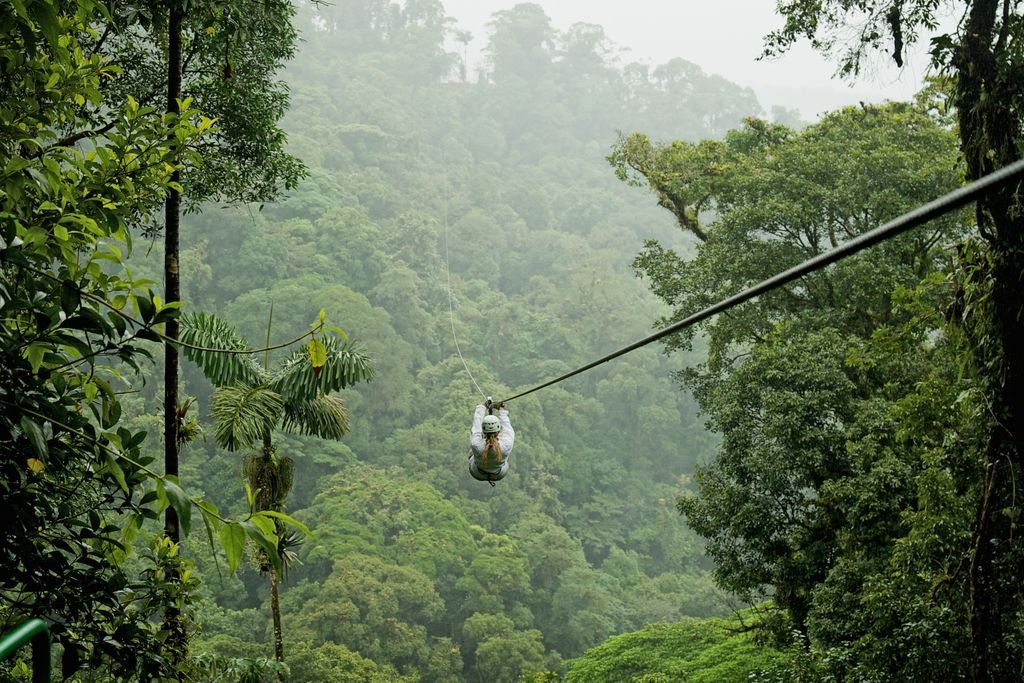
For adrenaline junkies, the pursuit of excitement leads to the central mountains. Toro Verde Eco Adventure Park in Orocovis is world-famous for its ziplines, including "The Monster," which spans 1.5 miles. It is a defining entry for Puerto Rico outdoor adventures for adrenaline junkies, though travelers should note weight limits (often up to 250lbs) and age requirements before booking.
If you prefer a subterranean world, the limestone cave systems of the north coast offer a different kind of thrill. Cueva Ventana (Window Cave) provides one of the most Instagrammed views on the island—a natural stone opening that frames the lush Río Grande de Arecibo valley.
What to Pack for El Yunque
- Sturdy Hiking Shoes: The trails can be extremely slippery and muddy.
- Rain Gear: It’s a rainforest; expect sudden, heavy tropical showers.
- Reusable Water Bottle: Stay hydrated while minimizing plastic waste in the forest.
- Insect Repellent: Essential for the humid, lower-elevation trails.
The Glowing Waters: Planning a Bio Bay Visit
Perhaps the most ethereal of all Puerto Rico activities is witnessing the bioluminescence. The island is one of the few places on Earth where you can experience this phenomenon in three distinct locations. This natural wonder is powered by millions of bioluminescent dinoflagellates—microscopic organisms that emit a blue-green flash when agitated by a paddle or a hand in the water.
Mosquito Bay on Vieques Island is the gold standard, recognized by Guinness World Records as the brightest bioluminescent bay on the planet. The water here contains 2.1 million dinoflagellates per gallon, creating a glow so intense it can be seen even through the hull of a clear-bottom kayak.
| Feature | Mosquito Bay (Vieques) | Laguna Grande (Fajardo) | La Parguera (Lajas) |
|---|---|---|---|
| Brightness | High (World Class) | Moderate | Low to Moderate |
| Accessibility | Best for overnight stays | Easiest from San Juan | 2.5 hours from San Juan |
| Experience | Kayaking | Kayaking through mangroves | Boat tours & Swimming |
| Cost | $$$ | $$ | $$ |
Planning a visit to bioluminescent bays in Puerto Rico requires careful timing. The moon cycle is your most important planning factor; a bright full moon will wash out the glow, making the experience far less impressive. Always aim for a "New Moon" period or nights with late moonrise.

Island Hopping: Vieques and Culebra
For travelers who want to escape the main island, visiting Vieques and Culebra for first timers is a rite of passage. These offshore islands offer a slower pace dominated by coastal mangrove forests and some of the world’s most pristine shorelines.
Culebra is home to Flamenco Beach, consistently ranked among the top beaches globally. Its crescent shape, white sand, and turquoise waters are perfect for a day of sunbathing. For those interested in marine life, Tamarindo Beach is one of the best places to visit in Puerto Rico for snorkeling, where sea turtles and rays are frequently spotted in the shallow seagrass.
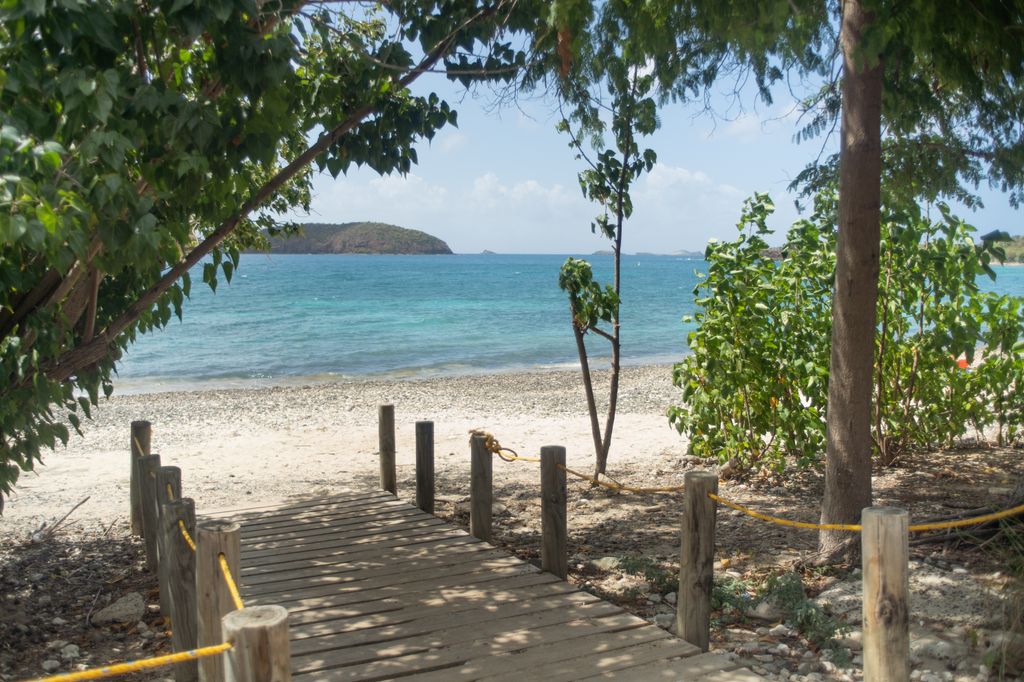
Vieques, meanwhile, offers a more rugged charm. Beyond the bio-bay, the island is famous for the Paso Fino wild horses that roam freely through the streets and along the beaches. Reaching these islands involves taking the Ceiba ferry—which requires early arrival and pre-booked tickets—or a short, scenic flight from San Juan or Isla Grande airport. Choosing the flight is often the better option for those on a tight schedule.
Cultural Immersion: Loíza and the West Coast
To truly understand the island beyond the tourist hubs, you must head west and south. In the town of Loíza, the heartbeat of Afro-Puerto Rican culture is palpable. This is the birthplace of Bomba, a traditional dance and music style that is a dialogue between the drummer and the dancer. Visiting Loíza offers a deep dive into the island’s African heritage, crafts made from coconut husks, and delicious coastal fritters like alcapurrias.
For those interested in the burgeoning agrotourism and farm to table tours in Puerto Rico, the central and northern regions are flourishing. Sites like Frutos del Guacabo in Manatí or farms in Juncos offer tours that showcase sustainable agrotourism, allowing visitors to taste goat cheese, edible flowers, and fresh honey directly from the source.
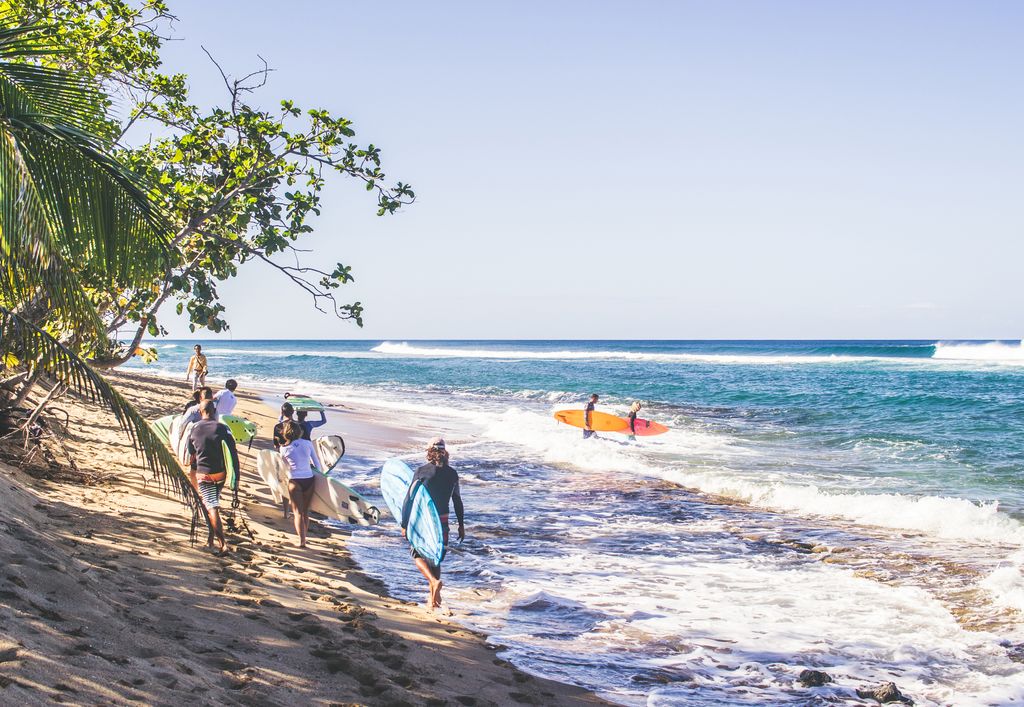
Finally, no trip is complete without visiting the West coast surfing capital of Rincón. Known for its world-class waves at beaches like Maria's and Domes, Rincón attracts a laid-back crowd of surfers and sunsets-seekers. It is a premier destination for unique things to do in Puerto Rico beyond San Juan. While in the southwest, the town of Boquerón offers calm, shallow waters that are a favorite for families.
Before you leave the west coast, indulge in the local tradition of chinchorreo food tours. This involves hopping from one roadside "chinchorro" (small bar/eatery) to another, sampling fried snacks and cold drinks while enjoying the scenic views of the Puerto Rican countryside.
FAQ
What are the most popular things to do in Puerto Rico?
The most sought-after experiences include exploring the historic forts of Old San Juan, hiking the trails of El Yunque National Forest, and taking a night tour of its world-famous bioluminescent bays. For beach lovers, Flamenco Beach in Culebra is the top priority for day trippers.
How many days are enough to see Puerto Rico?
Ideally, a 7 to 10-day trip allows you to balance the history of San Juan with the adventures of the east coast (El Yunque and Vieques) and the relaxed surf vibes of the west coast (Rincón). If you only have 4 or 5 days, it is better to stick to San Juan and the eastern corridor.
What activities are unique to Puerto Rico?
Puerto Rico is home to the only tropical rainforest in the U.S. National Forest System and Mosquito Bay, the brightest bioluminescent bay in the world. Additionally, the specific Afro-Puerto Rican Bomba dance traditions in Loíza and the unique historic masonry fortifications of Old San Juan offer cultural experiences you won't find anywhere else.
Do I need a car to access most attractions in Puerto Rico?
While San Juan is very walkable and has reliable ride-sharing services, a rental car is vital if you plan on exploring beyond the metro area. Attractions like El Yunque, the bio-bays, the cave systems, and the west coast beaches are much easier and more affordable to access with your own vehicle versus organized group transport.