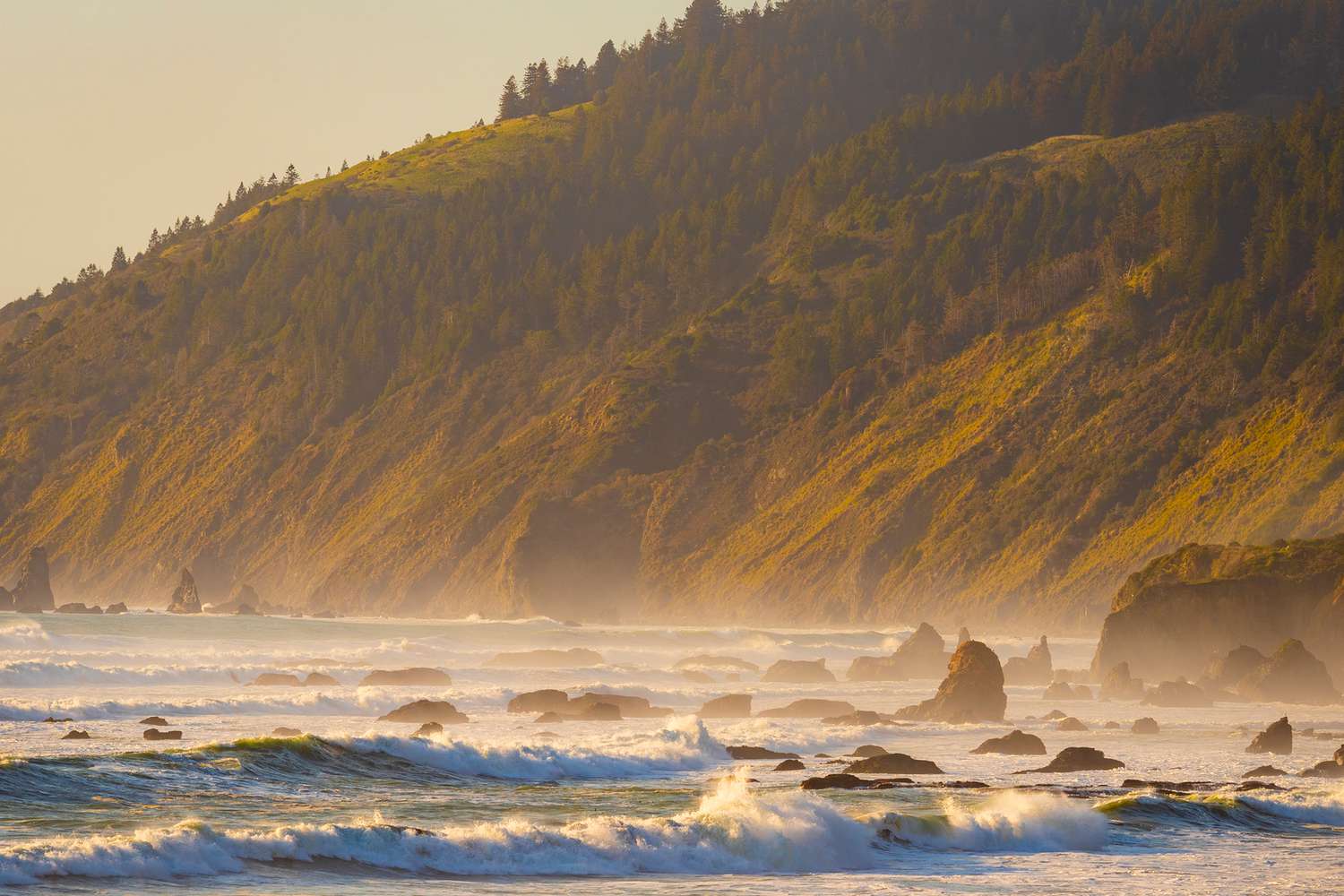
Quick Facts
- Distance from SF: 170 miles (approximately 3.5 hours)
- Top Attraction: Glass Beach featuring three distinct bays
- Best Photos: 3:00 PM – 5:00 PM (Golden Hour) for maximum sparkle
- Wildlife: Harbor seal pups visible from March through May
- Hidden Gem: Otis R. Johnson Wilderness Park for serene redwood groves
- Transport: A personal vehicle is essential for exploring the sprawling coastline
Fort Bragg California is a premier coastal destination famous for its unique sea glass beaches, the historic Skunk Train through redwood forests, and the fresh seafood of Noyo Harbor. It offers a quieter, more rugged alternative to southern coastal towns, providing a perfect blend of industrial history and natural splendor for families and nature lovers seeking an authentic Northern California experience.
The Road North: Planning Your Arrival
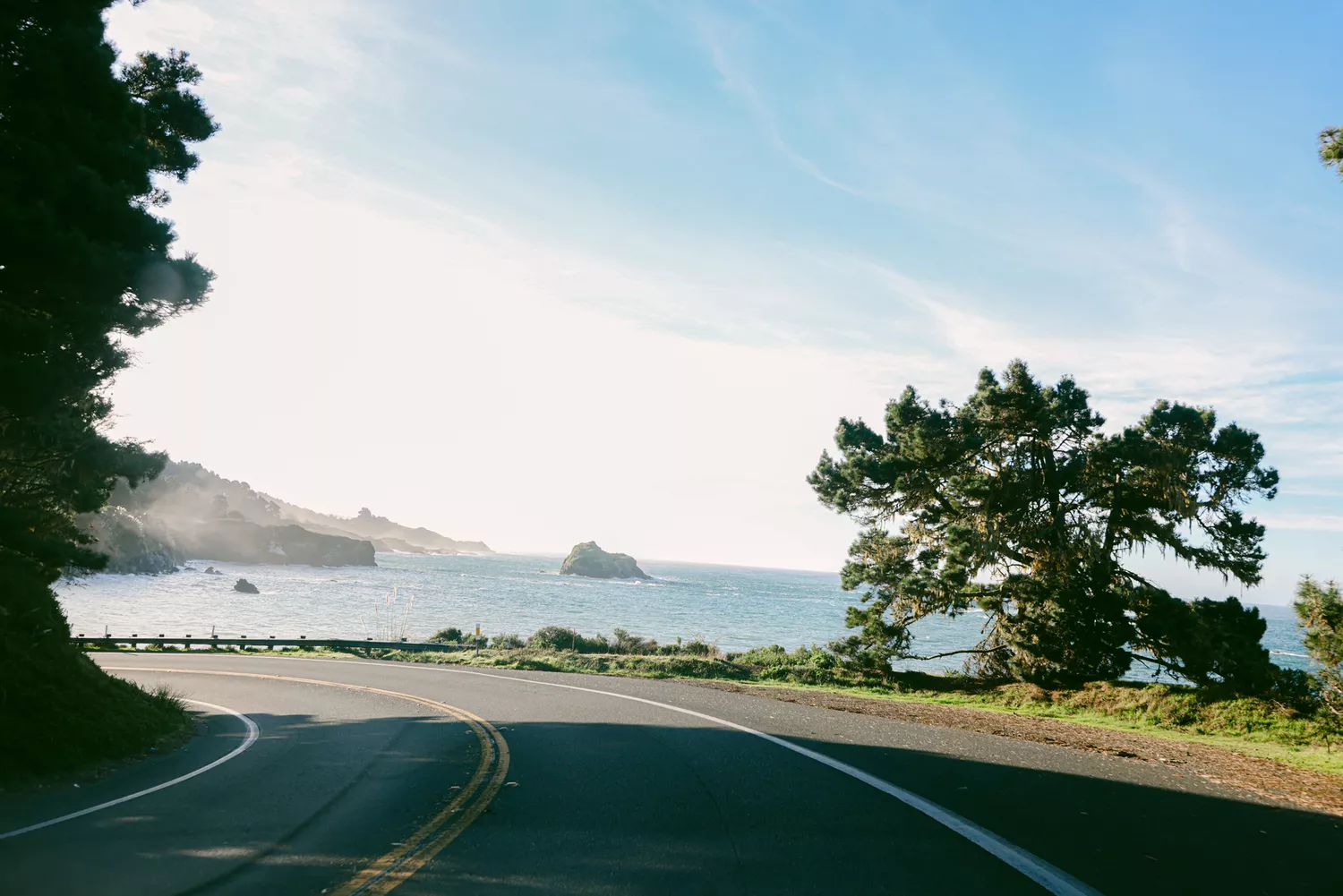
To reach the mist-shrouded cliffs of Fort Bragg California, the journey is as much a part of the experience as the destination itself. Most travelers begin their pilgrimage from the San Francisco Bay Area, weaving through a landscape that shifts from urban sprawl to rolling vineyards and eventually to the towering cathedrals of ancient wood.
The most efficient route involves taking Highway 101 north before branching onto Highway 128. This path snakes through the Anderson Valley, a region renowned for its cool-climate Pinot Noir and world-class cider. As the road narrows and the canopy of trees thickens, you will find yourself in the heart of the redwood empire before the air turns salty and the horizon opens to the Pacific. Alternatively, those with time to spare should opt for the Pacific Coast Highway. This winding shoreline route offers dramatic vistas that define the Mendocino Coast road trip itinerary from San Francisco, though it demands more focus behind the wheel.
A car is a strict necessity here. While the town center is walkable, the best trailheads, secluded coves, and the nearby village of Mendocino are spread across a vast coastal landscape. Relying on foot travel or limited public transit would mean missing the secluded treasures that make this region so special.
Glass Beach: From Industrial Past to Polished Treasure
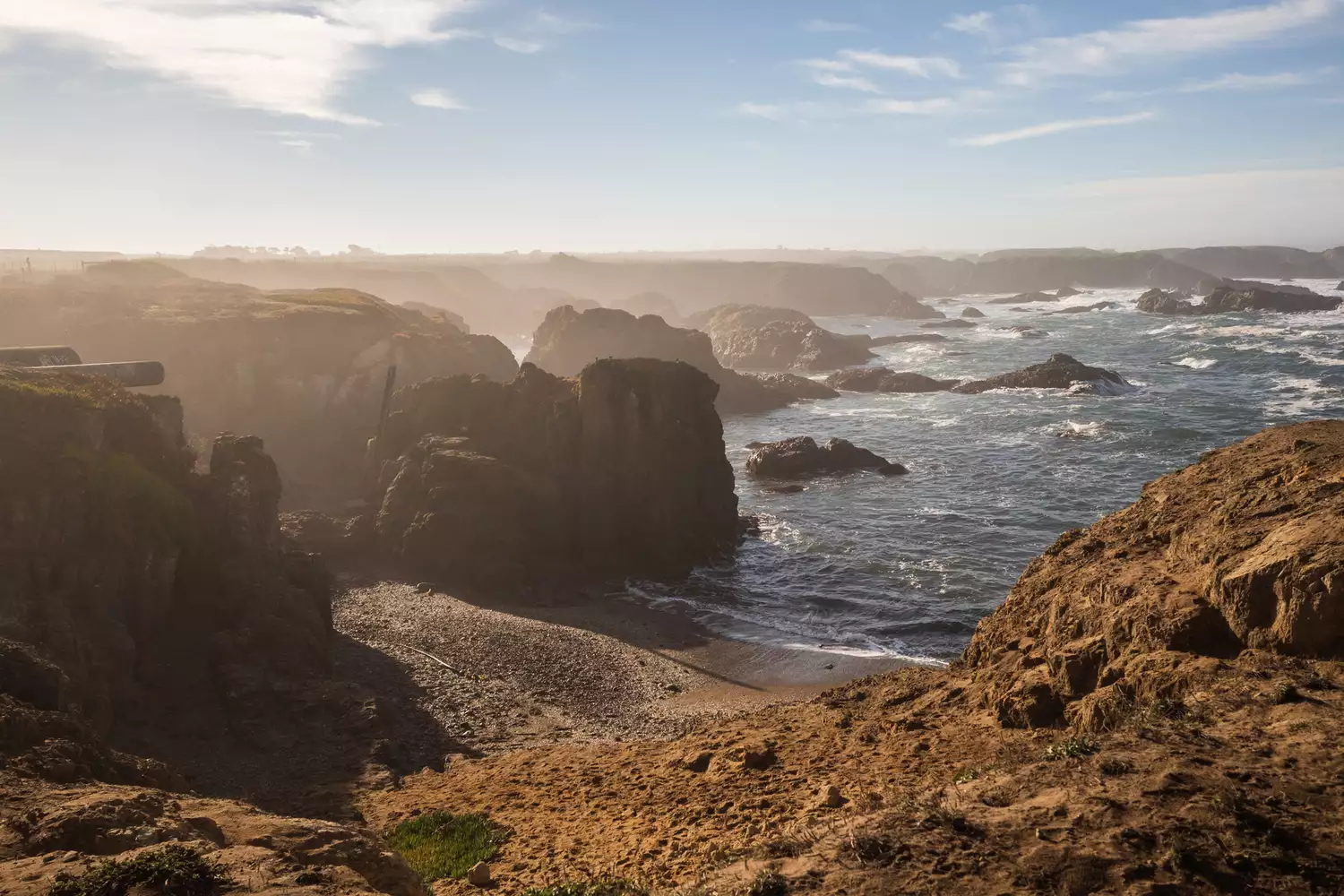
There is a profound irony in how Fort Bragg California transformed its historical waste into its most beloved landmark. For much of the early 20th century, specifically from 1906 to 1967, residents utilized the ocean bluffs as a municipal dump. Appliances, glass bottles, and even vehicles were unceremoniously pushed into the churning surf. Over the decades, the relentless energy of the Pacific performed a massive feat of environmental alchemy, pounding and polishing the discarded shards into smooth, multi-colored gems.
Today, those beaches are a testament to nature's resilience. However, popularity brings its own set of challenges. During the peak summer season, these unique glass-covered beaches attract approximately 1,000 to 1,200 tourists per day, leading to significant foot traffic.
The Glass Color Legend
For those engaged in tide pooling and glass hunting at Glass Beach, the various colors tell a story of the town's domestic history:
- White and Clear: Derived from common jars and windows.
- Green and Brown: Primarily remnants of beer and soda bottles.
- Milk of Magnesia Blue: Rare, prized shards from old medicinal bottles.
- Fire Red: Usually sourced from vintage automobile tail lights or decorative glassware.
- Lavender and Pink: Often old pressed glass that has chemically changed due to UV exposure.
It is critical to remember that while the temptation to pocket a souvenir is high, it is strictly prohibited to remove glass from the state park portions of the beach. To ensure the experience remains for future generations, visitors are encouraged to take only photos. For the best viewing, check the local tide tables and arrive during low tide, when the largest expanses of sea glass are revealed beneath the receding waves.
Through the Redwoods: The Historic Skunk Train
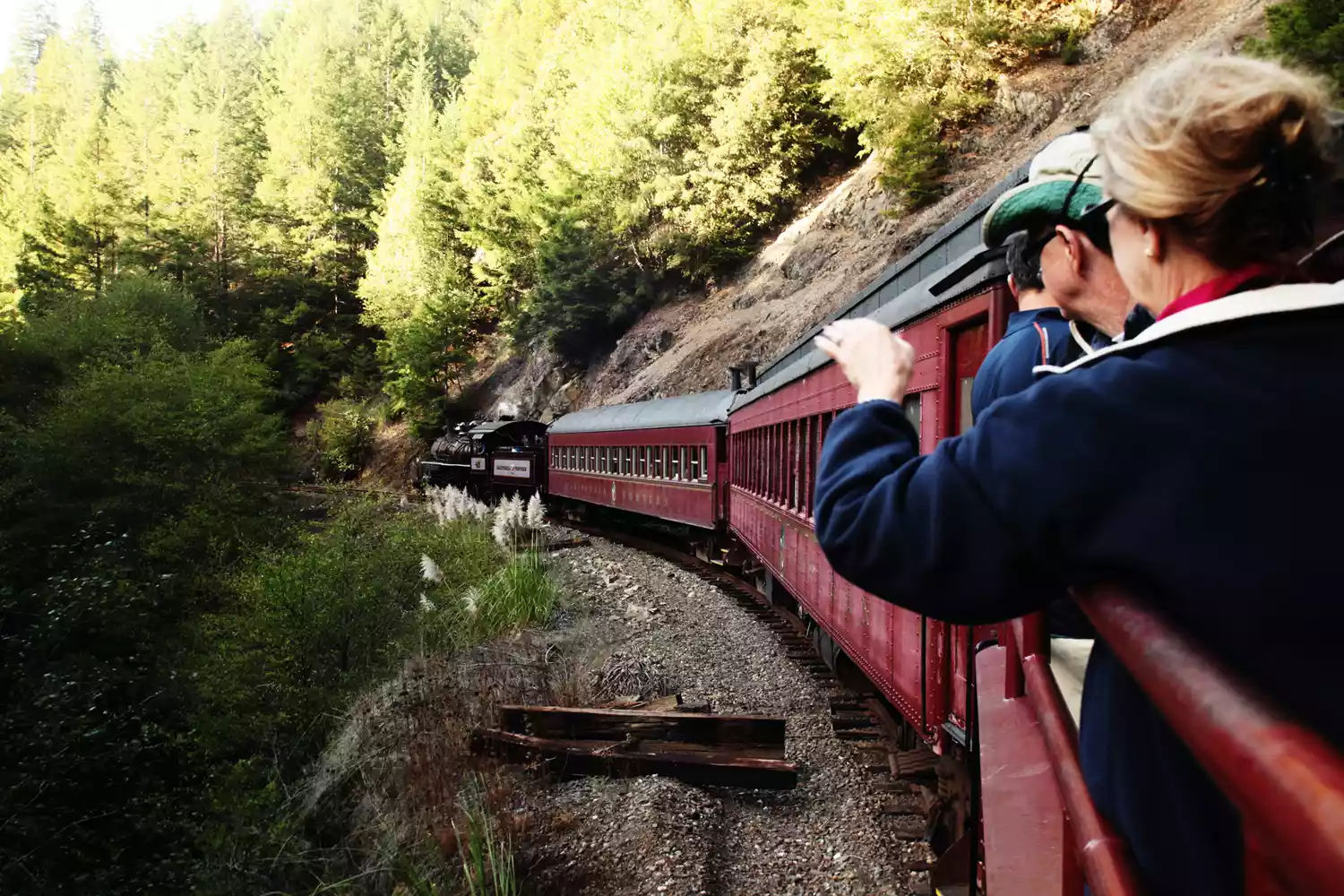
To understand the soul of Fort Bragg California, one must look toward the timber. The California Western Railroad, affectionately known as the Skunk Train, has been a fixture of the Mendocino Coast since 1885. Originally built to transport massive redwood logs to the mills on the coast, the train now serves as a moving museum, carrying passengers into the deep, silent reaches of the Noyo River canyon.
For families, the 75-minute Pudding Creek Express is the most accessible way to experience the majesty of the woods. The train departs from the depot in the heart of town and travels along the lush creek banks to Glen Blair Junction. Here, the redwood forest canopy creates a cool, cathedral-like atmosphere, perfect for a short nature walk before the return trip.
For a more immersive experience, the custom-built rail bikes offer a pedal-powered journey along the tracks. This allows for a quiet, intimate connection with the environment, where the only sounds are the clicking of the wheels and the calls of the Steller's jay. It is arguably one of the best places to see redwoods near Fort Bragg, providing perspectives that no car-accessible trail can match.
Coastal Wilds: MacKerricher State Park and Noyo Headlands
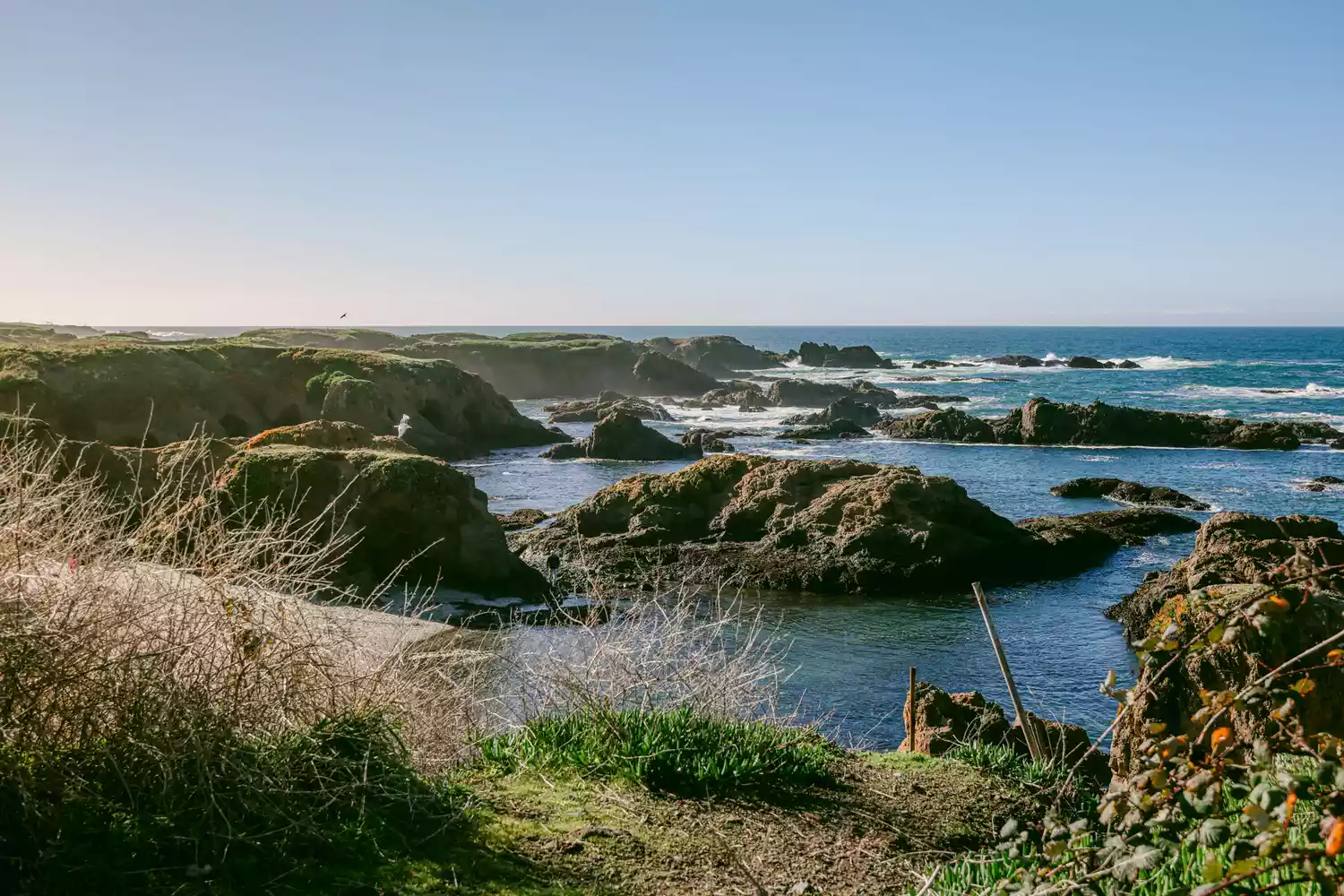
Beyond the industrial relics and the glass-strewn bays lies a vast expanse of protected wilderness. MacKerricher State Park is a sprawling treasure, covering nine miles of coastline. It is a sanctuary of ecological diversity, home to shifting sand dunes, tranquil marshes, and rugged headlands. The park is famous for its conservation efforts, protecting approximately 95% of the world's distribution of the rare Mendocino spineflower, a delicate endemic species that clings to the sandy soils.
A recent and significant addition to the town’s outdoor offerings is the Noyo Headlands Coastal Trail. This five-mile segment was recently opened to the public after being off-limits for nearly a century while under the operation of a local lumber mill. Walking this path feels like reclaiming a piece of lost history. The trail is fully paved and accessible, making it one of the premier hidden gem hiking trails in Fort Bragg California for those who want a panoramic view of the Pacific without a strenuous climb.
Along this trail at Laguna Point, one can often spot harbor seals hauled out on the rocks. The scent of wild sage and salt spray fills the air, and if you are lucky, you may spot the spray of a migrating whale in the distance. For those traveling with four-legged companions, many of these paths are recognized as dog friendly beaches and trails in Fort Bragg, provided pets remain on a leash to protect the local wildlife.
Catch of the Day: Dining and Sips in Fort Bragg
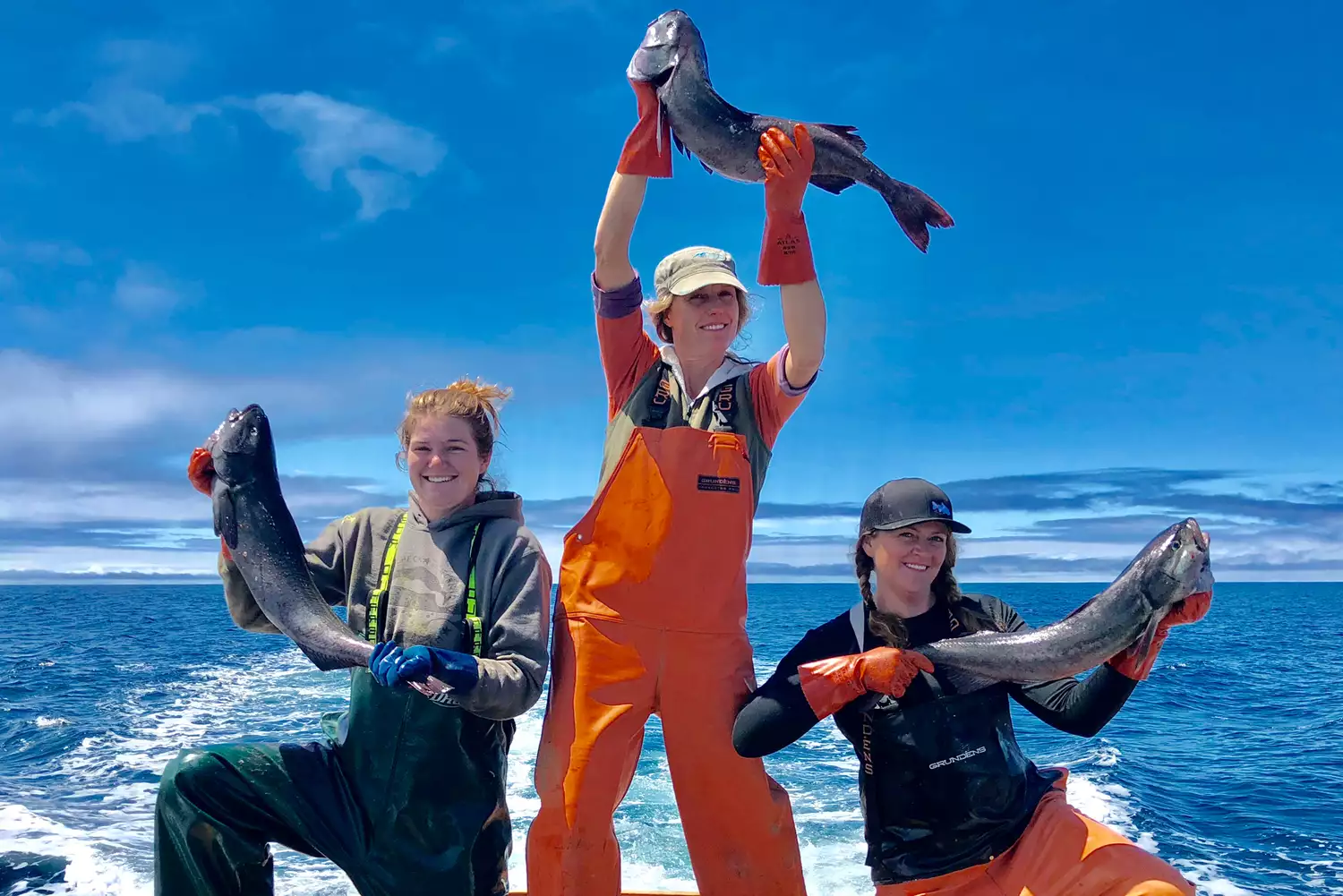
The culinary identity of Fort Bragg California is inextricably linked to Noyo Harbor. Unlike the manicured marinas of more southern cities, Noyo is a working harbor. Here, you will see trawlers unloading piles of Dungeness crab and sea urchin while sea lions bark for scraps from the docks.
The best places to eat in Fort Bragg CA are often those that lean into this maritime heritage. You can find Noyo Harbor seafood restaurants recommendations that range from casual fish and chip stands to more refined dining rooms overlooking the water. In the winter months, the arrival of the crab season brings a festive energy to the town, with locals and visitors alike clamoring for the freshest catch.
- Noyo River Grill: Excellent for waterfront views and fresh rockfish.
- Princess Seafood Restaurant: A woman-owned market and cafe known for sustainably caught local fish.
- North Coast Brewing Co.: A legendary stop for craft beer enthusiasts. Their Old Rasputin Imperial Stout is a local staple.
- Golden West: Provides a charming, old-school diner feel with hearty breakfast portions.
After a day of coastal bluff trekking, the artisanal beer culture provides the perfect wind-down. The local breweries and cideries have garnered national acclaim, yet they maintain a small-town maritime atmosphere that feels authentic and welcoming.
Seasonal Serenity: When to Visit
Choosing when to visit Fort Bragg California depends largely on the type of atmosphere you seek. The weather remains relatively moderate year-round, typically hovering between 40 and 65 degrees Fahrenheit.
- Summer: This is the peak season for a Fort Bragg California family vacation guide. The days are longer and generally clearer, though the famous "June Gloom" fog can linger until midday.
- Fall: Many locals consider this the "secret season." The crowds thin out, the winds die down, and the sun shines more reliably. It is the ideal time for a quiet, romantic escape.
- Winter: For those seeking coastal tranquility, winter is unmatched. The town takes on a moody, cinematic quality. This is also the prime time for whale watching, as Gray whales migrate close to the shore. You can find many winter activities in Fort Bragg for coastal tranquility, from cozying up by a fireplace to storm-watching from a cliffside bench.
- Spring: The Mendocino Coast Botanical Gardens come alive with rhododendrons and azaleas, creating a kaleidoscope of color that rivals the sea glass on the beaches.
FAQ
Is Fort Bragg California worth visiting?
Absolutely. Fort Bragg offers a unique combination of historical grit and natural beauty that you won't find in more polished tourist towns. Whether you are interested in the industrial history of the Skunk Train, the ecological wonder of Glass Beach, or world-class hiking along the coastal bluffs, the town provides an authentic and diverse experience.
What are the best things to do in Fort Bragg?
The highlights include exploring Glass Beach, riding the historic Skunk Train through the redwoods, and visiting the Mendocino Coast Botanical Gardens. Outdoor enthusiasts should prioritize MacKerricher State Park and the Noyo Headlands Coastal Trail, while foodies should focus on the fresh seafood at Noyo Harbor.
How do you get to Glass Beach in Fort Bragg?
Glass Beach is located at the northern end of town. You can access it by parking at the end of Elm Street or by walking the Noyo Headlands Coastal Trail. There are three main bays, each offering a slightly different density of sea glass and tide pooling opportunities.
Can you still take glass from Glass Beach in Fort Bragg?
No, it is strictly prohibited to remove sea glass from the beaches within the State Park boundaries. This rule is in place to ensure that the beauty of the beach remains for the thousands of visitors who come to see it every year. We recommend bringing a camera to capture the colors instead.
What is the best time of year to visit Fort Bragg CA?
The best time depends on your goals. For warm-weather family fun, summer is best. For wine tasting and clear skies without the crowds, fall is ideal. If you are interested in whale watching or a peaceful, moody retreat, the winter months offer incredible serenity and unique natural displays.
How far is Fort Bragg from San Francisco?
Fort Bragg is approximately 170 miles north of San Francisco. The drive typically takes between three and four hours depending on the route and traffic. Taking Highway 101 to Highway 128 is the fastest route, while Highway 1 offers the most scenic coastal views.