Quick Facts
- Overlooked Gem: Sanjusangendo, featuring 1,001 gold statues just 15 minutes from Kyoto Station.
- Crowd-Free Timing: Visit during February or early March to catch plum blossom season.
- Essential App: Use the 'Go' app for taxi hailing as Uber coverage is limited in the city.
- Top Tea Experience: Hasso-ken inside Manshu-in offers rare Monshato-style architecture.
- Local Etiquette: Photography in private Gion alleys can result in a 10,000 yen fine.
- Reservation Hack: Exclusive teahouses like Tai-an require physical 'Return Postcards' for booking.
Discover the side of Kyoto most tourists miss. Our Hidden Kyoto guide reveals crowd-free temples and local teahouses for an authentic Japanese experience in 2026. To find Hidden Kyoto and avoid crowds, swap famous sites like Arashiyama for Adashino Nenbutsu-ji and Kinkaku-ji for the quiet gardens of Honen-in or Sanjusangendo.
Escape the Map: The Logic of Hidden Kyoto
Kyoto in 2026 feels different. Following a year where 10.88 million foreign visitors descended upon the ancient capital—a staggering 53.3% increase from previous years—the city has reached a tipping point. As an editor who has walked these stone paths for a decade, I’ve watched the "Golden Route" become a river of selfie sticks. Yet, the true city remains. It is found through what I call information asymmetry: the local knowledge that looks beyond the top three results on a search engine.
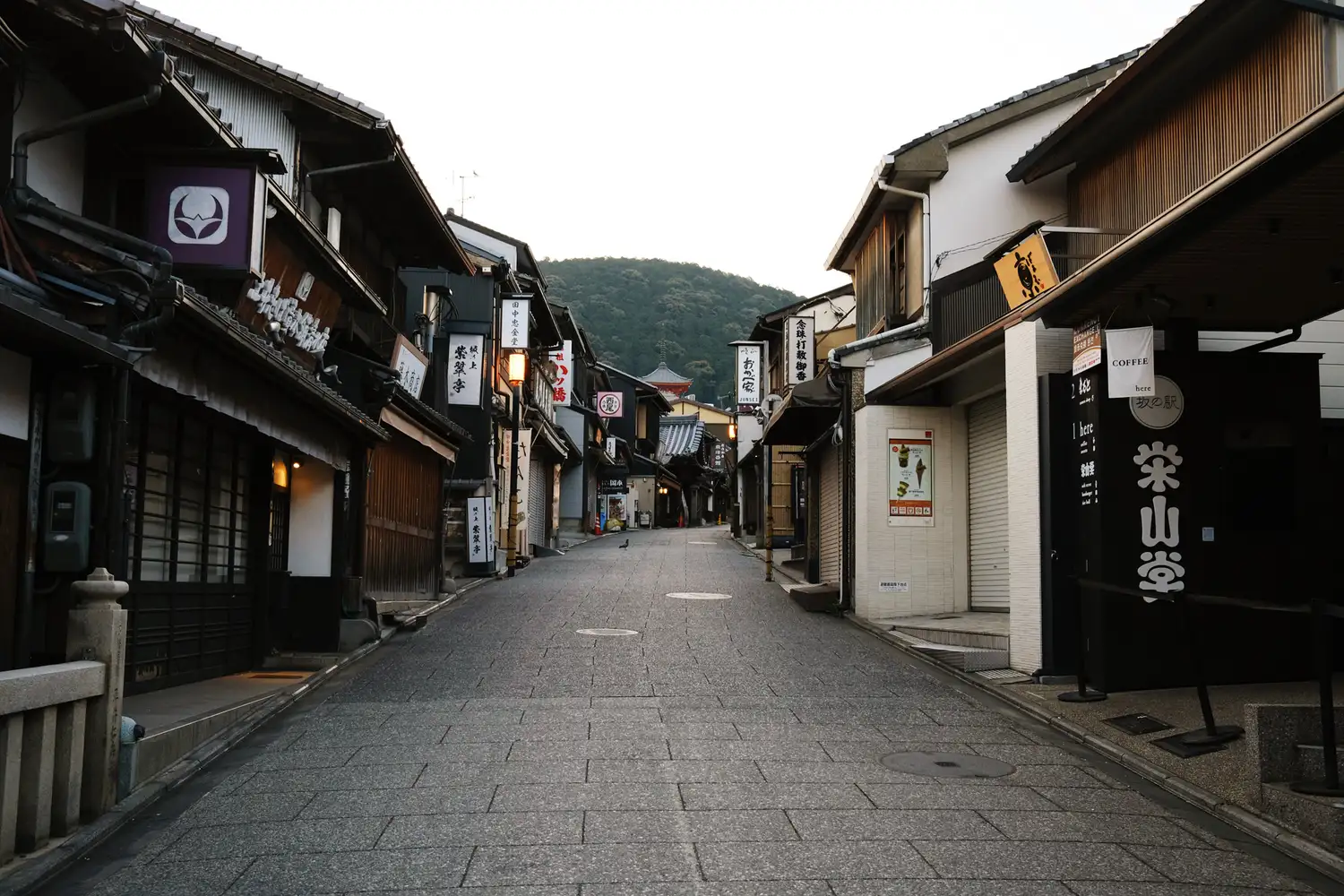
To experience a Kyoto crowd-free guide lifestyle, one must understand that the city’s heart isn’t in the volume of people, but in the silence between the chimes of a temple bell. Kyoto contains more than 1,600 Buddhist temples and 400 Shinto shrines. Collectively, these spiritual sites house over 20% of Japan's national treasures, despite the city representing only 1% of the national population. By diverting your path just two streets over from a major landmark, you can find the off-peak travel strategy that separates a tourist from a traveler.
The Temple Swap: From Crowds to Contemplation
The secret to finding quiet temples in Kyoto to escape crowds is the "direct swap." Instead of fighting for a view of the Golden Pavilion, seek the overlooked Kyoto temples that offer equal architectural splendor without the elbows of a thousand strangers.
Adashino Nenbutsu-ji vs. Arashiyama Bamboo Grove
While the main bamboo path in Arashiyama is often impassable by midday, Adashino Nenbutsu-ji offers a more profound version of the same aesthetic. Located further up the hill, it houses 8,000 stone statues representing the souls of the departed, nestled within its own private, whispering bamboo grove. It provides the Zen garden aesthetics and Buddhist iconography that travelers crave in solitude.
Sanjusangendo: The Forest of Statues
Despite being near Kyoto Station, Sanjusangendo remains remarkably quiet compared to Kiyomizu-dera. It is home to 1,001 life-sized statues of Kannon, carved from Japanese cypress and shimmering in gold leaf. Walking the long hall is a meditative experience, a rare chance to see a concentrated collection of national treasures in a serene environment.
Honen-in: The Mossy Gate
Situated near the Philosopher's Path, Honen-in is often walked past by those rushing to Ginkaku-ji. This is a mistake. The entrance, marked by mossy stone steps and two meticulously maintained sand mounds (byakusandan), creates a threshold of immediate peace. During the early morning hours, the only sound is the drip of water into a stone basin.
| Overcrowded Landmark | High-Value Local Alternative | Why It Works |
|---|---|---|
| Kinkaku-ji (Golden Pavilion) | Honen-in | Mossy serenity vs. gold-leaf crowds |
| Arashiyama Bamboo Path | Adashino Nenbutsu-ji | 8,000 statues and private bamboo groves |
| Kiyomizu-dera | Sanjusangendo | 1,001 gold statues in a meditative hall |
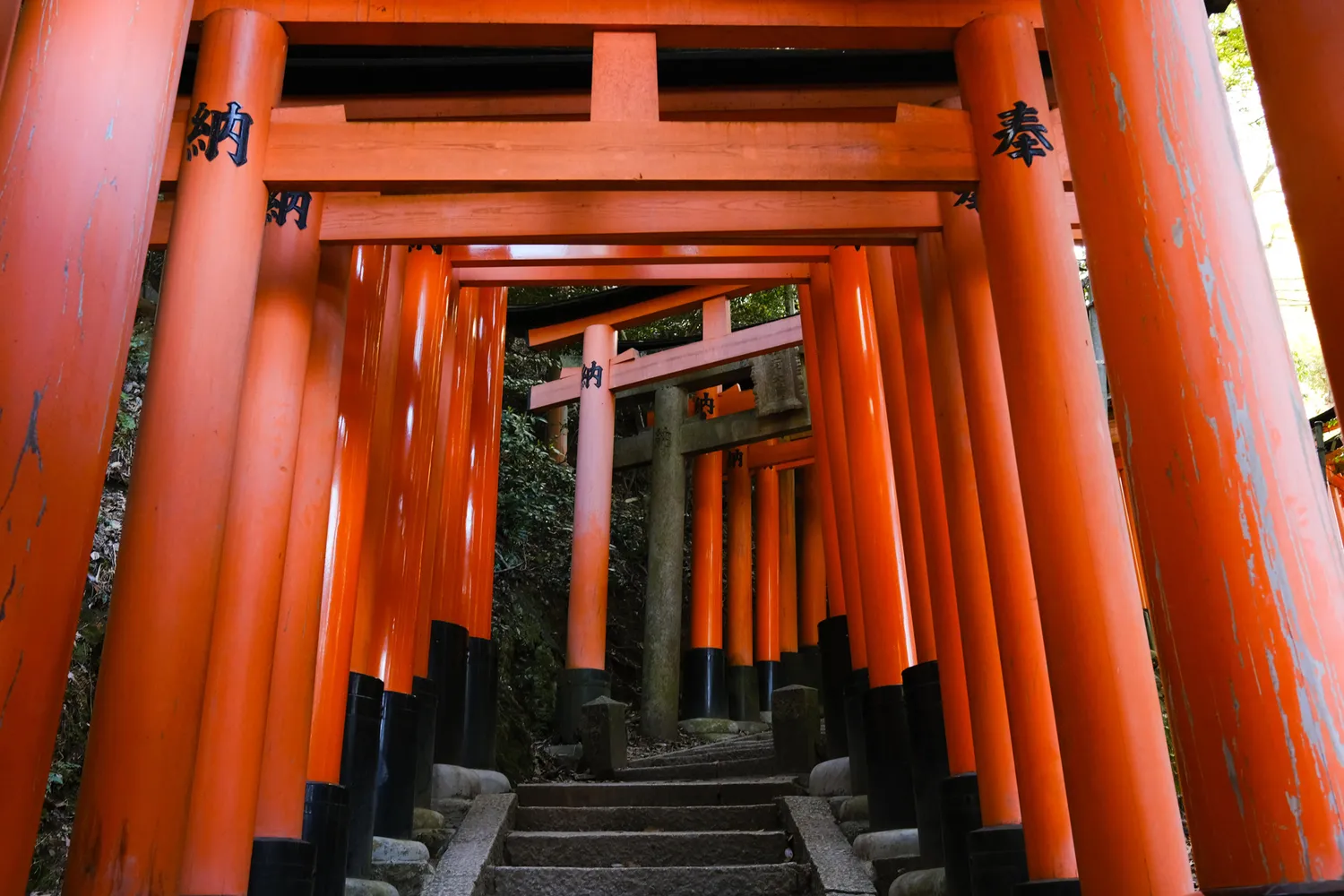
| Fushimi Inari (Main Trail) | Fushimi Breweries & Back Trails | Sake culture vs. endless hiking crowds |
Tea Secrets: Beyond the Matcha Stand
If you look at the industry, approximately 60% of Japan's more than 10,000 traditional tea houses are concentrated in Tokyo and Kyoto. However, most visitors only experience the commercial matcha stands. To find local recommended Kyoto teahouses, you must look for the "Hasso" designation—significant architectural tea spaces that prioritize Omotenashi hospitality over high-turnover service.
The most profound experience is learning how to experience traditional tea at Manshu-in. Its tea room, Hasso-ken, is a masterpiece of Monshato-style architecture, where the placement of windows creates an intentional play of light and shadow on the tatami. Unlike modern cafes, these are off the beaten path teahouses Kyoto locals treasure because they allow you to enter the physical space of the tea ceremony tradition.
Another hidden gem is Konchi-in’s Hasso-seki, located within the Nanzen-ji complex. While everyone else is taking photos of the brick aqueduct, you can book a session here to admire Kyo-machiya architecture and learn subtle matcha preparation techniques. These spaces demand a slower pace; the smell of aged wood and the precise whisking of tea are the sensory rewards of seeking the city's hidden corners.
The Local Palette: Nishiki and Fushimi
Kyoto’s culinary heart beats within the Kaiseki culinary traditions, but for a local experience, you must eat like a citizen of the Imperial capital legacy.
Nishiki Market: The Merchant’s Soul
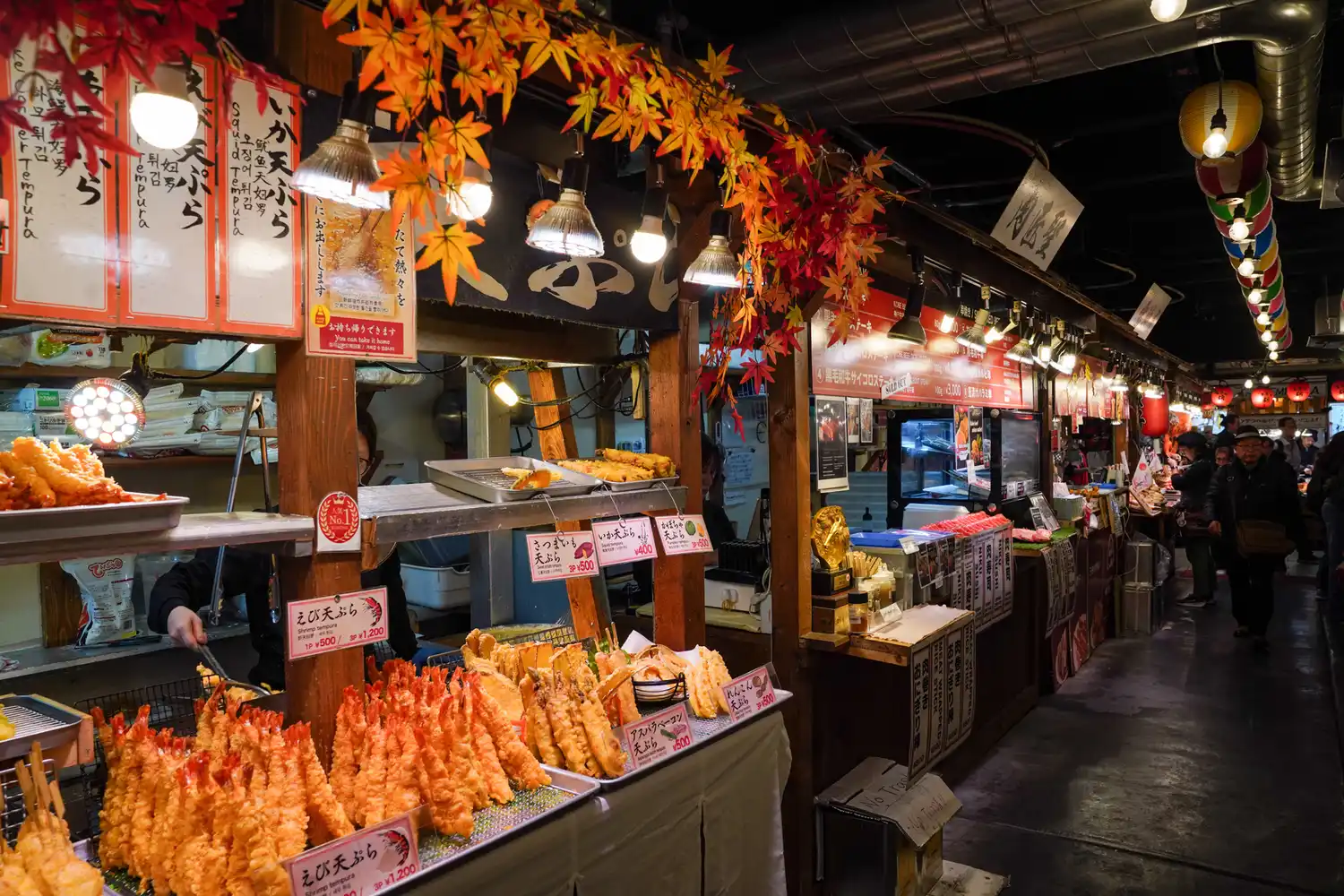
While Nishiki Market is famous, most tourists stop for the "octopus on a stick." To find authentic local food recommendations in Nishiki Market, go to Uchida Tsukemono. Kyoto's climate and water historically made it the center of pickle production. Tasting their fermented eggplant or shiba-zuke is a direct link to the city's artisanal past.
Mamezushi at Gion Mametora
In the historic Gion district, diners often feel intimidated by the high prices of traditional multi-course meals. I recommend a beginner guide to Kyoto mamezushi lunch. At Gion Mametora, they serve "coin-sized" sushi, originally designed so that geiko and maiko could eat without smearing their lipstick. It is a compact, approachable version of kaiseki that emphasizes seasonal ingredients and beautiful Artisanal Kyo-ware ceramics.
The Sake Spirit of Fushimi
South of the city center, the Fushimi district offers a respite from the bustle. This area is defined by its sake production history, fueled by the exceptionally soft spring water of the region. Visit the Matsui or Kizakura breweries to see how modern technology meets ancient fermentation.
2026 Logistics: Mastering the 'Go' App and Local Etiquette
Navigating Kyoto effectively in 2026 requires more than a map; it requires the right digital tools. Many high-end traditional ryokans with private open air baths are located on the city’s outskirts, making transportation a key consideration.
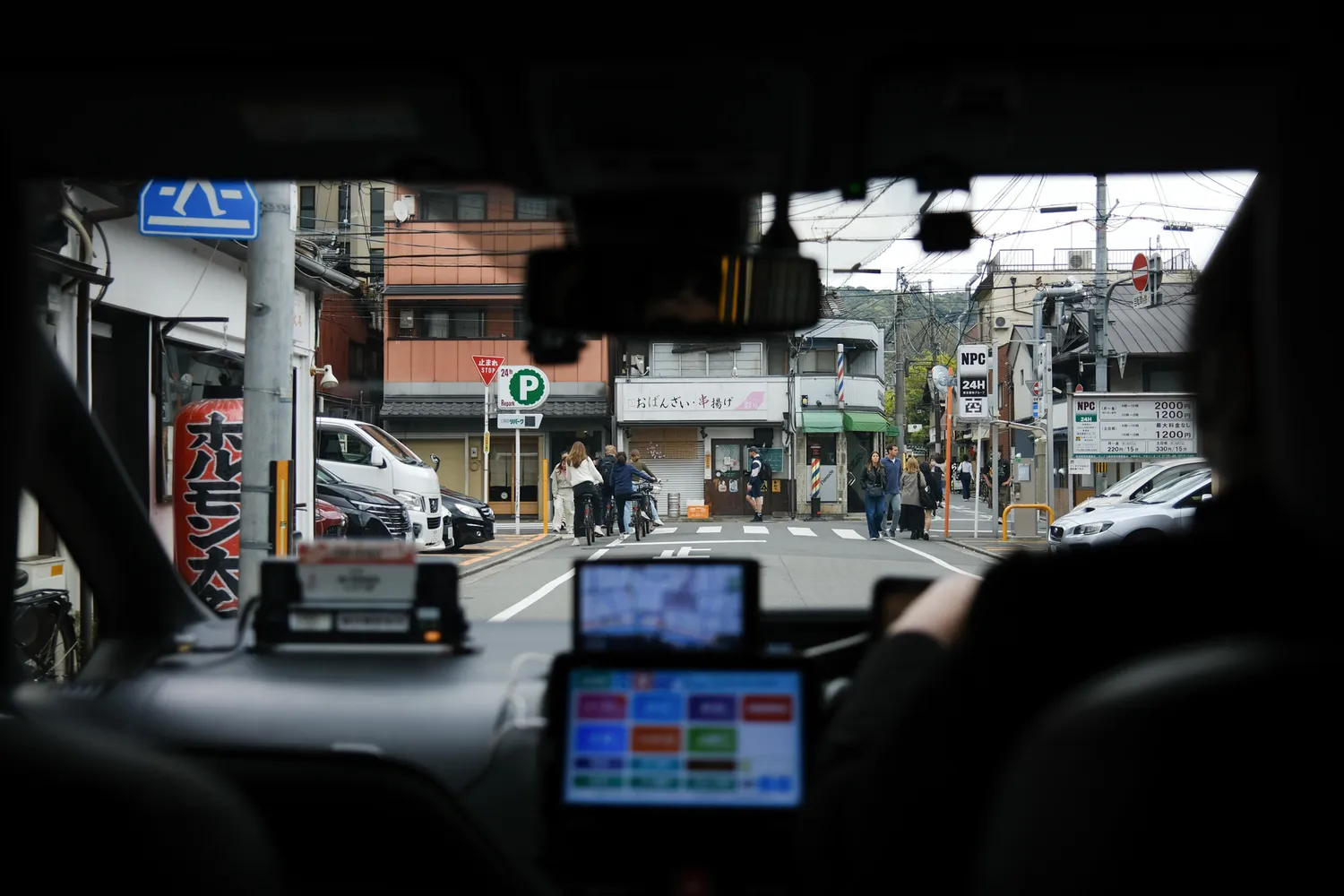
Traveler's Note: The Taxi Secret Do not rely on Uber; it has very limited coverage and often defaults to expensive black car services. Instead, download the 'Go' app. It is the gold standard for taxi hailing in Japan, allowing you to bypass long bus lines and reach remote temple gates directly.
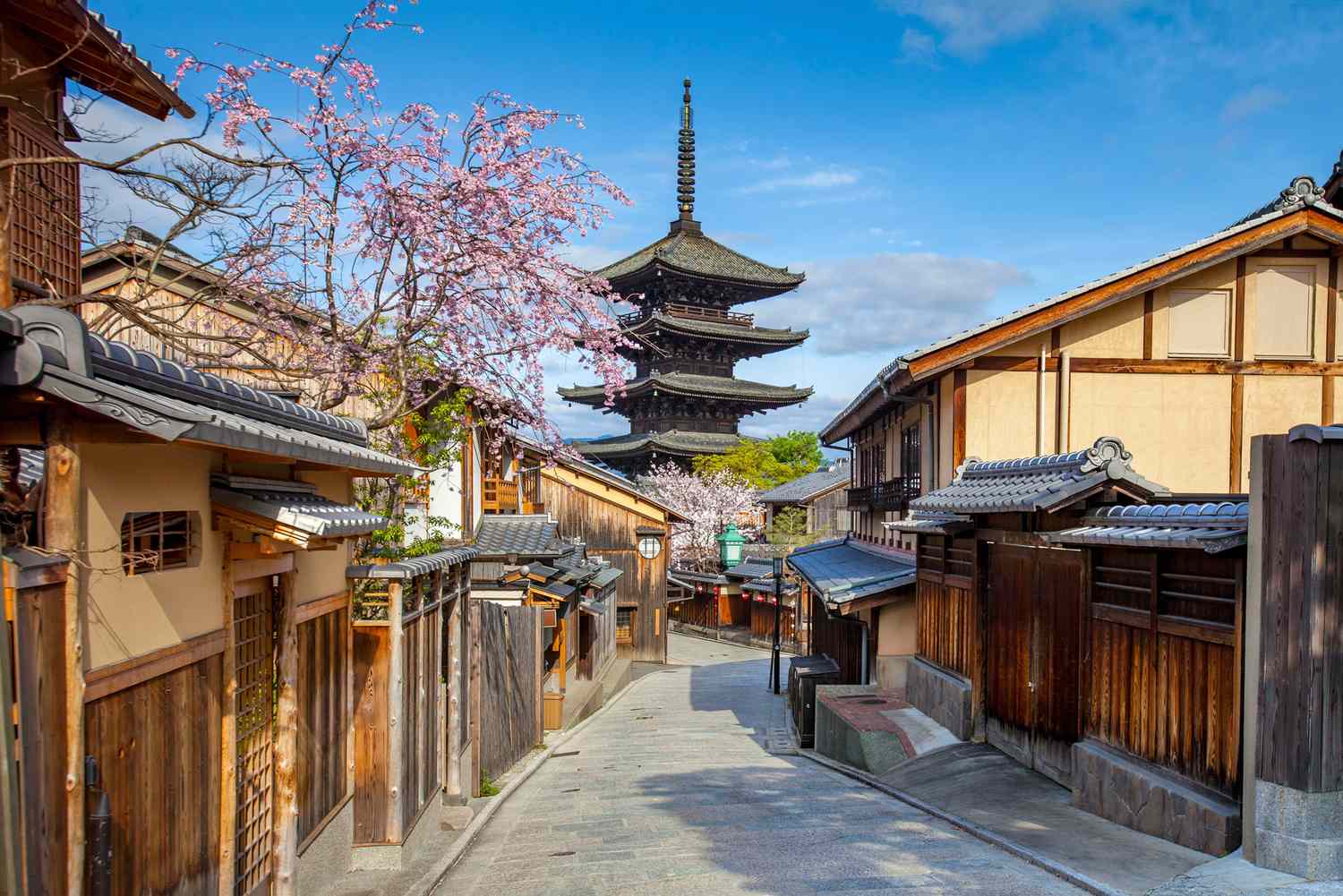
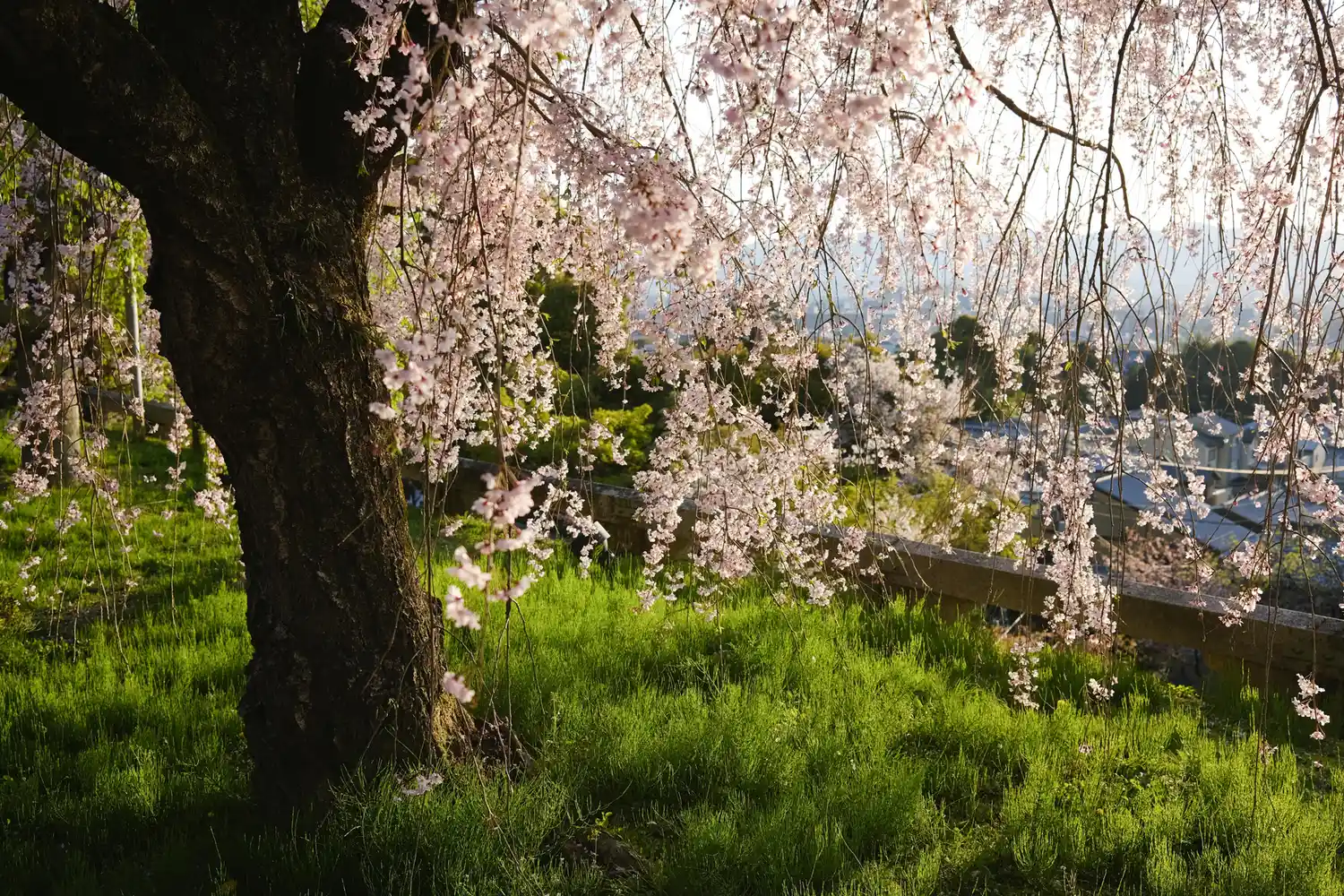
Timing is your greatest ally. While the world arrives in April for the cherry blossoms, I suggest visiting Kyoto during plum blossom season in late February. The air is crisp, the plum trees (ume) offer a deep pink hue and a fragrance more intoxicating than cherry blossoms, and most importantly, the tourist count is significantly lower.
Finally, respect the local boundaries. Cultural heritage preservation is a serious matter here. In Gion, photography is strictly prohibited in private alleys to protect the privacy of residents and performers; violations carry a 10,000 yen fine. Similarly, if you wish to visit prestigious sites like the Tai-an teahouse, be prepared for "Ofuku hagaki" (return postcards)—a traditional reservation system that requires you to mail a physical postcard weeks in advance to receive a confirmed entry time.
FAQ
What are the best hidden gems in Kyoto?
Some of the most rewarding hidden gems include Adashino Nenbutsu-ji for its quiet bamboo forest and stone statues, the intricate carvings at Otagi Nenbutsu-ji, and the sprawling, peaceful grounds of the Manshu-in Monzeki temple.
How can I avoid the crowds in Kyoto?
To avoid the largest crowds, focus on visiting major sites during the first hour of opening or the hour before closing. Better yet, swap famous landmarks for high-value alternatives like Sanjusangendo or Honen-in, and consider visiting during the quieter February/March plum blossom season.
Are there quiet places to visit in Kyoto?
Yes, the northern and eastern outskirts of the city house many quiet retreats. Temples like Enko-ji and Shisendo offer spectacular gardens that remain peaceful even during peak seasons. The Fushimi sake district is also generally less crowded than the central Gion or Higashiyama areas.
Which non-touristy neighborhoods should I visit in Kyoto?
Explore the Kamigyo ward for its weaver workshops and Kyo-machiya architecture, or the Ichijoji neighborhood, known as the "ramen battleground" of Kyoto, which offers a great blend of local student life and historic sites.
What are some unique experiences in Kyoto away from the city center?
Consider taking a private river boat cruise in Arashiyama for a traditional shabu-shabu lunch on the water, or touring the historic sake breweries in the Fushimi district. For those seeking spiritual immersion, many smaller temples in the Ohara northern mountains offer Shojin ryori (monk’s vegetarian cuisine) in a forest setting.