Quick Facts
- Daily Movement: Expect to clock an average of 20,000 steps through urban hubs and temple grounds.
- Weather Context: The June rainy season brings high humidity and frequent monsoon showers.
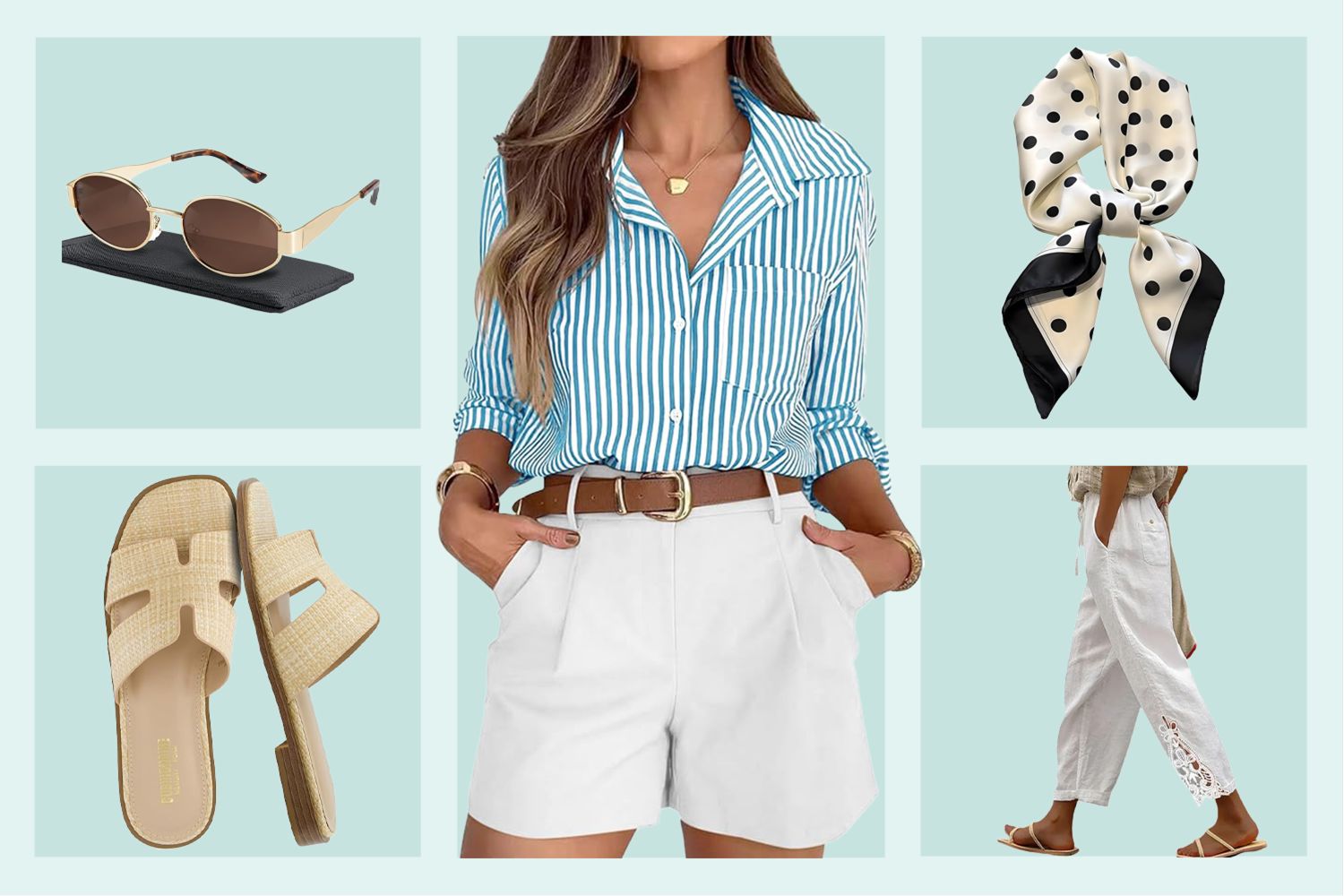
- Style Level: Aim for an elevated business-casual look to match local Japanese fashion aesthetics.
- Social Code: Modesty is essential; keep your shoulders and knees covered, especially at religious sites.
- Logistics: Japan uses a 100V electrical system with Type A and Type B outlets.
- Shopping Strategy: Pack light and leave 40% of your suitcase capacity for J-beauty and local ceramics.
Mastering a Japan packing list requires a balance of modesty, comfort, and sophisticated silhouettes. Elevated minimalist style in Japan favors neutral tones and breathable fabrics that transition easily from the sleek streets of Ginza to the quiet halls of a Kyoto shrine. By focusing on high-quality staples and wrinkle-resistant materials, you can create a Japan travel capsule wardrobe that feels polished without sacrificing the practicality needed for a 2 week trip light.
Defining the Elevated Minimalist Aesthetic
There is a specific kind of magic in the way Tokyo moves. It is a city of quiet precision, where the fashion is less about shouting for attention and more about the mastery of the vessel silhouette. When curating your Japan packing list, it is helpful to look at local style through the lens of intentionality. Unlike the heavy reliance on athletic wear or distressed denim often seen in Western travel hubs, Japanese travel fashion emphasizes an elevated minimalist aesthetic that balances modesty with comfort.
Travelers should prioritize high-quality staples in neutral tones, including wrinkle-resistant tops and wide-leg trousers that provide a polished appearance. This approach ensures you blend in seamlessly at both urban restaurants and sacred sites. To achieve this, I recommend moving away from the tight-fitting gym wear that dominates airport lounges. Instead, embrace the A-line skirts and balloon pants that allow for air circulation while maintaining a smart-casual silhouette.
The transit itself is part of the experience. Depending on your origin, you might be facing a significant journey; long-haul flights to Japan take approximately nine hours from the West Coast and about 14 hours from the East Coast of the United States. Choosing interchangeable separates in a neutral color palette for these long flights sets the tone for your entire trip. Think soft, breathable knits and layered pieces that can be rearranged the moment you touch down at Narita or Haneda.
Fabric Engineering for the Monsoon and Humidity
If you are planning your adventure for early summer, you must account for the what to wear in Japan rainy season June requirements. This is the peak of the monsoon, where the air is thick with humidity and spontaneous downpours are the norm. In this climate, your fabric choices are just as important as the style of the clothes themselves.
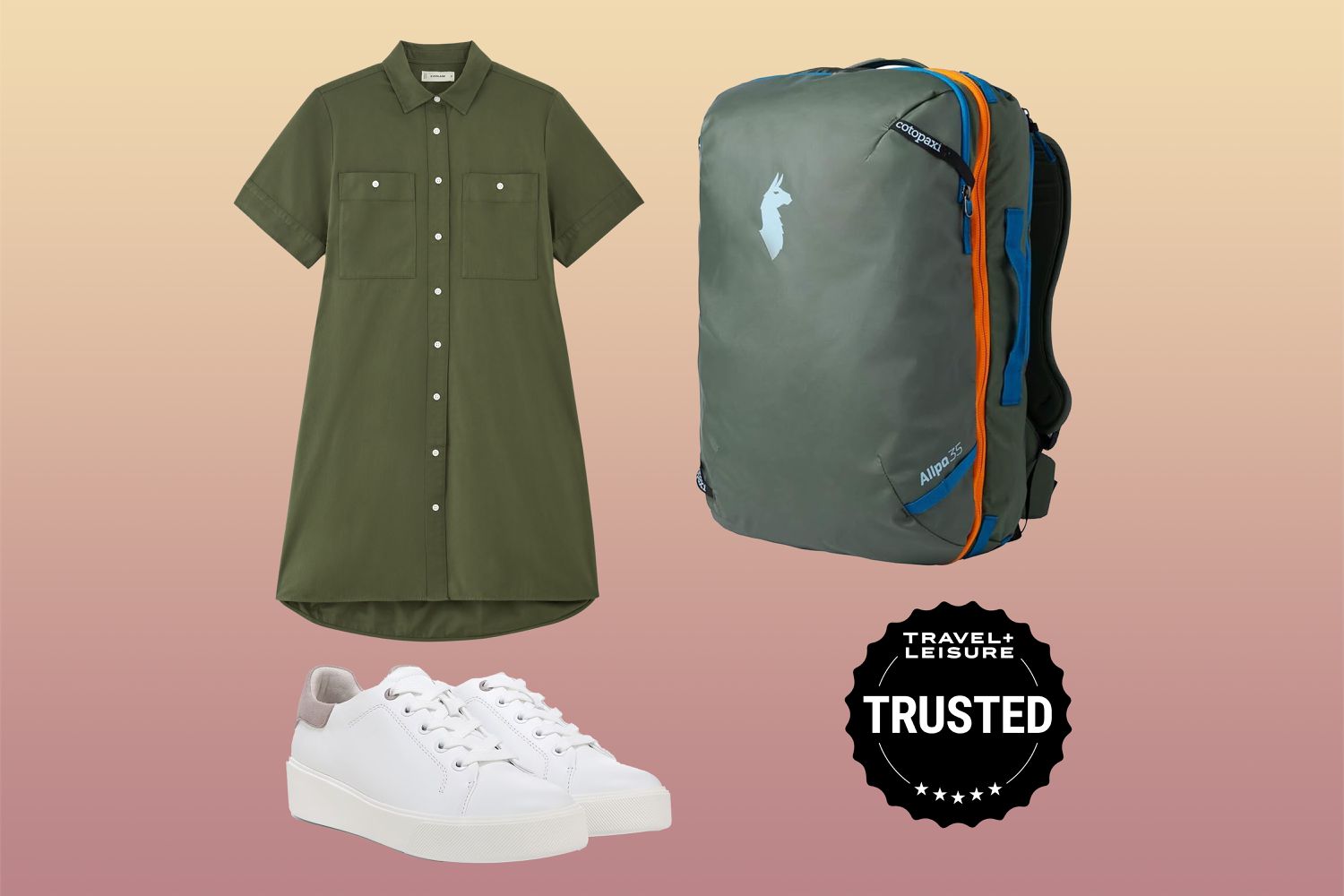
I often tell my readers to leave the heavy denim at home. Once wet, denim takes forever to dry and can feel stifling in the heat. Instead, your Japan summer travel capsule wardrobe should focus on technical, moisture-wicking textiles. Look for organic cotton blends, linen, and advanced synthetics that offer wrinkle-resistant materials. These fabrics breathe with you as you navigate the crowded subway stations.
A smart layering system is your best friend. You will frequently move between the sweltering outdoor humidity and the aggressively chilled interiors of department stores or public transport. For example, the Shinkansen bullet train travel time from the capital to Kyoto is approximately two hours and 15 minutes, and the air conditioning on board is remarkably efficient. A lightweight, packable raincoat or an oversized linen button-down serves as the perfect outer layer to manage these temperature swings.
Seasonal Fabric Matrix
| Season | Recommended Fabrics | Key Outerwear |
|---|---|---|
| Spring | Cotton trench, light wool | Versatile cardigans |
| Summer | Linen, moisture-wicking tech wear | Compact umbrella / Rain poncho |
| Autumn | Merino wool, cashmere blends | Light wool coat |
| Winter | Heat-tech layers, down insulation | Structured heavy overcoat |
Footwear: The 20,000-Step Strategy
The most rigorous test of any Japan packing list is the footwear. You will likely walk more in Japan than almost anywhere else in the world, often surpassing 20,000 steps a day as you explore sprawling garden complexes and multi-level shopping districts. However, the unique challenge in Japan is the cultural requirement for frequent shoe removal.
Whether you are entering a traditional ryokan, a neighborhood temple, or even some boutique fitting rooms, you will be slipping your shoes on and off multiple times a day. This makes slip-on footwear an absolute necessity. Avoid complicated laces or boots that require a feat of engineering to remove. High-quality slip-on sneakers or minimalist loafers with arch support are the best walking shoes for Japan sightseeing and temples.
Additionally, pay close attention to your socks. Since you will often be walking in your stocking feet on tatami mats or polished wood floors, ensure your socks are in high-quality condition—no holes and no faded patterns. From a cultural etiquette standpoint, avoid flip-flops unless you are at the beach; they are generally considered too casual for urban exploration and are inappropriate for shrines.
Cultural Etiquette: Temples, Shrines, and Social Norms
Finding the right modest travel clothing for Japan is about showing respect for the local culture. While Tokyo is a global fashion capital where almost anything goes, the general vibe is one of sophisticated modesty. Deep necklines, exposed shoulders, and very short skirts are rare. When visiting religious sites, modest clothing for Japan temples and shrines is expected. A simple scarf can be a lifesaver for covering shoulders, and midi-length skirts or trousers are preferred over shorts.
One "unwritten rule" that often trips up Western travelers involves leggings. In many Japanese social circles, leggings are viewed as undergarments rather than trousers. If you want to wear them for comfort, try layering them under a tunic or a dress to maintain that elevated minimalist outfits for Japan travel aesthetic.
Managing your logistics on the ground also requires a bit of stylistic planning. Japan remains a surprisingly cash-heavy society, particularly when dealing with small shrines or traditional markets. You will accumulate a significant amount of change, so a dedicated, stylish pouch for yen coin management is a small but vital addition to your daily carry.
Technical & Legal Check: Power and Prescriptions
Beyond the wardrobe, your Japan packing list must include the technical essentials. Japan operates on a 100V electrical system and uses Type A and Type B electrical outlets. Most modern laptop and phone chargers are dual-voltage, but if you are bringing a hair dryer or straightener from North America, you may need a converter to prevent damage. Note that many Japanese outlets do not have a hole for a third grounding pin, so an adapter is often necessary.
Legal awareness is also part of a savvy traveler's toolkit. Japan has very strict laws regarding medication. Certain Western over-the-counter antihistamines and stimulants found in common sinus medications or ADHD treatments are restricted or illegal. Always check the official Ministry of Health guidelines before you pack your toiletry kit to avoid complications at customs.
Finally, digital preparedness is key. While paper maps have their charm, navigating the intricate subway systems of Osaka or Tokyo is much easier with apps like HyperDia or Google Maps. Ensure you have a pocket Wi-Fi device or a local eSIM curated before you land.
FAQ
What are the essential items to pack for a trip to Japan?
Essential items include high-quality walking shoes that are easy to slip on and off, a versatile layering system for changing temperatures, and a small coin purse for yen. You should also pack a compact umbrella for sudden rain and modest clothing that covers shoulders and knees for temple visits.
Do I need a power adapter or voltage converter for Japan?
Japan uses Type A and B outlets (two flat pins) and a 100V system. If your devices have three pins, you will definitely need an adapter. While most electronics like phones and cameras are dual-voltage, high-heat appliances from the US might require a voltage converter to function properly without overheating.
What kind of shoes are best for walking in Japanese cities?
The best footwear combines arch support with ease of use. Look for stylish, supportive slip-on sneakers or loafers. Because you will be removing your shoes frequently at temples and traditional restaurants, avoiding laces will save you significant time and effort throughout the day.
What should I pack for Japan in the winter versus the summer?
For summer, pack breathable, moisture-wicking fabrics like linen and light cotton to handle the high humidity and June rain. For winter, layering is key; bring heat-tech base layers and a structured overcoat. Regardless of the season, a neutral color palette helps you blend in with the local minimalist aesthetic.
Is there a dress code for visiting temples and shrines in Japan?
While there is rarely a strictly enforced dress code, modest clothing is highly recommended as a sign of respect. This means avoiding tank tops, low-cut shirts, and very short bottoms. Aim to keep your shoulders and knees covered when entering sacred spaces.
The beauty of a Japan travel capsule wardrobe lies in its simplicity. When you strip away the excess and focus on interchangeable separates that respect the local culture, you free yourself to truly experience the destination. Whether you are catching the sunrise at Fushimi Inari or sipping a minimalist latte in a hidden Nakameguro cafe, your elevated minimalist style will ensure you look as sophisticated as the environment around you.