Quick Facts
- The Aesthetic: Smart casual, neutral tones, polished minimalism.
- The Number: Expect to average 10,000–15,000 steps per day.
- The Secret: Leave 40% of your luggage space empty for shopping hauls.
- The Must-Have: High-quality, hole-free socks are essential for temple visits.
- The Logistics: Register for Visit Japan Web and use Takkyubin luggage forwarding.
| Category | Must-Pack Item | Fashion Editor Tip |
|---|---|---|
| Tops | Breathable linen separates | Opt for high necklines to stay respectful. |
| Bottoms | Japanese selvedge denim | Darker washes transition better to dinner. |
| Outerwear | Lightweight jacket | Crucial for chilly Shinkansen travel comfort. |
| Footwear | Urban exploration footwear | Support is key, but make it retro-chic. |
| Accessories | Packable sun hat | Essential for those long outdoor shrine walks. |
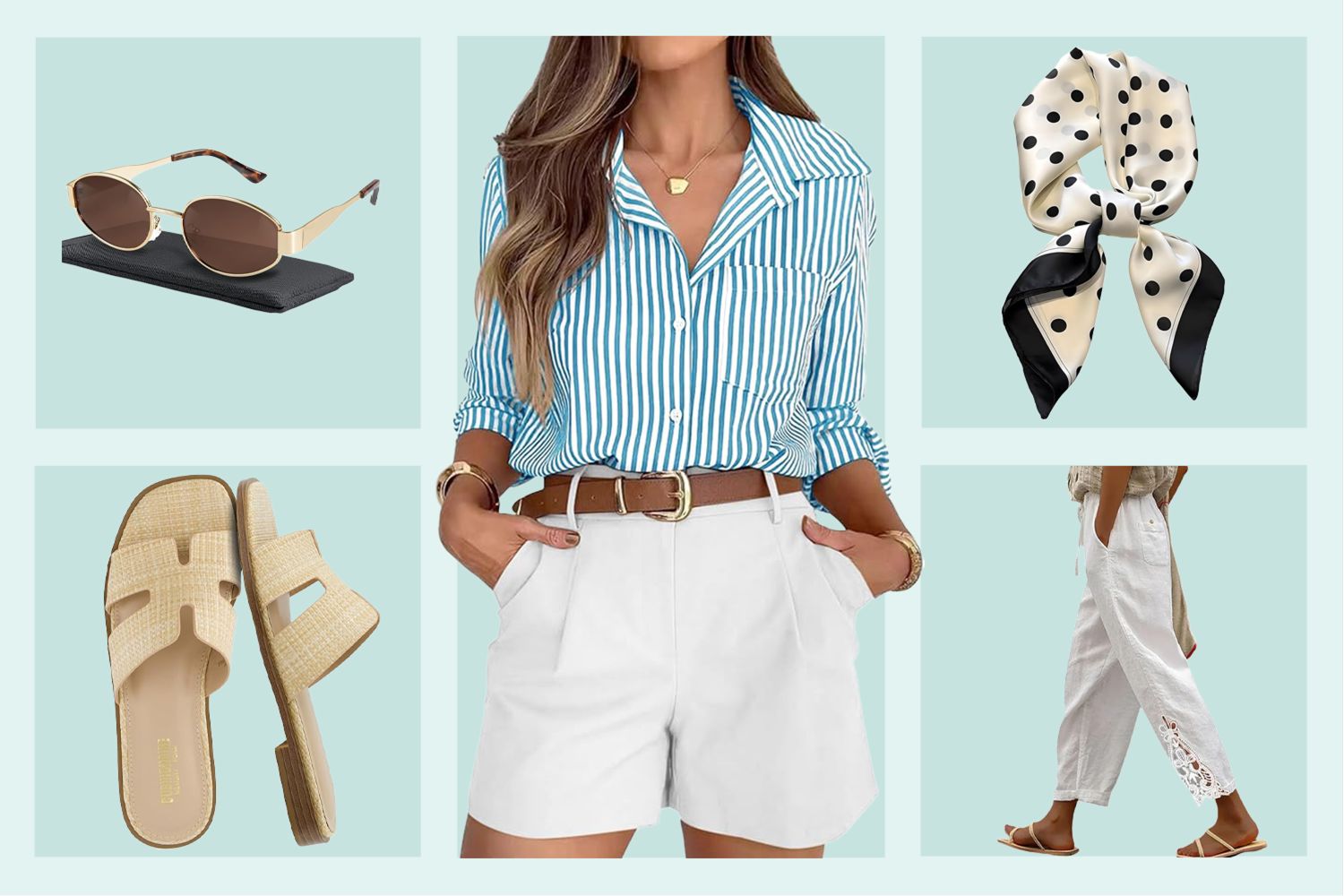
Planning a trip to Japan requires balancing high-fashion aesthetics with extreme physical demands. To curate the perfect Japan travel outfits, you need a versatile capsule wardrobe for Japan vacation that respects local modesty while surviving the heat of the Tokyo Metro. When choosing Japan travel outfits, aim for a smart casual aesthetic that balances style with cultural norms. Japanese fashion is trendy yet conservative; it is best to avoid deep necklines and keep shoulders covered when visiting shrines or temples. Opt for elevated basics like breathable linen separates, high-quality selvedge denim, and versatile layers to adapt to shifting temperatures between outdoor exploration and air-conditioned transit.
The Fashion Editor's 2026 Japan Packing Philosophy
Whenever I touch down at Narita or Haneda, I notice a distinct "vibe shift." The Japanese aesthetic—particularly in 2026—is moving toward a hyper-polished minimalism. It is less about loud logos and more about the silhouette and the quality of the fabric. To nail what to wear in Tokyo for a fashion editor look, think about structured shapes and muted color palettes. Black, navy, beige, and charcoal are your best friends here. They hide the grime of travel and allow you to mix and match with ease.
This approach is practical for more than just aesthetics. Statistics show that shopping accounted for 27.0% of the record-high 9.4 trillion yen spent by international tourists in Japan recently. People aren't just coming for the sushi; they are coming for the clothes. Apparel and luxury goods are among the most popular duty-free categories. If you pack too many specialized outfits, you won't have room for the incredible Japanese selvedge denim or oversized linen coats you’ll inevitably find in Aoyama or Daikanyama.
My rule of thumb is to build a versatile travel wardrobe for Japan around elevated basics. Think of a high-quality white t-shirt, a crisp button-down, and a pair of perfectly tailored trousers. These pieces allow you to transition from a morning at the Nezu Museum to a high-end sushi omakase without a wardrobe change.
Footwear First: Navigating the 10,000-Step Rule
If there is one thing that catches first-time travelers off guard, it’s the walking. Japan is a pedestrian’s paradise, but your feet will feel every bit of it. Approximately 68% of consumers in the Japanese apparel market identify comfort as the most important criteria for clothing and footwear. This is a culture built on transit and movement, where locals frequently clock 10,000 to 15,000 steps just during a standard commute.
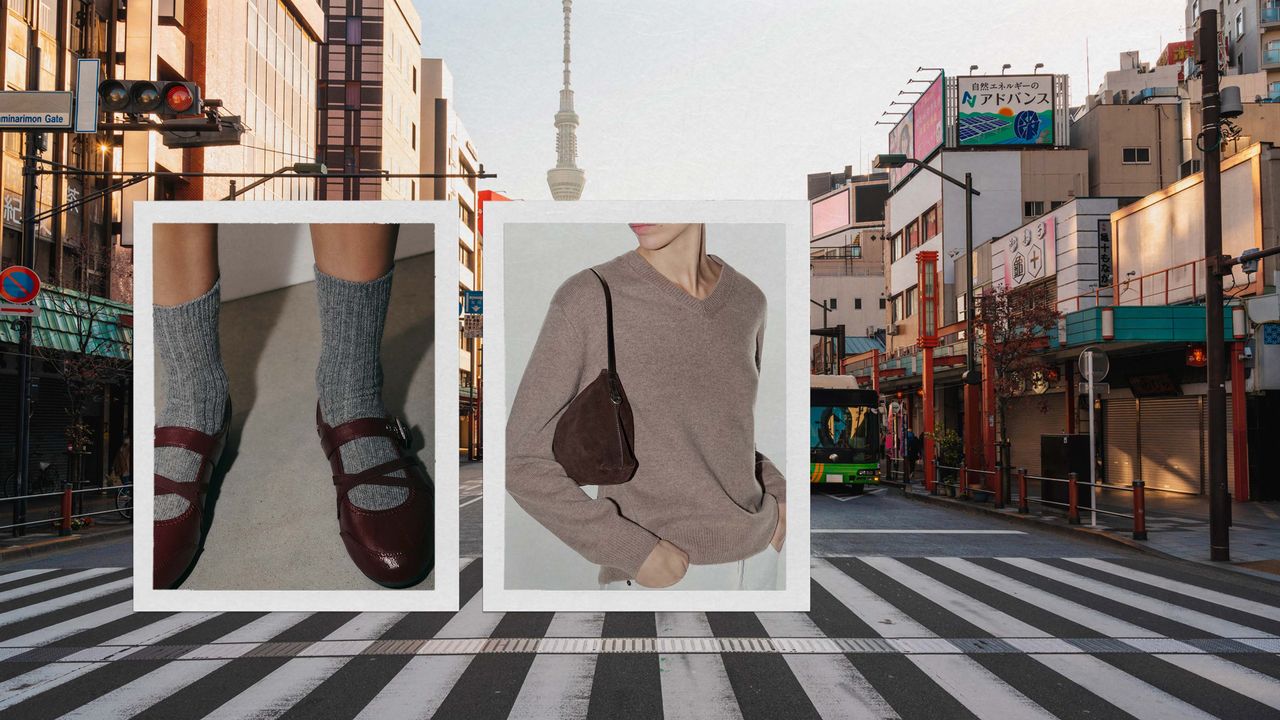
The best shoes for walking in Japan are lightweight sneakers or supportive flats that are easy to slip on and off. Why the slip-on requirement? Because shoe removal etiquette is a cornerstone of Japanese life. You will be stepping out of your footwear at temples, traditional ryokan inns, some fitting rooms, and even certain restaurants. Fiddling with complicated laces three times a day becomes a chore.
I always opt for urban exploration footwear like retro-style sneakers that look just as good with a midi skirt as they do with jeans. More importantly, packing high-quality, hole-free socks is essential. Your feet will be on display more than you think, and in a culture that values cleanliness and detail, a tattered sock is a major fashion faux pas. For long days of sightseeing, prioritize footwear that offers both style and serious cushioning.
Scenario Style: From Shinkansen Comfort to Temple Modesty
Crafting a Japan packing list essentials means preparing for a series of very different environments. Your outfit for a neon-lit night in Shinjuku won't necessarily work for a quiet morning in a Kyoto Zen garden.
For inter-city travel, Shinkansen travel comfort is the priority. The bullet trains are pristine and incredibly comfortable, but the temperature can fluctuate. I recommend moisture-wicking undergarments and breathable fabrics like cotton or linen. A lightweight jacket is a must-pack; even in the humid summer months, the air conditioning on trains and in department stores can be quite aggressive.
When you head to Kyoto or any of the rural shrine districts, you need to transition to modest travel outfits for Japan temples. While there isn't usually a strict "no entry" policy, it is a sign of respect to cover your shoulders and knees. This is where those breathable linen separates really shine. A long-sleeved linen blouse paired with a wide-leg trouser or a maxi skirt keeps you cool while adhering to local standards.
In Tokyo, the "neighborhood" vibe dictates the style. If you’re heading to Shimokitazawa to hunt for vintage treasures, you can lean more into eclectic, layered looks. However, if you're spending an afternoon in Ginza—where women's clothing represented approximately 86.8 billion yen in sales—you'll want to lean into more sophisticated, tailored pieces. Think of Ginza as the 5th Avenue of Tokyo; it's a place where people dress to be seen.
The 'Leave Room' Strategy: Shopping and Logistics
My biggest piece of advice for how to pack light for Japan shopping trips is to use the "one-in, one-out" rule, or better yet, the "half-empty suitcase" rule. Japan is a shopping powerhouse. You will want space for J-Beauty shopping—think high-end sunscreens and cleansers—and perhaps even some traditional ceramics or stationery.
To stay organized, use compression packing cubes. They are a game-changer for keeping your versatile capsule wardrobe for Japan vacation compact and wrinkle-free. I always pack a packable sun hat and a crossbody bag for hands-free travel, ensuring I can navigate the busy hubs of Shibuya or Osaka’s Dotonbori without being weighed down.
Warning: Medication Laws Japan has strict laws regarding certain medications. Some common over-the-counter items in the US or Europe, such as certain antihistamines, Vicks VapoRub, or medications containing pseudoephedrine, are restricted or prohibited. Always check the official Ministry of Health, Labour and Welfare website before you pack your medical kit.
Beyond the clothes, focus on the logistical lifesavers. Registering for the Visit Japan Web service ahead of time will save you hours at customs. I also highly recommend looking into "Takkyubin" (luggage forwarding services). For a small fee, you can send your large suitcases from your hotel in Tokyo to your next stop in Kyoto, allowing you to travel on the bullet train with just a small tote. It’s the ultimate fashion editor hack for stress-free travel.
FAQ
What should I wear for a trip to Japan?
Focus on a smart casual aesthetic with neutral colors. Pack breathable linen separates for the summer or heat-tech layers for the winter. Ensure your outfits are polished yet comfortable enough for 10,000+ steps.
Is there a dress code for visiting temples in Japan?
While rarely enforced with "bouncers," modesty is a sign of respect. Aim for modest travel outfits for Japan temples that cover your shoulders and knees. Avoid anything too revealing or loud.
What are the best walking shoes for Japan travel?
The best walking shoes for Japan travel are supportive, cushioned sneakers or flats that are easy to slip on and off. You will frequently remove your shoes, so functionality and high-quality socks are non-negotiable.
Are leggings acceptable to wear in public in Japan?
Leggings are generally seen as athletic wear or an under-layer. While tourists can wear them, you’ll blend in better if you style them with a long tunic or dress, or opt for loose-fitting trousers instead for a more "Japanese chic" look.
Do I need to dress up for dinner in Japan?
Most restaurants follow a smart-casual dress code. You don't necessarily need a cocktail dress or a suit, but "neat" attire is valued. Dark denim or tailored trousers with a nice blouse will get you through almost any dining experience in Tokyo.
The secret to a perfect Japan trip lies in that delicate balance between form and function. By focusing on quality fabrics, respectful silhouettes, and the right footwear, you’ll not only feel comfortable during those long sightseeing days but you’ll also feel at home in one of the most stylish countries on earth. Pack light, pack smart, and leave plenty of room for those Ginza treasures.