Quick Facts
- Route Length: Approximately 900 kilometers from central France to the Atlantic coast.
- UNESCO Status: The valley contains 42 of these historic monuments designated as World Heritage sites.
- Difficulty: Predominantly flat terrain following paved cycle paths along riverbanks.
- Crowd Growth: Popularity is surging, with 1.8 million cyclists recorded on the route in 2022.
- Logistical Hack: Regional Train Loire à Vélo services feature dedicated carriages for bicycles.
- Key Highlight: The Renaissance architecture and French formal gardens of Château de Villandry.
Experience France’s 'Garden of Kings' on two wheels with our comprehensive Loire Valley cycling guide. In 2026, those exploring the Loire à Vélo route will find it remains the gold standard for European bike tourism, offering 800km of paved paths and UNESCO World Heritage status. Whether you are planning a beginner friendly 3-day Loire Valley cycling itinerary or a self-guided châteaux tour, we cover the essential logistics from bike friendly hotels in Loire Valley with luggage transfer to train-and-ride strategies.
Planning Your Self-Guided Loire Valley Châteaux Tour
Embarking on a Loire Valley cycling adventure requires more than just a sturdy pair of legs; it requires an understanding of the local rhythm. The region is exceptionally welcoming to cyclists, largely thanks to the Accueil Vélo certification. When booking your stay, look for this green leaf logo. It guarantees that the accommodation is situated less than 5km from a cycle route and provides secure bike storage, repair kits, and a breakfast tailored for travelers on the move. Many of these establishments also facilitate baggage forwarding services, allowing you to cycle light while your suitcases are whisked away to your next stop.
Safety and local laws are equally important for a stress-free journey. France maintains strict regulations for cyclists. For instance, you can face an 11 Euro fine for missing lights or reflectors when riding at night or in low visibility. Additionally, the legal alcohol limit for cyclists is 0.2 mg/l of exhaled air, which is something to keep in mind when visiting the tempting wine caves of the region.
One of the most practical tips for cycling the Loire Valley in June or the peak summer months is to account for the midday pause. In smaller villages, shops and some smaller monuments may close between 12:00 and 14:00. This is the perfect time to find a shaded spot by the river and enjoy a local pastry like the Fer de Cheval. Planning a self-guided Loire Valley châteaux bike tour successfully means pacing yourself around these cultural nuances while enjoying the scenic, paved cycle paths.
Beginner-Friendly Routes: Orléans to Amboise
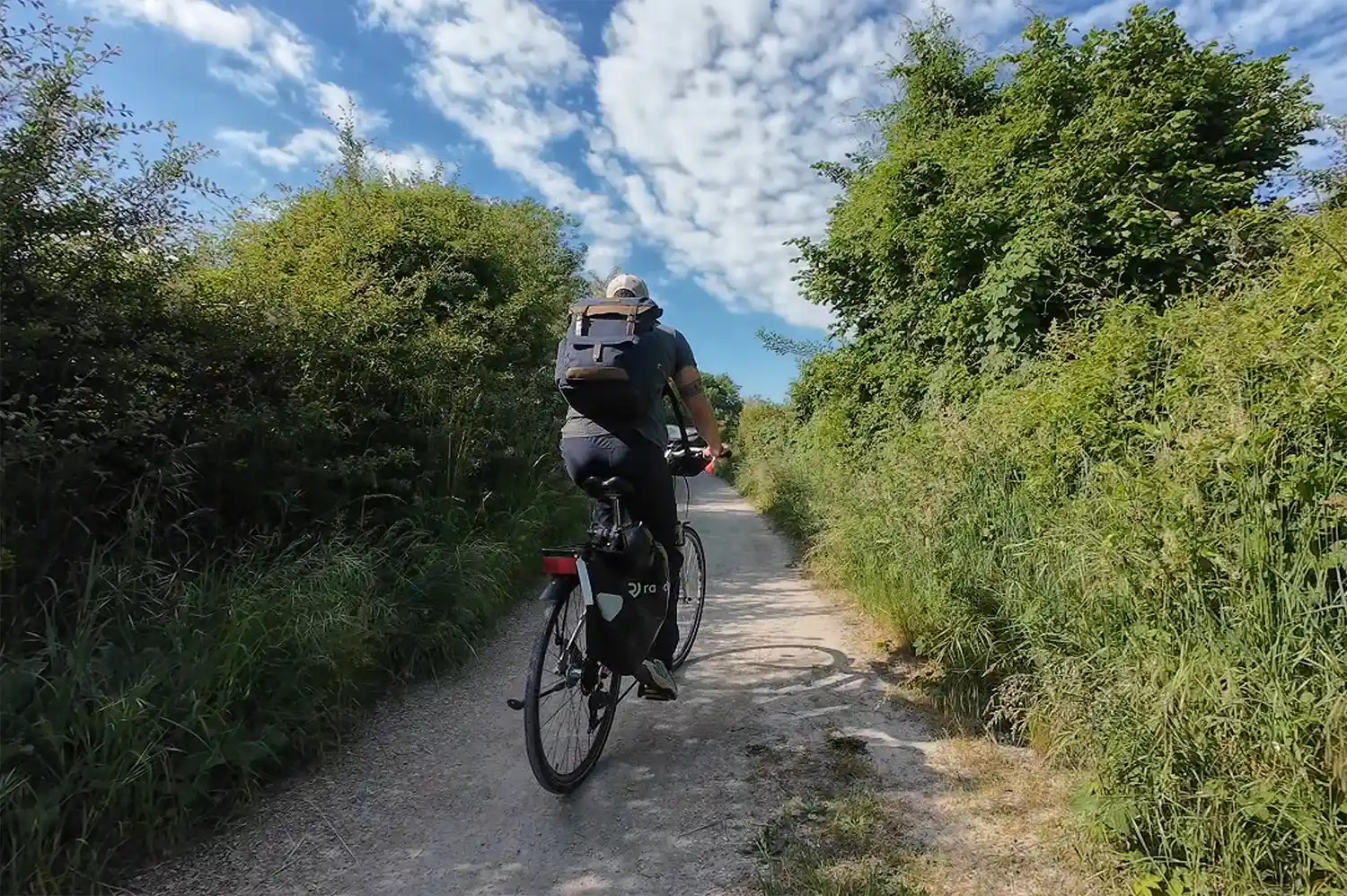
For those concerned about Loire à Vélo difficulty and elevation for beginners, the stretch from Orléans toward Amboise is remarkably forgiving. This segment takes you through the heart of the valley’s royal history. Starting in Orléans, you can track the river for approximately 60km toward the medieval city of Blois. A highlight along this path is the former railway bridge at Sully-sur-Loire, which has been converted into a dedicated cycling passage, offering panoramic views of the water without the interference of car traffic.
As you navigate the cycling from Blois to Amboise castle route, you will encounter the Château de Chaumont. Perched dramatically on a hill, it is famous for its International Garden Festival, where contemporary landscape designers create experimental installations. Further west, history buffs should not miss the Royal Fortress of Chinon. Here, the integration of 15th-century influence and modern technology is seamless; visitors use HistoPad AR tech—a tablet-based augmented reality guide—to see the medieval rooms as they appeared during the time of Joan of Arc.
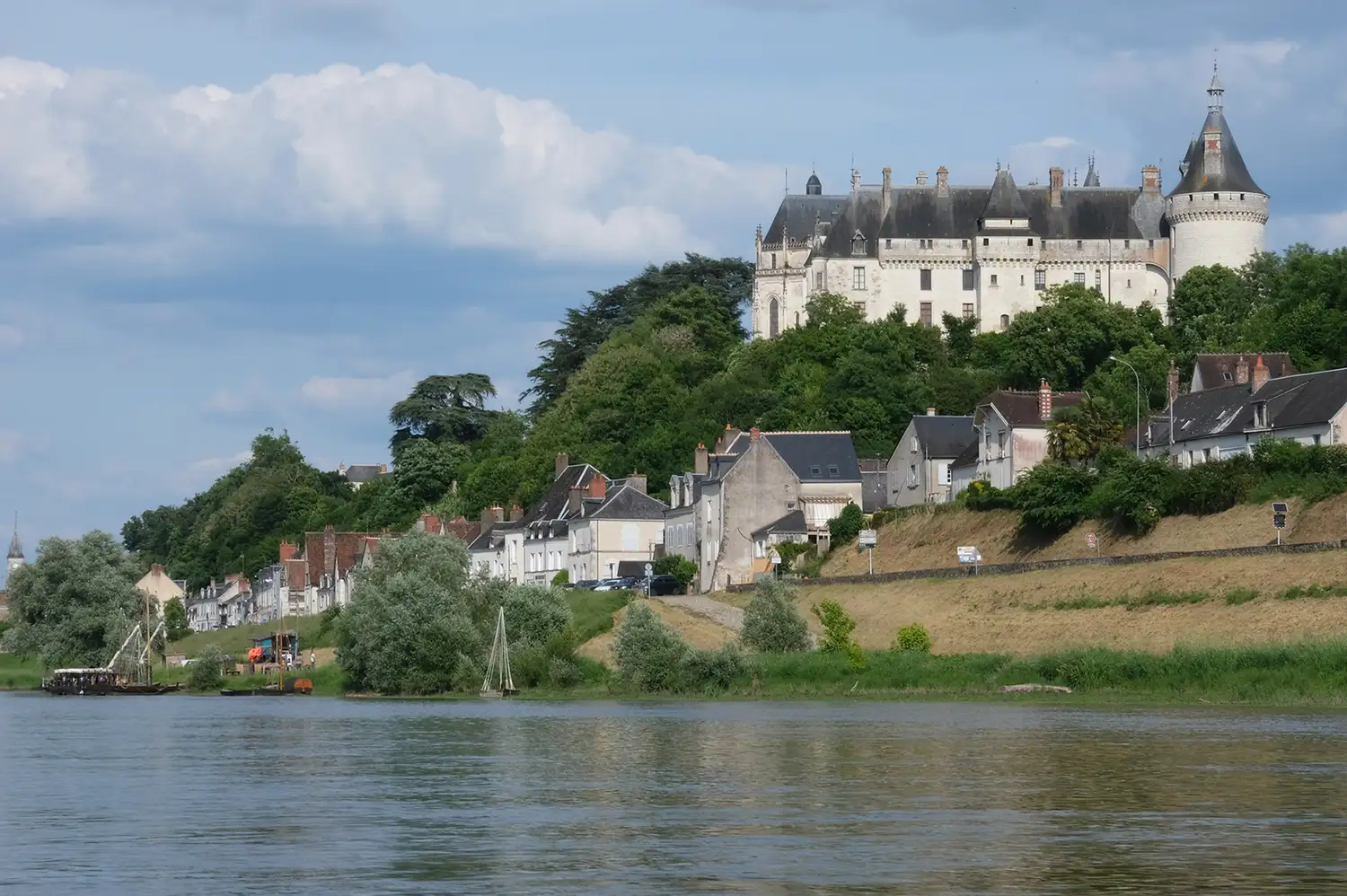
This entire section is characterized by wide, paved cycle paths that keep you away from major roads. It is the quintessential introduction to Loire Valley cycling, where the primary challenge is not the incline of the road, but deciding which fortress to tour next.
Deep Dive: Amboise to Saumur & The Wine Caves
Continuing west, the landscape shifts slightly as you enter the territory of limestone cliffs and expansive vineyards. Amboise serves as a cultural anchor, home to the Clos Lucé, the final residence of Leonardo da Vinci. Cycling through the town, you can feel the weight of Renaissance architecture and the legacy of the geniuses who once walked these streets.
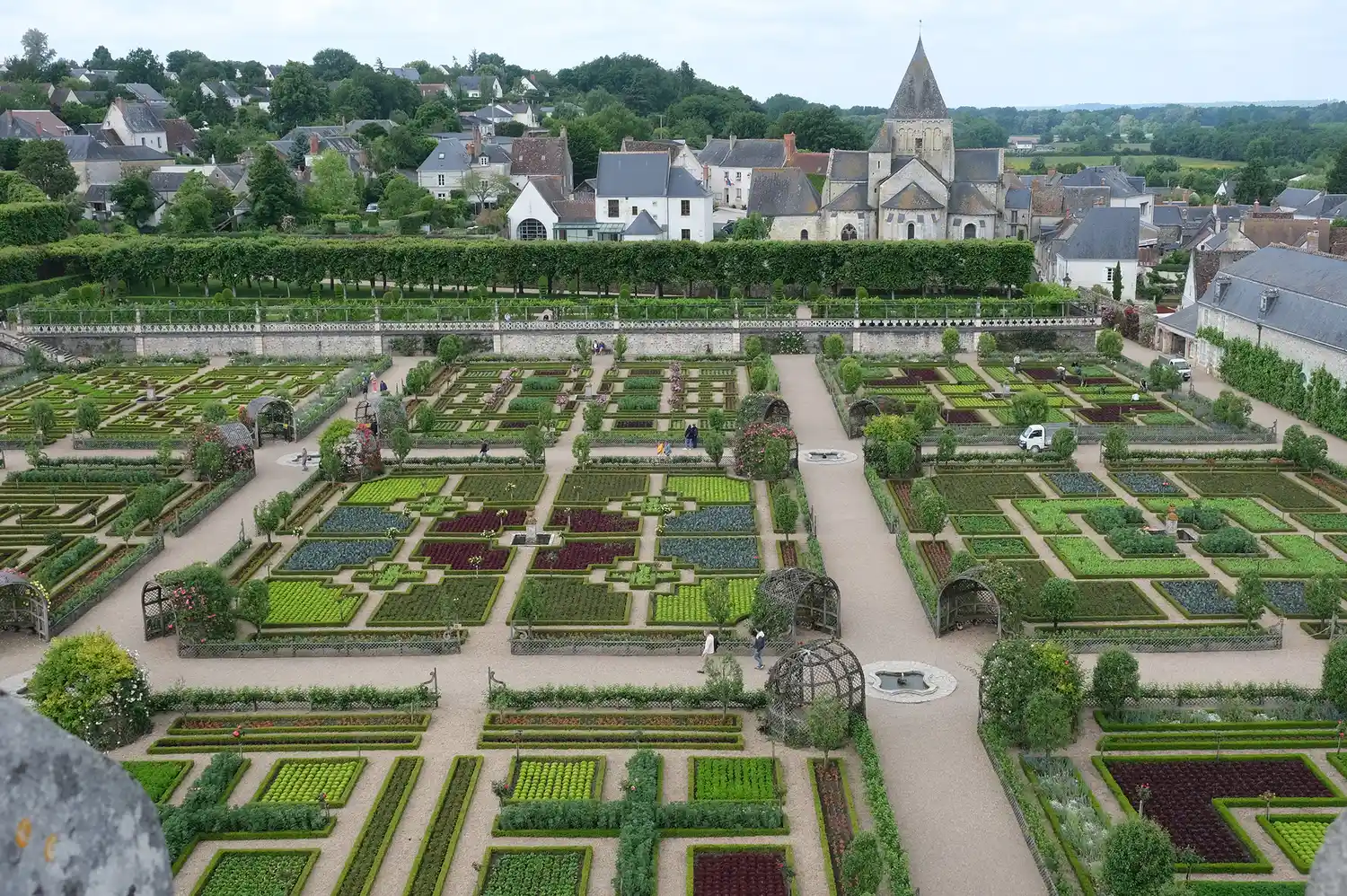
A best 3-day Loire Valley cycling itinerary often culminates in the stretch near Tours and Villandry. The Château de Villandry is legendary for its French formal gardens. These are not just aesthetic parks but complex, geometric kitchen gardens where vegetables and flowers are arranged in stunning patterns. Viewing these from the elevated terraces offers a perspective on the sheer scale of the region's horticultural heritage.
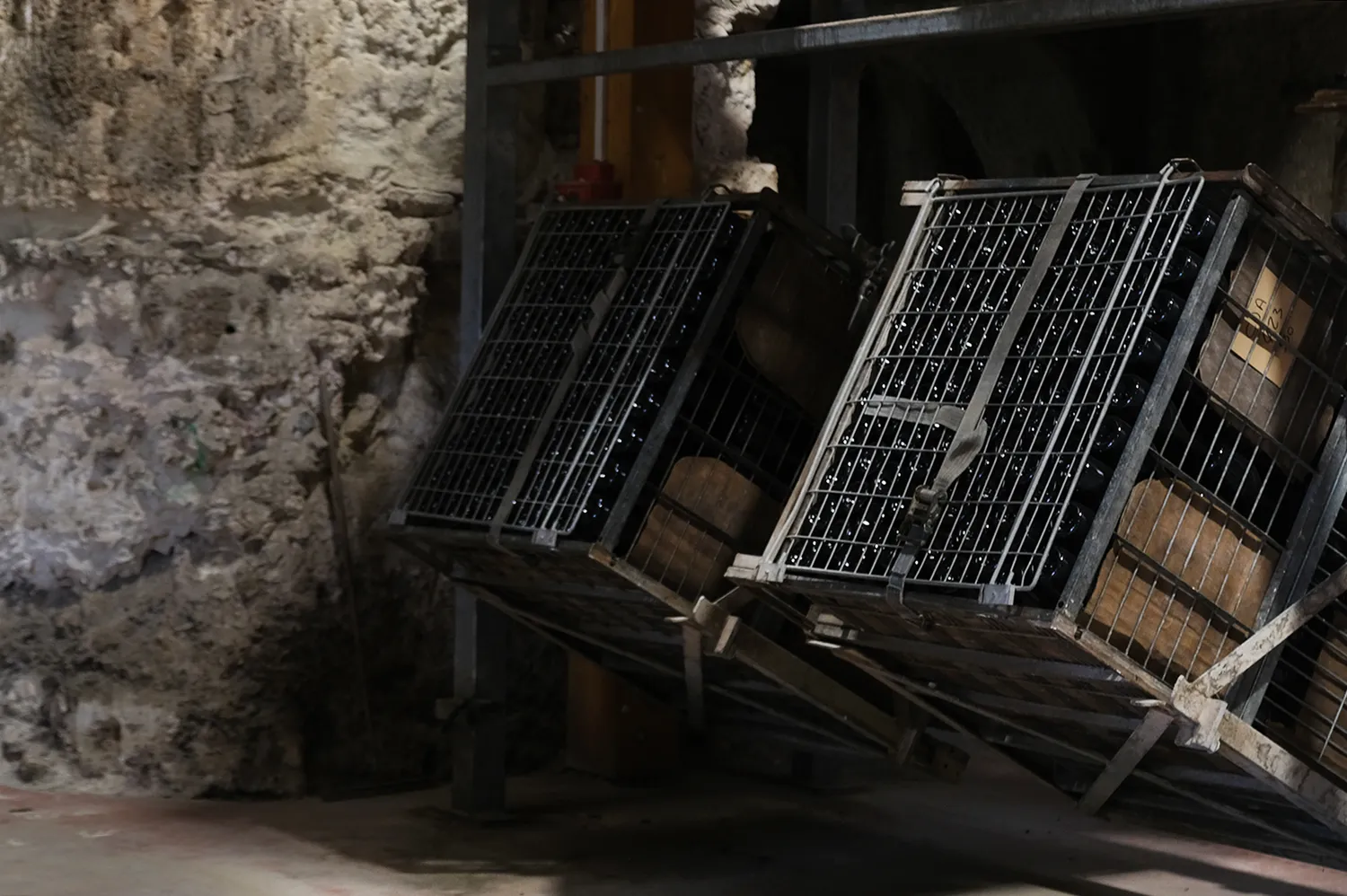
As the day warms up, the best wine caves in Loire Valley for bike tours offer a natural reprieve. The region is famous for its troglodyte dwellings—homes and cellars carved directly into the soft tufa limestone cliffs. In Rochecorbon and Saumur, you can ride your bike right up to the entrance of these cool, dark tunnels. Here, you can sample sparkling Vouvray or crisp Chenin Blanc while learning about the regional gastronomy and the unique aging process that these underground galleries provide. For a truly immersive experience, some troglodyte hotel stays allow you to sleep within the stone walls, providing a quiet and naturally temperature-controlled environment.
The 'Bike-on-Train' Advantage: Managing Logistics
Perhaps the most significant innovation for modern travelers is the Loire Valley bike and train travel logistics. The regional government operates the Train Loire à Vélo system, a seasonal service on the TER line that runs between Orléans, Tours, Saumur, and Nantes. During the summer months, these trains are equipped with specialized carriages that can hold dozens of bicycles, and staff are often on hand to help with loading.
This system effectively removes the "point-to-point" pressure of a traditional tour. If a 50km day feels too ambitious, or if you simply want to spend an extra afternoon in a particular vineyard, you can hop on a train to skip the next segment or return to your base city. Furthermore, E-bike charging stations are now a common sight at many monuments and vineyards, ensuring that those using electric assistance never have to worry about running out of power mid-route.
| Segment | Distance | Top Attraction |
|---|---|---|
| Orléans to Blois | 65 km | Château de Chambord (nearby) |
| Blois to Amboise | 40 km | Château de Chaumont |
| Amboise to Tours | 30 km | Clos Lucé (Da Vinci's House) |
| Tours to Villandry | 20 km | French Formal Gardens |
| Villandry to Saumur | 60 km | Troglodyte Wine Caves |

Navigating the Loire Valley cycling châteaux routes in 2026 is an exercise in European elegance. The infrastructure has evolved to support every type of traveler, from the hardcore endurance cyclist to the family looking for a leisurely afternoon among the sunflowers and turrets. By utilizing the baggage forwarding services and the convenient rail connections, you can focus on what truly matters: the crisp air of the riverbanks, the scent of the rose gardens, and the timeless beauty of France's architectural masterpieces.
FAQ
How many days do you need to cycle the Loire Valley?
Most travelers find that 5 to 7 days allow for a comprehensive experience of the core section between Orléans and Saumur. This timeframe allows for 35-50km of riding per day with ample time to tour two major châteaus and enjoy long lunches. If you only have a weekend, a 3-day itinerary focusing on the Blois to Amboise stretch is highly recommended.
Is cycling in the Loire Valley difficult or hilly?
The route is remarkably flat. Because it follows the natural path of the river, there are very few significant inclines. Most of the path is on dedicated, paved cycle paths or very low-traffic country roads. It is considered one of the most accessible long-distance cycling routes in Europe for beginners, seniors, and families.
What is the best time of year for a Loire Valley bike tour?
Late May through June and September into early October offer the best balance of pleasant weather and manageable crowds. July and August are beautiful but can be quite warm and are the busiest months for tourism. Many châteaus and services operate with reduced hours or close entirely during the late autumn and winter seasons.
Where does the Loire à Vélo cycling route start and end?
The official route starts in the village of Cuffy, near Nevers in central France, and ends at Saint-Brevin-les-Pins on the Atlantic coast. The entire journey spans roughly 900 kilometers, though the most popular tourist section is the central valley between Orléans and Angers.
Can you rent bikes easily along the Loire Valley route?
Yes, bike rental shops are abundant in every major town along the route, such as Tours, Blois, and Amboise. Many companies offer one-way rentals, allowing you to pick up a bike in one city and drop it off in another for a small fee. E-bikes are also widely available and highly recommended for those who want to cover more ground with less effort.
Can you take bicycles on trains in the Loire Valley?
Bicycles are welcome on most regional TER trains. During the peak summer season, the specific Train Loire à Vélo service offers extra capacity and dedicated staff to assist cyclists. This is a free service, though in recent years, a small reservation fee may be required during the busiest holiday weekends to guarantee a spot for your bike.