Quick Facts
- Best Base: Puerto Varas (easy access to medical clinics and high-end supermarkets).
- Top Lodge: Hotel AWA (outstanding toddler-friendly staff and floor-to-ceiling volcano views).
- Must-Have Gear: Slumberpod and Doona hybrid car seat-stroller.
- Activity Pace: Limit to one major nature excursion per day to honor nap schedules.
- Peak Season: October to April; February offers the driest weather for outdoor exploration.
- Travel Ease: Drive times between major hubs like Puerto Varas and Pucón are typically under two hours, ideal for young children.
- Regional Highlights: The area features seven national parks, including the historic Vicente Pérez Rosales National Park.
Planning a Chile family travel adventure with toddlers? The Lake District offers a perfect blend of luxury family lodges in Chile and remote exploration. The region is ideal for luxury family travel, offering boutique lodges like Refugia Chiloé, Hotel AWA, and Futangue that cater to families with young children. These properties provide all-inclusive expeditions, child-friendly dining, and staff support, making it possible to explore remote nature reserves and volcanoes at a slower pace suitable for toddlers and infants.
When we first considered taking a two-year-old and a six-month-old to Southern Chile, friends thought we were ambitious, perhaps even a bit wild. However, navigating the Chile Lake District family itinerary with toddlers revealed a secret that luxury travelers have known for years: this region is one of the most supportive environments for traveling to Chile with a toddler. The combination of high-end logistics and raw, tactile nature creates a "soft adventure" that feels adventurous for parents but remains safe and manageable for the little ones.
Why Lodge-to-Lodge Works for Young Kids
The concept of a lodge-to-lodge trip often conjures images of grueling treks and heavy backpacks. But in Chile, this model has been elevated to what we call "Parental Infrastructure." When you stay at high-end lodges, you aren't just paying for a room with a view; you are paying for a team that manages the mental load of parenting in a foreign country.
The luxury value proposition here lies in the all-inclusive expeditions. Instead of navigating rental car seat anxieties or searching for toddler-friendly restaurants in a remote village, these lodges provide private vans, specialized guides, and kitchens that understand the urgency of a 5:30 PM toddler dinner. By choosing luxury family lodges in Chile, we found that we could actually participate in nature rather than just managing logistics around it. The golden rule we adopted was "one win per day." Whether it was seeing a volcano or touching a giant rhubarb leaf, we focused on high-interest experiences for young children and left the rest of the day for recovery and play.
Hub 1: Chiloé Island – Coastal Magic and Foraging
| Feature | Refugia Chiloé (Tierra Chiloé) Details |
|---|---|
| Best For | Tactile nature and boat-based exploration |
| Childcare | Available upon request; highly attentive staff |
| Toddler Meal Policy | Early "kids tea" and flexible kitchen hours |
| Pool | Heated indoor/outdoor infinity pool |
Logistical Snapshot: Chiloé
- Travel Time: A 30-minute ferry from the mainland plus a 40-minute drive.
- Altitude: Sea level (ideal for infants).
- Stroller Access: Low on trails; high within the lodge and nearby towns.
Our journey began on the misty, mythical Isla de Chiloé. Staying at Refugia (now Tierra Chiloé) felt like living in a high-design cocoon. This hub is where we discovered some of the best nature activities for toddlers in Chiloé Chile.
The highlight for our two-year-old was shellfish foraging along the pullao wetlands. For a toddler, a beach isn't just a scenic view; it is a giant sensory bin. Under the guidance of our lodge specialist, we searched for clams and learned about the tides. It was slow travel at its finest. We also visited the UNESCO-protected wooden churches, which are surprisingly low-impact for little legs.
No trip to Chiloé is complete without a Curanto traditional feast. Watching the locals prepare food in an earth oven—using hot stones, seafood, meat, and potato dumplings covered in giant pangue leaves—was a theatrical experience that captivated the kids. The lodge handles these traditional moments with boutique hospitality services, ensuring the environment remains comfortable and safe for toddlers to watch and eventually taste.
Hub 2: Puerto Varas – Volcano Views and Lakeside Ease
Logistical Snapshot: Puerto Varas
- Travel Time: 25 minutes from El Tepual Airport (PMC).
- Proximity: Walking distance to pharmacies and supermarkets.
- Stroller Access: High on the lakeside promenade.
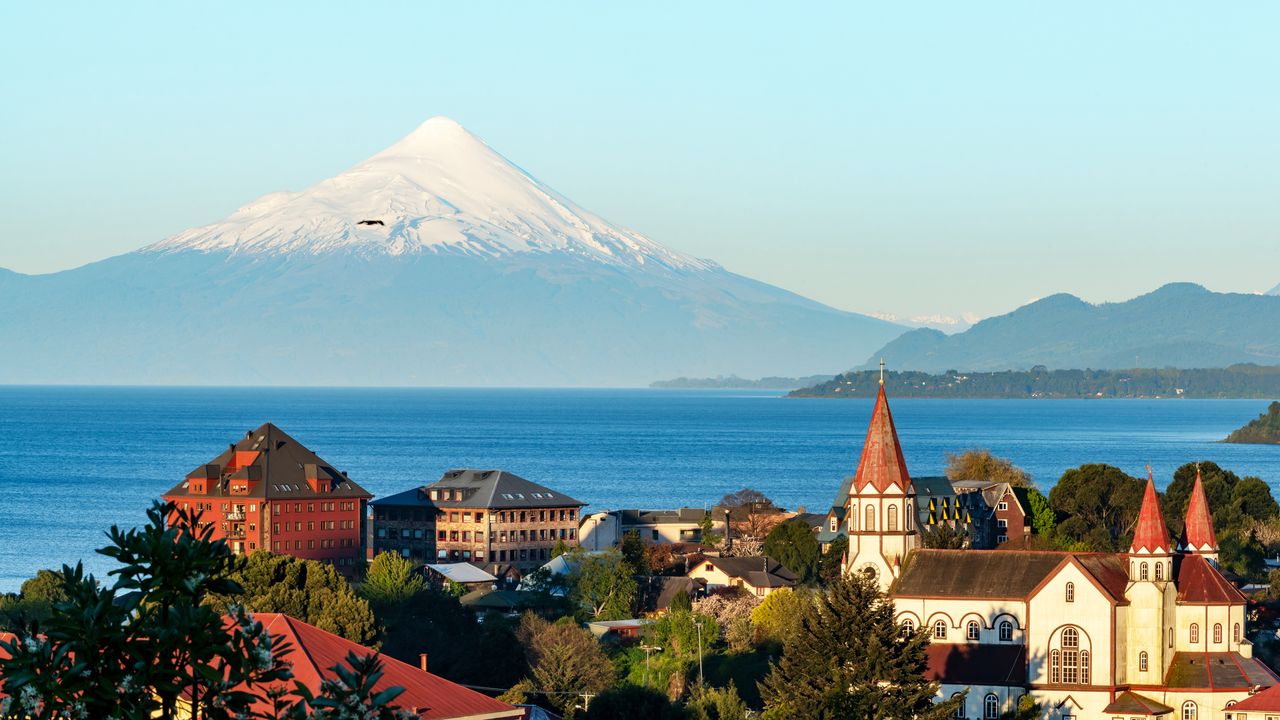
Transitioning back to the mainland, we used Puerto Varas as our second anchor. This town is the gateway to the Lake District and offers a practical guide to visiting Puerto Varas with kids because it balances nature with urban convenience. We stayed at Hotel AWA, situated right on the shores of Lake Llanquihue.
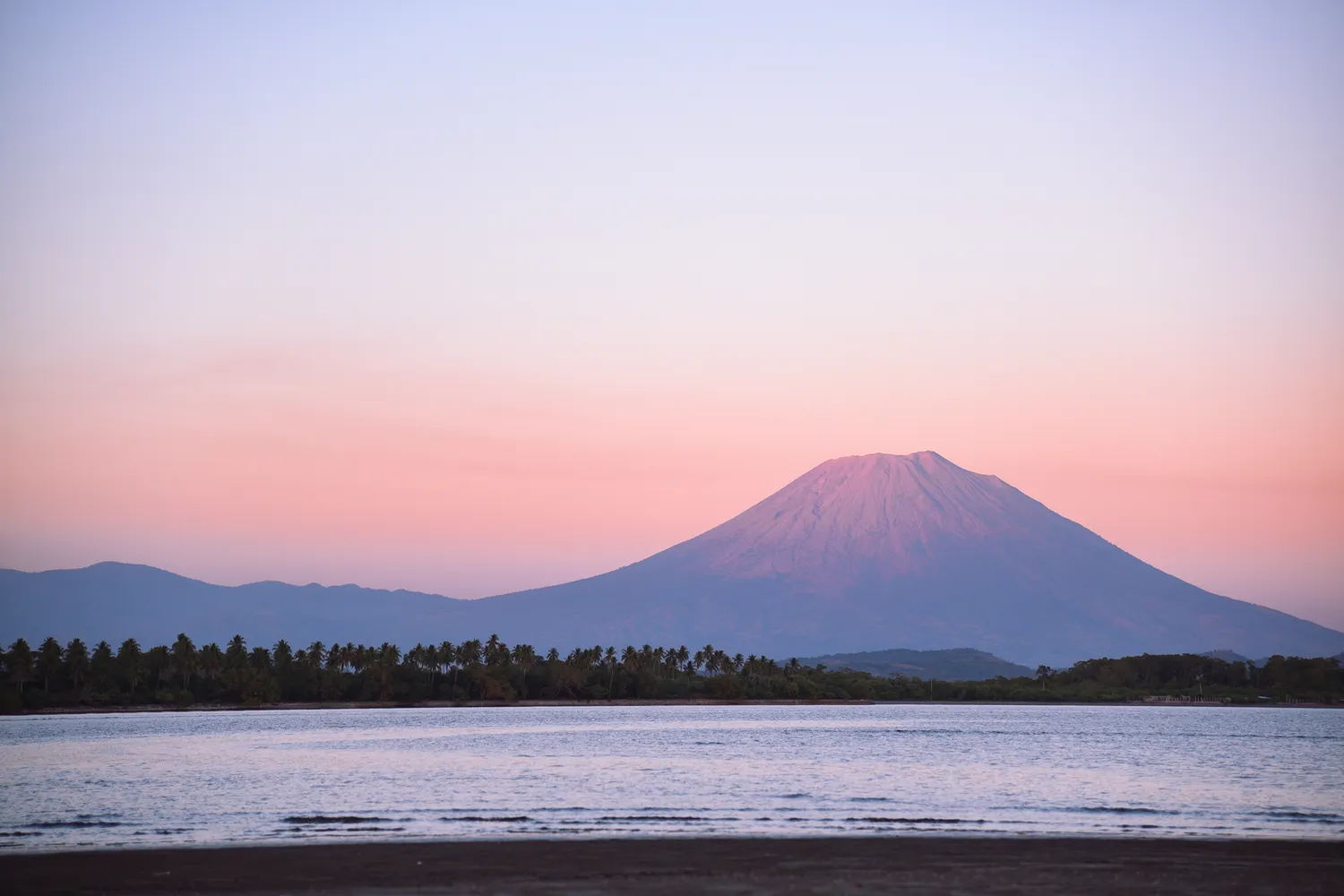
During the peak summer travel season from November to March, this region experiences approximately 15 to 16 hours of daylight with average high temperatures ranging from 20°C to 25°C. These long days were a blessing. We could spend the morning staring at the snow-capped Osorno Volcano and the afternoon taking a private boat excursion across the lake.
Having a private boat or van allowed us to be flexible with nap schedules. If the baby fell asleep, we simply cruised a bit longer while the toddler watched for birds. For parents, the proximity of Puerto Varas to medical clinics and high-quality grocery stores provides a safety net that is often missing in more remote parts of Patagonia.
Hub 3: Futangue Nature Reserve – Searching for Darwin’s Frogs
Logistical Snapshot: Futangue
- Travel Time: About 2.5 hours from Puerto Varas.
- Environment: Temperate rainforest with well-maintained gravel paths.
- Highlights: Waterfalls and micro-wildlife.
For the final leg of our Chile Lake District family itinerary, we headed into the deep green of the Futangue Nature Reserve. This is where we truly tested the limits of lodge-to-lodge family travel. Futangue is a private reserve that feels like a prehistoric fairytale.
When traveling to Chile with a 2 year old and infant, you quickly learn that the "big" sights—like mountains—matter less to them than the "tiny" sights. Our guide at Futangue led us on an expedition to find Darwin’s frogs. These tiny, leaf-mimicking amphibians are legendary in the region. Crawling through the soft moss of the temperate rainforest to find a frog the size of a thumbnail was the peak of the trip for our toddler.
The lodge at Futangue is beautifully designed with thick wooden beams and cozy fireplaces, providing a warm refuge after a day in the damp forest. The gravel paths are surprisingly stroller-friendly, though a rugged carrier is recommended for the deeper forest trails.
The Toddler Survival Gear Guide
Traveling with young children requires specific infrastructure. While the lodges provide the luxury, you need to bring the "home base" to ensure everyone gets enough sleep.
- Slumberpod: This was our MVP. Most boutique lodges in Chile have beautiful, large windows (great for views, bad for toddler sleep). The Slumberpod created a blackout environment in the hotel room, allowing us to keep the lights on in our half of the suite while the kids slept.
- Doona Car Seat-Stroller: For domestic flights between Santiago and Puerto Montt, the Doona saved us from hauling two separate pieces of equipment. It is perfect for navigating airports and the paved areas of Puerto Varas.
- Hybrid Carrier: A soft-structured carrier is essential for remote nature reserves like Futangue where strollers can't reach.
- High-SPF Sunscreen: The Southern Hemisphere sun is intense. Even on cloudy days in the Lake District, UV levels are high.
Managing toddler sleep routines during Chile family trips is often the hardest part of the journey. We found that by sticking to the "lodge-to-lodge" model, where the staff stays the same for 3-4 days, the kids felt more "at home," which significantly aided their ability to settle in new environments.
Reality Check: Budget vs. Practicality
A luxury lodge-to-lodge trip in Chile is an investment. Our 10-day itinerary, including private transfers, all-inclusive meals, and specialized guides, came to approximately $21,500 for a family of four. This price point covers the "survival" factor—having someone else worry about the 4x4 vehicle maintenance, the safety of the drinking water, and the logistics of domestic flight connections.
However, if you are looking for a more budget-friendly approach, you can rent a car and stay in private cabins (cabañas) for around $150 to $250 per night. If you go this route, work with a travel specialist to ensure you secure rear-facing car seats. While major car rental agencies are available at PMC airport, age-appropriate safety equipment is not always guaranteed upon arrival without prior verification.
We also learned to be hyper-aware of non-verbal cues. While the Lake District is generally at a lower altitude than the Atacama or the high Andes, any travel involves fatigue. We built in "recovery days" after our long-haul flight to Santiago before heading south, which prevented the dreaded Day 3 meltdown.
FAQ
Is Chile a good destination for families?
Yes, it is exceptionally family-friendly. The infrastructure is modern, the medical care in cities like Puerto Varas is high-quality, and the culture is very welcoming toward children. People in Chile often go out of their way to accommodate families in restaurants and hotels.
What is the best time to visit Chile with kids?
The best time is during the Southern Hemisphere summer, from late October to March. This period offers the most stable weather and the longest daylight hours, which is helpful for keeping kids active and sticking to outdoor schedules.
Is Chile safe for family travel?
Chile is widely considered one of the safest countries in South America. In the Lake District specifically, the pace is slow and the environment is very secure. As with any travel, standard precautions apply, particularly in larger hubs like Santiago or Puerto Montt.
What food is child-friendly in Chile?
Chilean food is generally mild and very accessible for kids. Empanadas (especially cheese), fresh fruits, grilled chicken (pollo a la plancha), and avocado (palta) are staples. Most high-end lodges are happy to prepare simple pastas or vegetable purees for babies.
Are strollers practical to use in Santiago?
In newer neighborhoods like Las Condes or Providencia, strollers are quite easy to use. However, in the historic center, uneven pavement and crowds can make it difficult. We recommend a mix of a lightweight stroller and a baby carrier for the capital.
Is it easy to travel around Chile with children?
Domestically, the flight network is excellent. For regional travel in the Lake District, renting a car or booking private lodge transfers is much easier than using public buses, especially when managing diapers, strollers, and child nap schedules.
Start Your Chilean Adventure
Every parent knows that "vacationing" with toddlers is often just "parenting in a different location." But when that location is the Chile Lake District, the experience transforms. By leaning on the support of luxury family lodges in Chile and prioritizing slow, tactile nature experiences, we found a way to share the world with our children without losing our minds. Whether it's foraging on Chiloé or hunting for tiny frogs in Futangue, Chile offers a rare kind of magic that parents and toddlers can enjoy together.