Quick Facts
- Cost Efficiency: The average daily budget is approximately €145, which is roughly 41% lower than the average required on the Amalfi Coast.
- Luxury Value: High-end dining and beach club services are estimated to cost between 30% and 40% less than equivalent premium Italian destinations.
- Accolades: Marbella was voted the Best European Destination for 2024 by over one million travelers.
- Climate: Features a unique microclimate with 320 sunny days per year.
- Accessibility: Direct express buses from Málaga Airport cost only €8 to €10 and take under an hour.
- Activities: A mix of 16th-century history in the Old Town, 4,000-foot mountain peaks, and world-class luxury at the Golden Mile.
A comprehensive Marbella travel guide reveals a destination that masterfully bridges the gap between old-world Spanish charm and modern luxury. Travelers can immerse themselves in the whitewashed beauty of Casco Antiguo or experience the high-octane glamour of the Golden Mile and Puerto Banús, often at a price point far more accessible than other Mediterranean hotspots.
The Allure of Marbella: Europe’s 2024 Top Destination
For decades, the mention of the Mediterranean jet set conjured images of Positano’s vertical cliffs or the manicured harbors of Monaco. However, a significant shift in European travel trends has placed Andalusia firmly back on the pedestal. In a global survey of over one million travelers, Marbella was voted the Best European Destination for 2024, marking the first time a Spanish city has secured the top ranking. This recognition is not merely a result of its 320 days of annual sunshine, but rather its ability to provide a multifaceted experience that satisfies the search for Marbella vs Amalfi Coast cost comparison.
Marbella offers a diverse range of activities, from exploring the historic Casco Antiguo's whitewashed streets and Plaza de los Naranjos to lounging at world-class beach clubs along the Golden Mile. For those planning a Marbella travel guide for first timers, the appeal lies in this duality. You can spend a morning hiking the 4,000-foot La Concha peak for views of Gibraltar and North Africa, and by afternoon, you are sipping champagne in a setting that rivals the French Riviera. Historically, this region served as a quiet fishing village until the mid-20th century, but today it represents the pinnacle of the Mediterranean lifestyle while maintaining its deep-rooted Spanish soul.
The city serves as an ideal base for broader geographic exploration. History buffs can take day trips to the historic bullring in Ronda or the museums of nearby Málaga, while outdoor enthusiasts flock to the Sierra Blanca mountain range. It is this combination of geographical variety and cultural density that secures its position as the premier best things to do in Marbella recommendation for 2026.
Málaga to Marbella Transportation: The Logistical Hack
Navigating the Costa del Sol is surprisingly straightforward, provided you understand the local logistical nuances. Most international visitors arrive via Málaga-Costa del Sol Airport (AGP), which is the primary gateway to the region. From here, you have several choices for Málaga to Marbella transportation that cater to different budgets and time constraints.
For the value-conscious traveler, the Avanza express bus is the undisputed champion. A direct route connects the airport to the Marbella bus station in roughly 45 to 60 minutes. Tickets cost approximately €8 to €10, and the buses are modern, air-conditioned, and equipped with luggage storage. This is a significant saving compared to private transfers, which typically cost between $75 and $105 for the 45-minute journey.
| Option | Cost (Approx.) | Duration | Best For |
|---|---|---|---|
| Avanza Express Bus | €8 - €10 | 45-60 mins | Budget/Solo Travelers |
| Taxi / Private Transfer | $75 - $105 | 45 mins | Families / Convenience |
| Car Rental | €30+ per day | Flexible | Exploring white villages |
| Ferry (to Puerto Banús) | €20 | 30 mins | Scenic arrival |
If you are following a Malaga airport to Marbella bus guide, remember that the Marbella bus station is slightly outside the city center. A short five-minute taxi ride or a local bus (Line L-1) will take you the rest of the way to the Old Town or the beachfront. While a car is recommended for exploring mountain villages like Ojén or the scenic climbs of Sierra Blanca, most visitors find that the local bus network efficiently connects the city center to Puerto Banús and San Pedro Alcántara. For a more unique experience, consider the ferry that runs between Marbella and Puerto Banús for around €20, offering a stunning perspective of the shoreline from the water.
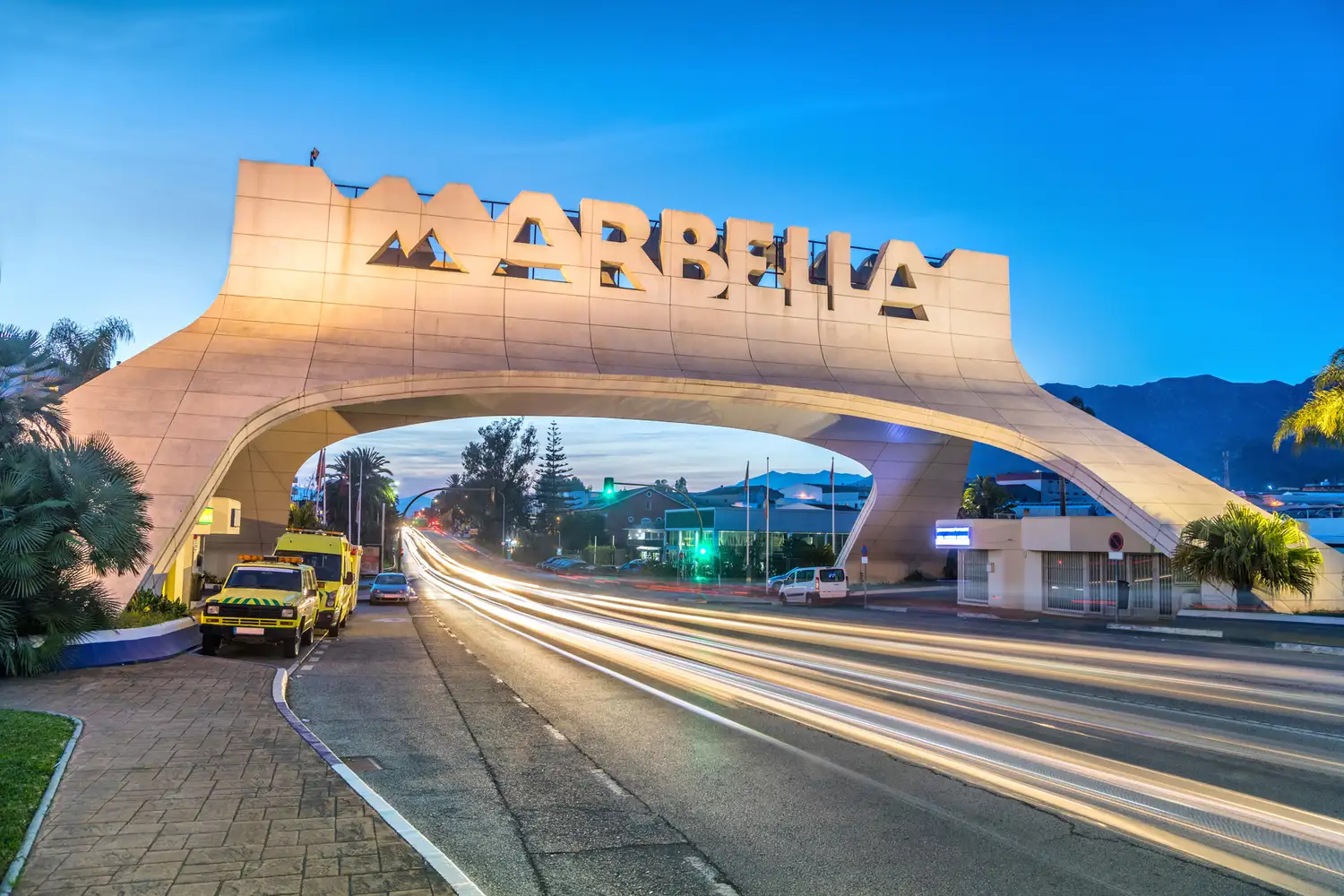
Marbella Old Town Attractions: Casco Antiguo & Heritage
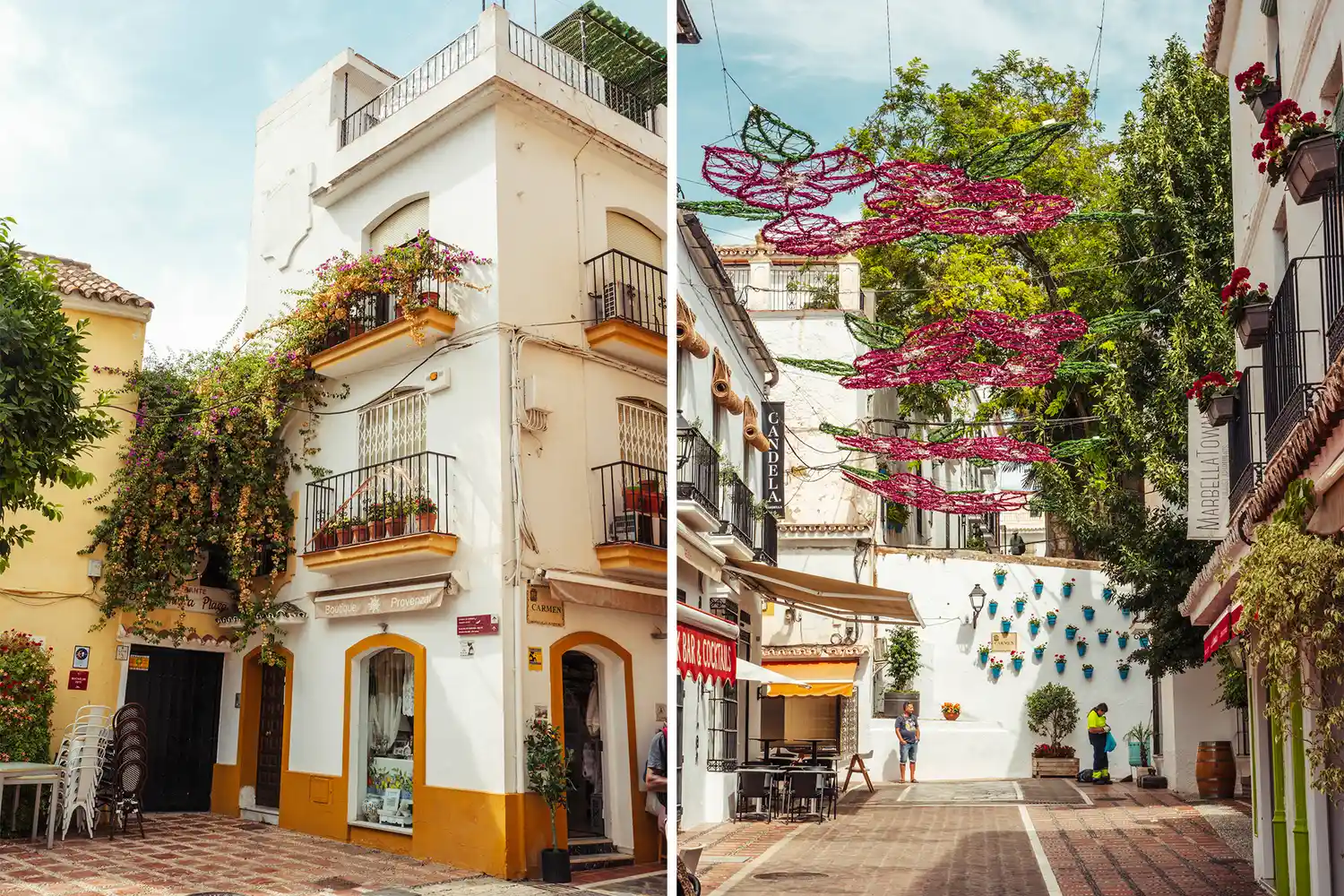
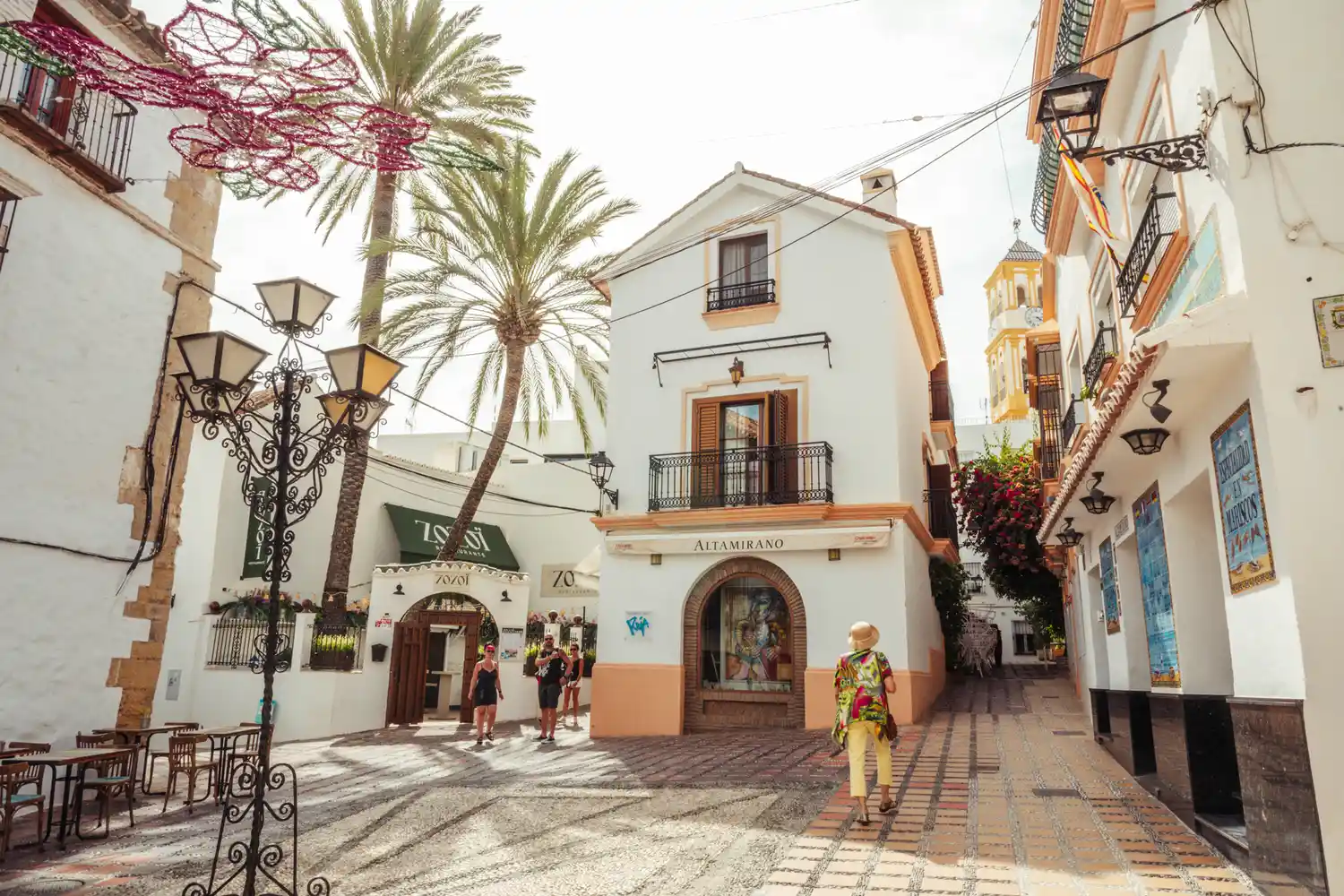
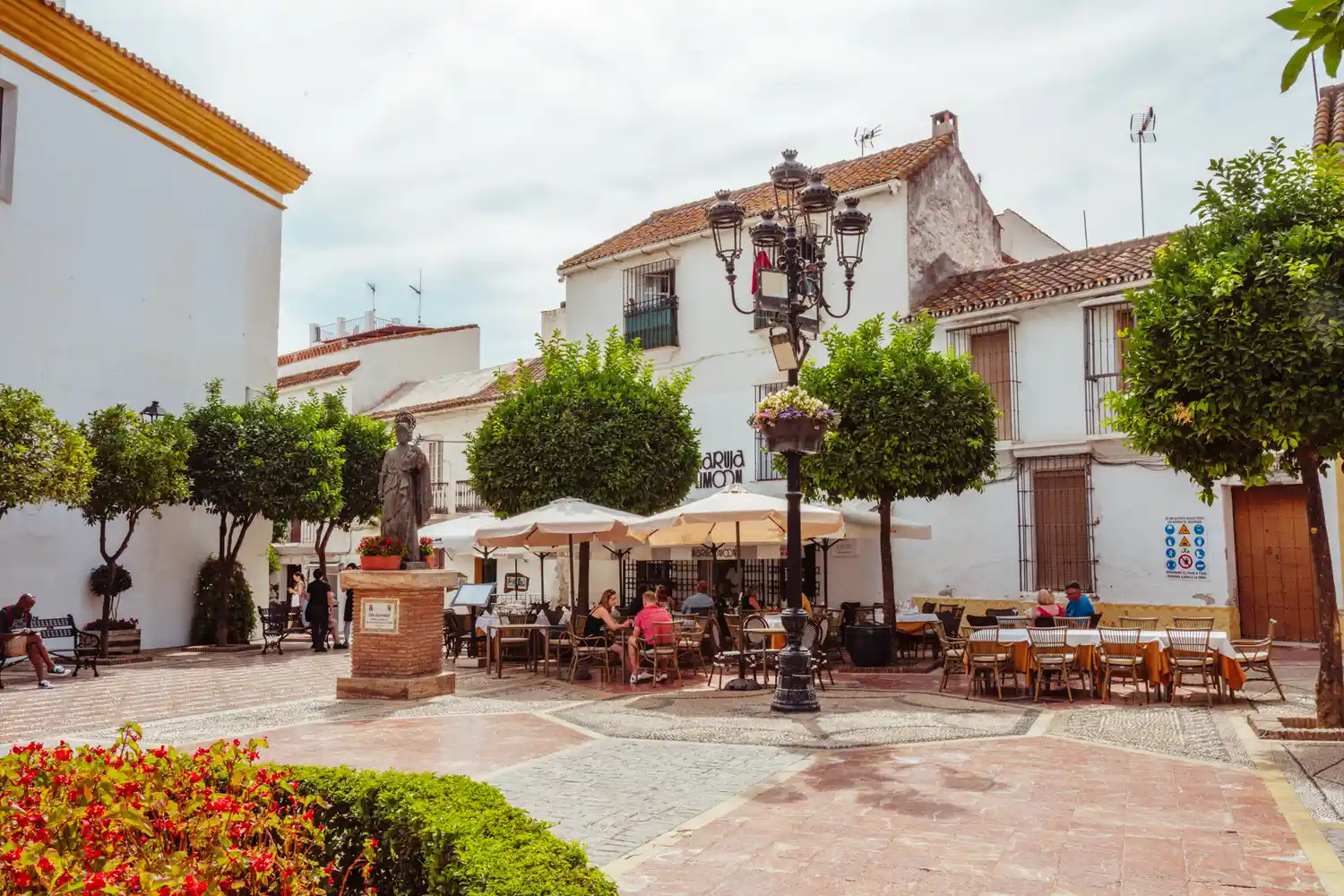
While the coast is defined by its modernity, the Casco Antiguo, or Marbella Old Town attractions, offer a step back into the 16th century. This area is a labyrinth of narrow, winding alleys characterized by dazzling whitewashed walls and balconies overflowing with bougainvillea. At the heart of this district lies the Plaza de los Naranjos (Orange Square). Built in 1485 after the Christian reconquest, the square is surrounded by historic buildings including the Town Hall and the Chapel of Santiago.
The experience of the Old Town is sensory. The scent of orange blossoms fills the air while Moorish architecture peeks through in the form of the remains of the ancient city walls. Walking through these streets is one of the best things to do in Marbella Old Town, as it provides a quiet refuge from the high-energy beach scene. Visitors should take time to wander beyond the main plazas to find small, family-run craft shops and art galleries that showcase legitimate Andalusian heritage.
For those with a deeper interest in art, the nearby village of Mijas offers a focused look at various Spanish masters, but even within Marbella, the architectural details tell a story of centuries of cultural layers. From the Roman ruins at Rio Verde to the 10th-century Arab castle walls, the city’s bones are ancient, providing a rich historical context that is often missing from purpose-built resort towns.
The Golden Mile and Puerto Banús: High-End Living
Stretching west from the city center toward Puerto Banús is the famous Golden Mile. Despite its name, this stretch of coastal road is actually about four miles long and represents some of the most exclusive real estate in Europe. This is where the Marbella legend began. In 1954, Prince Alfonso von Hohenlohe founded the Marbella Club, transforming a private residence into a revolutionary luxury hotel that attracted the global elite, from Brigitte Bardot to the Kennedy family.
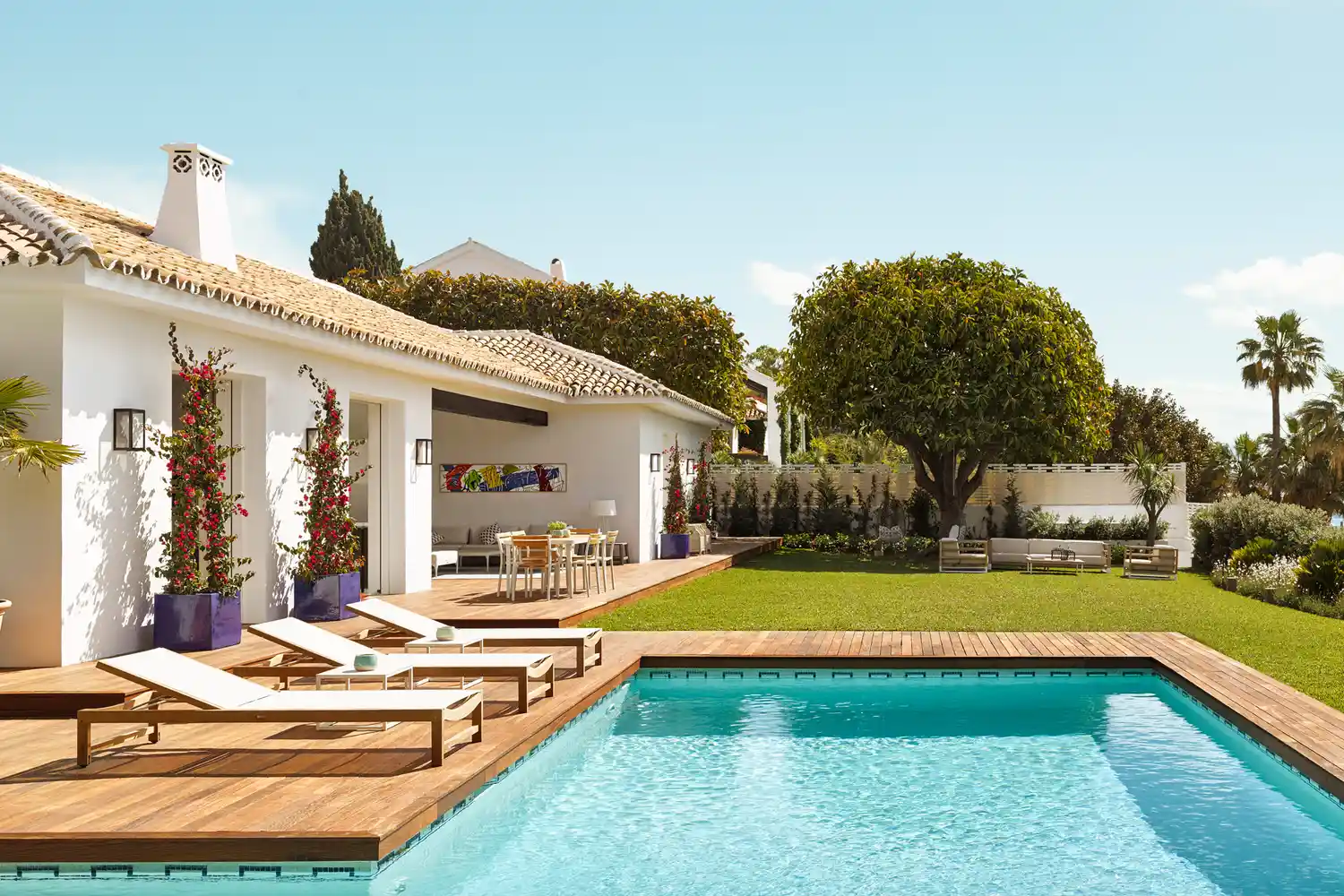
Today, stay at luxury hotels on Marbella Golden Mile like the Marbella Club or the Puente Romano Beach Resort to experience a refined Mediterranean lifestyle. The area is defined by manicured gardens, private villas, and some of the most sophisticated beach clubs in the world. However, the true contrast is found when you reach Puerto Banús. Developed in the 1970s as a high-end marina, it has become synonymous with yachts the size of mansions and high-fashion boutiques.
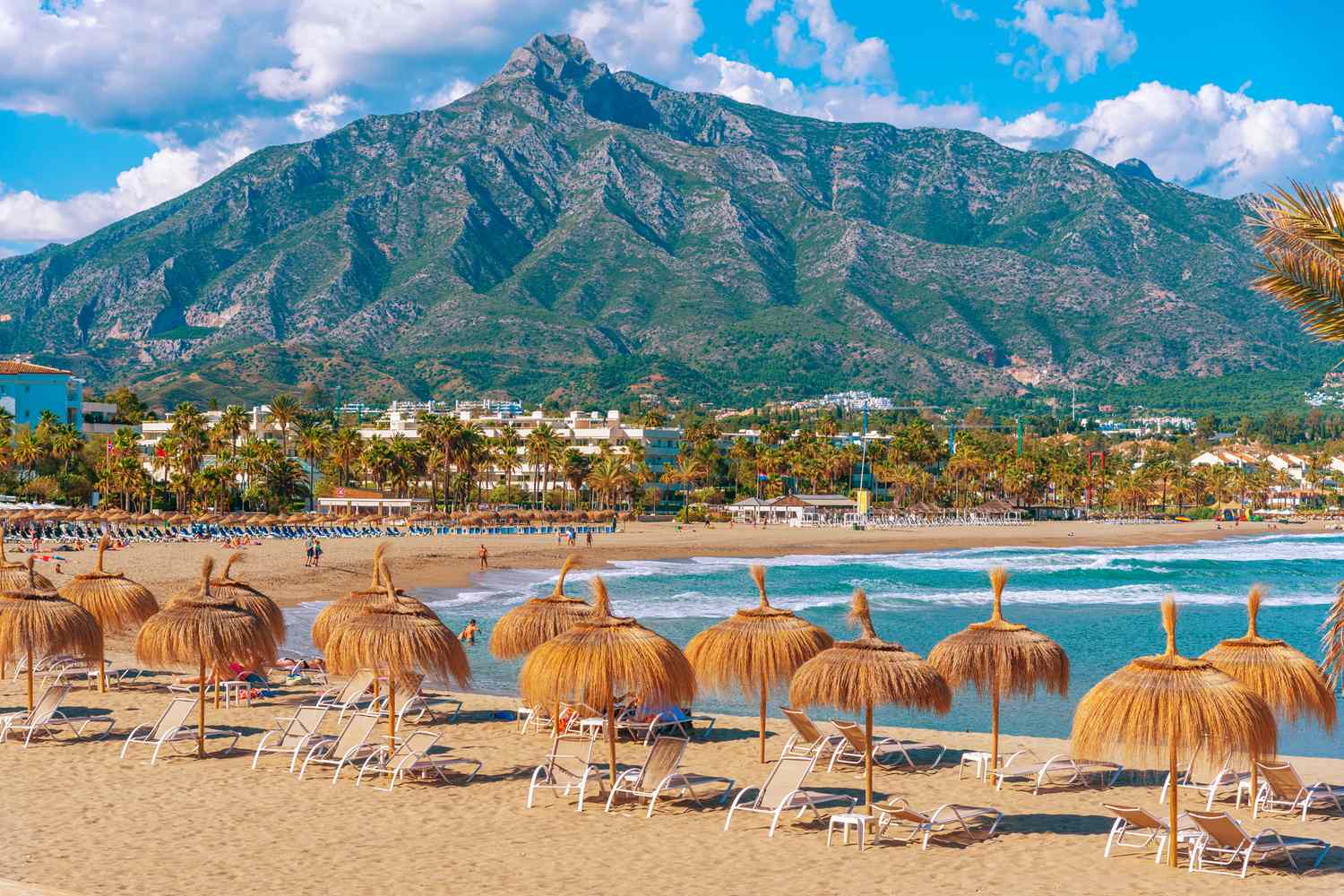
While Puerto Banús offers high-energy nightlife and luxury shopping, the Golden Mile remains more understated and chic. The landscape here is framed by the dramatic backdrop of the Sierra Blanca, creating a scenic corridor that feels worlds away from the bustling urban center. It is here that the comparison to Italy becomes most evident, though Marbella maintains a distinctly Spanish flair for hospitality and late-night social life.
Gastronomy & Beaches: From Michelin Stars to Chiringuitos
The culinary scene in Marbella is as varied as its geography. You can find everything from Michelin-starred dining to traditional Chiringuitos—the rustic beach bars that dot the 27 kilometers of coastline. A quintessential Marbella food experience is sitting with your feet in the sand, enjoying Gambas al pil-pil (sizzling prawns in garlic and chili) or fresh sardines grilled over an open fire on the beach.
For a touch of history with your lunch, Victor’s Beach bar has been a local institution since 1978, offering a laid-back vibe that captures the essence of the Costa del Sol before it became a global brand. Conversely, the city has become a hub for fine dining, with several restaurants holding Michelin stars and many others pushing the boundaries of modern Mediterranean cuisine.
- Traditional: Visit a local chiringuito for espetos (grilled sardine skewers) and a cold glass of Tinto de Verano.
- Casual Luxury: Spend an afternoon at a beach club on the Golden Mile, where the service is impeccable and the menu features fresh, locally sourced seafood.
- Gourmet: Explore the backstreets of the Old Town for tapas bars that serve traditional Iberian ham and local cheeses.
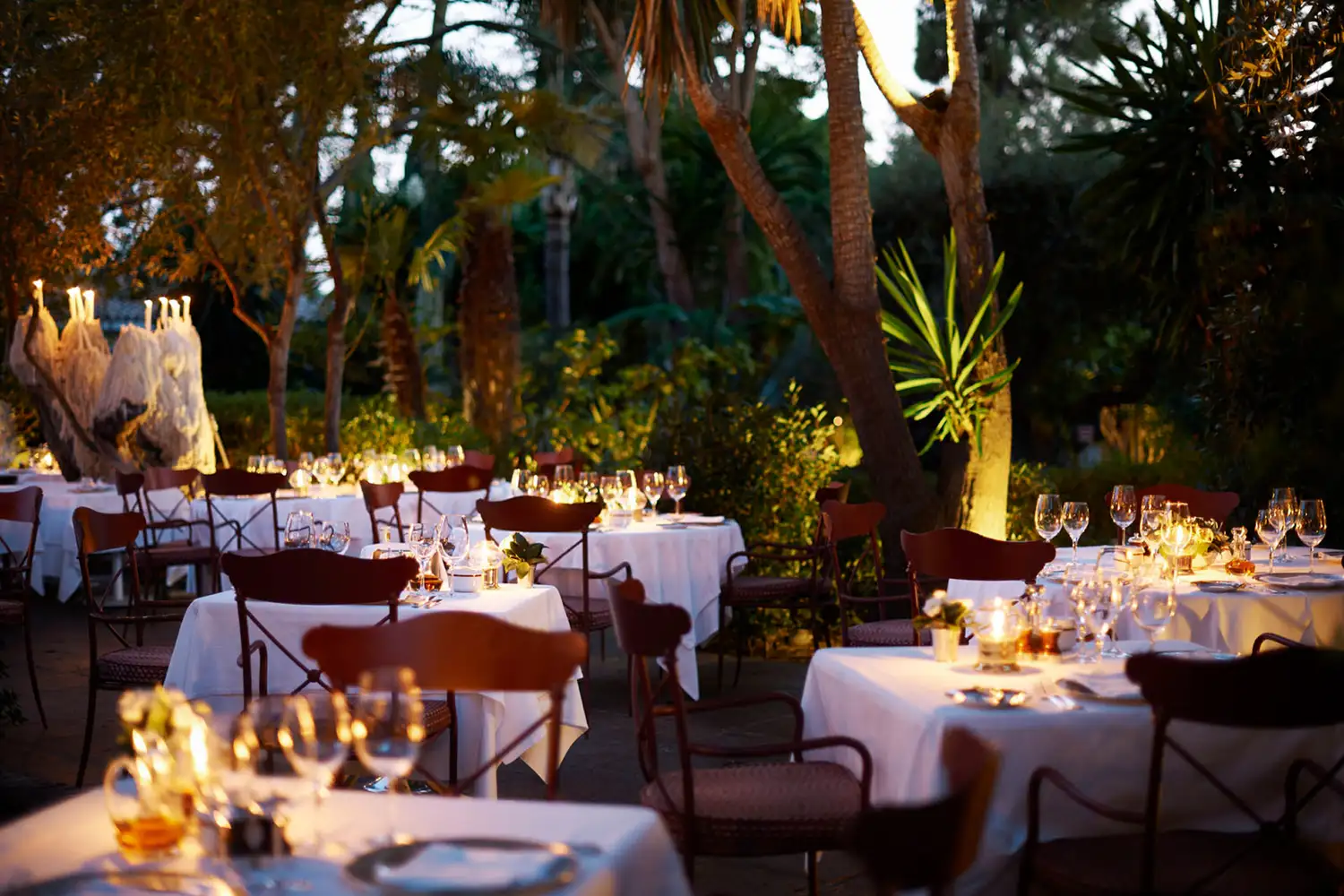
Whether you are dining in a hidden courtyard in the Casco Antiguo or at a white-tablecloth establishment overlooking the Mediterranean, the focus remains on the quality of Andalusian ingredients. The regional olive oils, sea salt, and fresh produce from the Guadalhorce Valley ensure that even simple meals are memorable.
Planning Your Trip: Best Time of Year to Visit Marbella
Deciding on the best time of year to visit Marbella depends largely on your interests. Because of its unique microclimate—sheltered by the Sierra Blanca mountains—the city enjoys milder winters and cooler summers than much of the Spanish interior.
Spring (April to June) and autumn (September to October) are widely considered the ideal seasons. The weather is temperate, perfect for outdoor activities like golf on one of the 19 local courses or hiking the trails around La Concha. During these shoulder seasons, the crowds are thinner, and the atmosphere in the Old Town is particularly relaxed.
The summer months of July and August bring a vibrant holiday atmosphere, characterized by beach events, international music festivals, and the famous Feria de San Bernabé in June. If you enjoy a bustling social scene and long nights of dining al fresco, this is the time to go. Conversely, winter remains surprisingly mild. While it might be too cool for swimming, it is the perfect season for exploring the historic sites, enjoying traditional tapas bars, and taking advantage of significantly lower hotel rates.
FAQ
Is Marbella worth visiting?
Absolutely. Marbella successfully combines deep historical roots with modern luxury and stunning natural beauty. Whether you are looking for a cultural deep-dive into Andalusian heritage, a high-end beach holiday, or an active adventure in the mountains, the city offers a versatility that few other Mediterranean destinations can match.
Is Marbella expensive to visit?
While Marbella is known for its luxury, it remains significantly more affordable than comparable destinations in Italy or France. Statistical data indicates that a daily travel budget in Marbella is about 41% lower than on the Amalfi Coast. Travelers can enjoy a high-end experience including fine dining and premium accommodations for a fraction of what they would pay in Positano or Capri.
What are the top things to do in Marbella?
The top activities include wandering the whitewashed streets of the Old Town (Casco Antiguo), visiting the Plaza de los Naranjos, lounging at a beach club on the Golden Mile, and exploring the luxury marina of Puerto Banús. For those who enjoy the outdoors, a hike up La Concha mountain provides spectacular views, while history lovers will enjoy the remains of the Moorish castle.
How many days should you spend in Marbella?
A period of 3 to 5 days is usually sufficient to experience the main highlights of the city and the beaches. If you plan on using Marbella as a base to explore the wider Andalusia region—including trips to Ronda, Gibraltar, or Málaga—extending your stay to 7 or 10 days is recommended to avoid rushing.
What is the difference between Marbella and Puerto Banus?
Marbella refers to the entire city, which includes the historic Old Town and the residential Golden Mile. Puerto Banús is a specific marina and shopping district located about 6 kilometers west of the city center. While the Old Town is focused on Spanish heritage and traditional charm, Puerto Banús is centered on high-end luxury, super-yachts, fashion boutiques, and vibrant nightlife.