Quick Facts
- Market Data: Oversees visitor arrivals to New Zealand reached 3.51 million in 2025, marking the first time arrivals have surpassed 3.5 million since the start of the decade.
- USA Interest: International visitor arrivals from the United States climbed to a record high of 384,900 in late 2025, signaling a massive surge in luxury long-haul travel.
- Culinary Status: There are currently 91 hatted restaurants recognized across Aotearoa, reflecting a sophisticated shift toward high-end gastropubs and refined bistros.
- Signature Philosophy: The 2026 movement is defined by Manaakitanga, a Māori concept of hospitality that centers on care, respect, and the sharing of sustenance.
- Luxury Hubs: Auckland leads for urban fine dining, while Central Otago and the Southern Alps serve as the premier destinations for South Island gastronomic travel.
- Seasonal Focus: The most rewarding visits occur during the autumn harvest season (March-May) for cold-climate viticulture and foraging.
New Zealand food travel in 2026 is undergoing a sophisticated transformation. As visitor arrivals surpass 3.5 million, the focus has shifted to Manaakitanga and indigenous ingredients. From Aotearoa’s hatted restaurants to hyper-local foraging, this guide explores the best of Oceania's culinary scene. The current era of dining is defined by a new generation of chefs who prioritize sustainable foraging and the paddock-to-plate ethics of their ancestors, creating a sophisticated fusion of traditional Māori hāngī techniques with the sharp, clean flavors of Pacific Rim fusion.
The Soul of Aotearoa: Authentic Māori Culinary Heritage Experiences
To understand the plate in New Zealand is to understand the land through the lens of Whakapapa, the layering of ancestry and culture. For the modern traveler, seeking out authentic māori culinary heritage experiences is no longer about attending a scripted performance; it is about engaging with a living culture that views the environment as its primary pantry. Chefs are increasingly looking toward the maramataka, the Māori lunar calendar, to dictate when to harvest seafood and when to let the earth rest.
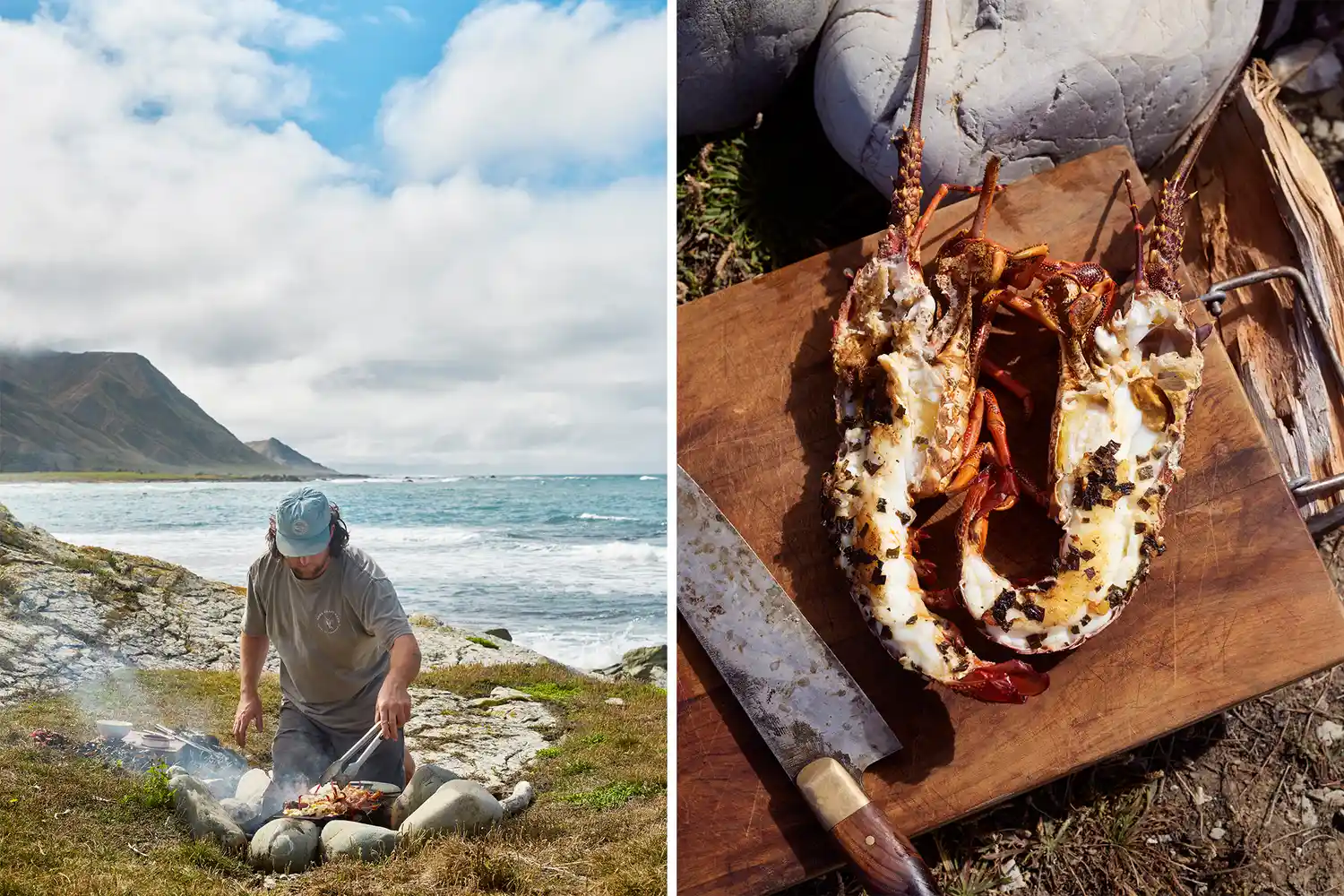
In the North Island, particularly around the fertile regions of Hawke’s Bay and the Bay of Plenty, Māori-owned wineries and artisanal producers are integrating ancestral knowledge into modern agriculture. This slow food movement is a direct reflection of Kaitiakitanga, or guardianship of the land. Visitors can now participate in traditional seafood harvesting for paua and kina along rugged coastlines, learning the protocols of taking only what is needed.
The ethical framework of the culinary scene is best exemplified by the Whanganui River. Having been granted the legal status of a living being, the river’s health dictates the availability of its freshwater delicacies. This deep spiritual connection ensures that every ingredient, from mountain-harvested fungi to wild-harvested herbs like kawakawa and horopito, carries a story of its origin. This evolution from traditional British-influenced staples to a terroir-driven narrative makes Māori culinary heritage experiences the beating heart of the country’s food identity.
North Island: Auckland Fine Dining and Artisanal Producers
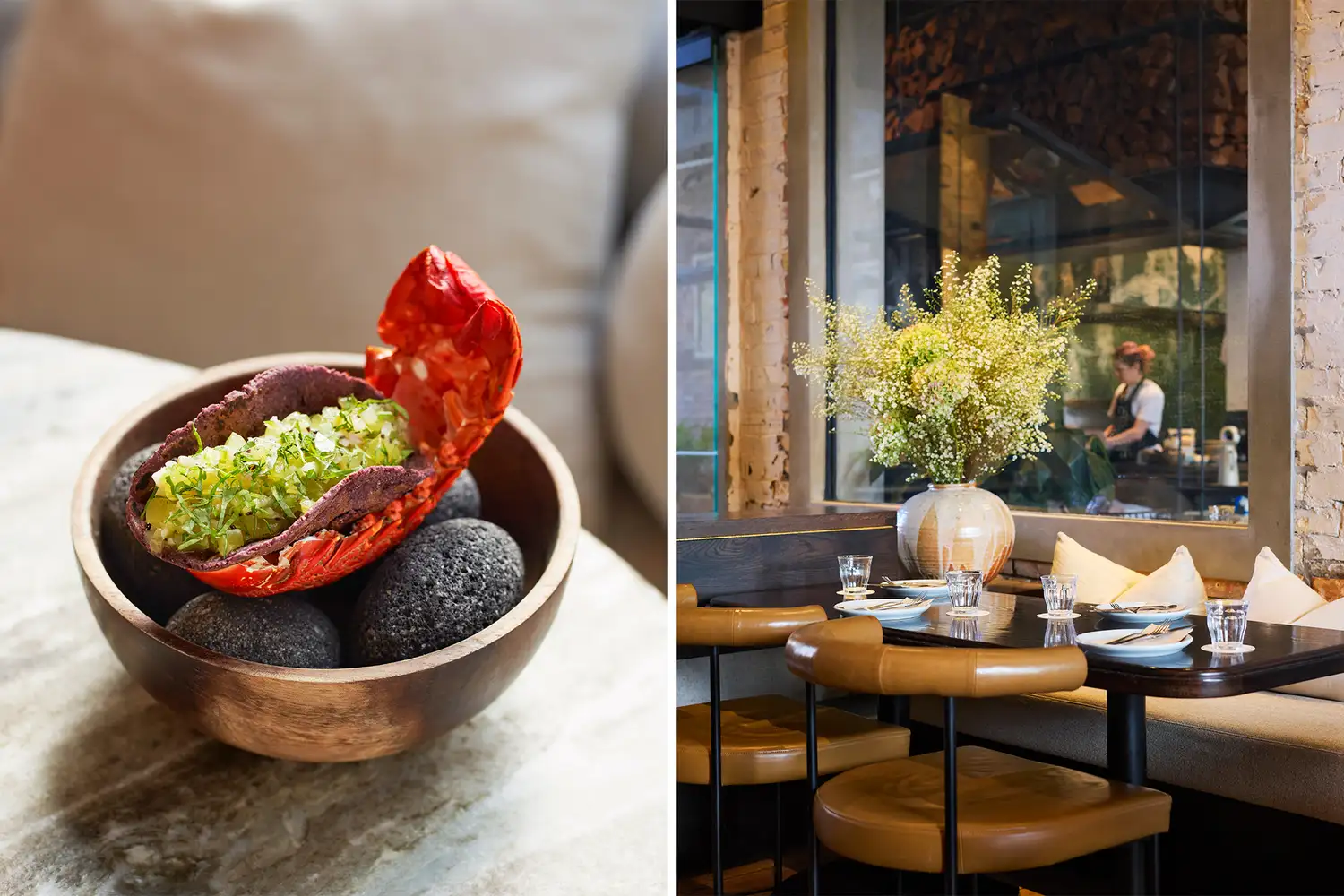
Auckland is a city defined by its relationship with the water. As a global fusion hub where one-third of the population was born overseas, the city’s restaurant scene is a masterclass in Pacific Rim fusion. An auckland fine dining guide for international travelers today highlights more than just white tablecloths; it focuses on restaurants like Ada or Kingi that celebrate the diversity of the Pacific.
The philosophy of paddock-to-plate is not a marketing buzzword here—it is the standard. On the city’s fringes and across the Hauraki Gulf on Waiheke Island, chefs work in tandem with artisanal producers to secure the freshest ingredients. You might find a delicate snapper ceviche paired with finger limes grown just kilometers away, or slow-cooked kumara that has been treated with the reverence of a fine truffle.
Beyond the city, the journey south into the Waikato and Hawke’s Bay reveals the true breadth of gourmet farm-to-table restaurant recommendations nz. In these regions, the world’s youngest geothermal ecosystem at Waimangu provides a backdrop for unique agricultural conditions. Here, the heat of the earth has been used for centuries to steam food, a technique that modern chefs are now refining into high-end gastronomy.
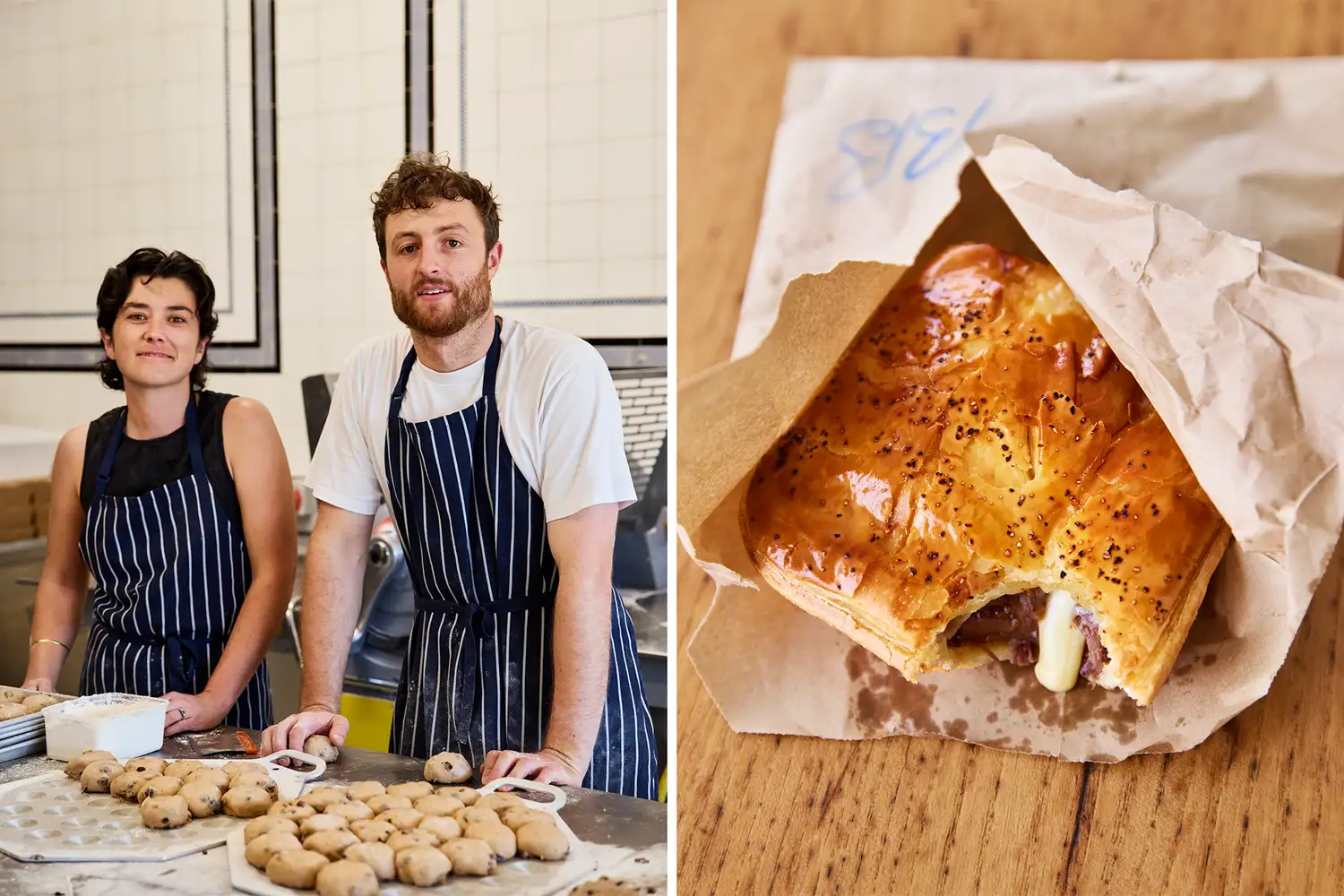
The artisanal producers of the North Island are also reimagining the classics. From small-batch cheesemakers to bakers who use long-fermentation methods with heritage grains, the focus is on quality over volume. These producers are the quiet architects of the luxury food scene, ensuring that even a simple meal feels connected to the soil of Aotearoa.
South Island Gastronomic Travel: Wild Terroir and Luxury Lodges
The South Island offers a more rugged, dramatic narrative. Here, South Island gastronomic travel is synonymous with the Southern Alps and the deep canyons of the coastline. The culinary map is dotted with remote luxury lodges that have become destinations in their own right. For those seeking a New Zealand luxury food itinerary, locations like Flockhill in Canterbury or Blanket Bay near Queenstown provide a level of intimacy and scale that is rarely matched.
At these lodges, the menu is often dictated by what has been found in the surrounding wilderness that morning. Sustainable foraging is a way of life, with chefs gathering mountain-harvested fungi, wild berries, and native herbs to accompany wild-game delicacies like venison. This is terroir-driven dining in its most literal sense—the flavor of the mountain air and the mineral-rich glacial water is present in every bite.
North vs. South Island Food Experiences
| Feature | North Island (Te Ika-a-Māui) | South Island (Te Waipounamu) |
|---|---|---|
| Primary Influence | Pacific Rim fusion & Urban Māori | Wild Terroir & Alpine Foraging |
| Key Ingredients | Kumara, Seafood (Snapper, Paua), Kawakawa | Venison, Cold-water Crayfish, Wild Fungi |
| Beverage Focus | Full-bodied Syrah & Artisanal Craft Beer | Cold-climate viticulture (Pinot Noir, Riesling) |
| Dining Style | Global fine dining & Hatted urban bistros | Remote luxury lodges & Intimate test kitchens |
| Cultural Touchpoint | Geothermal cooking & Community hāngī | High-country farming & Coastal harvesting |
Luxury gastronomic travel in the South Island also centers on the world-renowned cold-climate viticulture of Central Otago and Marlborough. The Pinot Noir from these regions is storied, echoing the schist soils and extreme temperature shifts of the inland basins. Many of these wineries now offer private tastings paired with local cheeses and charcuterie, allowing travelers to taste the landscape in a single glass.
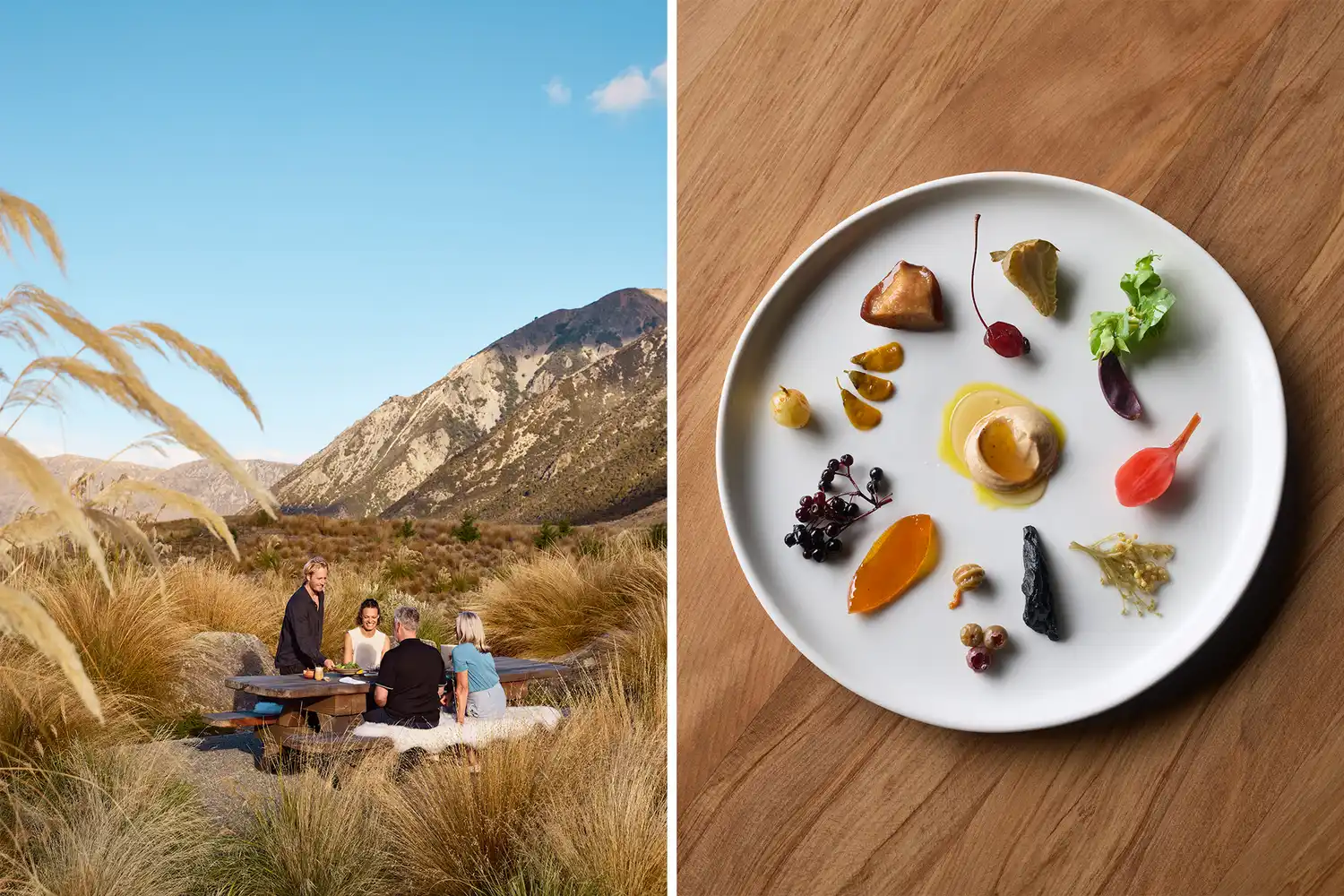
For the most adventurous, the best new zealand lodges for foraged food lovers are those tucked away in places like Blue Duck Station or the remote corners of the Marlborough Sounds. At the Mapu Test Kitchen or the Chef’s Table, menus are hyper-local and experimental. One might find short-fin eel prepared with contemporary techniques or a dessert flavored with the pollen of native flowers. This commitment to the slow food movement ensures that every 14 days spent on a new zealand luxury food itinerary feels like an unfolding story of the wild.
Coastal experiences in the south are equally profound. In Kaikōura, where a 2000-meter deep underwater canyon meets the shore, the complexity of the seafood is unparalleled. The crayfish here is legendary, but the 2026 traveler is also looking toward less common species that reflect a deeper commitment to ocean health.
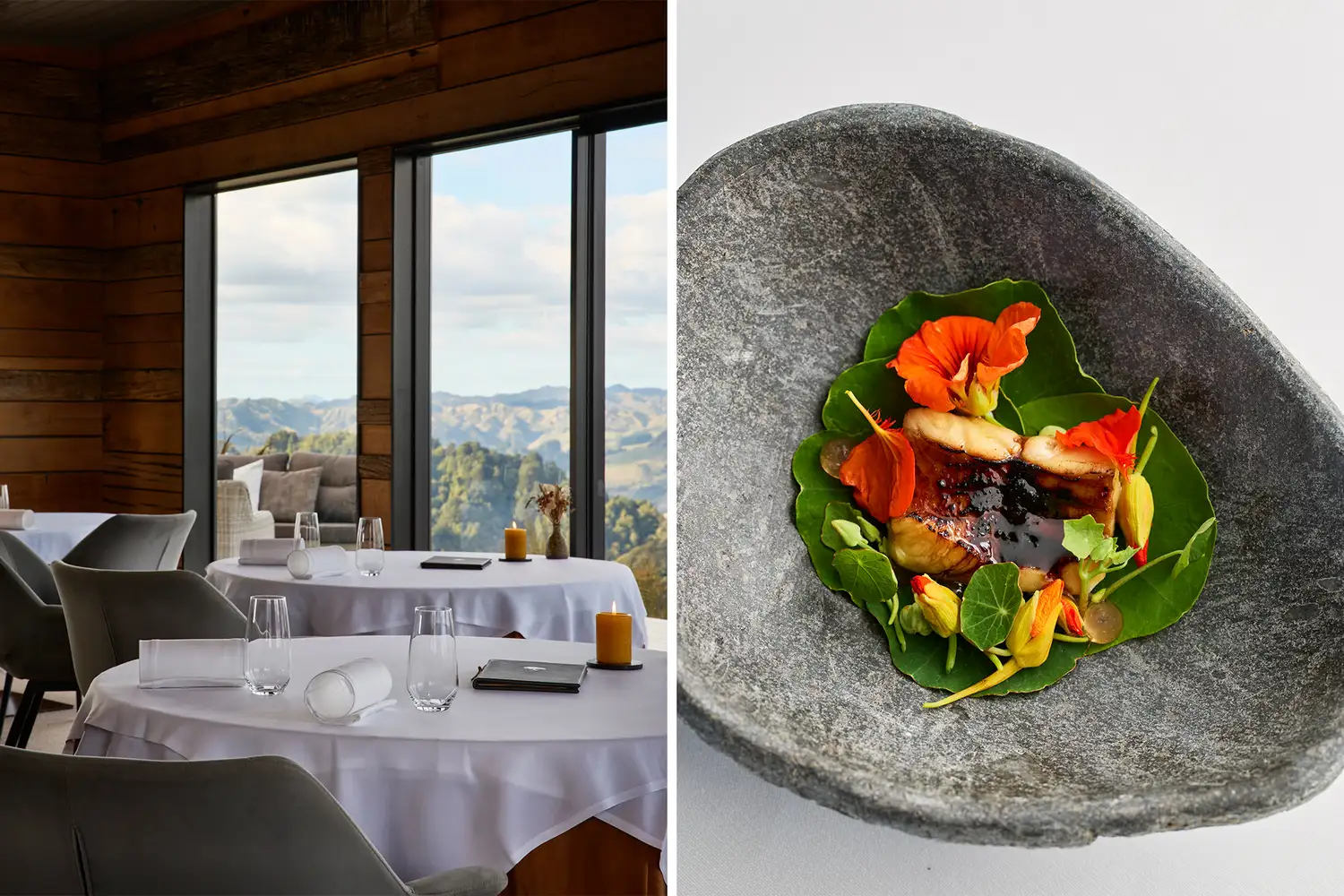
Planning Your 2026 Culinary Trip: Logistics and Seasons
Timing is everything when planning a journey through Aotearoa’s kitchens. While the traditional summer months (December to February) are popular, the savvy traveler knows that the autumn harvest season (March and April) is the prime time for a culinary trip. This is when the vineyards of Central Otago turn gold, and the markets are overflowing with the final bounty of the summer sun.
To navigate the south island gastronomic travel destinations 2026, air travel is often supplemented by flightseeing. Using a helicopter to jump from a coastal seafood lunch to an alpine lodge for dinner is not just about luxury; it is about accessing the remote environments where the most interesting food is being produced.
Essential Travel Prep Checklist:
- Safety & Navigation: Download the NZTA and Camper Mate apps for real-time road conditions and local amenities.
- Dining Reservations: For hatted restaurants in Auckland and Queenstown, book at least three months in advance.
- Health and Comfort: If visiting the West Coast or Milford Sound for seafood, be prepared for the sandfly challenge with natural repellents.
- Sustainability: Pack reusable vessels; many artisanal producers offer discounts for those who minimize waste.
New Zealand food travel is no longer a peripheral interest to the scenery; the food has become the scenery. It is a sensory journey that rewards the patient, the curious, and those who are willing to listen to the stories the land has to tell.
FAQ
What is a traditional Māori Hāngī?
A hāngī is a traditional Māori method of cooking food using heated rocks buried in a pit oven, known as an umu. Ingredients such as chicken, pork, and root vegetables like kumara are wrapped in leaves or baskets and slow-cooked for several hours. This process infuses the food with a distinct earthy, smoky aroma. In the modern era, high-end chefs are incorporating hāngī techniques into contemporary restaurant settings to create a sophisticated fusion that honors ancestral heritage.
Is New Zealand a good destination for food travel?
Yes, New Zealand has emerged as a premier global destination for food travel, especially for those who value sustainability and origin. The country currently boasts over 90 hatted restaurants and a thriving luxury lodge circuit. The focus on indigenous ingredients, world-class cold-climate viticulture, and the unique Māori philosophy of Manaakitanga provides a cultural depth to the dining experience that is unique to the Pacific region.
What types of seafood is New Zealand known for?
New Zealand is world-renowned for its pristine seafood, thanks to its extensive coastline and deep-sea canyons. Key specialties include Bluff oysters, Greenshell mussels, and the iconic crayfish (rock lobster), particularly from regions like Kaikōura. Travelers can also experience more unique indigenous delicacies such as paua (abalone) and kina (sea urchin), which are staples of the Māori diet and increasingly featured in modern fine dining.
What should I eat when visiting New Zealand?
Visitors should prioritize tasting local venison and lamb, which are benchmarks of the country’s paddock-to-plate ethics. You should also seek out a traditional hāngī feast and modern Māori fusion dishes that use native herbs like kawakawa. For dessert, the classic pavlova and artisanal cheeses from the North Island’s dairy heartland are essential, paired with a glass of Central Otago Pinot Noir or Marlborough Sauvignon Blanc.
What is the best time of year for a culinary trip to New Zealand?
The best time for a culinary-focused journey is during the autumn harvest season, which runs from March through May. During this time, the weather is stable, the crowds are smaller, and the vineyards and orchards are at their peak production. It is the ideal season for exploring the regional markets and participating in foraging tours, as the landscape shifts into its most vibrant colors and flavors.