Quick Facts
- Best for: Sake enthusiasts, contemporary art lovers, and those seeking authentic snow country heritage.
- Major Hub: Niigata City, reachable in approximately 2 hours from Tokyo via the Joetsu Shinkansen.
- Signature Art: Echigo-Tsumari Art Field, spanning 760 square kilometers with over 200 permanent installations.
- Iconic Food: Koshihikari rice, seaweed-bound hegisoba, and Murakami salt-cured salmon.
- Key 2026 Dates: Winter SNOWART (January 24–March 8); Main Art Season (April 25–November 8).
- Essential Gear: A rented 4WD vehicle with snow tires is mandatory for exploring the rural landscape during winter months.
Traveling from Tokyo to Niigata is most efficient via the Joetsu Shinkansen, which reaches Echigo-Yuzawa in approximately 75 minutes. This Niigata travel guide explores the prefecture's dual identity as a fermentation powerhouse and a global destination for landscape art, offering a profound blend of ancient traditions and avant-garde creativity.
Niigata, often whispered about as Japan’s Snow Country, is a place where the landscape itself dictates the culture. Here, the heavy winter snowfall is not a burden but a master architect. It filters through the granite of the Japanese Alps to create the soft water essential for brewing, and it preserves the soil for the legendary Koshihikari cultivation that defines the region’s wealth. As you step off the bullet train, the air carries a crispness that suggests both the salt of the Sea of Japan coast and the sweet, earthy aroma of fermenting rice. This is a journey into the soul of Japan’s northern coast, where the rhythm of life is measured in seasons and the clarity of a pour of premium ginjo.
Niigata City: The Heart of Fermentation and Sake
In the port city of Niigata, history flows through the waterways and into the cedar fermentation vats of its historic districts. To understand this city is to understand the alchemy of koji fermentation. The Numadare district, once a hub for miso and soy sauce production, has reinvented itself as a corridor of artisan shops, yet the spirit of fermentation remains the bedrock of the community.
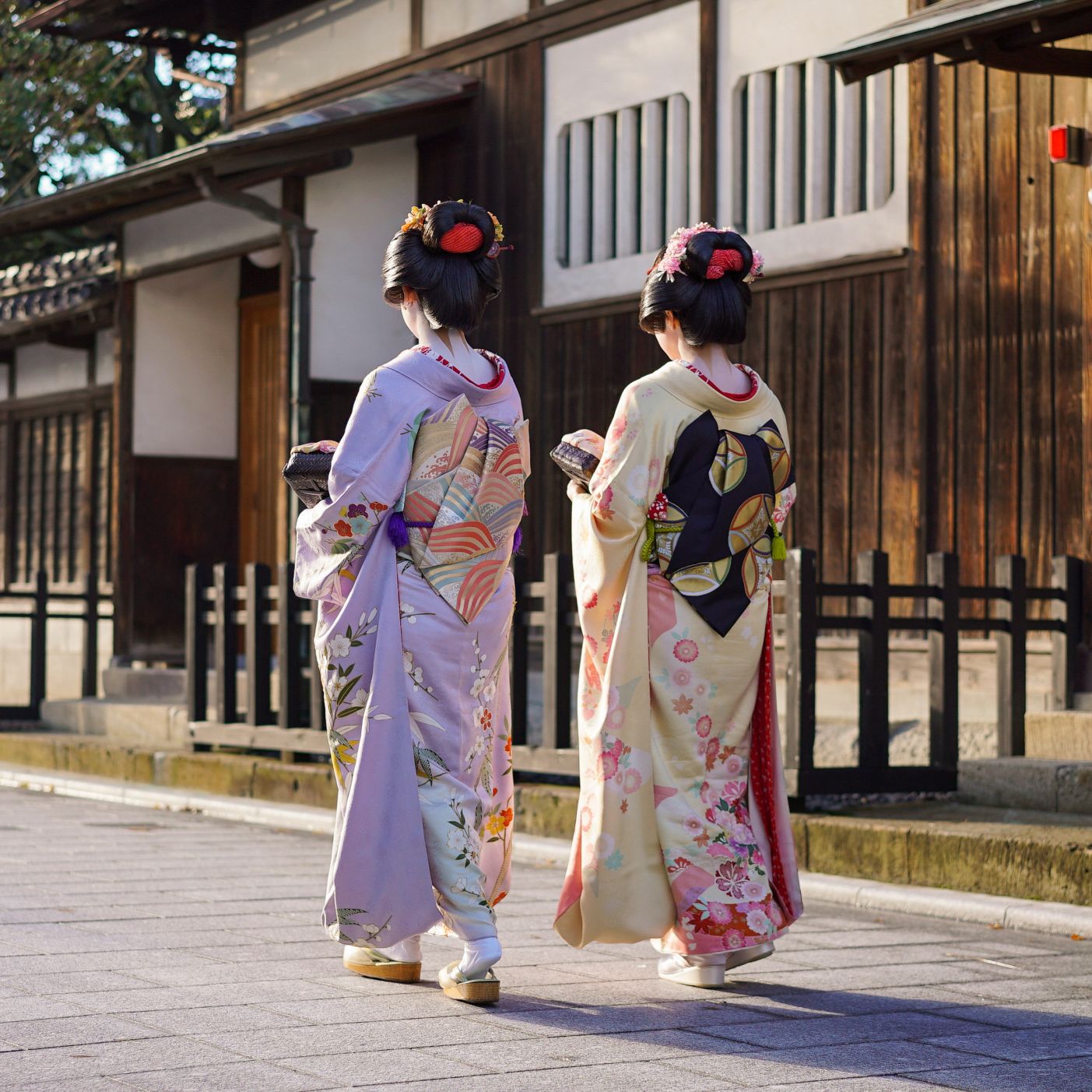
Walking through the Furumachi district, one feels the echoes of the Edo period. This was once a playground for wealthy merchants, served by a refined geisha culture that rivaled that of Kyoto. Today, the Furumachi geisha tradition remains one of the most prestigious in the country, maintaining a standard of hospitality and performance that has survived for over two centuries.
For those seeking Niigata sake brewery tours, a visit to Imayotsukasa Sake Brewery is essential. Located within walking distance of the station, it is the last brewery in the city to use traditional wooden vats, offering a sensory experience where the smell of aged cedar mingles with the floral notes of sake. You will learn that Niigata Prefecture has the highest number of sake breweries in Japan, with approximately 85 to 90 active breweries as of recent industry reports. This density of expertise led the National Tax Agency in February 2022 to officially designate Niigata as a Geographical Indication (GI) to protect the standards and authenticity of sake produced in the prefecture.
Niigata is currently the third-largest sake-producing region in Japan by total volume and is a top producer of premium Specially Designated Sake, such as Ginjo and Junmai varieties. To sample the breadth of this production, head to Ponshukan inside Niigata Station, where rows of sake vending machines allow you to taste dozens of local labels for a few hundred yen. For a more scenic experience, the Koshino Shu*Kura train offers a sake-themed rail journey complete with live music and curated tastings as you glide past the coastline. Whether you are a connoisseur or a curious traveler, the best sake brewery tours in niigata for foreigners often begin with these accessible, high-quality urban gateways.
Echigo-Tsumari: Where Landscape Art Meets Satoyama Philosophy
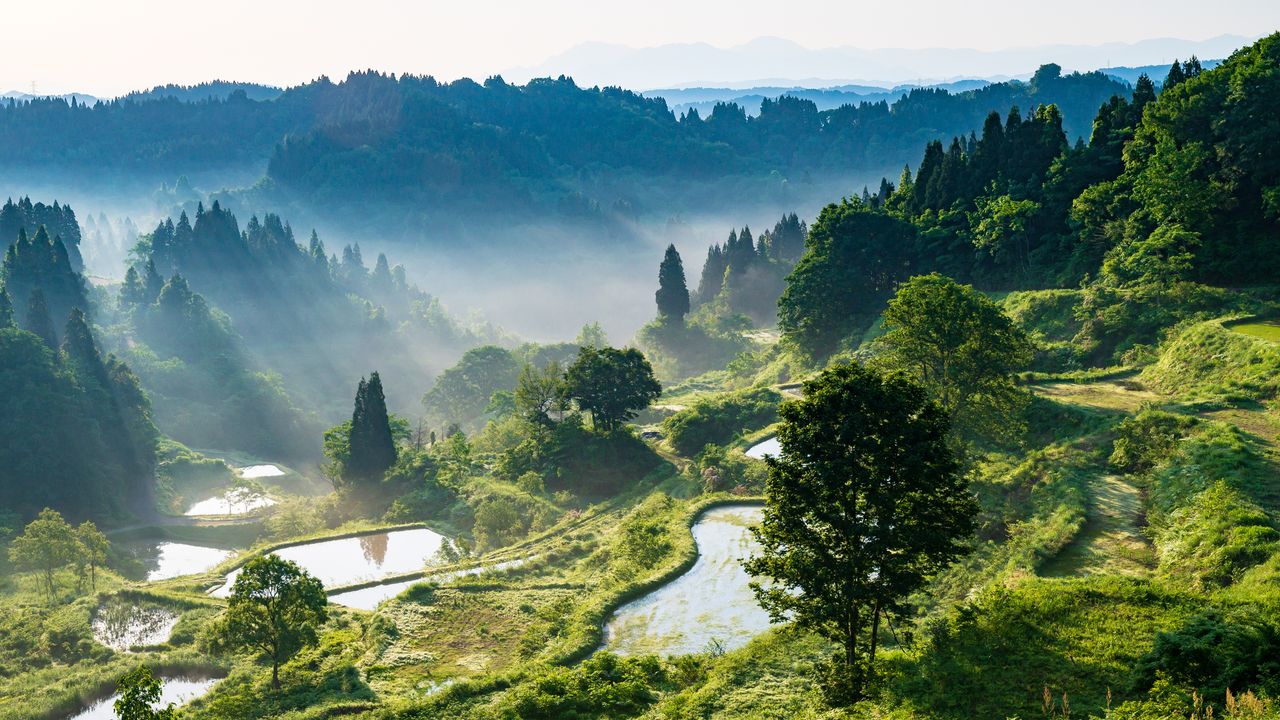
Venturing inland toward the mountains of Tokamachi and Tsunan, the landscape shifts from industrial port to rolling terraced rice fields. This is the home of the Echigo-Tsumari Art Field, a staggering 760-square-kilometer open-air gallery that revitalizes the rural landscape through contemporary art. The project is rooted in the Satoyama philosophy, a way of living in harmony with nature where agriculture and human habitation exist in a delicate, beautiful balance.
The centerpiece of this region is Ma Yansong’s Tunnel of Light at the Kiyotsu Gorge. This architectural marvel transforms a historic pedestrian tunnel into a prismatic experience, culminating in a mirrored pool that reflects the dramatic rock formations and the rushing river outside. It is a place where the barrier between the viewer and the environment dissolves completely.
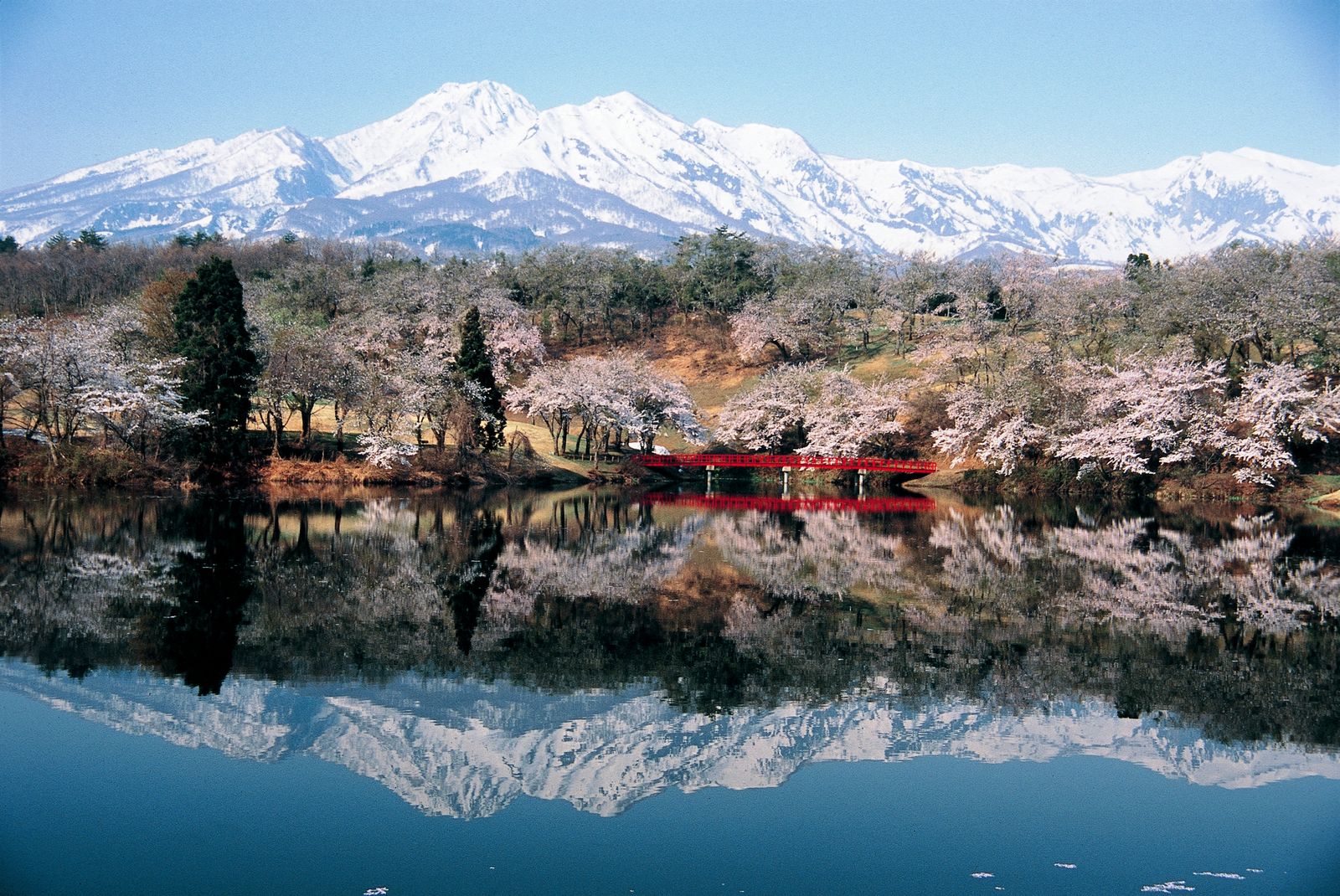
Navigating this vast Echigo-Tsumari Art Field guide requires planning. The MonET (Museum of Natural Art) in Tokamachi and the Matsudai NOHBUTAI serve as excellent starting points, offering maps and common tickets that provide access to hundreds of installations scattered across local villages and hillsides. While the art is integrated into the rugged terrain, visiting echigo tsumari art field without a car can be challenging, though seasonal shuttle buses and electric bicycle rentals are available from major hubs.
For those planning for the 2026 season, keeping specific dates in mind is crucial for securing accommodations and transport.
| Season | 2026 Estimated Dates | Pricing Information |
|---|---|---|
| SNOWART (Winter) | Jan 24 – Mar 8 | Common Ticket: ¥2,000 |
| Main Art Season | Apr 25 – Nov 8 | Common Ticket: ¥3,500 - ¥4,500 |
| Off-Season Highlights | Ongoing (Selected works) | Individual entry: ¥300 - ¥1,000 |
Tsubame-Sanjo & Murakami: Crafts and Coastal Heritage
To the north and west of the art fields lie two towns that embody the physical labor and coastal resilience of Niigata. Tsubame-Sanjo is world-renowned for its metalworking heritage. Here, the sound of the hammer hitting copper is a melody that has played for centuries. At workshops like Gyokusendo, visitors can witness the creation of tsuiki copperware, where a single sheet of metal is hammered into a functional work of art.

In the town of Murakami, the focus shifts to the bounty of the Sea of Japan coast. Murakami is famous for its intricate relationship with salmon. Walking through the town, you will see thousands of salmon hanging from the eaves of traditional houses, preserved by the cold, salty sea breeze. This ancient technique of salt-curing and aging creates a flavor profile unlike any other. Finding the best murakami salmon in niigata prefecture often leads to historic shops where you can sample dozens of different preparations, from the heart to the fermented roe.
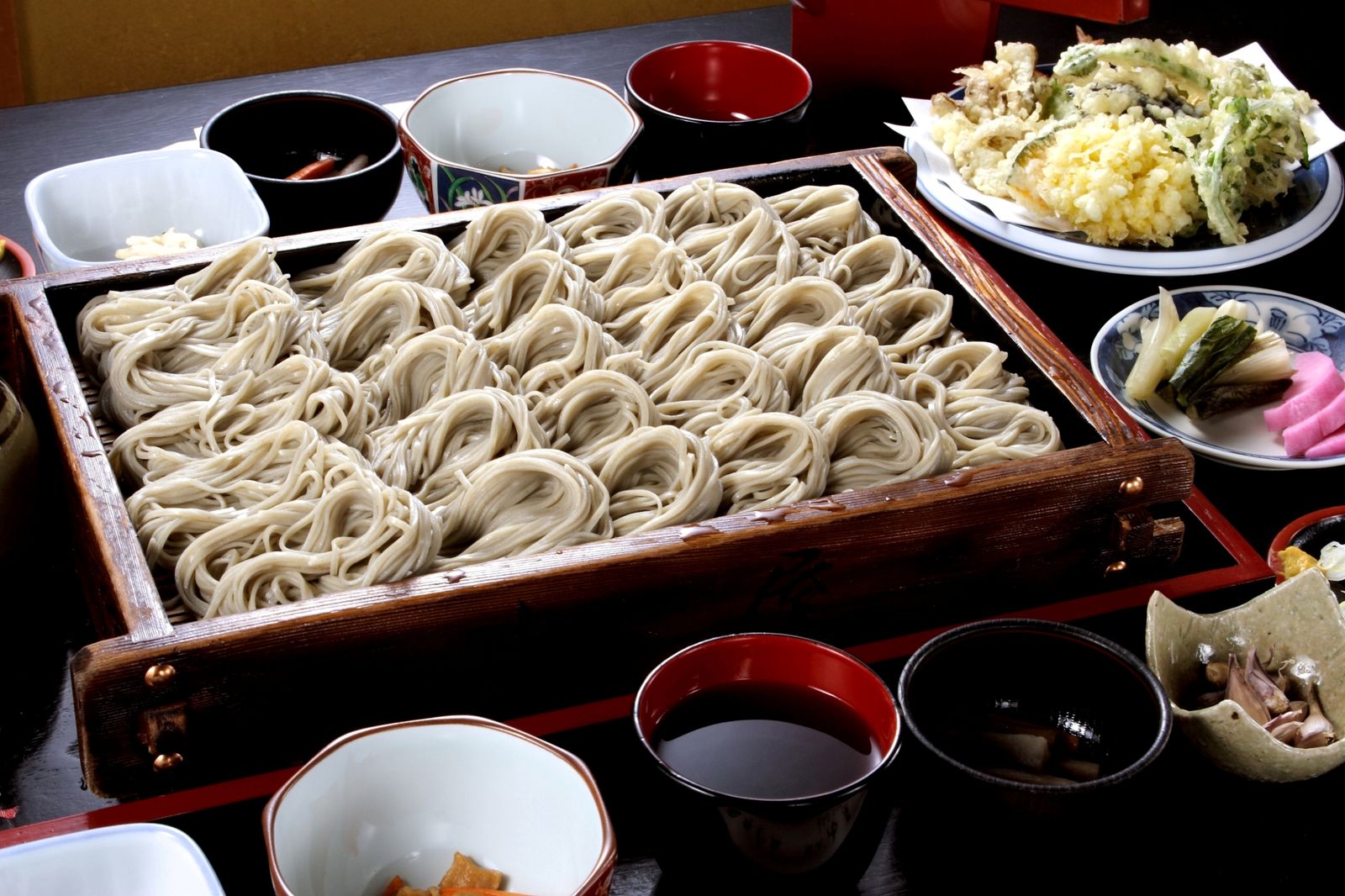
The culinary landscape here is also defined by hegisoba. Unlike typical buckwheat noodles, these are bound with funori seaweed, giving them a distinct slippery texture and a subtle hint of the sea. Usually served in a square wooden box called a hegi, they are an essential taste of the Uonuma region.
Sado Island: Gold Mines and Washtub Boats
A ferry ride from Niigata Port takes you to Sado Island, a place of exile for ancient poets and a source of vast wealth for the Tokugawa Shogunate. The island’s Sado Kinzan gold mine, now a UNESCO-protected site, features sprawling tunnels where mechanical dolls recreate the grueling life of Edo-period miners.
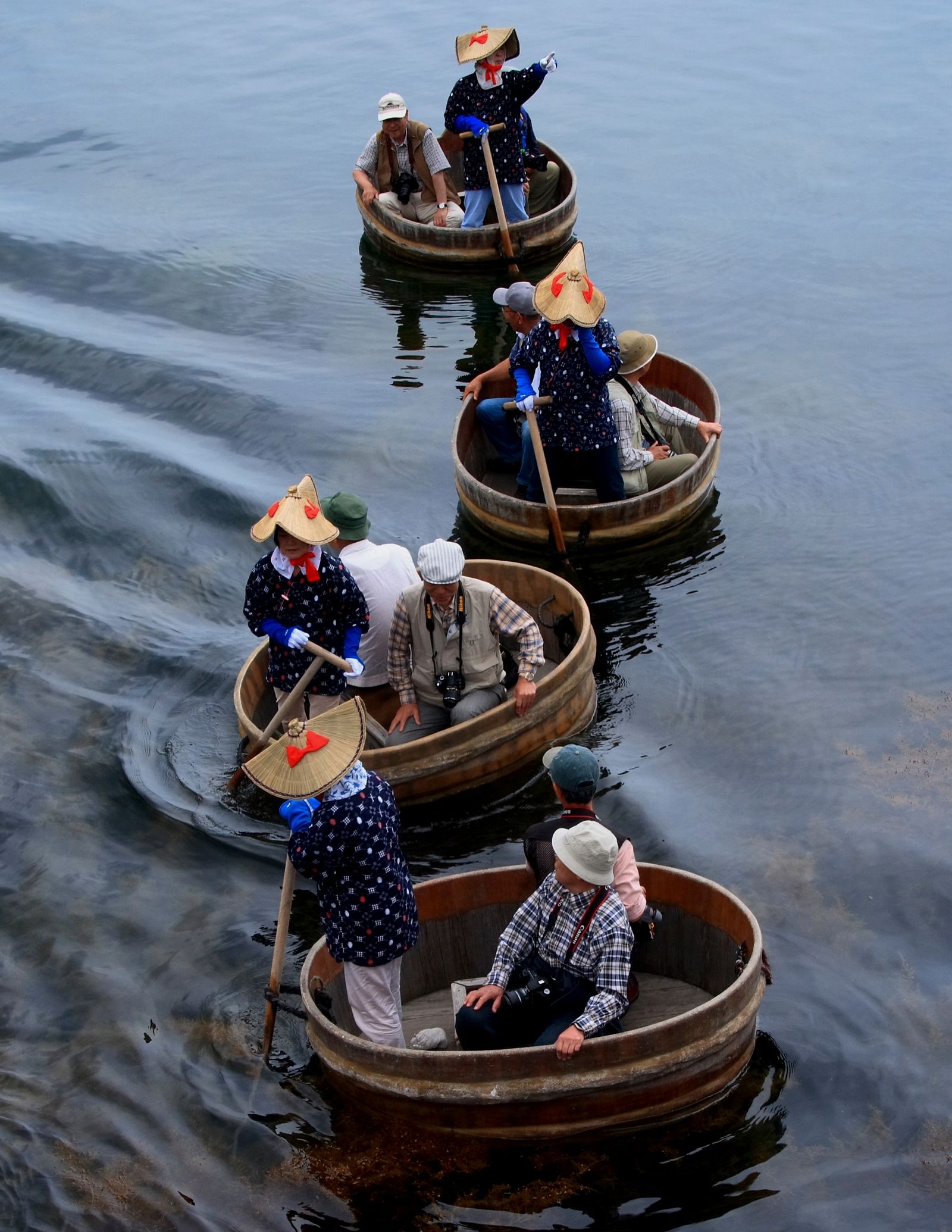
The island’s charm, however, is best found in the village of Shukunegi. Here, the narrow alleys are lined with houses made from the wood of shipwrecks, and the harbor is home to the taraibune, or washtub boats. Originally designed for collecting seaweed and shellfish from the narrow, rocky crevices of the southern coast, these round boats are still operated by skilled local women. Taking one of these sado island washtub boat and gold mine tours provides a rare glimpse into a maritime tradition that feels entirely untouched by time.
For those exploring the island, Joetsu Shinkansen accessibility does not directly extend here, so the car ferry or jetfoil is your primary link. Once on the island, renting a 4WD vehicle remains the best recommendation for navigating the winding coastal roads and reaching the secluded temples hidden in the cedar forests.
Planning for 2026: Festivals and Best Time to Visit
Niigata is a region of extremes, and your timing will fundamentally change your experience. For those seeking the legendary winter powder, Gala Yuzawa offers perhaps the world’s most accessible ski experience, with the resort entrance literally located inside the bullet train station. Alternatively, a stay in the medicinal waters of Matsunoyama Onsen provides a more quiet, soulful retreat amidst the deep snow.
If you are planning a trip for the nagaoka fireworks festival in August, preparation must begin months in advance. One of the three great firework festivals of Japan, it features the staggering phoenix shell, which spans nearly two kilometers across the night sky. Tickets sell out almost instantly, and hotels in the area are booked a year ahead.
Accommodation throughout Niigata has seen a creative renaissance. You can now stay in luxury ryokans or choose unique, artistic lodgings such as renovated school buildings. These schools, closed due to the shrinking rural population, have been transformed into hostels and boutiques that offer a modern take on rural living, allowing guests to sleep in rooms that once echoed with the laughter of village children.

FAQ
Is Niigata worth visiting?
Niigata is absolutely worth visiting for travelers who seek depth beyond the typical Tokyo-Kyoto-Osaka route. It offers a unique intersection of high-end traditional crafts, a world-class sake industry, and a transformative contemporary art scene that utilizes the natural landscape in ways found nowhere else in the world.
What is Niigata famous for?
Niigata is primarily famous for being Japan’s premier rice-growing region, specifically for its Koshihikari rice. This agricultural prowess fuels its reputation as the country's sake heartland. Additionally, it is renowned for its heavy winter snowfall, the Echigo-Tsumari Art Field, and its high-quality metalware from Tsubame-Sanjo.
How do I get from Tokyo to Niigata?
The most reliable and fastest method is using the Joetsu Shinkansen from Tokyo Station. You can reach Echigo-Yuzawa for skiing and art in about 75 minutes, or continue to Niigata City at the end of the line, which takes approximately 2 hours in total.
What are the must-eat foods in Niigata?
Visitors should prioritize tasting fresh local sushi from the Sea of Japan, salt-cured Murakami salmon, and hegisoba noodles. Don't miss trying the local Koshihikari rice, often considered the best in Japan, and exploring the fermented specialties like miso and sake that define the regional diet.
What are the top things to do in Niigata City?
Top activities include touring the Imayotsukasa Sake Brewery, tasting dozens of local labels via the vending machines at Ponshukan, and exploring the historic Numadare Terrace Street. Walking through the Furumachi district to see the geisha heritage and visiting the Northern Culture Museum are also highly recommended.