Quick Facts
- Dates: From the Christmas Eve ceremony on December 24, 2024, to the Epiphany 2026 conclusion on January 6, 2026.
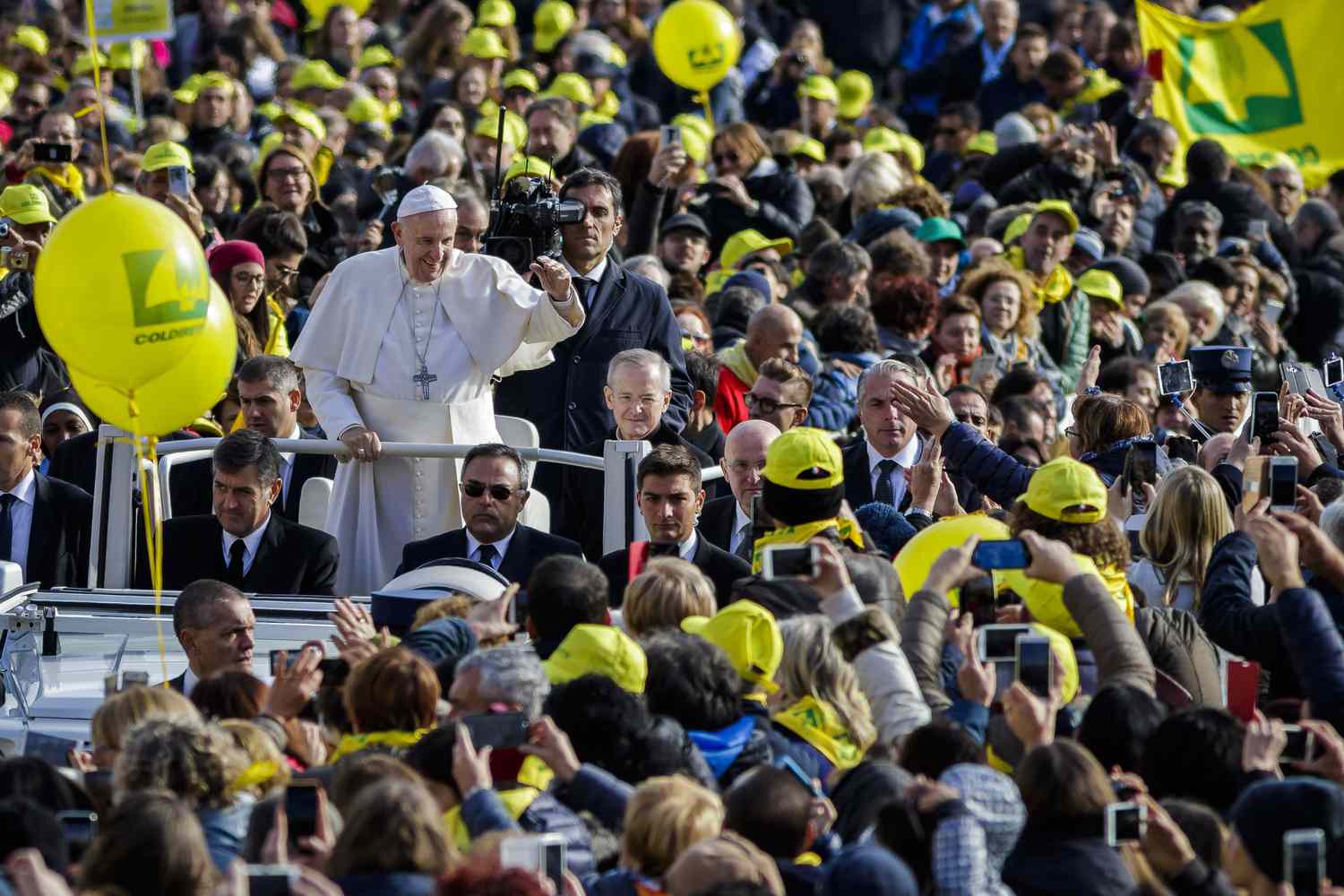
- Attendance: Estimated 32 million to 35 million pilgrims and tourists are expected to descend upon the city.
- Spiritual Theme: Designated by Pope Francis as the Year of Hope, preceded by a Year of Prayer.
- Essential Tool: Mandatory registration for religious events and Holy Door crossings via the official iubilaeum2025 app.
- Core Highlight: The ceremonial opening of the Holy Doors at the four major papal basilicas to grant a plenary indulgence.
- Infrastructure: Over 600 urban projects are underway, backed by a 2.5 billion euro investment from the Italian government.
- Financial Note: Updated tourist tax rates vary by accommodation tier, ranging from €5 to €12 per night.
The Rome Jubilee 2025 is a momentous Holy Year following a 25-year cycle, beginning with the ritual opening of the Holy Door at St. Peter's Basilica. To successfully navigate the Eternal City during this period, visitors must coordinate their travel with the Vatican Holy Door pilgrimage schedule and entry rules while managing the logistical challenges of significant urban restoration projects and record-breaking crowd sizes.
The Magnitude of the Year of Hope
Every quarter-century, the city of Rome undergoes a transformation that blends its ancient spiritual pulse with the demands of modern global tourism. As the Destinations Editor, I have seen Rome in many states, but the energy surrounding the Rome Jubilee 2025 is unprecedented. This is not merely a religious event; it is a city-wide metamorphosis. Pope Francis has framed this as a Year of Hope, a message designed to resonate far beyond the Catholic faithful to anyone seeking a sense of renewal amidst the global shifts of the mid-2020s.
The scale of what is being prepared is staggering. The Italian government has allocated approximately 2.5 billion euros in state funding to support more than 600 infrastructure and urban renewal projects. From the massive construction of a new pedestrian underpass at Piazza Pia to the delicate restoration of Bernini's Baldacchino inside St. Peter’s, the city is racing against the clock. When the Christmas Eve ceremony marks the official commencement, the city expects to host approximately 32 million to 35 million pilgrims throughout the year.
For the traveler, this means a Rome that is both more vibrant and more crowded than ever before. Success in 2025 will not be measured by how many sites you check off, but by how well you navigate the logistical hurdles of a city operating at 150% capacity.
Digital Preparations: The Pilgrim Card and Official Apps
In previous Holy Years, pilgrims relied on paper maps and physical booklets. In 2025, your smartphone is your most important tool. The Vatican has streamlined the experience through the official iubilaeum2025 app, which is the gateway for anyone visiting Rome during 2025 Holy Year with the intent of participating in religious ceremonies.
The centerpiece of this digital ecosystem is the Pilgrim Card (Peregrinante). While general entry to Rome’s basilicas remains free, registration via the portal is required to pass through the Holy Doors or to attend major papally-led events in St. Peter's Square.
Expert Insight: Do not wait until you arrive in Italy to download the app. Registration requires identity verification, and time slots for the Holy Doors at the four papal basilicas fill up months in advance.
Planning ahead for Rome museum reservations in 2025 is equally critical. The influx of visitors means that even "off-peak" days will feel like mid-August. If you are aiming for the Vatican Museums or the Borghese Gallery, the standard 30-day booking window may prove too narrow; keep a constant eye on official ticketing sites for early releases.
The Spiritual Core: Holy Doors and Pilgrimage Routes
The Vatican Holy Doors 2025 significance lies in the concept of the plenary indulgence—a spiritual grace that, for the faithful, signifies the removal of temporal punishment for sins. However, even for the secular traveler, the opening of these doors is a historical spectacle of immense proportions. The doors are normally sealed from the inside with brick and mortar, only to be opened during a Jubilee.
The Jubilee officially begins with the opening of the Holy Door at St. Peter's Basilica on December 24, 2024, and is scheduled to conclude on January 6, 2026. Following the opening at St. Peter's, the doors at the other three major basilicas will follow in rapid succession.
Schedule of the Four Papal Basilicas
| Basilica | Holy Door Opening Date | Historical Significance |
|---|---|---|
| St. Peter’s | December 24, 2024 | The primary seat of the Papacy and the heart of Vatican City. |
| St. John Lateran | December 29, 2024 | The official ecclesiastical seat of the Bishop of Rome (the Pope). |
| St. Mary Major | January 1, 2025 | The oldest church in the West dedicated to the Virgin Mary. |
| St. Paul Outside the Walls | January 5, 2025 | Built over the burial site of St. Paul the Apostle. |
Beyond the "Big Four," Pope Francis has introduced a poignant addition: a Holy Door at Rebibbia Prison. This gesture emphasizes the theme of hope for those on the margins of society. For those seeking the full spiritual experience, the traditional Seven Churches Visitation—a 25km walking route—remains the gold standard, though I recommend breaking this into two days to avoid physical exhaustion. Meeting the religious requirements for Rome Jubilee plenary indulgence involves more than just walking through a door; it includes confession, communion, and prayers for the Pope’s intentions, all of which are detailed in the official pilgrim handbook.
Survival Guide: Managing Construction and Crowds
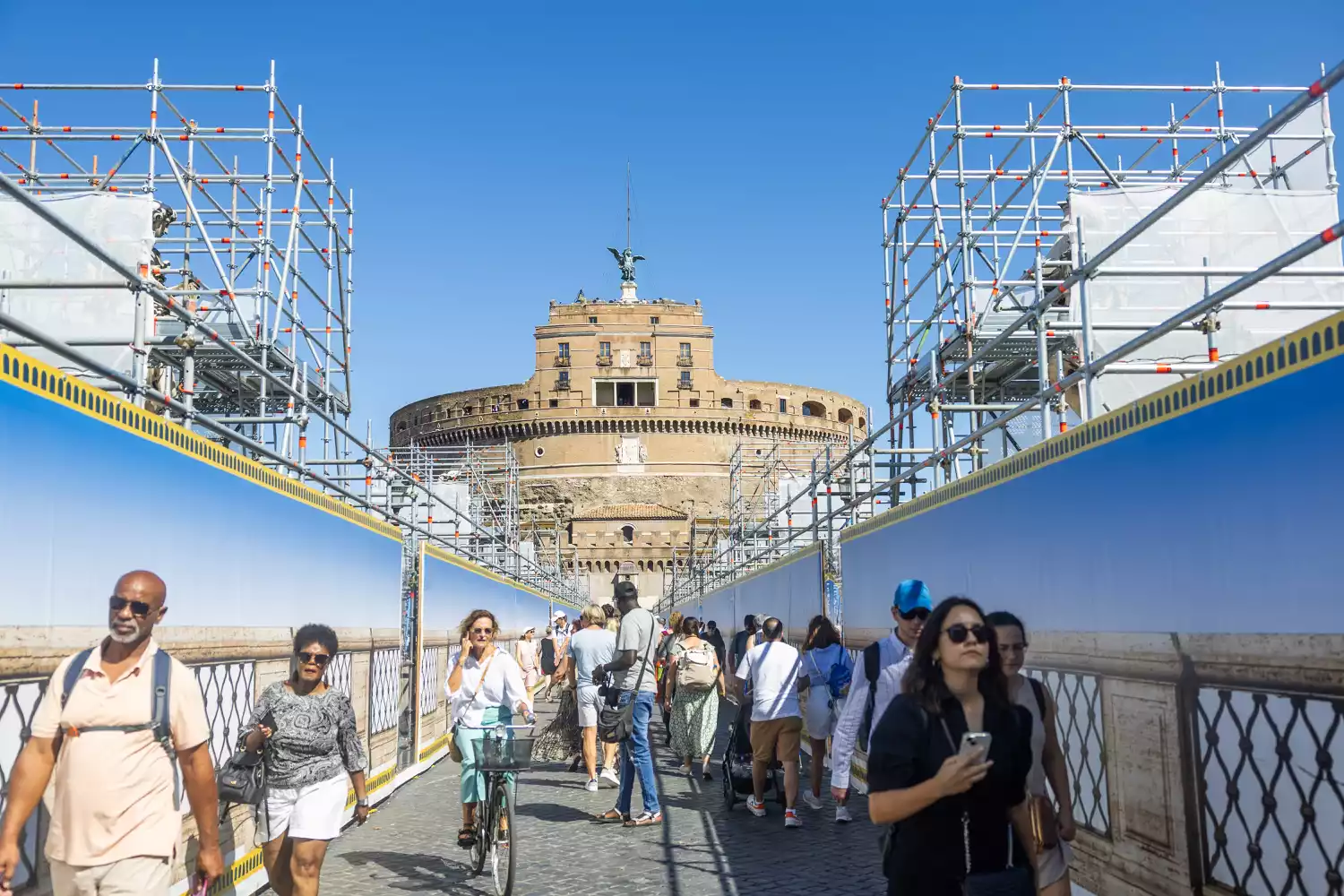
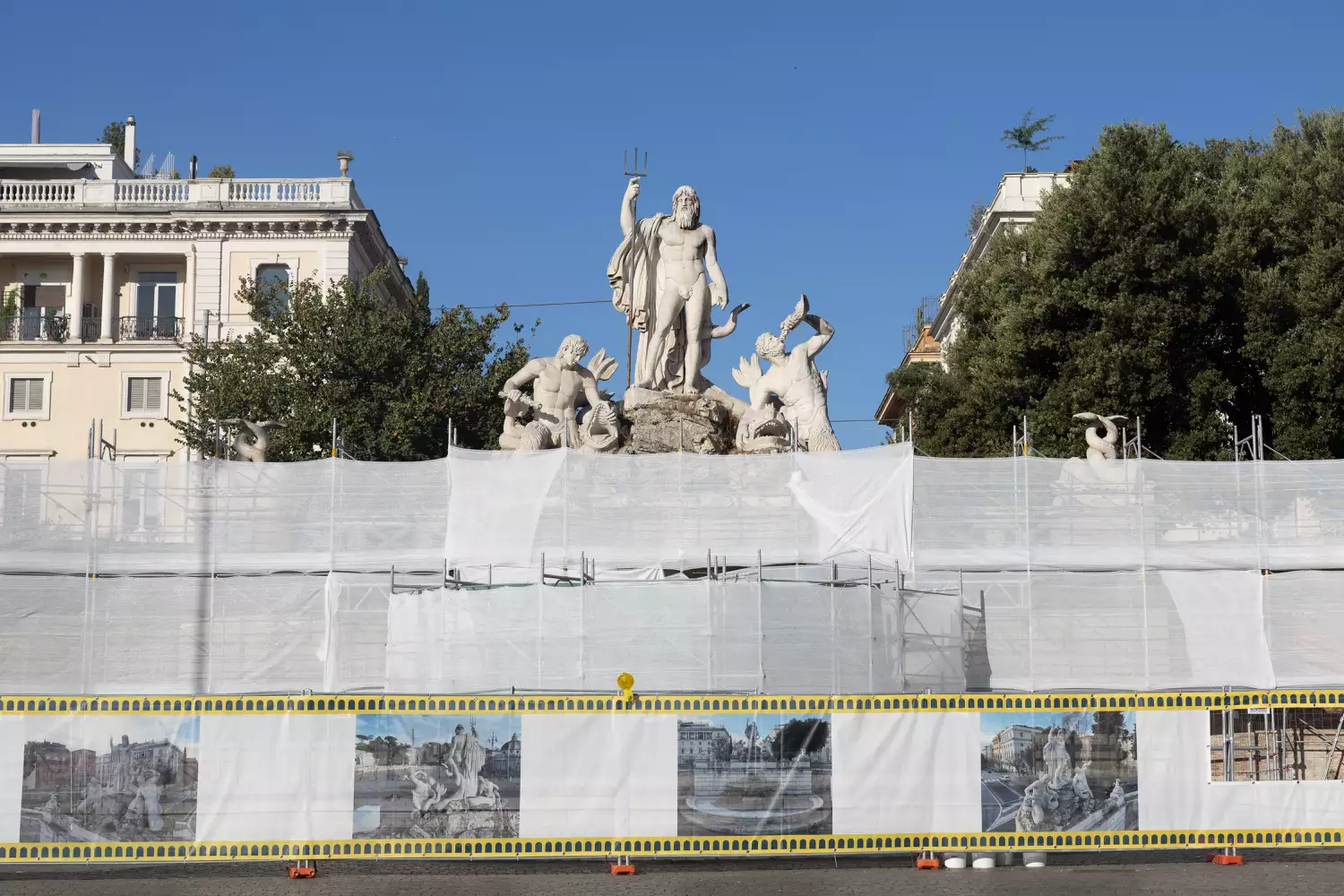
The administrative preparation for 2025 has been frantic. If you visit in early 2025, you will encounter the final stages of intense labor. The navigating Rome infrastructure projects during the Holy Year is a task in itself. Expect significant scaffolding on major monuments. For instance, the fountains in Piazza Navona and the façade of several Renaissance palaces are undergoing deep cleaning.
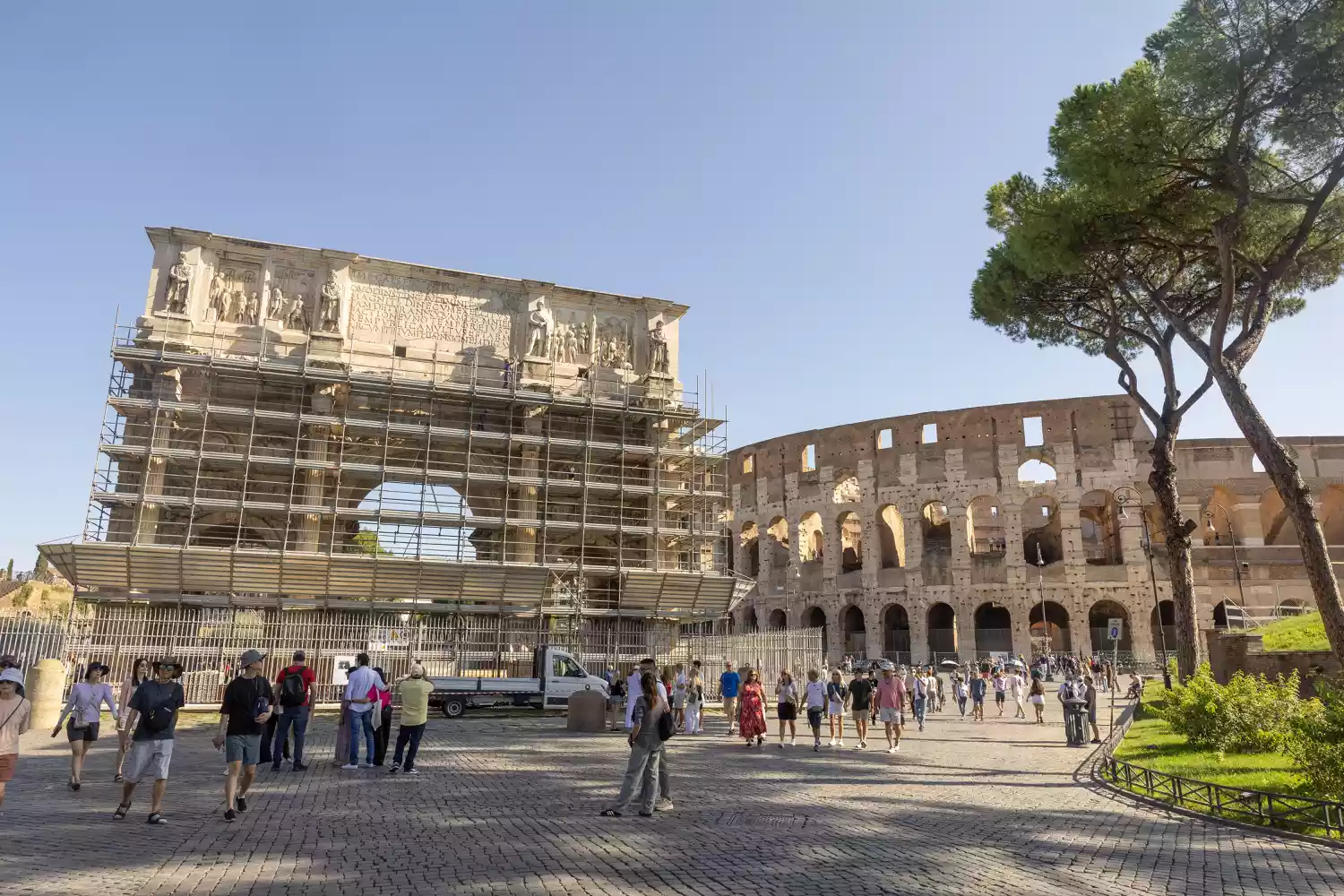
To make the most of your trip, you must master the "Golden Window." The best strategies for avoiding large crowds in Rome 2025 involve an early start. From 6:00 am to 9:00 am, the city belongs to the locals and the savvy travelers. By 10:00 am, the tour buses arrive, and the primary pilgrimage routes become nearly impassable.
Construction Status of Major Landmarks
- St. Peter's Baldacchino: Currently under scaffolding for its first major restoration in 250 years; expected to be revealed mid-2025.
- Piazza Venezia: Ongoing Metro C construction will cause significant traffic diversions throughout the year.
- Piazza dei Cinquecento: The area outside Termini Station is being completely redesigned to expand public transportation capacity.
- Tiber Bridges: Several historic bridges are undergoing structural reinforcement to handle increased pedestrian weight.
Visiting the four papal basilicas during Rome Jubilee 2025 will require patience. Security lines will be long, and the weather in Rome can be unforgiving. During the summer months, the Vatican plans to install misting stations and hydration points, but carrying a reusable water bottle to take advantage of Rome’s "nasoni" (public drinking fountains) is essential.
Budgeting for the Jubilee: Taxes and Accommodations
Traveling to the Eternal City in 2025 will be more expensive than in previous years. To offset the cost of hosting tens of millions of visitors, the municipal government has adjusted the soggiorno, or tourist tax.
The Rome 2025 tourist tax costs for international visitors are structured as follows:
- Budget (Campsites/Hostels): Approximately €5 per person, per night.
- Mid-range (3-star hotels/B&Bs): Approximately €7 to €9 per person, per night.
- Luxury (5-star hotels): €12 per person, per night.
When searching for budget accommodation options for Rome 2025 Jubilee, I strongly advise looking away from the Vatican and the Prati neighborhood. These areas will command the highest premiums. Instead, consider areas like Garbatella or the neighborhood around the San Lorenzo district. These areas are well-connected by the Metro B line but retain more of a local price structure for dining and lodging.
Beyond the Center: Geographic Pivots
If the Rome Jubilee 2025 crowd tips I’ve shared feel overwhelming, the best solution is a geographic pivot. Rome is a city of layers, and most pilgrims stay on the surface. To find relief, head to the residential neighborhoods that focus on life rather than liturgy.
Testaccio is the historic heart of Roman cuisine and offers a reprieve from the "pilgrim menus" often found near the basilicas. Similarly, the Pigneto area offers a trendy, artistic vibe that feels worlds away from the Vatican Holy Doors 2025 significance discussions.
If you need a break from the infrastructure hubs, take a short train ride to Ostia Antica. While the Colosseum will be swamped, these sprawling Roman ruins offer a peaceful, atmospheric alternative that allows you to connect with the ancient world without the elbow-to-elbow crowds.
FAQ
What are the dates for the Rome Jubilee 2025?
The Holy Year officially begins with the opening of the Holy Door at St. Peter's Basilica on December 24, 2024. It continues throughout the 2025 calendar year and concludes on the Feast of the Epiphany, January 6, 2026.
How will the Jubilee 2025 impact travel and crowds in Rome?
With an estimated 35 million visitors expected, travelers should anticipate significant crowds at major landmarks, increased demand for public transportation, and higher prices for accommodations. Many city squares and transit hubs are also undergoing major renovations that may cause pedestrian detours.
When does the Holy Door open for the 2025 Jubilee?
The door at St. Peter’s opens on Christmas Eve 2024. The other three major doors follow: St. John Lateran on December 29, St. Mary Major on January 1, 2025, and St. Paul Outside the Walls on January 5, 2025.
Is a pilgrim pass required to visit Rome during the 2025 Jubilee?
A "Pilgrim Card" is not required to enter the city of Rome, but it is mandatory for those who wish to pass through the Holy Doors or participate in official Jubilee events and ceremonies organized by the Vatican. Registration is free and done through the official app.
What is the official schedule of events for the 2025 Jubilee?
The schedule includes various "Jubilees" for specific groups, such as the Jubilee for Youth, the Jubilee for Sick and Disabled Persons, and the Jubilee for Workers. These events are spread across the year, with major peaks during Easter and the summer months.