Quick Facts
- Region: Setonaikai National Park, spanning the waters between the islands of Honshu, Shikoku, and Kyushu.
- Island Count: There are 1,015 islands in the region, of which only 160 are currently inhabited.
- Peak Season: October offers the most stable weather, comfortable temperatures, and thinner crowds compared to the spring rush.
- Must-Visit Stops: Naoshima for contemporary art, Mitarai for Edo-period architecture, and the Shimanami Kaido for world-class cycling.
- Travel Rhythm: A luxury expedition cruise serves as the primary alternative to the high-speed Shinkansen, focusing on remote access and cultural depth.
- Regional Regeneration: The area is a hub for social innovation, using art festivals and small-scale tourism to revitalize aging rural communities.
While the Shinkansen whisks travelers between Tokyo and Osaka at 185 mph, a Seto Inland Sea cruise offers a different rhythm. Explore over 1,000 islands and historic ports where the pace of life has remained largely unchanged for centuries. This maritime route provides an immersive slow-travel experience through the waters between Honshu, Shikoku, and Kyushu, reaching remote areas bypassed by Japan's high-speed rail. Luxury expedition ships use small-ship technology and Zodiac excursions to access quiet port towns like Tomonoura and Mitarai, where Edo-era architecture and maritime heritage are preserved. This itinerary allows travelers to connect with local communities and rural regeneration projects away from the typical 'Golden Route' crowds.
The Anti-Shinkansen Experience: Why Choose a Cruise?
For decades, the story of Japanese travel has been defined by the Shinkansen. It is a marvel of engineering that has reshaped the nation's geography, but that efficiency comes with a social cost. Statistics show that Japanese cities with Shinkansen high-speed rail stations have experienced population growth rates approximately 22% higher than those of cities without bullet train access. This has left the islands of the Setonaikai National Park in a quiet shadow, preserving a version of Japan that is increasingly rare on the mainland.
Opting for a Seto Inland Sea cruise is an intentional choice to step off the hyper-efficient path. While the train offers a view through a blurred window, a luxury expedition cruise offers a doorway into lived-in communities. These islands are often home to genkai shūraku, or "marginal villages," where the population is aging. However, instead of fading away, many of these locales are experiencing a rural regeneration fueled by thoughtful, small-ship tourism.
Traveling by water removes the logistical barriers of the region. Navigating the 1,015 islands via local ferries can be a daunting puzzle of schedules and language gaps. A small-ship expedition solves this by serving as a floating basecamp, allowing guests to visit multiple remote ports in a single day without the stress of transit.
| Feature | Shinkansen (Bullet Train) | Seto Inland Sea Cruise |
|---|---|---|
| Pace | High-speed, utilitarian | Slow travel movement, immersive |
| Accessibility | Major urban hubs only | Remote islands and hidden port towns |
| Atmosphere | Modern, clinical, fast | Historic, maritime, community-focused |
| Scenery | Tunnels and sound barriers | Mediterranean-like landscape, 1,000+ islands |
| Social Impact | Favors large city growth | Supports regional revitalization |
Island Hopping: Art, History, and Hidden Gems
The Seto Inland Sea contains 1,015 islands, of which 160 are currently inhabited by a total population of approximately 486,000 residents. This archipelago acts as a massive outdoor museum, where each stop reveals a different facet of Japanese identity.
The Art Islands: A Vision for Regeneration
The Benesse Art Site project has famously transformed several islands into world-class contemporary art destinations. Naoshima is the most famous, home to the Chichu Art Museum and the iconic yellow and red pumpkins by Yayoi Kusama. However, a Seto Inland Sea cruise allows for deeper access to less-frequented art sites like Inujima.
Inujima is home to the Seirensho Art Museum, built into the ruins of a Meiji-era copper refinery. It is a hauntingly beautiful example of how industrial heritage can be repurposed to support local culture. The 2019 Setouchi Triennale art festival attracted a record-breaking 1.18 million visitors, proving that art is a viable tool for restoring life to these bypassed regions.
Time-Warp Port Towns
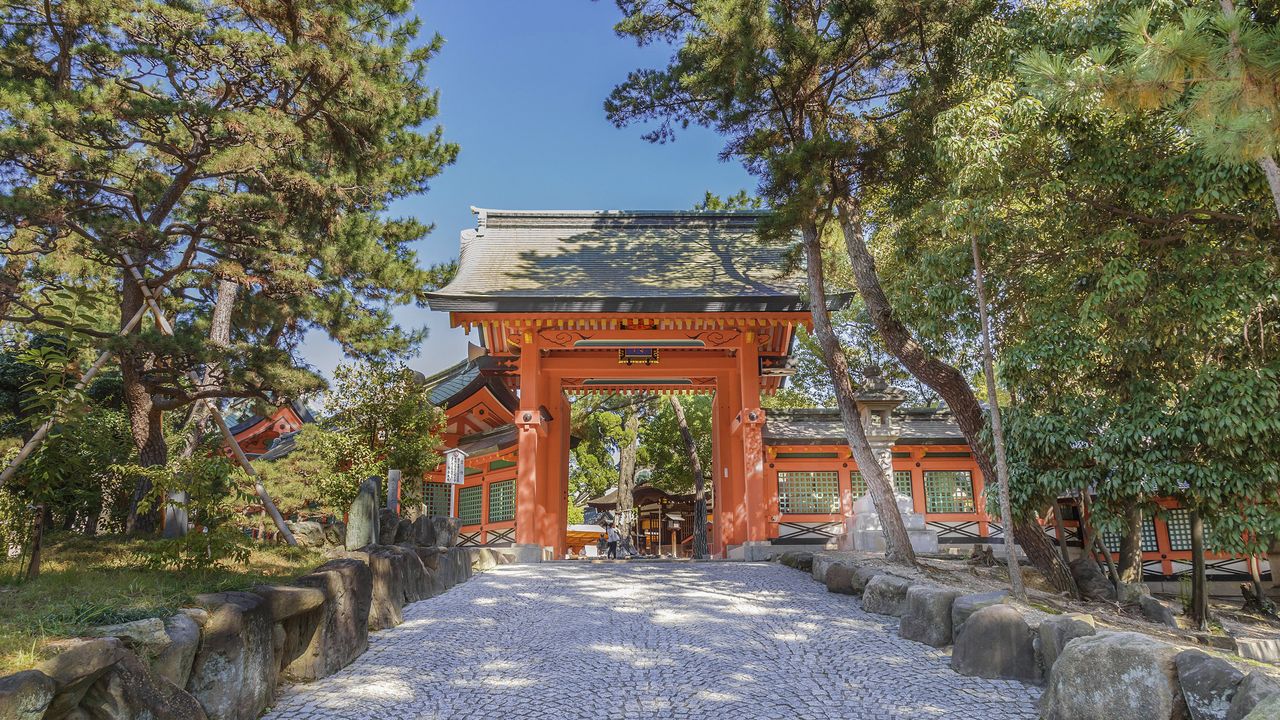
Beyond the art, the region’s primary draw is its maritime heritage. Towns like Mitarai and Tomonoura offer a look at the Edo-period architecture that once defined Japan’s coastal trade routes. Mitarai, located on Osaki Shimojima, was a critical port for sailors waiting for favorable tides. Today, its streets are lined with preserved wooden buildings, traditional watchmakers, and sake breweries that feel entirely untouched by the 21st century.
Another hidden gem is the Oyamazumi Shrine on Omishima. This site is a pilgrimage point for those interested in samurai history, as it houses roughly 80% of Japan’s national treasures in the category of armor and weaponry. Reaching these sites through Seto Inland Sea hidden port towns via a cruise ship allows for a seamless transition from the deck to the heart of ancient Japan.
Active Exploration: Beyond the Deck
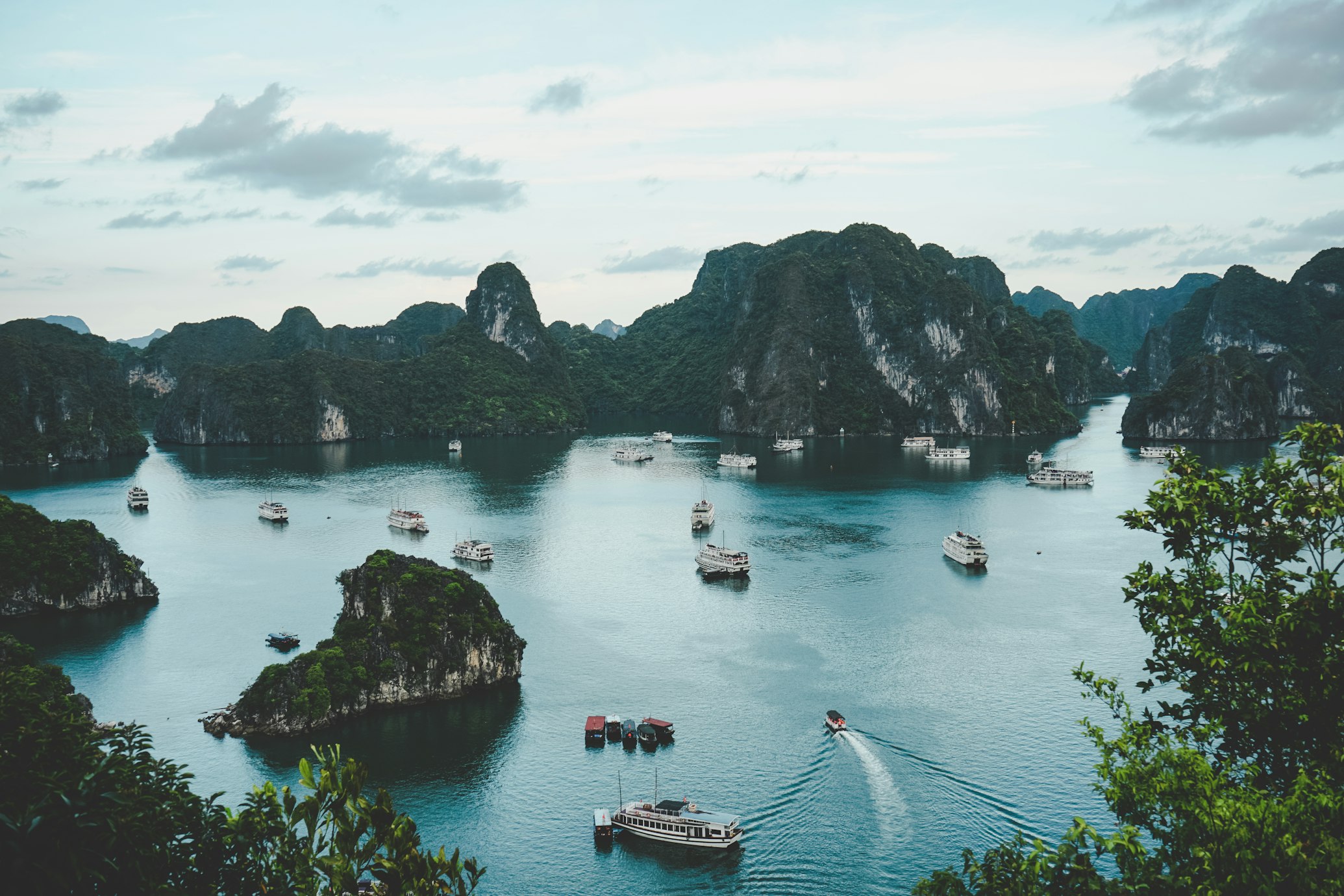
A Seto Inland Sea cruise is not a passive experience. The geography of the region, often compared to the Mediterranean for its calm blue waters and temperate climate, invites active participation.
- Cycling the Shimanami Kaido: This 70-kilometer route connects six islands via a series of spectacular bridges. Many luxury expedition cruises Japan offers include opportunities to cycle segments of this path, providing a high-vantage view of the archipelago.
- Zodiac Excursions: Small-ship technology is essential here. Because many of the most interesting ports have shallow harbors, ships use Zodiacs to ferry passengers into narrow channels and secluded coves. This is often the only way to see the intricate coastal scenery up close.
- Kayaking and Craft: For those who prefer a slower pace, kayaking through the Setonaikai National Park offers a silent, intimate perspective on the limestone cliffs and pine-covered islets. Shore excursions often include visits to Hagi-yaki pottery studios and traditional craft workshops in the hills.
- Rabbit Island (Okunoshima): A fascinating, if slightly surreal, stop is Okunoshima. Once a secret site for chemical weapons production during WWII, it is now overrun by hundreds of friendly wild rabbits. It is a poignant place where dark history meets modern whimsy.
Planning Your Voyage: Logistics & Seasonality
When considering Seto Inland Sea expedition cruise itineraries, the first decision is duration. Options typically range from 7-night regional deep-dives to expansive 33-night voyages that encompass the entirety of the Japanese archipelago.
Best Time to Visit While the cherry blossom season in late March and early April is popular, I strongly recommend October. The weather is significantly more stable, the humidity of the Japanese summer has broken, and the autumn colors begin to touch the hillsides of Shikoku. Furthermore, you avoid the massive domestic travel crowds that clog the art islands during the spring holidays.
Cruise vs. Ferry Many travelers ask about the difference between a ferry and a cruise in the Seto Inland Sea. Public ferries are excellent for budget travelers but follow rigid lines between major ports. A luxury small ship cruises Japan Seto Inland Sea route offers a bespoke itinerary that includes private moorings and access to islands that lack any regular ferry service. The difference is one of efficiency and depth; a cruise gives you ten islands in the time a ferry gives you three.
Primary Hubs Most itineraries begin or end in Hiroshima or Kobe. This allows for easy pre- or post-cruise exploration of the Peace Memorial Park or the vibrant food scene in Osaka. Hiroshima, in particular, serves as a perfect logistical anchor for the Western Seto Inland Sea.
FAQ
What is the best time of year for a Seto Inland Sea cruise?
The ideal window is October through early November. During this time, the weather is stable with minimal rainfall, and temperatures are mild enough for active excursions like cycling the Shimanami Kaido. Spring (late March to May) is also beautiful for blossoms but tends to be much more crowded.
How long are most cruises in the Seto Inland Sea?
Standard itineraries focusing specifically on the Inland Sea usually last between 7 and 10 days. However, many luxury expedition ships integrate the region into longer 14 to 21-day "Circumnavigation of Japan" voyages that also visit the Sea of Japan and Hokkaido.
What are the best islands to visit on a Seto Inland Sea cruise?
Naoshima is essential for contemporary art lovers, while Mitarai and Tomonoura are the top choices for those seeking historic Edo-period architecture. For active travelers, Omishima serves as a great base for cycling, and Okunoshima (Rabbit Island) offers a unique historical and wildlife experience.
Are there luxury cruise options for the Seto Inland Sea?
Yes, several high-end expedition lines, such as Ponant and Silversea, operate in the region. These ships are designed with small-ship technology to navigate narrow straits and offer high-end amenities, including fine dining and expert-led lectures on Japanese history and ecology.
What is the difference between a ferry and a cruise in the Seto Inland Sea?
A ferry is a point-to-point public transportation method used by locals, requiring careful planning and multiple transfers to see different islands. A cruise is a curated, all-inclusive experience that uses the ship as a mobile hotel, providing guided access to remote areas and private excursions that are not reachable via the standard ferry network.
Discover the Unseen Japan
In a world that prizes speed, there is something revolutionary about choosing to move slowly. The Seto Inland Sea cruise is more than just a vacation; it is a study in preservation and the quiet resilience of island life. By choosing the water over the rails, you are not just seeing Japan—you are experiencing the maritime heritage that built it.
Whether you are standing before a contemporary masterpiece on the shores of Naoshima or walking through the silent, salt-aired streets of a former samurai port, the region offers a profound sense of place. It is the Japan that the bullet trains leave behind, and it is waiting to be rediscovered.