Quick Facts
- National Status: Level 2 - Exercise Increased Caution
- Commercial Outlook: Türkiye welcomed 64 million tourists in 2025 and targets $68 billion for its tourism sector in 2026
- Safe Hubs: Istanbul, Ankara, Antalya, Marmaris, and Cappadocia
- Restricted Zones: Within 10km of the Syrian and Iraqi borders; provinces of Sirnak and Hakkari
- Logistics Warning: Potential flight path diversions due to regional geopolitical stability issues
- Diplomatic Note: Routine services at Consulate General Adana remain suspended as of June 2026
As of June 16, 2026, Türkiye travel safety remains at a Level 2 caution nationwide. While popular hubs like Istanbul and the Aegean coast are safe, specific border regions are under restricted alerts. Here is the latest security breakdown for your 2026 trip planning.
As of June 2026, Türkiye travel safety is classified at a Level 2 'Exercise Increased Caution' nationwide by the US State Department. While major tourist destinations such as Istanbul, Ankara, Antalya, and Cappadocia remain safe and fully operational, a Level 4 'Do Not Travel' advisory is in effect for areas within ten kilometers of the Syrian border and the southeastern provinces of Sirnak and Hakkari due to regional conflict.
Current Threat Landscape: Understanding 2026 Risks
Navigating Türkiye in 2026 requires a nuanced understanding of the difference between localized border instability and the resilience of the country’s primary tourism infrastructure. For the first half of the decade, the security situation in Türkiye has been a study in contrasts. On one hand, the 2024 Global Peace Index ranked Türkiye as the least peaceful country in Europe, a designation largely driven by its proximity to Middle Eastern conflict zones and internal security measures. On the other hand, the tourism industry is booming, with record-breaking visitor numbers in 2025 and an ambitious official revenue target of $68 billion for 2026.
The primary concerns for 2026 revolve around terrorism and regional spillover. While the NATO mutual defense umbrella provides a significant layer of strategic security, recent events such as the March 4 ballistic missile interception over the eastern Mediterranean highlight why official government bulletins maintain a Level 2 status. For the average traveler, these geopolitical movements rarely translate into daily disruptions in cities like Izmir or Antalya, but they do mandate a higher level of situational awareness.
Understanding Turkey travel advisory levels is essential for managing expectations. Level 2 does not mean "do not visit"; rather, it is a recommendation to remain vigilant in crowded public places, follow local news, and avoid political demonstrations. The US Embassy Ankara continues to monitor anti-US sentiment, which occasionally flares during periods of heightened tension in neighboring regions. However, the overarching theme for travelers in June 2026 is one of "managed risk" rather than "active danger."
Safe Regions vs. Red Zones: Where to Go in 2026
The geographic size of Türkiye often leads to misconceptions about safety. Conflict near the southern borders does not inherently impact the safety of the western or central regions. To assist in Turkey trip planning for airspace disruptions and ground safety, it is helpful to categorize the country into distinct security tiers.
| Region | Safety Status | Travel Recommendation |
|---|---|---|
| Istanbul & Marmara | Level 2: Exercise Caution | Safe for all tourism; maintain standard vigilance. |
| Antalya & Aegean Coast | Level 1/2: Safer | High security presence; business as usual. |
| Central Anatolia (Cappadocia) | Level 2: Exercise Caution | Safe; very popular for 2026 arrivals. |
| Southeastern Provinces (Sirnak/Hakkari) | Level 4: Do Not Travel | High risk of terrorism and military activity. |
| Syrian/Iraqi Border (10km zone) | Level 4: Do Not Travel | Severe risk; zero-tolerance military zone. |
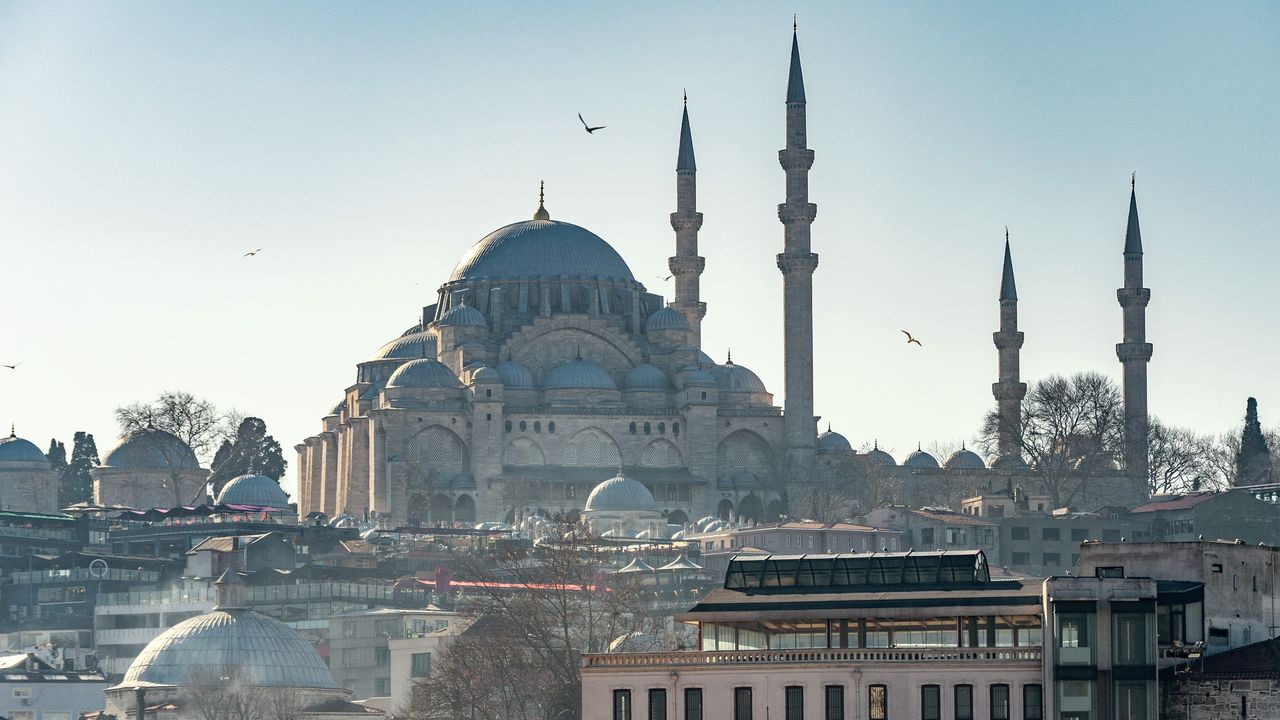
Professional travel critics and security analysts emphasize that safe regions in Turkey for tourists 2026 include the vast majority of the country's historic and coastal sites. Istanbul, in particular, has seen massive investment in smart-city security surveillance, making the city’s major districts like Beyoğlu and Kadıköy relatively secure for international visitors.
However, the southeastern frontier remains a significant outlier. The Turkey-Syria border travel restrictions 2026 are strictly enforced by the Turkish military. Travelers should not attempt to visit ancient sites in the immediate vicinity of the border, as these areas are prone to arbitrary checkpoints and sudden closures. Furthermore, the suspension of services at the US Consulate General Adana district means that US citizens in the south have limited access to emergency consular support, making travel to the Adana and Hatay regions less advisable than in previous years.
Airspace Operations and Travel Logistics
One of the most frequent questions I receive is: is Istanbul safe to visit during Middle East conflict 2026? From a ground perspective, the answer is a firm yes. However, from a logistical perspective, the situation is more complex. The security situation in Turkey for international travelers June 2026 is heavily influenced by airspace management.
Conflicts in neighboring states have occasionally led to flight path diversions to avoid potential missile corridors or activity in the eastern Mediterranean. Travelers should expect longer flight times for routes connecting Istanbul to the Gulf or South Asia. Turkish Airlines, the nation's flagship carrier, has become adept at navigating these shifts, but the May 10 rebooking window closure reminds us that flexibility is paramount.
Crucially, you must review your travel insurance coverage for Turkey airspace closures 2026 before departure. Standard policies often include "force majeure" clauses that exclude cancellations based on regional geopolitical stability or general "fear of travel." For 2026, I recommend securing a policy that specifically includes trip interruption benefits for airspace closures or "Cancel for Any Reason" (CFAR) upgrades. If a regional surge causes temporary flight suspensions, a basic policy may leave you stranded or out of pocket for non-refundable hotel stays in Ankara and Antalya.
Legal and Digital Safety: Rights and Risks
Physical safety is only one part of the security situation in Turkey for international travelers June 2026. Legal safety, specifically regarding "arbitrary detentions," is an area where tourists often find themselves in trouble through a lack of awareness.
The Turkish government maintains strict laws regarding social media posts and public statements that may be perceived as insulting the state, its leaders, or the military. This applies to tourists as well. Since 2024, there has been an uptick in instances where travelers were detained or refused re-entry due to historical social media activity or vocal participation in local political demonstrations.
To ensure your Türkiye travel safety, follow these risk mitigation strategies:
- Digital Footprint: Be mindful of sharing politically sensitive content while within Turkish borders.
- Demonstrations: Avoid any large gatherings or protests, especially in major squares like Taksim in Istanbul or Kızılay in Ankara. What begins as a peaceful gathering can escalate quickly, and police responses often involve the use of water cannons or tear gas.
- Identification: Always carry a physical copy of your passport and entry stamp. Routine ID checks are common in metro stations and transit hubs.
The Smartraveller high caution warning for Türkiye specifically highlights these legal risks. While it is unlikely an average tourist will face issues, the consequences of legal misunderstandings are severe and often bypass traditional diplomatic interventions.
Emergency Preparedness: Crisis Toolkit for 2026
No matter how safe a destination seems, a modern travel strategy requires a fallback plan. Handling emergency evacuations or alerts in Turkey 2026 is vastly more efficient if you have the right tools integrated into your mobile device before you land.
- Enroll in STEP: If you are a U.S. citizen, the Smart Traveler Enrollment Program (STEP) is non-negotiable. It allows the US Embassy Ankara to contact you in an emergency and provides real-time official government bulletins regarding security shifts.
- AFAD App: Download the official app of the Disaster and Emergency Management Authority (AFAD). It provides localized alerts for natural disasters and public safety emergencies in Turkish and English.
- Local Emergency Directory: Save the following numbers in your phone.
- General Emergency: 112 (Police, Ambulance, Fire)
- Tourism Police (Istanbul): +90 212 527 45 03
- US Embassy Ankara: +90 312 455 55 55
- Financial Resilience: Ensure you have access to funds outside of standard credit cards. In rare cases of regional instability affecting banking networks, having a small reserve of cash (EUR or USD) can facilitate private transport or emergency lodging.
By following these Turkey travel safety tips for US citizens 2026, you move from being a reactive tourist to an informed traveler. The country’s commitment to its $68 billion tourism goal ensures that the security of visitors remains a top national priority, but individual responsibility remains the final layer of your safety net.
FAQ
Is it safe to travel to Turkey right now?
Yes, for the vast majority of tourists, it is safe to travel to Türkiye. The country is currently under a Level 2 travel advisory, which means you should exercise increased caution, but major tourist areas like Istanbul and the Mediterranean coast are fully operational and welcoming millions of visitors.
What areas of Turkey should tourists avoid?
Travelers must avoid the provinces of Sirnak and Hakkari, as well as any area within ten kilometers of the borders with Syria and Iraq. These are designated as Level 4 'Do Not Travel' zones due to the high risk of terrorism and armed conflict.
Are there any current travel advisories for Türkiye?
Yes, as of June 2026, the US State Department and other international bodies maintain a Level 2 advisory for the country at large. This is primarily due to potential terrorism and the risk of arbitrary detentions. Specific southeastern regions are under a Level 4 advisory.
Is it safe to visit the border regions of Turkey?
It is not safe to visit the immediate border regions near Syria or Iraq. These areas are subject to military operations and localized violence. Leisure travel to these zones is strongly discouraged by all major sovereign governments and travel insurance providers.
Is it safe to walk around Istanbul at night?
Walking around Istanbul at night is generally safe in well-lit, populated areas such as Sultanahmet, Galata, and Besiktas. However, as with any major global metropolis, you should exercise standard caution, remain aware of your surroundings, and use licensed taxis or ride-sharing apps rather than walking alone in unfamiliar, outskirts districts.