Quick Facts
- Duration: A 7-day duration is recommended for a balanced Scotland whisky tour, allowing for deep immersion in both the Highlands and the Isle of Islay.
- Visitor Popularity: Scotch whisky distilleries recorded approximately 2.7 million visits in 2024, solidifying these sites as essential luxury travel destinations.
- Top Accommodation: Glenmorangie House offers an unparalleled boutique estate stays experience, recently recognized with a Michelin Key for its hospitality.
- Regional Highlights: The Isle of Islay remains the peated capital of the world, currently home to nine active distilleries including world-renowned names like Lagavulin and Laphroaig.
- Growth Trends: Coastal sites are surging in popularity; the Talisker distillery on Skye saw a growth in visitor numbers of more than 200 percent between 2019 and 2023.
- 2026 Must-See: The anticipated full reopening of legendary sites like Rosebank and the expansive renovations at Dalmore and Stannergill represent the new frontier of spirit tourism.
Planning an elite Scotland whisky tour in 2026 requires balancing geographic terroir with exclusive access. From the salt-sprayed shores of Islay to the towering copper pot stills of the Highlands, our 7-day Scotland coastal whisky itinerary reveals how to experience the uisge beatha while staying in Michelin-rated lodges.
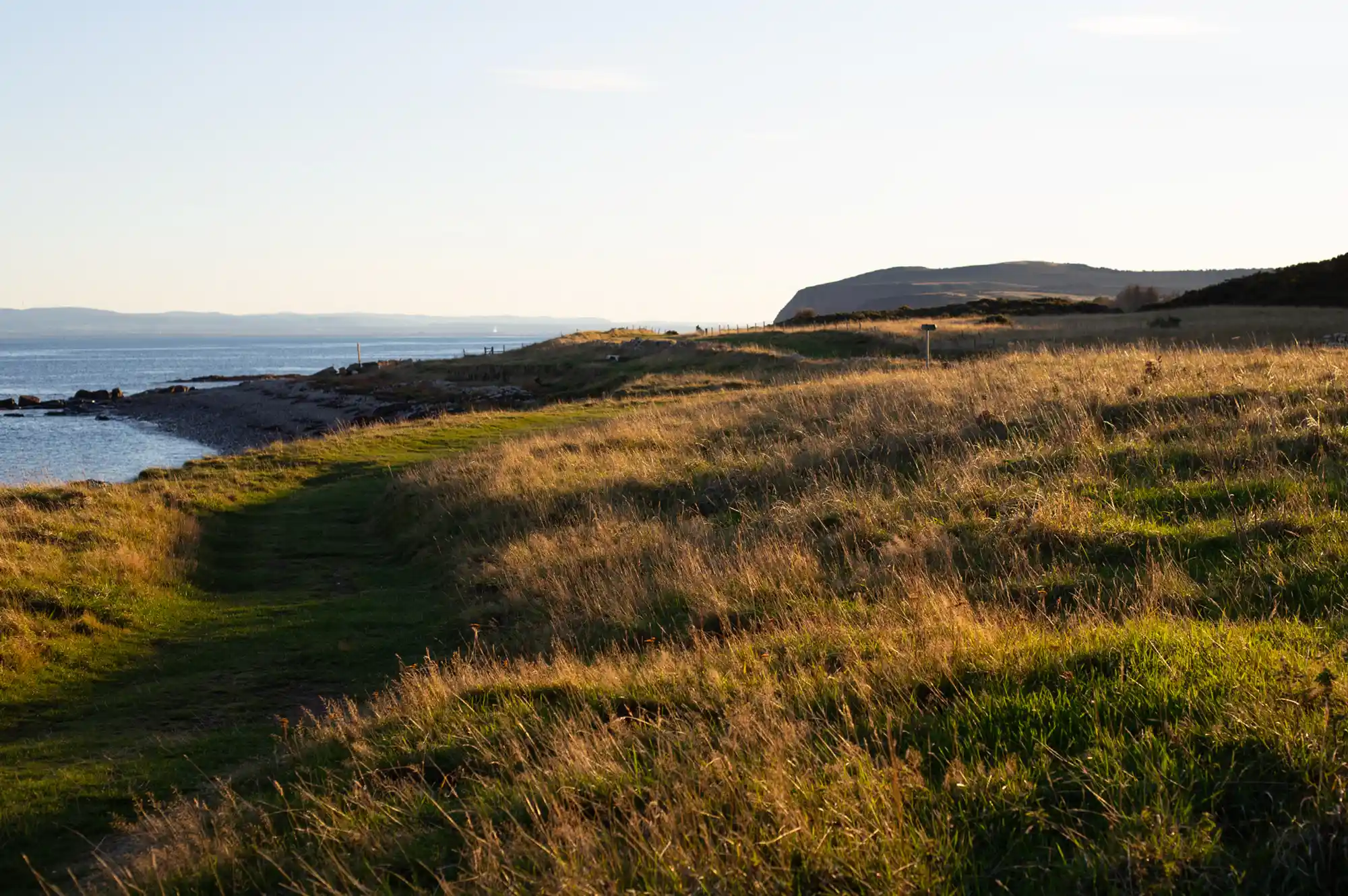
Ultimate Coastal Scotland Whisky Tour Itinerary: The 2026 Luxury Guide
There is a specific kind of magic that occurs when the cold damp of the Atlantic coastline meets the warmth of a crystal glass. For the discerning traveler, a Scotland whisky tour is not merely a series of tastings; it is a pilgrimage through history, geography, and the very soul of the Scottish landscape. To truly understand the liquid gold known as uisge beatha, one must follow the coast, where the air is thick with salt and the barrels breathe the rhythm of the tides.
This scotland coastal whisky itinerary 7 days is designed for those who seek the finer things—the private master blender sessions, the hidden dunnage warehouses, and the comfort of the most exclusive luxury distillery hotels Scotland has to offer. We begin our journey where the North Sea whispers against the cliffs of the Highlands before charting a course toward the smoky, mist-shrouded shores of the Inner Hebrides.
The Base Base Camp Strategy: Luxury Distillery Hotels Scotland
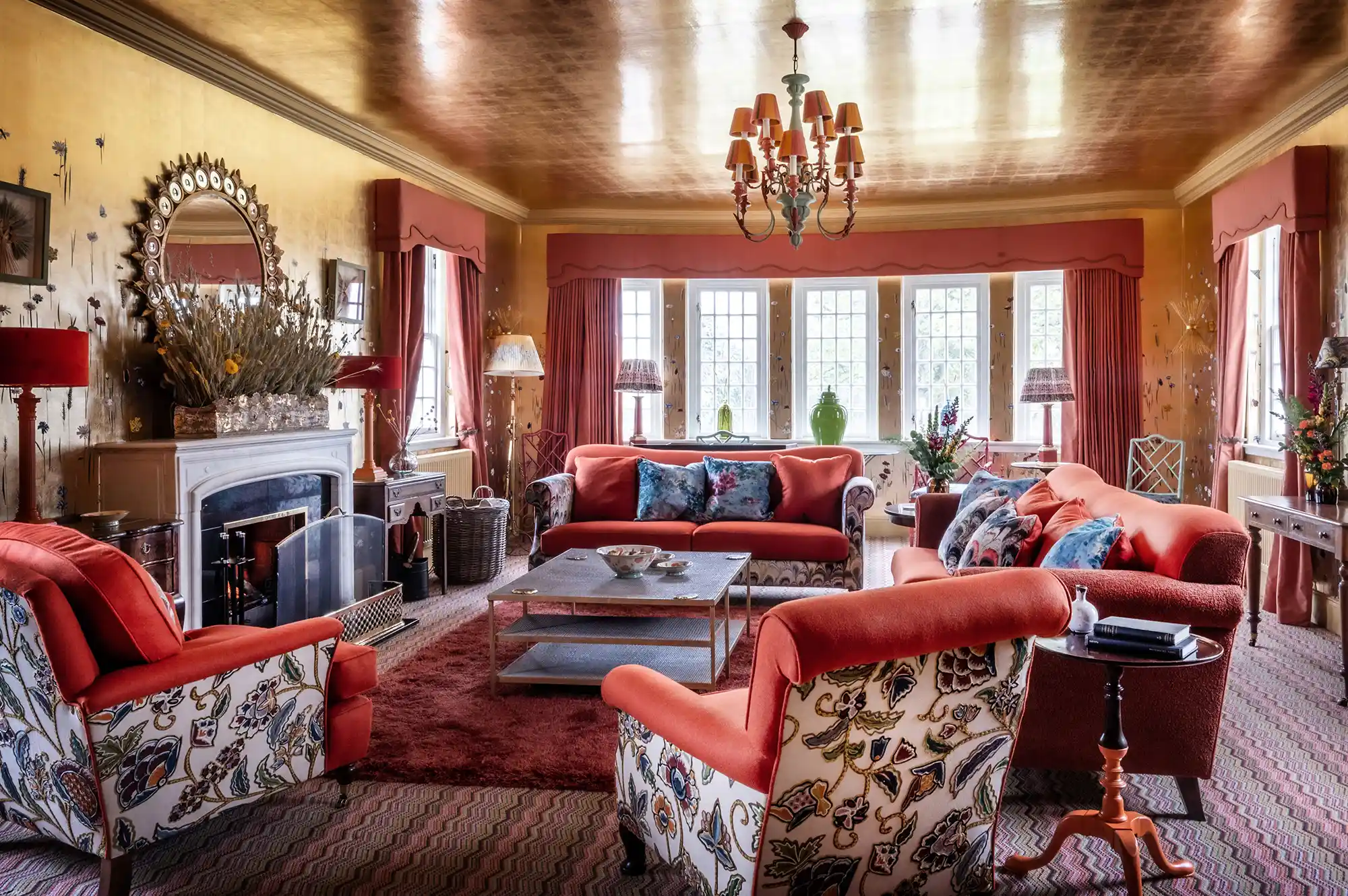
To fully appreciate the craftsmanship of a fine single malt, one should never be far from the source. The concept of spirit tourism has evolved into a sophisticated lifestyle experience, where boutique estate stays allow guests to wake up within sighing distance of the copper pot stills.
In the Northern Highlands, Glenmorangie House stands as a beacon of refined Highland hospitality. This is not a traditional hotel, but a sensory playground designed to mirror the elegance of their spirit. Each room tells a story, and the communal dining experience—often featuring Michelin-rated local produce—creates an atmosphere of a private house party. Staying at glenmorangie house for distillery tours allows you exclusive access to their towering stills, the tallest in Scotland, which produce a spirit of unparalleled lightness and floral complexity.
Moving toward the rugged west, the experience shifts toward maritime immersion. On Islay, Ardbeg House provides a front-row seat to the dramatic Atlantic. These luxury hotels near coastal scotland distilleries offer more than just a bed; they provide a spiritual connection to the land. Imagine returning from a day of exploring ancient peat bogs to a roaring fire and a dram that tastes of the very sea air you’ve been breathing all afternoon.
Decoding Terroir: The Best Coastal Scotland Distilleries
What makes the best coastal Scotland distilleries so distinct from their inland cousins? The answer lies in the concept of terroir characteristics, a term often reserved for wine but deeply relevant to the whisky of the coast. The maritime influence is not a myth; it is a physical reality that shapes the spirit during its long slumber in the warehouse.
The Atlantic coastline climate is characterized by high humidity and consistent, salt-heavy winds. As the spirit undergoes cask maturation, the wood breathes in this brine-rich air. Over a decade or more, this infuses the aging single malts with a delicate salinity and notes of seaweed that are impossible to replicate elsewhere. In the Highlands, this might manifest as a crisp, citrusy snap with a hint of sea spray. On the islands, it marries with the intense peat smoke profile to create something primeval and powerful.
| Region | Flavor Profile | Signature Maritime Influence |
|---|---|---|
| Northern Highlands | Honey, stone fruit, apricot, and vanilla | Subtly salted caramel, crisp ocean breeze |
| Islay (South Coast) | Heavy peat smoke, medicinal, iodine, and ash | Intense brine, dried seaweed, Atlantic salt |
| Isle of Skye | Cracked black pepper, smoke, and robust malt | Distinct salinity, maritime minerals, volcanic earth |
The technical artistry of the copper pot stills also plays a role. In coastal distilleries, these stills are often designed to capture certain esters that complement the maritime environment. When you visit these sites, pay close attention to the shape of the stills; they are the architectural lungs of the distillery, determining the weight and texture of the uisge beatha before it ever touches a cask.
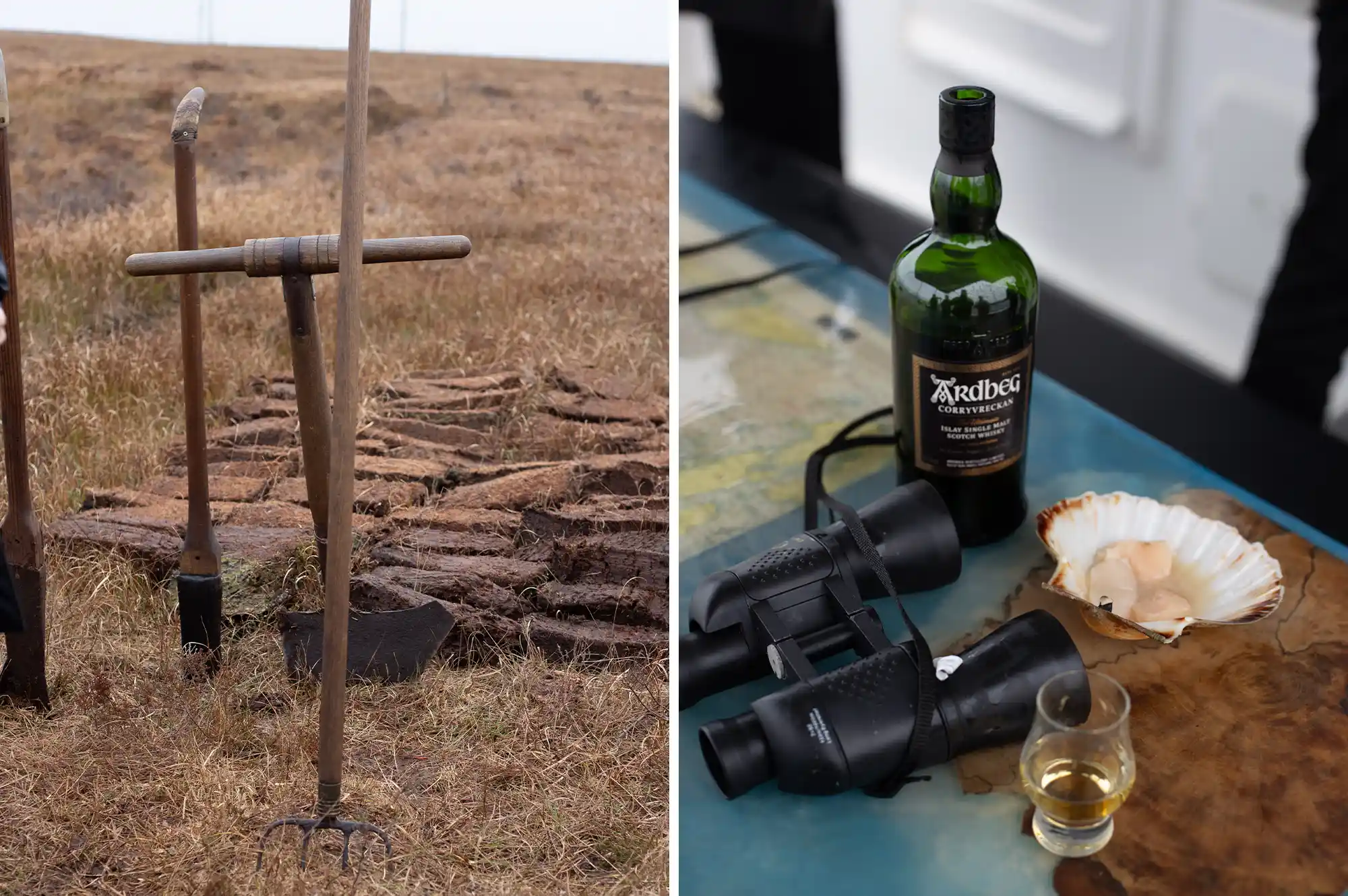
The Islay Expedition: Peat, Sea Safaris, and Salt Air
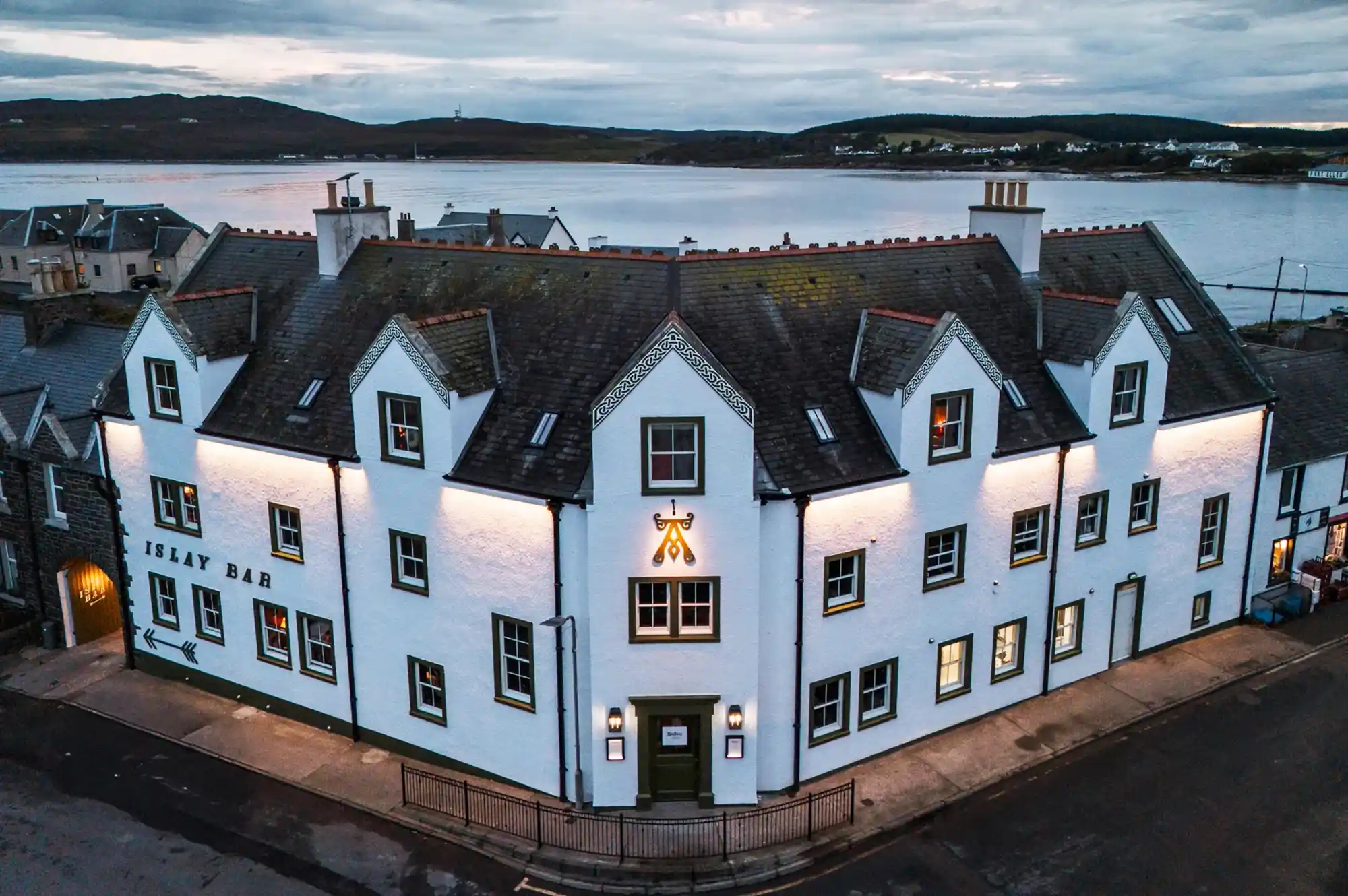
No Scotland whisky tour is complete without a journey to the Isle of Islay. This island is a sanctuary for those who love the bold, the smoky, and the unapologetic. For the uninitiated, an islay whisky tour for beginners guide often focuses on the "Big Three" on the southern coast: Lagavulin, Laphroaig, and Ardbeg.
Walking the path between these three distilleries is a rite of passage. Visiting lagavulin and laphroaig on islay allows you to witness the traditional methods of drying malted barley over fires fueled by local peat. This process imparts that signature peat smoke profile that has made the island famous. However, the true luxury traveler knows that the best way to see Islay is from the water.
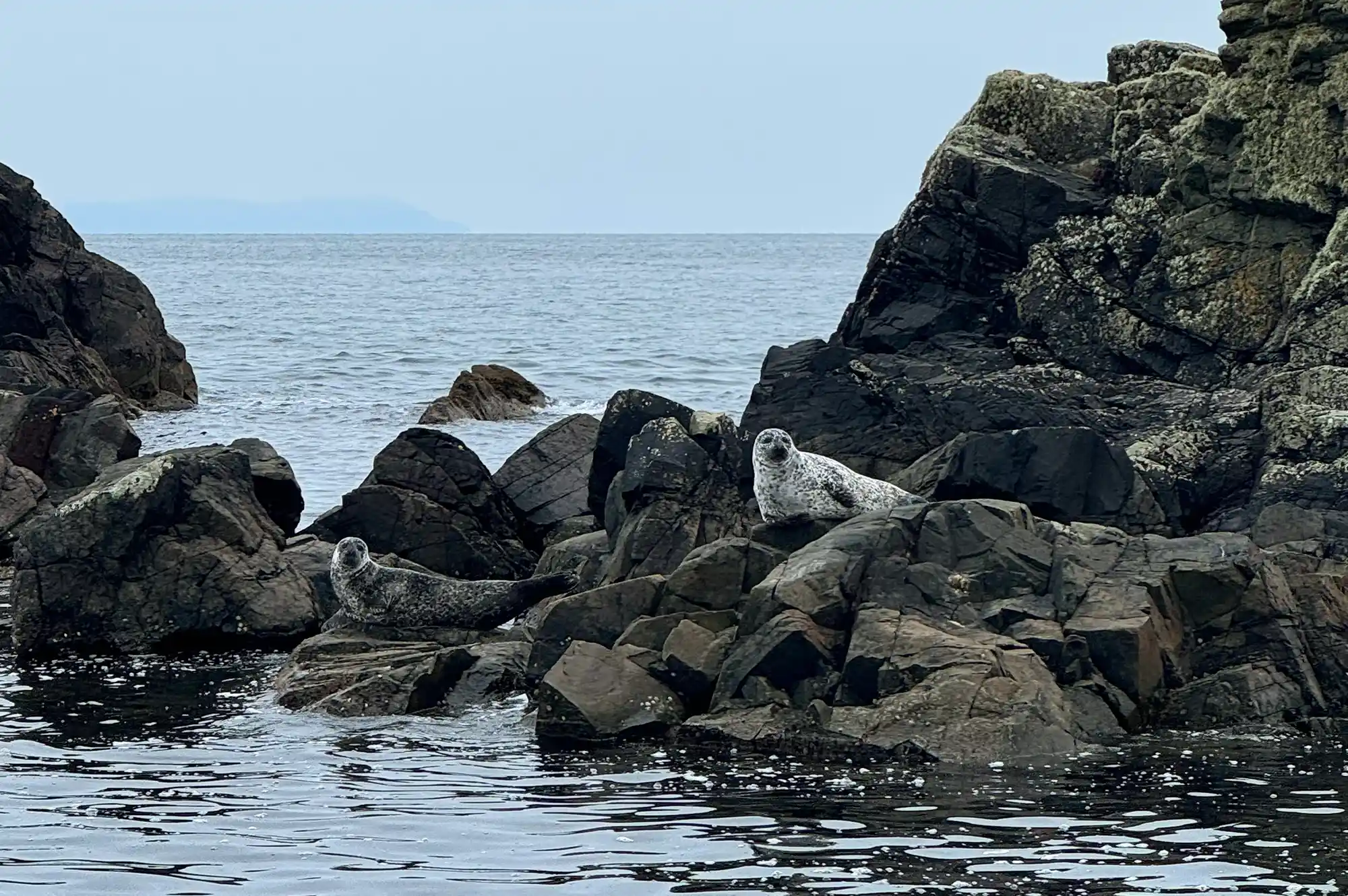
From the mainland, specifically from the majestic Glenapp Castle, you can embark on a Hebridean Sea Safari. This bespoke adventure uses a luxury boat to whisk you across the waves, offering a perspective of the distilleries that few ever see. You might spot seals, dolphins, or even minke whales before pulling directly into the private piers of the distilleries. When considering how to include a sea safari in a coastal whisky tour, it is best to book this as a private transfer, allowing you to bypass the ferry queues and arrive at your master blender sessions with the exhilarating taste of salt on your lips.
Further north on the island, the landscape softens, and the whiskies follow suit. Distilleries like Bunnahabhain offer rare single malts that are often unpeated, focusing instead on the influence of the sherry casks and the gentle maritime air of the Sound of Islay. It is this diversity—from the medicinal intensity of the south to the coastal elegance of the north—that makes the island so endlessly fascinating.
Logistics and New 2026 Openings
Navigating the geography of the Scottish coast requires careful planning, especially given the nation’s strict drink-driving laws. For those driving the coastal scotland whisky trail, the most sophisticated solution is to utilize the "takeaway drams" provided by most visitor centers. These small, glass sample bottles allow you to enjoy your rare single malts back at your boutique estate stays rather than behind the wheel.
Alternatively, consider the luxury of the rail. Several of Scotland’s most iconic stops are rail-accessible. You can take the train to sites like Dalwhinnie in the Cairngorms or Glen Ord near Inverness, where you can witness the artisan distillation process without the need for a private driver.
Looking toward 2026, the landscape of Scotch is expanding. The legendary Rosebank distillery is set to fully welcome guests into its revamped canal-side home, and north of the Highlands, the new Stannergill distillery promises to bring a fresh perspective to the rugged coastline of Caithness. These new openings are set to become the next icons of the Scotland coastal whisky itinerary, blending ultra-modern architecture with the timeless tradition of uisge beatha.
Emma's Tip: Always inquire about "warehouse tastings." While the standard visitor center tours are wonderful, the true magic happens inside the dunnage warehouses, where you can taste spirit straight from the cask, surrounded by the scents of damp earth and aging oak.
FAQ
How long does a typical Scotland whisky tour take?
A comprehensive tour usually takes 7 days. This allows for two days in the Highlands, two days on Islay, and three days for travel and exploration of the coastline or secondary regions like Speyside or Skye.
What is the best time of year for a whisky tour in Scotland?
The shoulder seasons of May through June and September through October are ideal. The weather is generally milder, the landscapes are vibrant, and the distilleries are less crowded than during the peak summer months.
Can you visit Scotland's whisky distilleries without a car?
Yes, it is possible through a combination of luxury train travel, private chauffeured tours, and sea transfers. Many distilleries in the Highlands and near coastal hubs are accessible via the scenic rail network, while Islay is best navigated via private transport or boat.
Do you need to book Scotland whisky tours in advance?
For high-end experiences, private master blender sessions, and stays at luxury distillery hotels Scotland, it is essential to book at least 3 to 6 months in advance. The most exclusive slots for 2026 are already beginning to fill.