Quick Facts
- Distance: 18 miles (approx. 29km) south of central Tokyo.
- Top Attraction: Yokohama Chinatown, the largest in Japan with over 600 establishments.
- Hidden Gem: Sankeien Garden, featuring 17 historic structures relocated from across Japan.
- Travel Time: 25 to 40 minutes via multiple rail lines from major Tokyo hubs.
- 2026 Daily Budget: ¥5,000–¥8,000 per person including transport, meals, and entry fees.
- Best View: The Sky Garden at Landmark Tower or the Manyo Club rooftop footbath.
Yokohama is a premier maritime destination in Kanagawa Prefecture, offering a blend of futuristic skyline views, Japan's largest Chinatown, and the historic Sankeien Garden, making a Yokohama travel guide essential for any Tokyo-based itinerary. Whether you are looking for a quick escape from the neon density of Shinjuku or a deep dive into Japan’s early international history, this coastal city provides a refreshing breath of salt air and world-class culture.
Seamless Transit: Getting from Tokyo to Yokohama
One of the reasons Yokohama is such a popular day trip is its sheer accessibility. As a traveler in 2026, you have several high-speed rail accessibility options depending on where you are staying in the capital. If you are starting near Tokyo Station or Ueno, the JR Tokaido or Keihin-Tohoku lines are your best bets, delivering you to Yokohama Station in roughly 25 to 35 minutes.
However, if you are based in Shibuya or along the west side of the city, the Tokyu Toyoko Line offers incredible value. I often recommend travelers look into the Tokyu Line One-Day Pass, which covers your round trip from Shibuya and unlimited travel on the Minatomirai Line for about ¥860 (updated 2026 pricing).
| Route / Pass | Average Cost (Round Trip) | Best For... |
|---|---|---|
| JR Tokaido Line | ~¥1,100 | Speed from Tokyo Station |
| Tokyu Toyoko Line | ~¥600 | Budget from Shibuya/Daikanyama |
| Tokyu One-Day Pass | ¥860 | Full Yokohama day trip itinerary from Tokyo 2026 |
| JR East Pass | Included | Holders of national or regional JR passes |
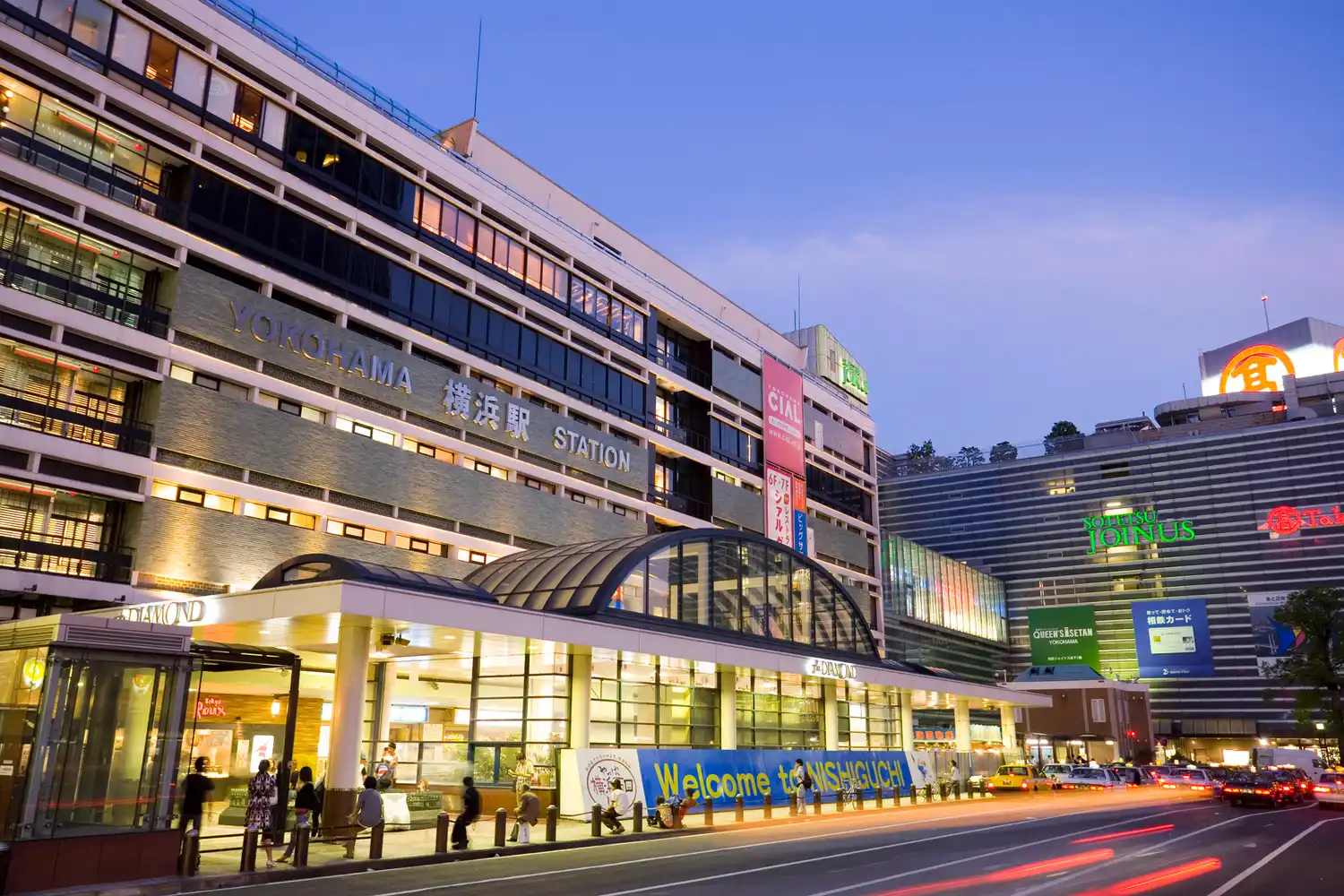
Once you arrive at Yokohama Station, don't feel tethered to the underground. The city’s geography is best navigated via its unique local transport. For a maritime heritage navigation experience, the Sea Bass water taxi connects the station to the Minato Mirai district and Yamashita Park. It is more than just transit; it's a mini-cruise. Alternatively, the Akai Kutsu Loop Bus stops at all major tourist sights for a flat fee. For those who prefer active exploration, the Yokohama Bay Bike e-bike sharing system is ubiquitous and easy to use via a smartphone app.
Minato Mirai: Futuristic Waterfront & Thermal Relaxation
Minato Mirai 21, which literally translates to "Harbor Future 21," is a testament to Japan’s urban planning prowess. This waterfront district is a major hub for tourism and business, and as of the latest data in 2024, it attracts more than 77 million visitors each year. It is a space where the Cosmo Clock 21 landmark—once the tallest Ferris wheel in the world—spins alongside sleek skyscrapers.
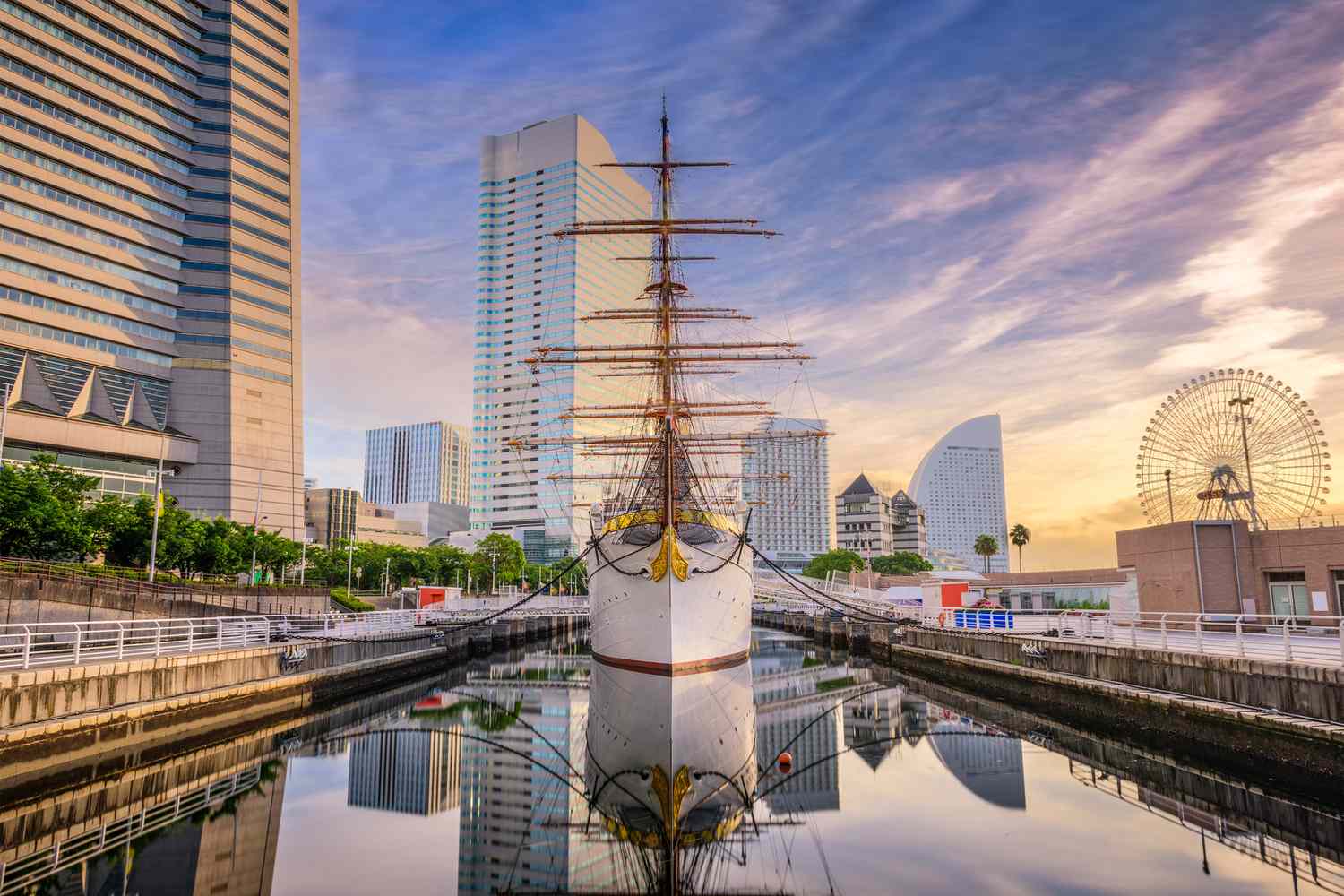
I recommend starting your morning at the Nippon Maru, a majestic four-masted sailing ship permanently docked in the harbor. It serves as a fantastic museum of maritime history. Just a short walk away, the Landmark Tower offers the Sky Garden on its 69th floor. On a clear day, the Mount Fuji peak views from here are nothing short of spectacular.
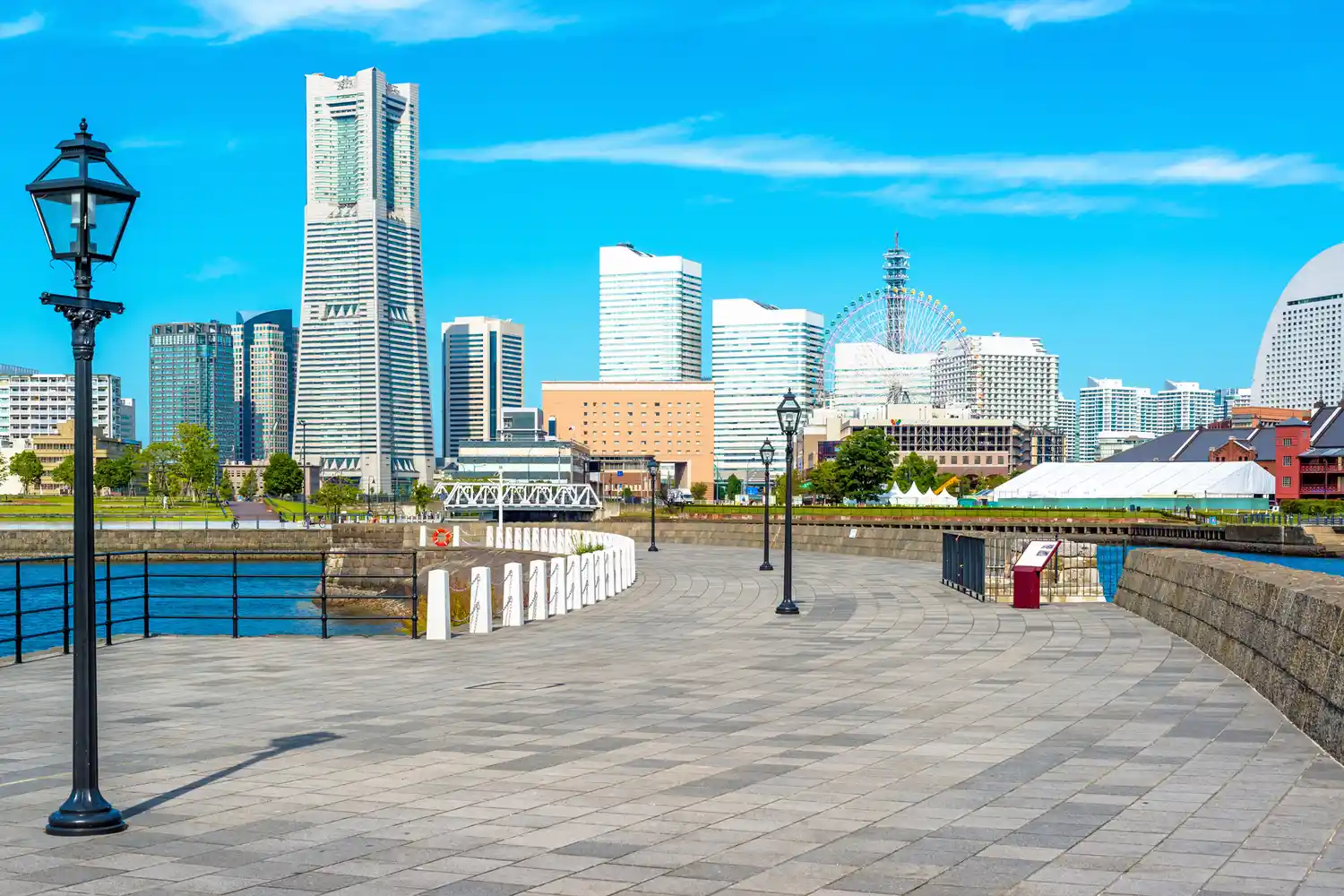
If your feet are tired from walking, head to the Manyo Club. This is a unique Manyo Club Yokohama onsen experience for international tourists because the facility transports real thermal water from the famous springs of Hakone and Atami via tanker truck every day. You can enjoy natural thermal baths while looking out over the Tokyo Bay waterfront. Their rooftop footbath offers a 360-degree view of the skyline, including the neon glow of the Ferris wheel.
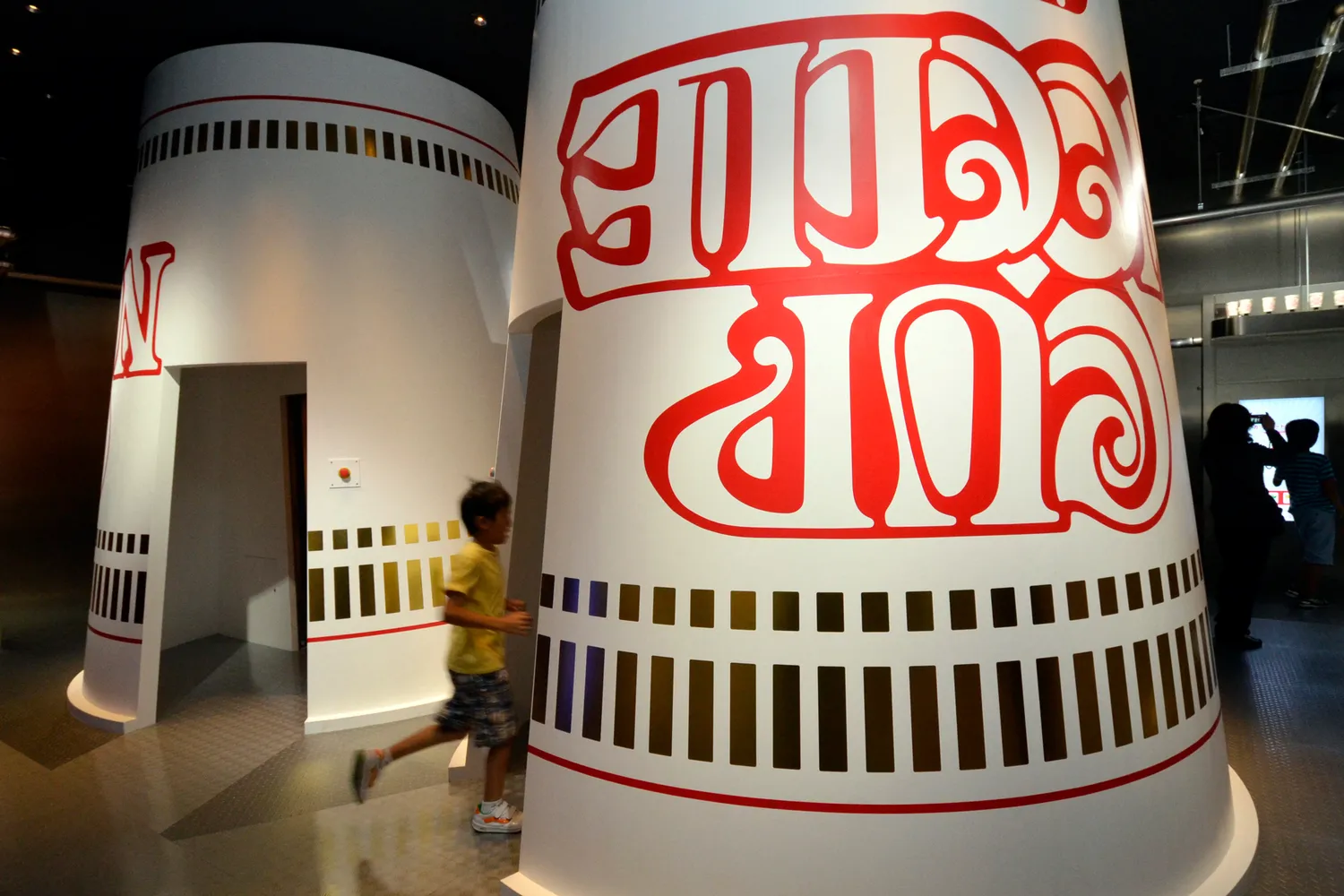
Pro-Tip: Pre-booking Alert The Cup Noodles Museum is one of the most popular best things to do in Yokohama. If you want to participate in the "My Cupnoodles Factory" workshop where you design your own packaging and flavor, you must book your slot online at least 30 days in advance during peak season.
Chinatown & Yamate: Culinary Heritage & Historic Architecture
No Yokohama travel guide is complete without a deep dive into its culinary heart. Yokohama Chinatown is the largest Chinatown in Japan and one of the largest in the world. It is home to over 600 shops and restaurants that draw an estimated 20 million visitors annually.
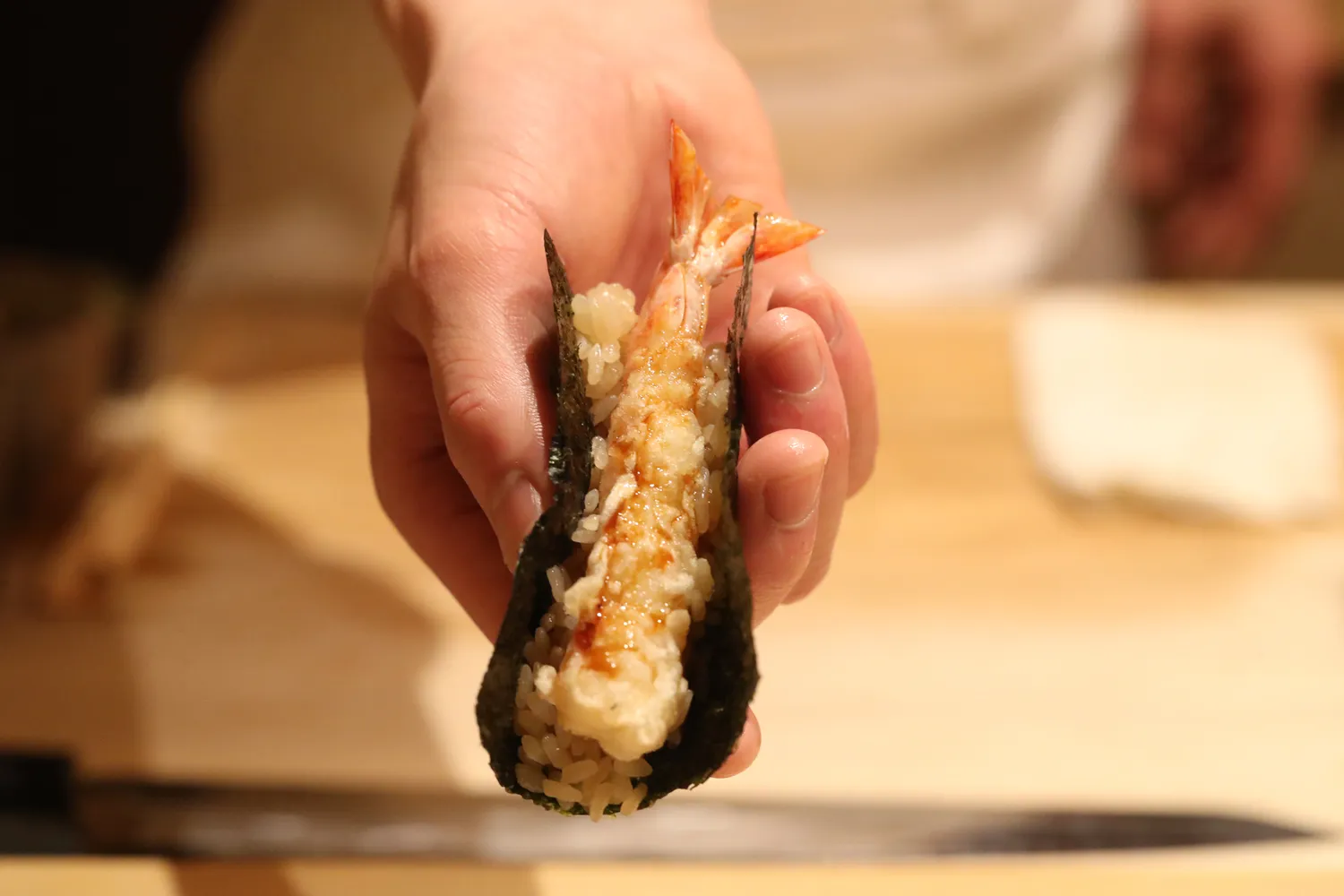
Walking through the ornate, colorful gates (paifang) feels like crossing a border. For foodies, the best things to do in Yokohama Chinatown for foodies usually involve a "tabearuki" (walking and eating) tour. Look for specialized steamed buns (nikuman) or the famous pan-fried soup dumplings (shengjian mantu). If you prefer a sit-down meal, several historic restaurants offer Gyu-nabe dining, a traditional beef hot pot that originated in Yokohama in 1868 when Japan first opened its doors to Western culinary influences.
After lunch, take a stroll through Yamashita Park promenades toward the Yamate district. This area sits on a bluff overlooking the harbor and was the primary residential area for foreign diplomats and traders during the Meiji era. You can still tour several well-preserved examples of Meiji-era historic architecture, such as the British House and the Ehrismann Residence. It is a quiet, leafy contrast to the bustle of the waterfront.
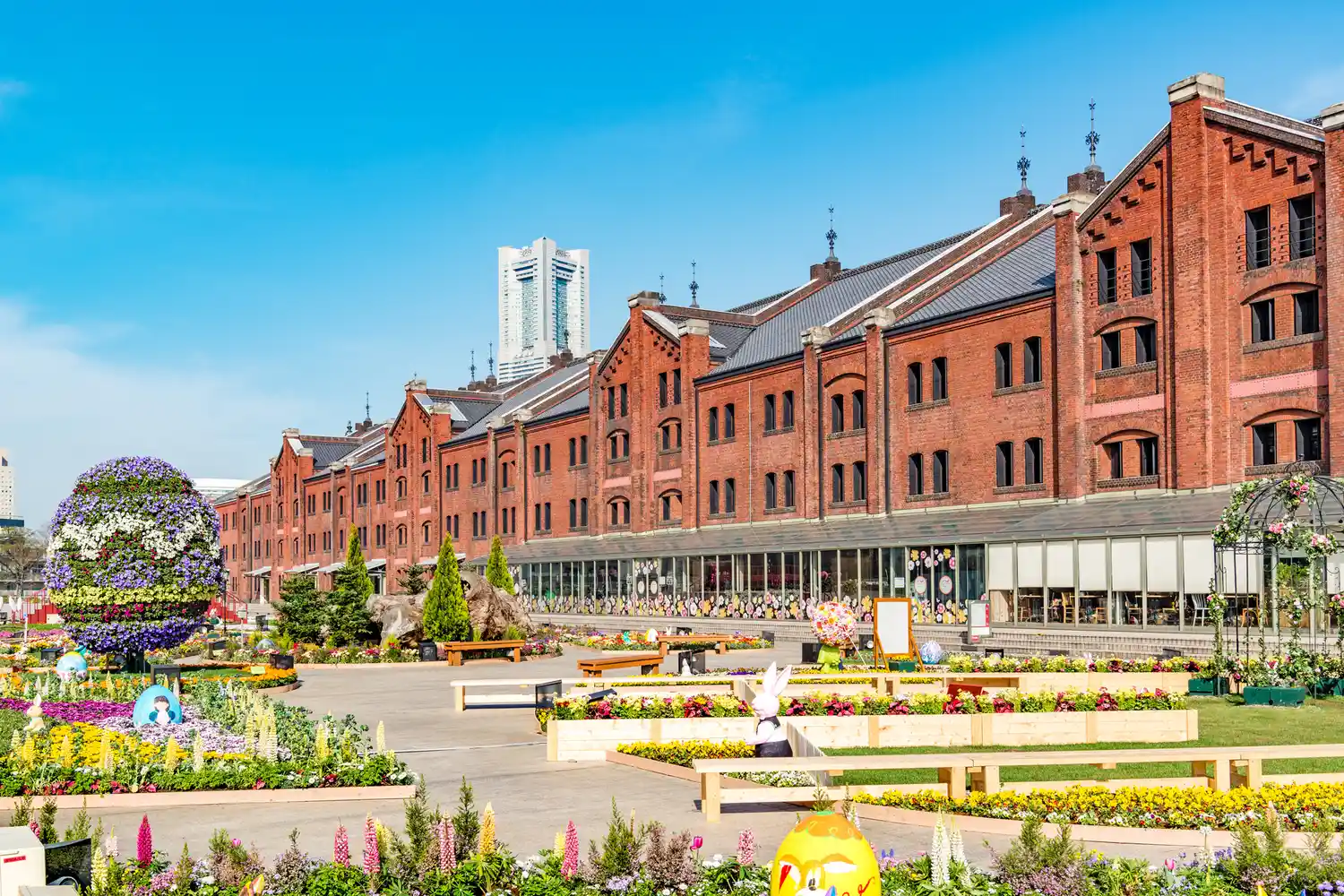
Nearby, the Red Brick Warehouse (Akarenga Soko) is another must-visit. These former customs buildings now house boutique shops and cafes. In the winter, this area hosts a massive Christmas Market, while the summer months see it transformed into an outdoor concert and beer garden space.
Sankeien Garden: Zen Retreat & Seasonal Beauty
If you need a break from the "Future" part of Yokohama, head south to Sankeien Garden. This is a sprawling traditional Japanese garden designed by a wealthy silk merchant. Unlike many gardens that are replicas, Sankeien contains actual historic buildings—including a 15th-century three-story pagoda—that were dismantled and transported here from Kyoto and Kamakura.
The Zen garden landscape design is particularly stunning during the spring cherry blossom season and the autumn foliage peak in late November. It is a masterclass in "shakkei" (borrowed scenery), where the trees and ponds are positioned to create a sense of vast, natural space. visiting Sankeien Garden Yokohama: what to see and do usually involves a stop at the Yanohara House, a massive farmhouse with a thatched roof that shows how rural Japanese families lived centuries ago.
For those staying late, the Noge district nightlife near Sakuragicho Station is where the locals go. It is a maze of tiny bars and "izakayas" that retain an old-school Showa-era charm. It is the perfect place to grab a local craft beer and reflect on your Yokohama day trip from Tokyo before heading back to the capital.
FAQ
Is Yokohama worth visiting?
Absolutely. As the second-most populous city in Japan with approximately 3.77 million residents as of 2024, it offers a more spacious, relaxed coastal atmosphere than Tokyo. The combination of its deep maritime history, world-class dining in Chinatown, and modern entertainment in Minato Mirai makes it a highly varied destination.
How do you get from Tokyo to Yokohama?
The most efficient way is by train. You can take the JR Tokaido Line from Tokyo Station in about 25 minutes, or the Tokyu Toyoko Line from Shibuya in about 30 minutes. Both routes are frequent and require no advance booking, though the Tokyu line is generally cheaper.
Can you see Mount Fuji from Yokohama?
Yes, on clear days, Mount Fuji is visible from several high vantage points. The best viewing locations include the Sky Garden observatory in the Yokohama Landmark Tower, the rooftop of the Manyo Club, or from the Hikawa Maru ship museum docked at Yamashita Park.
What are the top things to do in Yokohama?
The top attractions include exploring the narrow alleys of Yokohama Chinatown, visiting the interactive Cup Noodles Museum, walking through the historic Sankeien Garden, and enjoying the sunset at the Minato Mirai waterfront. For families, the Cosmo World amusement park and its giant Ferris wheel are also high on the list.
Is a day trip from Tokyo to Yokohama worth it?
A day trip is highly recommended. Because the transit time is less than 40 minutes, you can easily experience the city's major highlights without feeling rushed. A well-planned Yokohama day trip itinerary from Tokyo 2026 allows you to see the historic gardens in the morning, enjoy Chinatown for lunch, and experience the futuristic skyline illuminations at night.
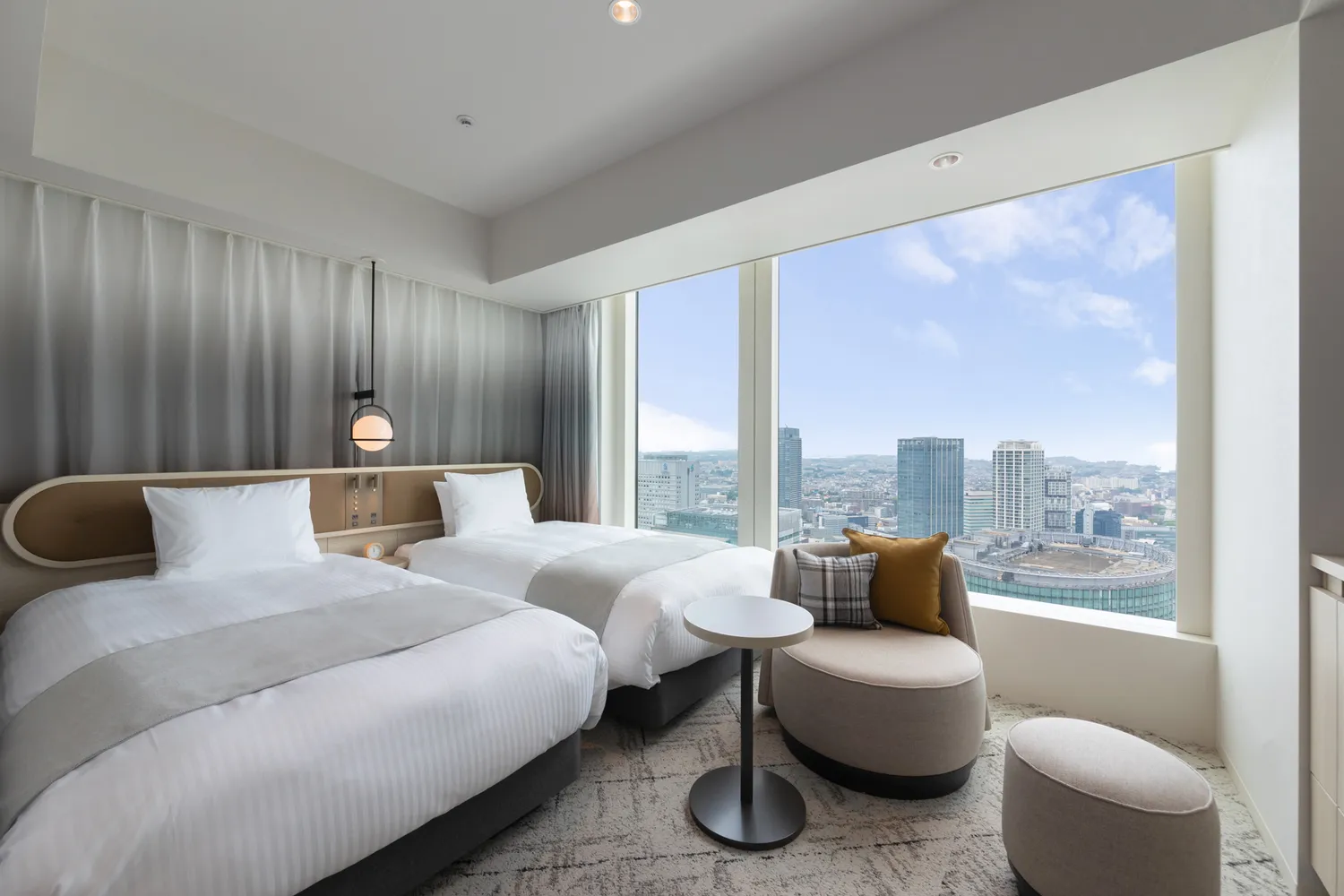
For those looking to extend their stay, searching for the best hotels in Yokohama with Minato Mirai bay views will reveal a range of luxury and mid-range options that allow you to wake up to the sight of the Pacific Ocean. Whether for a few hours or a few days, Yokohama is a vital piece of the Japanese urban puzzle.